How an AI Digital Styling Consultant Transforms Your Social Media Image
Discover how an AI digital styling consultant elevates your social media presence with personalized, data-backed fashion advice.

Estimated reading time: 7 minutes
Key Takeaways
- Personalized Style Guidance: AI consultants use your photos and engagement data to craft tailored outfit suggestions.
- Data-Driven Decisions: Machine learning, computer vision, and trend engines ensure objective, on-trend recommendations.
- Enhanced Brand Consistency: Cohesive visuals and real-time trend adaptation boost engagement and brand identity.
- Seamless Integration: Virtual try-ons, digital wardrobe catalogs, and social media auto-posting streamline your workflow.
- Future-Proof Trends: From immersive AR to ethical recommendations, AI styling tools are evolving for broader inclusivity.
Table of Contents
- Introduction
- 1. What Is an AI Digital Styling Consultant?
- 2. How AI Digital Styling Consultants Enhance Social Media Presence
- 3. Core Components of AI-Driven Styling & Branding
- 4. Step-by-Step Guide to Using an AI Digital Styling Consultant
- 5. Potential Challenges and Solutions
- 6. Future Trends in AI Styling
- Conclusion
Introduction
Welcome to the era of virtual fashion: an AI digital styling consultant acts as your on-demand advisor, delivering personalized guidance at scale. Consistent, on-trend visuals are vital in today's social media landscape—mismatched looks can dilute your message. Harnessing AI styling, you receive data-backed outfit suggestions that elevate your personal brand and ensure every post reinforces your image. In this post, you’ll discover how to set up the tool, interpret recommendations, and integrate AI styling into your content strategy for maximum impact.
1. What Is an AI Digital Styling Consultant?
An AI digital styling consultant leverages machine learning, computer vision, natural language processing (NLP), augmented reality (AR), and trend analysis engines to analyze wardrobe photos, body measurements, and engagement metrics. It then crafts tailored outfit recommendations that align with your brand aesthetic. source and source.
Technological Foundation
- Machine Learning Models: Evaluate past outfits and social metrics (likes, shares, comments) to refine future suggestions through pattern recognition and predictive analytics. source
- Computer Vision: Detects colors, silhouettes, patterns, and textures in your wardrobe photos for precise matching and color-theory pairing. source
- Natural Language Processing: Understands free-form style requests like “casual summer vibe” or “sleek professional look” to bridge human intent with algorithmic output. source
- Augmented Reality: Offers virtual try-ons and wardrobe digitization so you can visualize outfits on your avatar or live image before posting. source
- Trend Analysis Engines: Continuously scan social feeds, fashion blogs, and runway data to spot emerging styles and incorporate them into your recommendations. source
Comparison to Traditional Styling
- 24/7 Instant Advice: No appointments, no delays—get outfit ideas anytime versus scheduling sessions with human stylists. source
- Data-Driven Objectivity: Removes human bias by relying on performance metrics and algorithmic insights.
- Continuous Learning: As you provide feedback, the AI refines its model, growing more accurate over time. source
2. How AI Digital Styling Consultants Enhance Social Media Presence
Key Benefits
- Enhanced visual consistency for a cohesive brand story. source
- Engagement boost: 20–30% more likes and a 40% drop in product return rates thanks to better-fitting outfits. source
- Real-time trend adaptation keeps your looks fresh and relevant. source
- Cost-effectiveness: Freemium and subscription models cost a fraction of traditional per-session stylist fees. source
- Hyper-personalization: Leverages body-type data, mood cues, and engagement analytics for truly individual style. source
Core Functionalities
- Personalized outfit curation by occasion, season, and trending styles. source
- Digital wardrobe cataloging to track and optimize existing items. source
- Virtual try-ons with AR and avatar previews—adjust color, fit, and occasion tags. source
- Style feedback based on photo uploads to continually improve suggestions. source
- Social media integration: Create, schedule, and auto-post style images directly from the platform. source
3. Core Components of AI-Driven Styling & Branding
- AI Algorithms & Trend Identification: ML models ingest data from runway shows, influencer feeds, and fashion blogs to detect emerging colors, cuts, and silhouettes. source
- Data Analytics for Personalization: Merges body measurements, color preferences, and past engagement data into a unified profile that drives recommendations. source
- Integration with Social Media Strategy: Tracks metrics—follower growth, likes, comments, and CTR—to quantify style impact. source
4. Step-by-Step Guide to Using an AI Digital Styling Consultant
Getting Started – Initial Setup
- Upload wardrobe photos and past social media posts. Enter body measurements, color preferences, and brand goals. source
- Select a style archetype or mood—“urban chic,” “minimalist professional,” or “bohemian festival.”
Receive & Review Recommendations
- Browse AI-curated outfit sets, color palettes, and accessory pairings.
- Save top picks and flag any off-brand suggestions for refinement. source
Interpreting & Applying Suggestions
- Use AR virtual try-ons to preview looks on your digital avatar. Adjust filters for fit, color intensity, and occasion tags. source
- Cross-check suggestions against your brand mission. Provide feedback to fine-tune the AI’s future recommendations.
Maintaining Consistency
- Integrate approved style sets into your content calendar—auto-post or manually share high-quality images. source
- After 30 days, measure success: track follower growth, engagement rate, and product return rates if you sell apparel.
5. Potential Challenges with AI-Powered Styling and How to Overcome Them
- Subjective Nuance & Cultural Context: AI excels at recognizing patterns but may miss event-specific or cultural subtleties. Solution: Combine algorithmic picks with human judgment.
- Data Privacy & Algorithm Biases: Review privacy policies to understand data usage and opt for platforms with transparent, diverse training sets.
- Blending Human & AI Insight: Use AI for bulk ideation, then apply your creative vision. Continuously feed back your selections to train the AI on your unique taste. source
6. Future Trends in AI Digital Styling Consultant Tools and Personal Branding
- Immersive AR Try-Ons: Next-gen AR will simulate fabric drape, movement, and lighting for hyper-realistic previews. source
- Digital Avatars: Virtual brand ambassadors can showcase looks across multiple channels, maintaining consistency even when you’re offline. source
- Ethical AI Recommendations: Platforms will prioritize inclusive AI by showcasing diverse body shapes, skin tones, and style aesthetics. source
- Smart Wearables Integration: AI connected to smart garments will track how you wear items and suggest complementary pieces based on real-world usage patterns. source
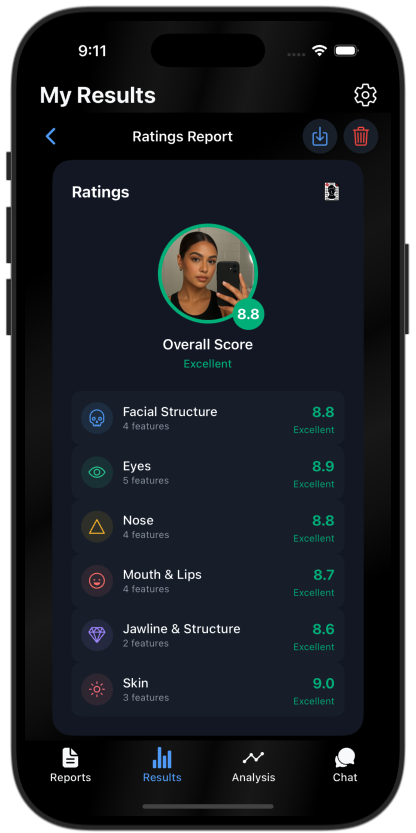
For additional insights on your looks and beyond, you can generate an AI-powered Maxx Report to receive comprehensive evaluations and personalized recommendations.
Conclusion
AI digital styling consultants deliver affordable, consistent, real-time style guidance that elevates your social media branding through hyper-personalization and trend-spotting. Ready to transform your image? Explore the detailed comparison of top solutions. Share your questions or experiences in the comments below to help others harness the power of AI styling.
FAQ
- What is an AI digital styling consultant?
It’s a virtual fashion advisor that uses AI technologies—ML, NLP, CV, and AR—to analyze your wardrobe and engagement data, delivering personalized outfit recommendations. - How accurate are AI outfit recommendations?
Accuracy improves over time through feedback loops. Early suggestions may need refinement, but consistent input helps the model learn your unique style. - Can AI styling adapt to cultural nuances?
Basic recommendations are data-driven; for event-specific or cultural subtleties, combining AI picks with human insight ensures optimal results. - What data does the AI use?
It ingests wardrobe photos, body measurements, past social metrics, trend forecasts, and user feedback to personalize its suggestions. - How do I integrate AI styling into my social media strategy?
Use built-in scheduling and auto-post features, align AI-approved style sets with your content calendar, and monitor engagement for continuous improvement.