AI Driven Outfit Personalization: Revolutionizing Your Wardrobe
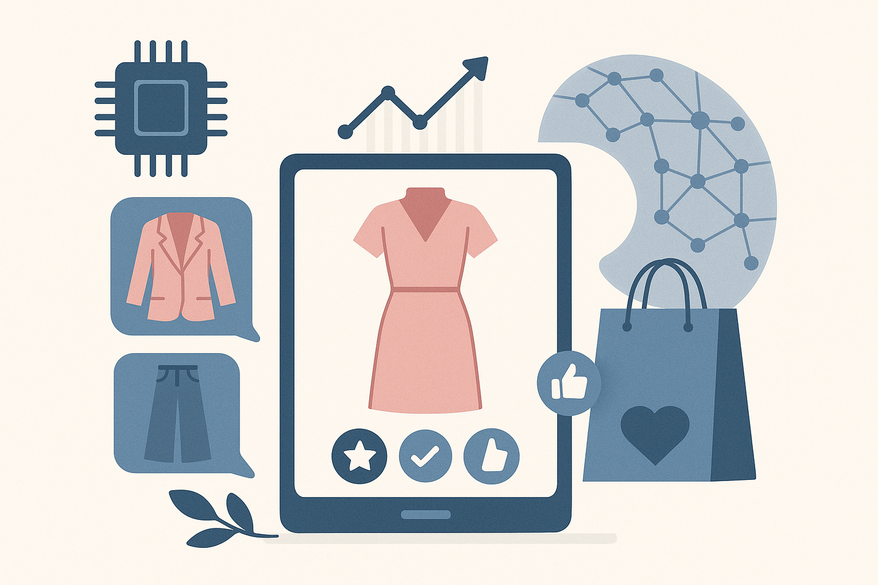
Discover how AI driven outfit personalization is transforming fashion with tailored style recommendations, boosting retail sales, and enhancing customer satisfaction.

8 min read
Key Takeaways
- AI analyzes rich user data—style preferences, body measurements, purchase history—to deliver custom outfit suggestions in real time.
- Core technologies include machine learning algorithms, computer vision for image tagging, and recommendation engines for precise matches.
- Benefits span consumers and retailers: shoppers enjoy convenience and confidence; brands see higher conversions and optimized inventory.
- Real-world platforms like Style3D.ai, ViSenze Visual AI and Myntra demonstrate AI’s impact on styling efficiency and customer loyalty.
- Key challenges involve data privacy, algorithmic bias, and the future integration of AR/VR and human-AI hybrid models.
Table of Contents
- Section 1: Understanding AI Driven Outfit Personalization
- Section 2: How Does AI Driven Outfit Personalization Work?
- Section 3: Benefits of AI Driven Outfit Personalization
- Section 4: Real-World Applications and Case Studies
- Section 5: Challenges and Future Directions
- Conclusion
- FAQ
Section 1: Understanding AI Driven Outfit Personalization
Data Inputs
- Style quizzes and surveys capturing your fashion DNA
- Past purchases and browsing behavior across web and mobile
- Favorite brands, color palettes, garment fits
- Lifestyle needs: work, travel, special occasions
Core Technical Components
- Machine learning algorithms (deep learning, neural nets) that learn tastes over time
- Visual AI and computer vision to process product images and tag features (silhouette, fabric, pattern)
- Recommendation engines using collaborative and content-based filtering
Comparison: Traditional vs. AI-Based Outfit Selection
| Aspect | Human Stylists | AI Tools/Apps |
|---|---|---|
| Cost | High hourly rates | Affordable or free subscriptions |
| Personalization | Limited by individual experience | Data-driven adaptive customization |
| Speed & Convenience | Appointment-based scheduling | Instant, 24/7 style suggestions |
| Trend Updates | Manual research | Real-time global analysis |
Section 2: How Does AI Driven Outfit Personalization Work?
- Data Collection
User profiles: measurements, quizzes, past orders
Surveys to capture mood, occasion, preferences
Mobile app interactions: clicks, wishlists, browsing - Algorithmic Analysis
Pattern recognition groups users into style clusters (minimalist, boho)
Collaborative filtering suggests items liked by similar users - Machine Learning Predictions
Classification models tag products by attributes (elegant, casual)
Regression and ranking models score combinations by fit, season, event - Key Technologies
Computer Vision for virtual try-ons and image matching
Recommendation systems with curated bundles and “complete the look” features
Trend-data integration for occasion-specific styling
Learn more in our Event Outfit Planner AI.
Section 3: Benefits of AI Driven Outfit Personalization
- Customer Satisfaction
Hyper-relevant suggestions for body type and style
Virtual try-ons reduce trial-and-error and boost confidence
24/7 style support via apps and chatbots - Retailer Efficiency
Tailored campaigns drive higher conversion rates
Increased average order value through curated bundles
Inventory optimization via demand forecasting - User Discovery & Sustainability
Encourages exploration of new styles
Minimizes fashion waste by recommending items users wear
Supports circular fashion through AI-powered rentals
Section 4: Real-World Applications and Case Studies
- Style3D AI Platform
Real-time outfit recommendations; 5–10× faster than human stylists - ViSenze Visual AI
Image recognition for virtual try-ons; continuous learning feedback loops - Myntra (India)
Curates outfits by body type and preference; lowers return rates - Sephora
Virtual try-on and AI suggestions for makeup and accessories - Automatic Outfit Pairing
Discover more in our AI Outfit Generator Tool.
Section 5: Challenges and Future Directions
- Data Privacy & Security
Risks in collecting sensitive data; need for transparent opt-in and compliance - Algorithmic Bias
Underrepresentation of diverse body shapes and styles; importance of bias audits - Ongoing Developments
Advances in AR/VR for immersive fitting rooms; hybrid human-AI models - Long-Term Impact
Shift to subscription and rental models; continuous learning for improved loyalty
Conclusion
We’ve defined AI driven outfit personalization, explored its data inputs and technologies, and compared it to traditional styling. We’ve detailed how it works, reviewed benefits for consumers and retailers, and examined real-world case studies from Style3D, ViSenze, Myntra, and Sephora. We’ve also addressed privacy and bias concerns and looked ahead to AR/VR and human-AI hybrids.
AI-powered styling is transforming closets with data-driven precision—making fashion more personal, efficient, and sustainable. Ready to revolutionize your wardrobe? Try tools like Style3D or ViSenze and share your thoughts in the comments: How might AI change your style?
FAQ
- What data does AI use for outfit personalization?
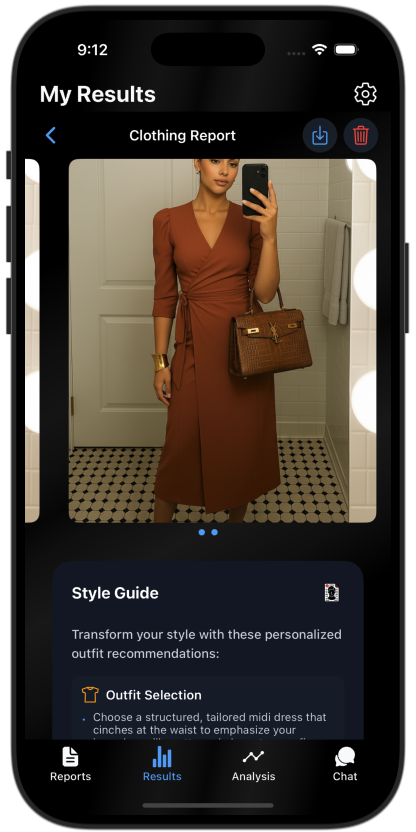
AI leverages style quizzes, purchase history, browsing behavior, and body measurements to tailor recommendations. - How accurate are AI outfit suggestions?
Recommendations improve over time as the system learns your preferences and feedback, often matching or exceeding human stylists in speed and relevance. - Is my personal style data secure?
Reputable platforms implement encryption, transparent opt-in policies, and compliance with GDPR/CCPA to protect your information.