AI Sleep Skincare Tips: How Artificial Intelligence and Quality Rest Transform Your Skin
Discover how AI sleep skincare tips leverage smart technology to optimize skin health through personalized rest routines for firmer, glowing skin.
Estimated reading time: 8 minutes
Key Takeaways
- AI-Powered Personalization: Machine learning analyzes sleep and skin data to tailor nightly routines.
- Sleep-Driven Renewal: Quality rest boosts cellular repair, collagen synthesis, and waste removal.
- Dynamic Adjustments: AI platforms recommend products based on nightly sleep metrics and skin condition.
- Practical Bedtime Tips: Consistent routines, optimized environments, and screen-free wind-downs enhance skin health.
- Seamless Integration: Combining traditional skincare with AI insights yields adaptive, proactive aging defense.
Table of Contents
- I. The Role of Sleep in Skincare
- II. Leveraging AI for Better Sleep and Skincare
- III. Practical AI Sleep Skincare Tips
- IV. Integrating Traditional and AI-Driven Skincare Routines
- V. Conclusion
- FAQ
I. The Role of Sleep in Skincare
Why Sleep Is Critical
- Cellular Repair: Nighttime rest peaks DNA repair processes that fix UV-induced damage.
- Waste Removal: Enhanced lymphatic activity flushes toxins and free radicals from the dermis.
- Collagen Production: Growth hormone surges during deep sleep drive fibroblast activity, boosting collagen and elastin.
Physiological Processes
- Increased Blood Flow: Up to 20% more cutaneous perfusion delivers amino acids and antioxidants to skin cells.
- Growth Hormone Release: Stimulates protein synthesis, reinforcing the extracellular matrix for firmness.
- Barrier Regeneration: Lipid production peaks, improving moisture retention and reducing transepidermal water loss.
Research Insights
- Poor Sleep Effects: Chronic insomnia correlates with dryness, irritation, and accelerated wrinkle formation.
- Adequate Rest Benefits: Studies show boosted hydration, improved elasticity, and a stronger barrier function after consistent 7–9 hours per night.
II. Leveraging AI for Better Sleep and Skincare
AI-Driven Sleep Analysis
Wearable sensors track sleep stages—light, REM, and deep sleep—while monitoring heart rate variability, skin temperature, and movement. AI correlates these metrics with hydration and inflammation markers, pinpointing nights of barrier compromise and redness.
Technological Trends
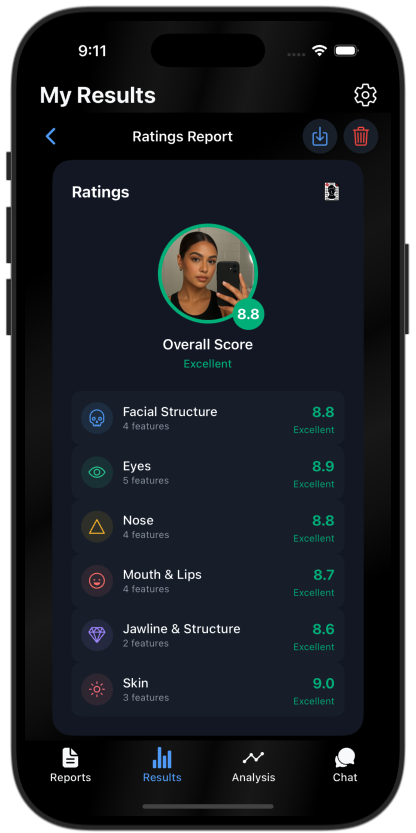
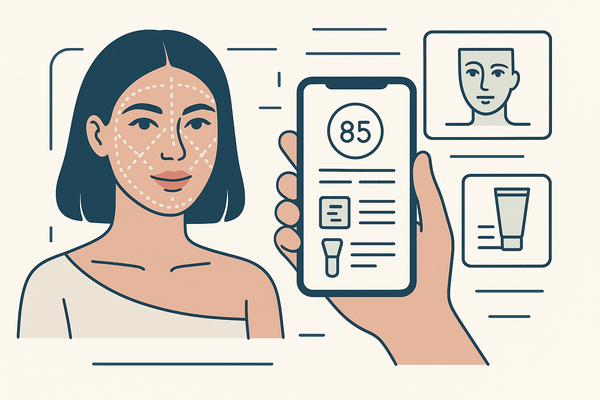
- Computer Vision Apps: Analyze selfies to detect texture changes, pigmentation shifts, and hydration levels in seconds.
- Dynamic Regimen Adjustments: When AI flags a weakened barrier, it recommends occlusive masks or humectants to lock in moisture.
- Proteomics Platforms: AI sequences skin proteins daily to formulate targeted peptides that counteract sleep-deprived dryness.
Real-World Examples
- Smartwatches monitor cortisol and skin temperature overnight, triggering hydration reminders via mobile alerts.
- GOA Skincare uses AI proteomics to craft custom peptide blends based on your unique sleep-linked protein profile.
- Genetic-Nutrition Apps integrate gene data with sleep metrics to suggest nutrients—like zinc and omega-3—to reduce sensitivity.
III. Practical AI Sleep Skincare Tips
- Establish a Consistent Bedtime Routine
• Dim Lighting: Use warm, low-blue-light lamps 30 minutes before bed to boost melatonin and collagen repair.
• Relaxation: Incorporate guided AI-led meditation to lower cortisol and improve sleep onset.
Source: Get Your Glow - Optimize Your Sleep Environment
• Temperature: Keep the room between 60–67°F to deepen REM and slow-wave sleep, enhancing nutrient delivery to skin.
• Darkness: Invest in blackout curtains or an AI-connected sleep mask that monitors light exposure.
Source: Get Your Glow - Avoid Screens Pre-Bed
• Blue Light Filters: Activate device night-modes 1–2 hours before sleep to prevent melatonin suppression and reduce night-time inflammation.
• AI Screen Time Alerts: Use apps that nudge you to disconnect based on your personalized circadian data.
Source: AI Discovers Natural Peptides - Use Repair-Focused Evening Serums
• Resveratrol and Peptides: Apply AI-recommended formulas that amplify nocturnal skin renewal.
• AI-Driven Custom Blends: Platforms like AI-Powered Personalized Skincare adjust concentrations based on your prior night’s sleep metrics.
Source: AI-Powered Personalized Skincare
For a full regimen combining sleep data, lifestyle inputs, and skin imaging, explore tools such as Customized Skincare Routine App, AI Skincare Recommendation Guide, and Holistic Beauty Tracking App.
IV. Integrating Traditional and AI-Driven Skincare Routines
Customization: Traditional tips—standard nightly moisturizer and a balanced diet—provide a solid base. AI-driven tools add real-time adjustments like vitamin C boosts when low REM predicts pigmentation spots.
Monitoring: Manually you might track changes over weeks; AI apps detect hydration and TEWL shifts daily, offering genetics-based alerts.
Lifestyle Integration: Combine proven sleep hygiene—consistent bedtime, optimized environment, screen-free wind-down—with wearable-linked AI alerts for precision nutrition and topical tweaks.
V. Conclusion
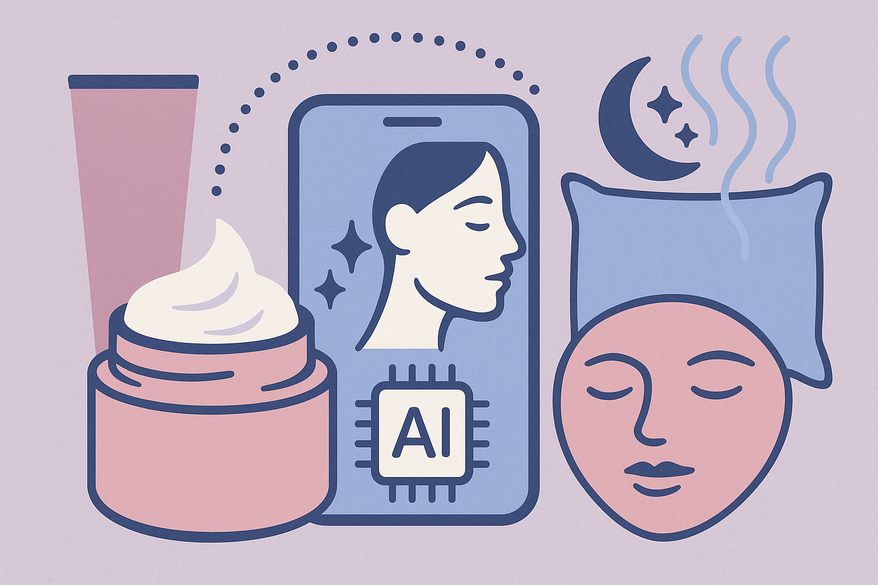
AI sleep skincare tips marry rest’s natural repair processes with predictive personalization. Quality sleep amplifies blood flow, waste clearance, and collagen synthesis, while AI adapts your regimen in real time for lasting glow.
- Proactive Aging Defense: Early intervention curbs fine lines and pigmentation.
- 33% Hydration Boost: Short-term gains reported by AI routine adopters.
- Adaptive Routines: Outperform static methods with dynamic product recommendations.
Embrace wearable devices and AI apps today. Pair them with proven sleep hygiene—consistent bedtime, optimized environment, screen-free wind-down—and implement these AI sleep skincare tips for transformative skin wellness.
FAQ
- How does AI track my skin changes?
AI uses sensor data—heart rate variability, skin temperature, and high-resolution images—to monitor hydration, texture, and inflammation, adjusting recommendations nightly. - Is AI sleep skincare suitable for all skin types?
Yes. Machine learning models calibrate advice based on individual skin sensitivity, genetics, and sleep patterns to ensure personalized, safe routines. - Can I use AI without wearable devices?
While wearables enhance precision, many apps leverage smartphone sensors and selfie analysis to offer valuable sleep and skin insights.