Digital Makeover Algorithm Insights: Transforming Business with Data-Driven Strategies
Discover how digital makeover algorithm insights revolutionize business through personalized, data-driven transformations, enhancing efficiency and engagement.

Estimated reading time: 8 minutes
Key Takeaways
- Digital foundations empower real-time data collection and AI-driven workflows.
- A digital makeover revamps technology, UX, and processes to boost agility and ROI.
- Algorithms drive decision-making, personalization, and optimization across the organization.
- Actionable insights translate raw data into targeted strategies that enhance performance.
- Real-world case studies demonstrate measurable gains in conversion, efficiency, and innovation.
Table of Contents
- Understanding the Digital Landscape
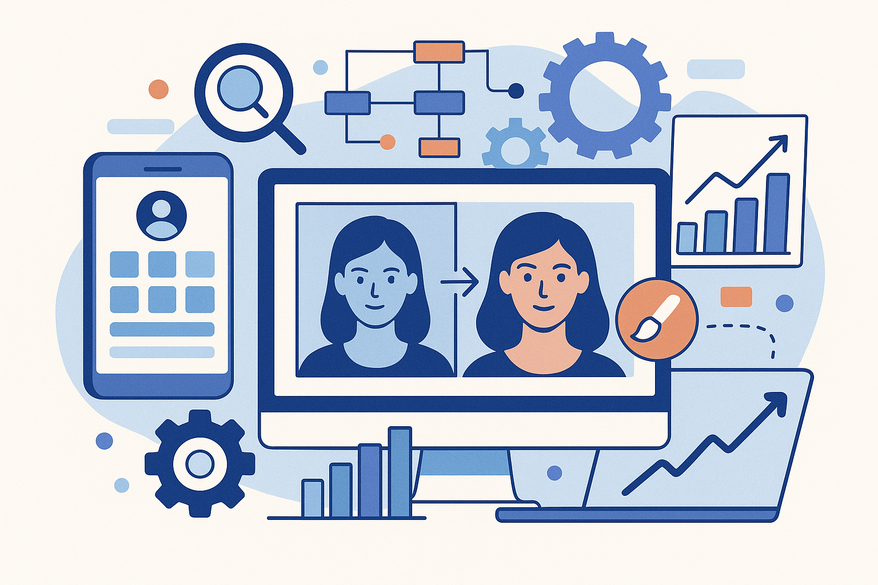
- Defining the Concept of a Digital Makeover
- The Role of Algorithms in Digital Makeovers
- Unpacking Algorithm Insights
- Practical Applications and Case Studies
- Challenges and Considerations
- Future Trends and Opportunities
- Conclusion
- FAQ
Understanding the Digital Landscape
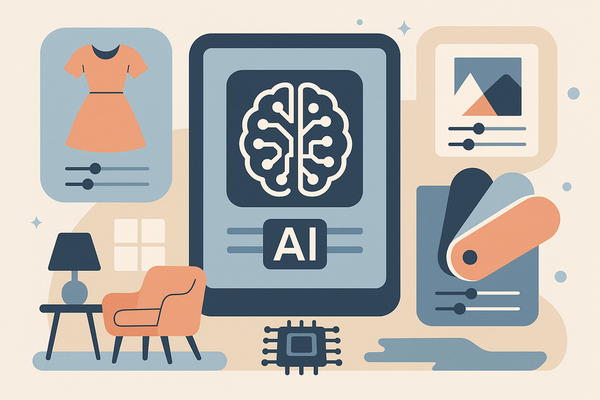
At its core, the digital landscape is built on scalable infrastructure—cloud computing, big data platforms, AI/ML frameworks, and APIs. Together, these elements enable organizations to:
- Capture customer interactions across channels in real time.
- Run advanced analytics and machine learning on demand.
- Deploy updates and models within hours, not months.
By shifting from manual processes to data-centric workflows, companies gain agility and maintain a customer-focused edge.
Source: PortoTheme article
Defining the Concept of a Digital Makeover
A digital makeover involves overhauling an organization’s technology stack, user interfaces, and operations with data-driven tools to improve ROI, UX, and responsiveness. Key dimensions include:
- Technology upgrade
– Migrating servers to cloud platforms (AWS, Azure)
– Adopting microservices for modular, scalable apps - UX redesign
– Responsive design for seamless mobile experiences
– AR/VR try-on features to boost engagement - Process automation
– Robotic process automation (RPA) for repetitive tasks
– AI chatbots for 24/7 customer support
Case study highlights:
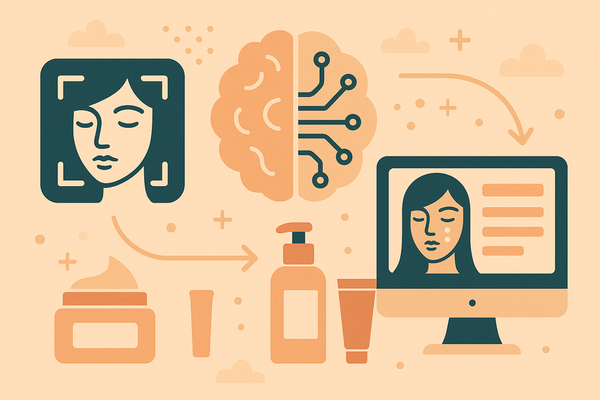
- L’Oréal’s virtual try-on app increased conversion and reduced returns.
- Sephora’s predictive inventory system cut returns by 18% and improved stock availability.
Source: PortoTheme article
The Role of Algorithms in Digital Makeovers
Algorithms sit at the heart of every makeover, powering:
- Decision-making via predictive models and scenario simulations.
- Personalization through recommendation engines and dynamic content.
- Optimization with A/B testing and real-time bid adjustments by reinforcement learning.
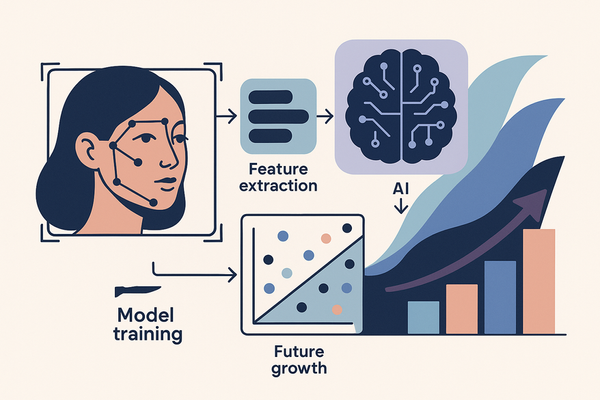
A typical machine learning workflow:
- Data ingestion from CRM logs, transactions, social media.
- Feature engineering to extract variables like purchase frequency and sentiment.
- Model training using random forests, neural networks, etc.
- Validation on holdout sets to ensure accuracy.
- Deployment via APIs into production systems.
Source: PortoTheme article
Unpacking Algorithm Insights
Insights are distilled patterns, anomalies, or predictions that bridge raw data and strategic action. A typical data pipeline includes:
- Collection from CRM, eCommerce, and social media.
- Cleaning with outlier removal and normalization.
- Analysis using clustering, regression, and NLP.
- Visualization via dashboards tracking churn risk and ROI.
Example action: Adjust marketing spend based on predicted customer lifetime value, increasing budgets for high-ROI segments.
Source: PortoTheme article
Practical Applications and Case Studies
Marketing & Personalization
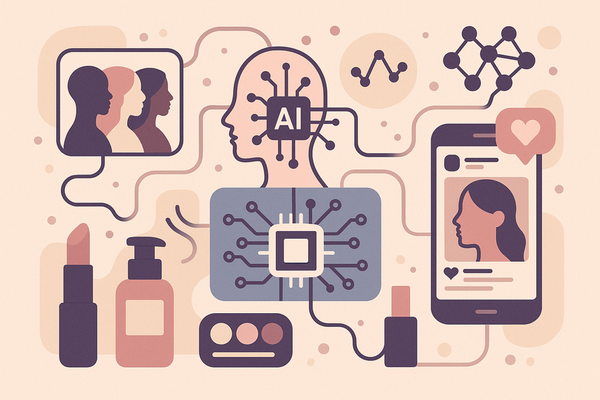
• Lookalike modeling on Facebook and Google for targeted ads.
• NLP chatbots handling queries in real time.
Outcome: 20% lift in click-through rate, 15% increase in average order value.
Product Development
• Trend forecasting with time-series and sentiment analysis.
• Reduced R&D cycle by 30%, speeding new launches.
Operational Efficiency
• Demand forecasting to minimize stockouts.
• RPA for manufacturing and order processing.
Results: 15% fewer stockouts, 10% less waste.
Source: PortoTheme article
Challenges and Considerations
Over-reliance on algorithms can risk de-humanizing experiences or reinforcing biases. To mitigate:
- Combine human oversight with automated decisions.
- Implement transparent personalization and user controls.
- Adopt robust data governance: catalogs, quality checks, audit logs.
Privacy best practices include GDPR/CCPA compliance, anonymization, and encryption.
Reference: Beauty Packaging article
Future Trends and Opportunities
Advanced Personalization: GANs for hyper-realistic AR try-ons and deep learning for on-the-fly texture customization.
Agentic Workflows: AI-driven R&D platforms suggesting novel ingredient combinations.
Real-Time Predictive Analytics: Streaming models with Kafka and Flink for instant market insights and dynamic pricing.
Conclusion
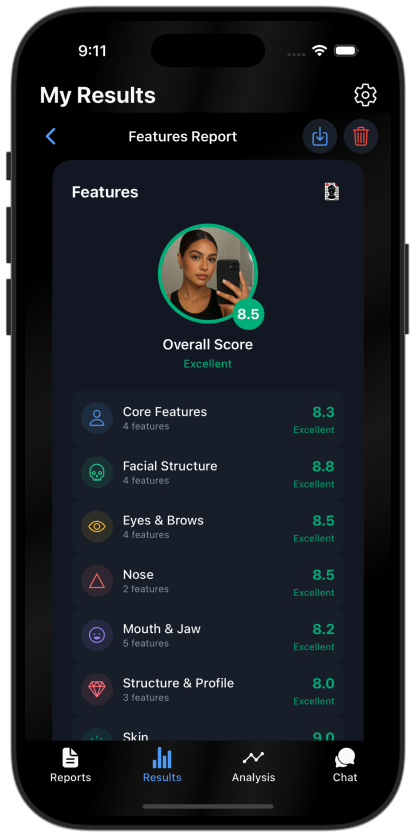
By building solid digital foundations, defining targeted makeovers, deploying robust algorithms, and acting on clear insights, businesses unlock sustained growth in marketing, product development, and operations. For a deeper dive into how AI can analyze and enhance facial features during your own makeover, try the Maxx Report app—they offer detailed face analysis and personalized recommendations.
Call to action: Explore AI tools, adopt best practices, and review linked case studies to launch your digital makeover. Embrace these data-driven algorithms and insights to stay agile and customer-centric.
FAQ
- What is a digital makeover? A complete overhaul of technology, UX, and processes using data-driven tools to boost performance.
- Why are algorithms critical? They enable predictive decision-making, dynamic personalization, and real-time optimization.
- How are insights generated? Through a pipeline of data collection, cleaning, analysis, and visualization that uncovers actionable patterns.
- What challenges should I watch for? Data bias, privacy compliance, algorithmic transparency, and technical debt.
- Which trends will shape the future? GAN-based personalization, AI-assisted agentic workflows, and real-time predictive analytics.