AI Beauty Algorithm Explained: How It Works, Applications & Ethics
Explore AI beauty algorithms explained, their workings, ethical implications, and applications in social media and cosmetics, fostering inclusivity and personalization.

Estimated reading time: 10 minutes
Key Takeaways
- Definition: Machine learning analyzes facial symmetry, texture, and proportions to score and enhance attractiveness.
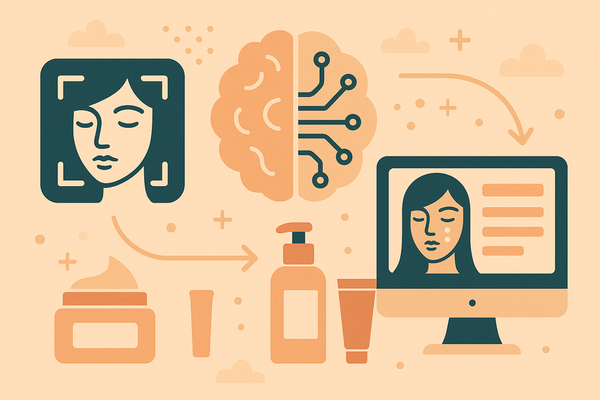
- Technical Pipeline: Face detection, landmark mapping, feature extraction, neural scoring, and output generation in under two seconds.
- Applications: Social media filters, AR try-ons, cosmetics recommendations, and salon diagnostics.
- Benefits: Personalized beauty routines, objective metrics, inclusive experiences, and trend forecasting.
- Ethical Challenges: Bias, mental health impacts, privacy concerns, and calls for transparency.
- Future Outlook: Adaptive AR, holistic assessments, and robust ethical frameworks.
Table of Contents
- Background Information: AI Fundamentals, Scale & Evolution
- How AI Beauty Algorithms Work
- Real-world Applications & Examples
- Benefits of AI Beauty Algorithms
- Ethical Considerations & Controversies
- Future Trends & Developments
- Conclusion
- FAQ
Background Information: ai beauty algorithm explained
Defining AI Fundamentals
AI beauty algorithms rely on supervised learning and computer vision to transform raw images into beauty assessments. These systems train on millions of labeled photos to recognize patterns in:
- Supervised Learning: Mapping facial inputs to human-rated beauty scores over many epochs.
- Neural Networks: Deep layers that convert pixels into meaningful features.
- Computer Vision: Convolutional neural networks (CNNs) detect symmetry and texture.
Learn more about the technical foundation in how AI beauty analysis works.
Scale and Dataset Diversity
Platforms such as Global Beauty Rank have processed over five million faces to improve generalization across age, gender, and ethnicity. Large-scale data help:
- Ensure robust performance under varied lighting and skin tones.
- Recognize subtle textures and reduce overfitting.
Origins and Evolution
Early tools performed simple symmetry checks with the rule of thirds. Today’s systems:
- Apply golden-ratio overlays and AR enhancements in real time.
- Power filters on Instagram Spark AR and Pinterest Lens.
- Shift from narrow cultural norms toward data-driven inclusivity.
How AI Beauty Algorithms Work
Multi-Step Processing Pipeline
- Face Detection
Uses Haar cascades or deep nets to locate faces. Preprocessing often includes histogram equalization and skin-tone normalization. - Landmark Detection
Identifies 68+ points—eye corners, nose tip, jawline—via CNN models to map facial geometry. - Feature Extraction
Computes facial ratios (e.g., golden ratio) and measures symmetry, skin texture, color uniformity, and 128 biometric parameters. See the width-to-height ratio guide for details. - Neural Scoring
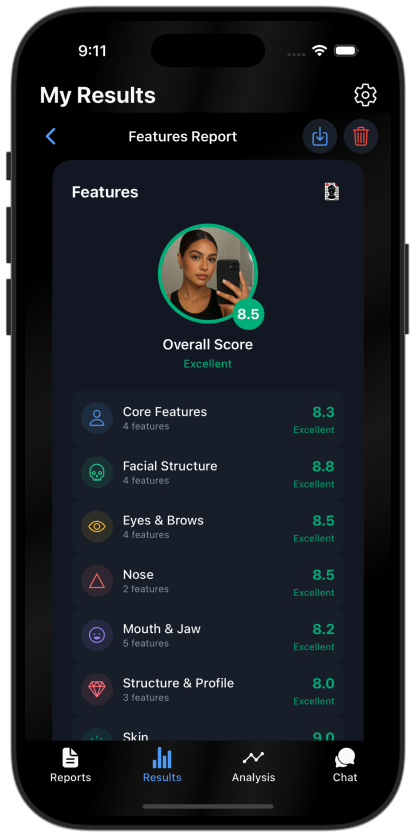
Ensemble models trained on attractiveness labels output a score from 1–10, reducing variance across predictions. - Output Generation
Delivers AR filters, beauty scores, and product suggestions in under two seconds, then purges raw data to protect privacy.
Real-world Applications and Examples
Social Media & Augmented Reality Filters
- Instagram Spark AR smooths skin and reshapes features live.
- Pinterest Lens matches makeup shades via AR overlays.
These filters drive engagement and in-app purchases, as detailed in ai beauty standard analysis.
Cosmetics Industry Integration
- L’Oréal’s ModiFace recommends serums and foundations via AI mapping.
- Fenty Beauty uses shade-matching models trained on diverse tones.
- Salon scanners combine spectrometry and AI to assess hair and scalp health.
Explore ethical implications in Beauty by Algorithm: The Flawed Face of AI.
Benefits of AI Beauty Algorithms
- Personalization
Tailors product and regimen recommendations based on unique facial characteristics. See face attractiveness AI analysis. - Efficiency & Objectivity
Standardizes assessments and reduces human bias, accelerating salon and e-commerce workflows. (PMC12007659) - Enhanced UX & Engagement
Virtual try-ons boost click-through rates; trend forecasting drives product development.
(ai beauty standard analysis) - Inclusivity Potential
Celebrates diverse features when trained on global datasets, challenging one-size-fits-all ideals.
Ethical Considerations and Controversies
Bias & Cultural Reductionism
Training data often overrepresent light skin and narrow features, enforcing Eurocentric norms:
- Underrepresentation of darker tones leads to misclassification.
- Cultural reductionism flattens diverse beauty into a single ideal.
See Beauty by Algorithm: The Flawed Face of AI for more.
Societal Impacts on Mental Health
- Auto-beautifying filters can heighten insecurities.
- “Beauty races” drive extreme self-editing and cosmetic procedures.
- Studies link filter use to anxiety, depression, and eating disorders. (The Beauty Algorithm)
Privacy & Consent
- Lack of explicit user approval for facial data collection.
- Unverified data deletion promises.
- Risks of surveillance and unauthorized marketing.
Technical details at how AI beauty analysis works.
Transparency & Accountability
- Publish which features drive scores.
- Release fairness metrics and bias audits.
- Provide redress for misclassified users.
Future Trends and Developments
- Next-Gen AR & Dynamic Scoring
Real-time filters that adapt to mood, lighting, and evolving beauty norms. (ai beauty standard analysis) - Holistic Assessments
Combining personality, emotional state, and facial metrics to recommend self-care over pure aesthetics. - Ethical Frameworks & Standards
Industry mandates for diverse training sets, explainable AI, and regular third-party reviews. (beyond-the-mirror)
Conclusion: ai beauty algorithm explained
AI beauty algorithms blend machine learning and computer vision to analyze and enhance facial features. We’ve covered:
- Core definitions, AI fundamentals, and historical context.
- Technical pipeline from detection to neural scoring.
- Applications in social media, cosmetics, and salons.
- Benefits like personalization, objectivity, and inclusivity.
- Ethical challenges: bias, mental health, privacy, and transparency.
- Future paths: adaptive AR, holistic insights, and ethics-driven standards.
FAQ
What is an AI beauty algorithm?
An AI beauty algorithm is a machine learning system that evaluates facial features—symmetry, texture, and proportions—to assign an attractiveness score or apply real-time enhancements.
How do these algorithms score attractiveness?
They follow a pipeline: face detection, landmark mapping, feature extraction of ratios and textures, neural network scoring, and output generation, often completing in under two seconds.
Are AI beauty scores truly objective?
While automated metrics reduce some human bias, training data skew can introduce cultural and demographic biases. Transparency in data curation is key to fairness.
What ethical issues arise?
Major concerns include biased ratings, mental health impacts from filter use, privacy risks in facial data collection, and lack of algorithmic transparency.
How can users protect their privacy?
Choose apps with clear consent policies, verify data deletion practices, and favor platforms that publish bias audits and allow users to review or remove their data.