AI Restorative Beauty Advice: Transforming Personalized Skin Rejuvenation
Discover how AI restorative beauty advice uses machine learning and facial recognition to create customized skincare routines for healthier, rejuvenated skin.

6-minute read
Key Takeaways
- AI analyzes skin via machine learning, facial recognition, and data analytics.
- Personalized skincare routines adapt to individual profiles and environmental factors.
- Virtual advisors and simulations enable real-time treatment previews.
- AI delivers precise tracking, preventive alerts, and confidence-boosting insights.
- Challenges include data privacy, algorithmic bias, and need for professional oversight.
- Future trends point to hyper-personalization, AR diagnostics, automation, and inclusivity.
Table of Contents
- Background and Context for AI Restorative Beauty Advice
- How AI Is Revolutionizing Restorative Beauty Advice
- Benefits of AI Restorative Beauty Advice
- Practical Applications and Case Studies for AI Restorative Beauty Advice
- Potential Challenges and Considerations for AI Restorative Beauty Advice
- Future Trends in AI Restorative Beauty Advice
- Conclusion
Introduction
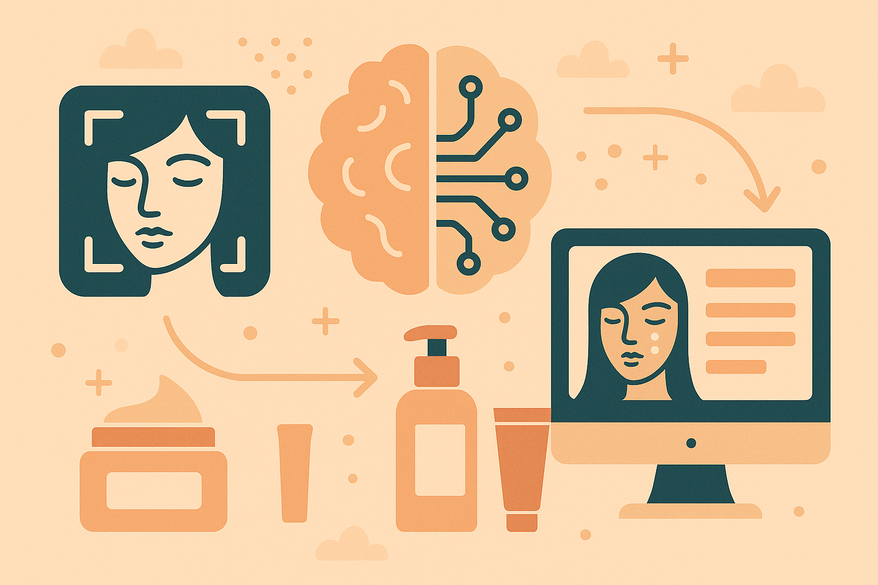
AI restorative beauty advice refers to artificial intelligence systems that analyze individual skin conditions, aesthetic features, and personal goals to deliver customized, regenerative skincare and beauty routines. These smart tools mimic a personal dermatologist by scanning photos or data inputs to recommend hydration boosts, anti-aging serums, or targeted treatments.
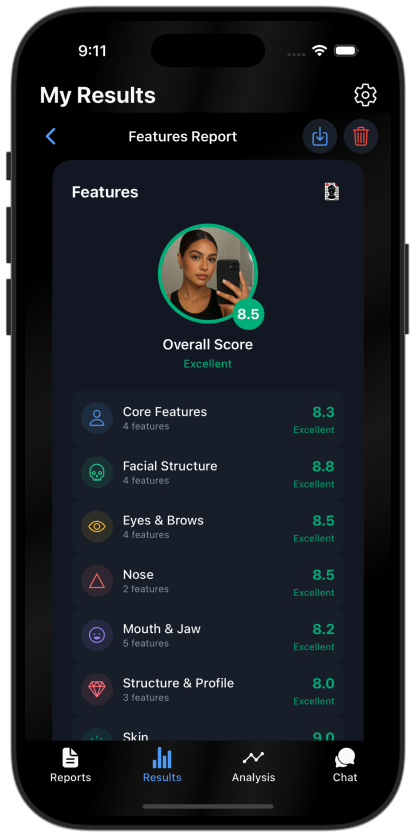
In this post, we explain how AI tools and algorithms deliver proactive, restorative beauty recommendations. Our goal is informational: to educate you on how AI-powered skincare can personalize routines, detect early aging signs, and guide you toward healthier, rejuvenated skin. For a comprehensive AI-powered skin and facial analysis, explore Maxx Report.
Background and Context for AI Restorative Beauty Advice
Key AI Technologies
- Machine learning (ML): Computers learn from thousands of skin images, finding patterns in wrinkles, pigmentation, and hydration.
- Facial recognition: Computer vision tools map facial landmarks—eyes, cheeks, jawline—to measure symmetry and detect fine lines (skin analysis AI technology).
- Data analytics: Algorithms process user inputs (age, environment, lifestyle) to predict skin responses and recommend treatments.
Evolution of Beauty Advice
- Traditional tips: One-size-fits-all product trials and generic anti-aging cream claims.
- AI-driven insights: Early detection of dark spots or dehydration through image analysis and predictive modeling.
- Preventive care focus: Routines adapt to sun exposure, sleep patterns, and pollution metrics for long-term skin health.
How AI Is Revolutionizing Restorative Beauty Advice
Skin and Feature Analysis
- Photo scanning: Users upload selfies; AI measures tone, redness, hydration, pore size, fine lines, and dark spots.
- Symmetry check: Facial-recognition models compare left/right features to identify imbalances or sagging areas.
- Concern mapping: Algorithms tag zones needing repair—under-eye wrinkles, forehead lines, hyperpigmentation.
Machine Learning Algorithms Explained
- Definition: A machine learning algorithm is a computer program trained on large datasets of skin images and outcomes.
- Pattern detection: It spots early aging signs by comparing new photos to past images in its database.
- Continuous improvement: As more users submit photos, the model refines its predictions and treatment success rates.
Virtual Advisors and Simulations
- Treatment preview: Facial-recognition tools simulate results of serums, peels, or light therapy in real time.
- Product testing: Virtual mirrors let users “apply” creams or masks to see color, texture, and glow effects.
- Accessible guidance: Apps deliver dermatologist-level advice anytime—no salon visit required.
Benefits of AI Restorative Beauty Advice
- Personalized Routines
AI picks cleansers, serums, and moisturizers that suit your unique skin profile; suggests optimal timing based on circadian skin rhythms. - Enhanced Precision and Tracking
Detects dehydration, UV damage, or collagen loss before you see visible signs; progress charts track changes over weeks (skin analysis metrics). - Preventive Alerts & Motivation
Sunscreen and hydration reminders, achievement badges for consistent routine adherence. - Self-Confidence Boost
Highlights strengths and provides measurable evidence of improvement to fuel self-esteem.
Practical Applications and Case Studies for AI Restorative Beauty Advice
L’Oréal’s AI Platform: Photo-based analysis diagnoses hydration, wrinkles, and age spots; customized kits yield a 30% boost in app engagement and repeat purchases.
Zobha AI Skincare Tools: Weekly reports show tone and moisture improvements—80% of users notice changes within 4–6 weeks.
K2 Restorative Medicine: High-resolution imaging quantifies pigmentation and wrinkle count; predictive modeling simulates responses to micro-needling or LED therapy.
Potential Challenges and Considerations for AI Restorative Beauty Advice
- Data Privacy Risks: Secure photo storage and encryption are essential.
- Algorithm Biases: Diverse datasets are needed to avoid narrow beauty standards.
- Need for Human Oversight: AI suggestions should supplement, not replace, professional dermatologists.
- Inconsistent Data Inputs: Poor images or incomplete profiles can skew recommendations.
Future Trends in AI Restorative Beauty Advice
- Hyper-personalized ML Integration: Wearables feed sleep, diet, and pollution data for real-time skin predictions.
- Advanced Diagnostics & Virtual Simulations: Augmented-reality previews of LED therapy or injectables.
- Automation in Beauty Care: AI-guided microneedling robots and smart dispensers.
- Inclusivity and Bias Mitigation: Expanding datasets across all skin tones and ages.
Conclusion
AI restorative beauty advice fuses cutting-edge machine learning, facial recognition, and data analytics to deliver deeply personalized, regenerative skincare and beauty regimens. We’ve defined how these systems work, highlighted their benefits—from precision diagnostics to boosted self-confidence—and shared real-world and hypothetical case studies. We also covered challenges like data privacy and algorithm bias, and peeked at future trends including hyper-personalization, automation, and inclusivity. By combining these innovations with proven strategies from How to Improve Facial Attractiveness, you can optimize both technology and traditional methods for a truly restorative experience.
FAQ
- What is AI restorative beauty advice?
AI restorative beauty advice uses machine learning, facial recognition, and data analytics to create personalized skincare regimens based on your unique skin profile. - How does AI analyze my skin?
AI scans your photos to measure tone, hydration, fine lines, and pigmentation patterns, comparing them against large datasets to detect concerns and predict outcomes. - Are AI recommendations safe and effective?
While AI can offer precise, data-driven suggestions, it’s important to complement digital advice with professional dermatologist oversight, especially for medical-grade treatments. - How is my privacy protected?
Look for platforms that employ secure photo storage, encryption, and transparent data policies to ensure your personal images and information remain confidential.