How Bespoke Style Suggestions AI Transforms Personalized Fashion
Explore how bespoke style suggestions AI is transforming personalized fashion by offering hyper-tailored recommendations through advanced machine learning.

Estimated reading time: 8 min read
Key Takeaways
- Hyper-personalization: AI tailors outfits based on body type, style history, and context.
- Efficiency: Automated look generation and virtual try-ons save users time and effort.
- Data-driven insights: Machine learning, computer vision, and NLP power real-time trend forecasting.
- Privacy & ethics: Secure handling of sensitive images and consent-based data usage are essential.
- Future trends: AR avatars, wearable integrations, and sustainability tracking will reshape fashion AI.
Table of Contents
- Introduction
- Background on AI in Styling
- How Bespoke Style Suggestions Work
- Benefits of Bespoke Style AI
- Potential Challenges and Considerations
- Industry Impact and Future Trends
- Conclusion
- Additional Resources
Introduction
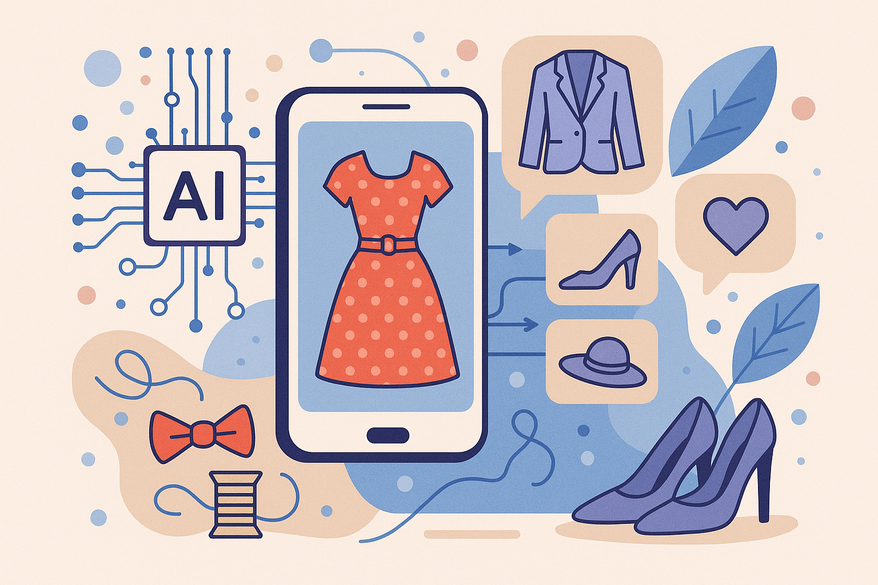
Bespoke style suggestions AI refers to artificial intelligence systems that deliver hyper-personalized fashion and outfit recommendations tailored to an individual’s unique preferences, body type, style history, and context. These smart styling tools use machine learning and computer vision to analyze photos, texts, and wardrobe data for custom looks.
For an all-in-one AI-powered style analytics suite—from trend forecasting to outfit ratings—try Maxx Report, which delivers instant style scores and recommendation feeds.
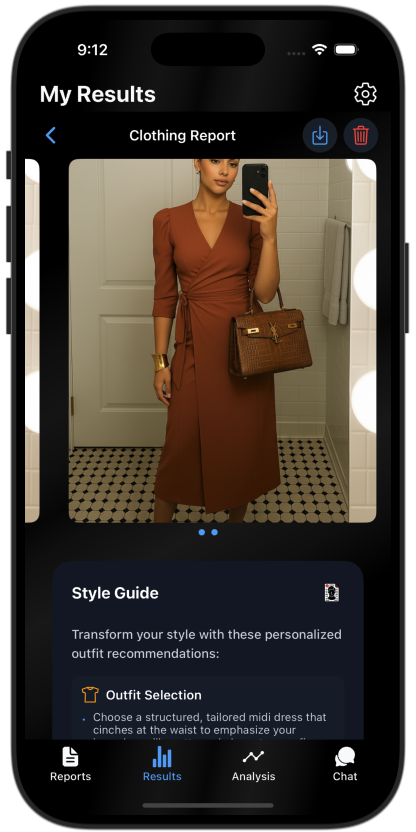
Today’s mobile apps and social media channels drive rising demand for personalized style tips. Consumers expect on-demand advice that aligns with their taste, time constraints, and occasions. As a result, bespoke style suggestions AI platforms are surging in popularity, merging fashion data with deep learning to deliver precise, efficient styling, boosting user engagement and confidence.
In this post, you’ll learn how AI powers custom style suggestions. We will:
- Explore the core mechanics behind these systems.
- Highlight data gathering, learning, and suggestion workflows.
- Examine benefits, challenges, and industry impact.
- Forecast future trends in personalized fashion AI.
Our goal is to show you how bespoke style suggestions AI transforms wardrobes and the wider apparel world.
Background on AI in Styling
Keywords: bespoke style suggestions ai, AI in fashion, machine learning
Core AI technologies power data-driven styling:
- Machine Learning learns from data inputs (images, text) to make predictions.
- Computer Vision analyzes outfit photos and body shapes.
- Natural Language Processing (NLP) interprets user descriptors like “casual beach party.”
These feed into fashion by mining runway imagery, social media feeds, and purchase history. AI processes runway updates and street-style posts faster than humans to forecast next season’s looks. Algorithms then match trends to user profiles for real-time style advice.
Brands call this fusion fashion AI or smart styling, automating trend prediction and boosting design creativity through historical sales data, influencer posts, and global runway reports.
How Bespoke Style Suggestions Work
Keywords: bespoke style suggestions ai, personalized fashion recommendations
Bespoke style AI follows three main stages:
- Data Gathering
- Preference Learning
- Suggestion Generation
Data Gathering
Keywords: data gathering
- User Inputs – Selfies and full-body photos upload to an app; computer vision scans measurements and style cues.
- Textual Inputs – NLP processes descriptions like “business meeting.”
- Social & Wardrobe Integration – AI pulls style history from social media and digital closet inventories.
This rich dataset—images, text entries, and metadata—enables precise analytics and personalized fashion suggestions with minimal manual tagging.
Preference Learning
Keywords: style preferences
- Style DNA – AI builds a dynamic profile capturing favorite colors, brands, cuts, and eras.
- Feedback Loops – Continuous refinement as users like, share, or reject suggestions.
- Engagement Metrics – Likes, shares, and time spent per recommendation inform the model.
This adaptive model ensures that personalized fashion recommendations improve over time, delivering more accurate, on-brand suggestions.
Suggestion Generation
Keywords: virtual try-on
- Real-Time Trend Scanning – AI mines runway, street style, and weather data for emerging looks.
- Outputs – Complete outfit recommendations, mood boards, packing lists, or virtual try-on overlays.
- Use-Case Example – For winter travel, AI suggests layering options using your existing wardrobe and local forecasts.
These suggestions blend current trends with individual style DNA for outfit completeness and confidence. To get started, check out our step-by-step guide.
Data Security & Privacy
Keywords: data security, privacy
- Sensitive Data – AI systems handle personal images and style profiles.
- Best Practices – Encryption, anonymization, and secure APIs protect user data.
- Compliance – GDPR-style consent forms and data deletion options build trust.
Strong privacy measures ensure users share photos and preferences without fear of misuse.
Benefits of Bespoke Style Suggestions AI
Keywords: personalized styling
Personalization
- Tailored Advice – Outfits match body type, color palette, and occasion.
- Higher Engagement – Users see up to 30% more likes and shares on social platforms.
Time-Saving
- Automation – Complete look generation, mood boards, hashtags, and captions in seconds.
- Efficiency – Influencers and busy professionals spend less time planning outfits.
Improved Decision-Making
- Wardrobe Optimization – Avoids duplicate purchases and promotes sustainable remixing of items.
- Real-Time Alerts – Trend notifications help users stay fashion-forward.
Potential Challenges and Considerations
Keywords: ethical AI, data privacy
Technical Limitations
- Nuance Gaps – AI may miss cultural context or artisanal craftsmanship signals.
- Misclassification – Regional dress styles can be mislabeled when training data is sparse.
Ethical & Data Privacy Concerns
- Privacy Risks – Unauthorized use of body scans or social feeds raises concerns.
- Safeguards – Secure APIs, clear privacy policies, and user control over data sharing are essential.
Future Technological Advancements Needed
- Hyper-Personalization – Wearables and AR mirrors for real-time fit adjustments.
- Sustainability Integration – Fabric lifecycle tracking and eco-friendly recommendations.
Industry Impact and Future Trends
Keywords: market trends
Current Industry Impact
- Fast Fashion – Brands like H&M and Zara use AI to streamline supply chains and produce micro-trends.
- High-End Design – Luxury labels leverage AI for collection forecasting and creative brainstorming.
Market Evolution & Predictions
- AR Avatars – Virtual styling via digital twins for online fitting rooms.
- Predictive Branding – Hyper-targeted campaigns based on user data and behavior.
- Growth Projections – Analysts forecast double-digit CAGR for AI styling services. See also AI style trend predictions.
Role of Consumer Feedback
- Feedback Loops – User ratings refine model accuracy over time.
- Eco-Concerns – Consumers shape algorithms to favor sustainable brands and materials.
Conclusion
Bespoke style suggestions AI converts vast data into custom styling, saving time and enhancing decision-making. While challenges remain—such as cultural nuance gaps and privacy concerns—innovations in AR, wearables, and sustainable tracking promise even greater precision and trust.
AI will continue to transform personal wardrobes and the wider fashion industry by blending data-driven insights with creative expertise. How might bespoke style suggestions AI redefine your daily outfit choices? Share your thoughts in the comments below.
Additional Resources
- BeSpoke AI Stylist app – Digital closet organization and virtual try-ons.
- Best AI Styling App 2025 – In-Depth Reviews & Comparison.
- AI Digital Styling Consultant Case Studies – Social media engagement boosts via AI.
FAQ
- Q: How does the AI gather user data?
A: It combines selfies, wardrobe imports, and NLP-processed text inputs to build a comprehensive profile. - Q: What privacy measures protect my images?
A: All photos are encrypted, anonymized, and stored via secure APIs with user-controlled consent. - Q: Can AI truly understand personal style?
A: Through continuous feedback loops and engagement metrics, the system refines its recommendations to match your evolving taste. - Q: Will AI replace human stylists?
A: AI augments creativity by handling data-heavy tasks, allowing stylists to focus on high-level design and personal touches.