Facial Width to Height Ratio: What It Means & Why It Matters
Discover the impact of facial width to height ratio on appearance, attractiveness, and confidence. Learn how to measure and improve your FWHR with Maxx Report.


Estimated reading time: 7 min
Key Takeaways
- Facial width to height ratio (FWHR) is a key facial proportion linked to attractiveness and perceived traits.
- FWHR is easy to measure with modern AI tools like Maxx Report’s facial analysis features.
- Optimizing your FWHR perception can improve first impressions and self-confidence.
- Personalized glow-up plans can help enhance facial proportions with grooming, style, and skincare.
Table of Contents
- Section 1: What is Facial Width to Height Ratio?
- Section 2: Why Does FWHR Matter?
- Section 3: How to Measure FWHR Accurately
- Section 4: Boosting Your FWHR Perception with Maxx Report
- Conclusion
- FAQ
Section 1: What is Facial Width to Height Ratio?
Definition and Calculation
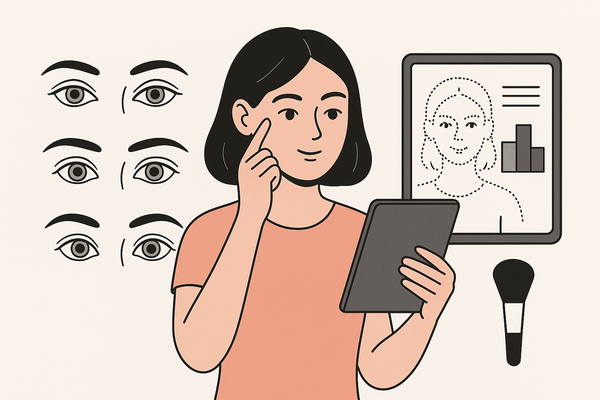
The facial width to height ratio (FWHR) is a measurement comparing the bizygomatic width (distance between the left and right cheekbones) to the upper face height (distance from the upper lip to the highest point of the eyelids). It’s a simple yet powerful metric that plays a big role in facial aesthetics.
- Bizygomatic width: Horizontal distance between cheekbones
- Upper face height: Vertical distance from the upper lip to eyebrow level
FWHR in Facial Analysis
FWHR is one of several facial proportions analyzed in looksmaxxing, along with facial symmetry, jawline definition, and ratios like the golden ratio. Many AI beauty tools, including Maxx Report, automatically calculate your FWHR to deliver objective ratings and personalized improvement plans.
Section 2: Why Does FWHR Matter?
Attractiveness and First Impressions
Research shows FWHR influences how others perceive your attractiveness, dominance, and even trustworthiness. A balanced or slightly higher FWHR is often associated with a more masculine and assertive look, which can impact first impressions.
- Higher FWHR is sometimes linked to leadership qualities and confidence
- Balanced facial ratios can contribute to overall facial harmony
- Facial proportions are key in looksmaxxing and digital makeovers
FWHR in Self-Image and Confidence
Your FWHR not only affects how others see you but also how you see yourself. Understanding your facial metrics can empower you to set targeted goals for your appearance journey.
Curious about how FWHR relates to other facial ratios? Explore our post on the Golden Ratio Face for a deeper dive into the science of facial beauty.
Section 3: How to Measure FWHR Accurately
DIY Measurement Steps
- Take a straight-on, well-lit photo of your face
- Use a ruler or digital tool to measure the width between your cheekbones
- Measure the vertical distance from your upper lip to the top of your eyelids
- Divide width by height to get your FWHR
AI-Powered Facial Analysis
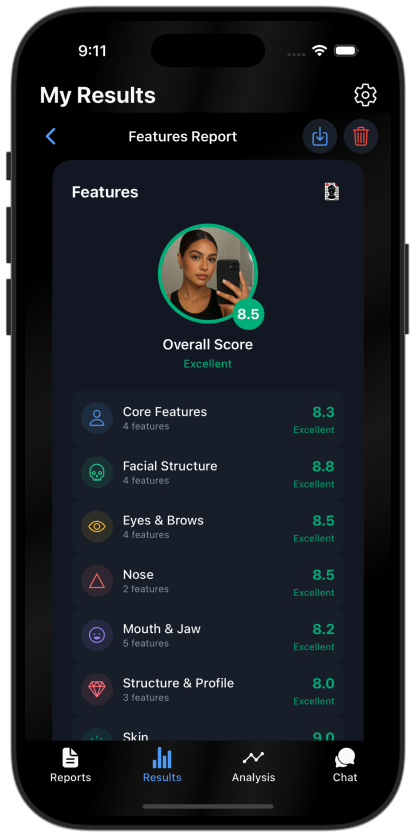
Manual measurements can be tricky and prone to error. That’s why AI-powered analysis is becoming the gold standard. Apps like Maxx Report use advanced computer vision to scan your face, measure FWHR, and assess other features like jawline, skin quality, and symmetry for a comprehensive beauty report.
FWHR Calculator Tools
For a quick calculation, online FWHR calculators are available, but they can’t match the depth of analysis from a full-featured app. See our guide on the FWHR Calculator for step-by-step instructions.
Section 4: Boosting Your FWHR Perception with Maxx Report
Personalized Glow-Up Plans
Once you know your facial width to height ratio, you can take actionable steps to optimize your look. While FWHR itself is largely determined by bone structure, its perception can be enhanced through:
- Hairstyles that frame the face and create balance
- Grooming and beard styles to define the jawline
- Makeup techniques to contour and highlight facial proportions
- Skincare to improve overall facial harmony
Maxx Report generates a tailored transformation plan based on your unique facial metrics, helping you make data-driven changes for a more attractive appearance. The app’s reports also include ratings for symmetry, skin, and jawline—key areas that work together with FWHR for optimal looksmaxxing results.
Integrating FWHR Insights Into Your Routine
With regular analysis, you can track progress and adjust your style as needed. Maxx Report makes it easy to monitor changes over time, ensuring you always put your best face forward.
If you want to learn more about how AI tools are reinventing personal appearance analysis, check out Looksmax AI.
Conclusion
Facial width to height ratio is a foundational aspect of facial aesthetics. Understanding and optimizing your FWHR can boost your appearance, confidence, and how you’re perceived by others. Modern tools like Maxx Report provide accurate analysis and actionable advice, making it easier than ever to achieve your glow-up goals.
FAQ
Q: What is considered an ideal facial width to height ratio?
A:
There’s no single “perfect” FWHR, but ratios around 1.7–2.0 are commonly seen as balanced for men. Individual attractiveness also depends on harmony with other features.
Q: Can I change my FWHR naturally?
A:
Bone structure determines FWHR, but perceived ratio can be enhanced with grooming, hairstyles, and contouring. Maxx Report offers personalized tips for this.
Q: How accurate are AI FWHR measurements?
A:
AI-powered tools like Maxx Report use precise algorithms and facial landmark detection, making them more accurate than manual methods.
Q: Is FWHR the most important factor in facial attractiveness?
A:
It’s one important element, but symmetry, skin quality, and other ratios also play major roles. Comprehensive analysis gives the best results.