What Is Social Media Influencer Style AI? A Complete Guide
Discover how social media influencer style AI transforms digital content creation with scalable, personalized outputs. Learn its benefits, applications, and future trends.

Estimated reading time: 8 minutes
Key Takeaways
- Influencer-style AI leverages ML, NLP, and GANs to mimic authentic social media personas.
- Major benefits include scalable content production, consistent branding, and data-driven targeting.
- Ethical considerations such as transparency, authenticity risks, and bias mitigation are critical.
- Integration involves defining style parameters, evaluating platforms, and monitoring KPIs.
- Future trends point to real-time AR/VR avatars, predictive trend modeling, and metaverse campaigns.
Table of Contents
- Section 1: What Is Social Media Influencer Style AI?
- Section 2: The Rise of AI in Influencer Marketing
- Section 3: Applications and Use Cases
- Section 4: Benefits of Leveraging Social Media Influencer Style AI
- Section 5: Challenges and Ethical Considerations
- Section 6: Tips for Integrating AI into Influencer Strategies
- Section 7: Future Trends in Social Media Influencer Style AI
- Conclusion
Section 1: What Is Social Media Influencer Style AI?
Social media influencer style AI combines machine learning (ML), natural language processing (NLP), and generative adversarial networks (GANs) to replicate an influencer’s unique aesthetic, voice, and engagement patterns. It bridges human creativity with algorithmic precision, enabling scale without losing stylistic coherence.
How it works:
- Data ingestion: Algorithms scrape images, videos, captions, hashtags, and engagement metrics.
- Model training: GANs learn visual styles—color palettes, expressions, backgrounds—while transformer-based LLMs capture tone, slang, and calls to action.
- Content generation: AI produces feed-ready visuals, short-form videos, and captions that mirror the original influencer’s style.
- Personalization: Models tailor content by analyzing audience demographics and behavior for subgroups.
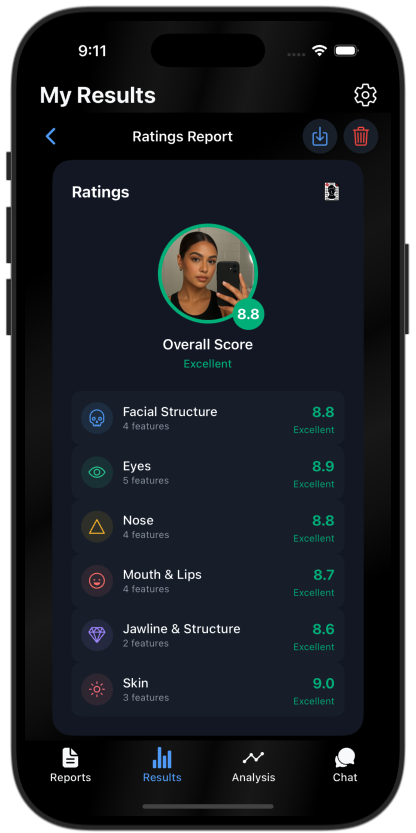
To rate your own influencer-style persona, try Maxx Report:
Section 2: The Rise of AI in Influencer Marketing
Influencer marketing AI has evolved through three eras:
- Early era: manual photography, in-house editing, human-only endorsements.
- Mid-era: analytics platforms, A/B testing, basic video templates.
- Current era: AI-driven ideation, automated content creation, real-time analytics.
Key contributions:
- Audience segmentation: Groups followers by interests, habits, and purchase intent.
- Content ideation: GAN-powered moodboards and NLP trend analysis for topic inspiration.
- Performance measurement: Dashboards track impressions, clicks, and conversions for instant optimizations.
Impact on decision-making:
- Accelerated creative testing reduces time-to-market.
- Data-backed refinements boost engagement and ROI.
- Predictive analytics forecast campaign success before launch.
Section 3: Applications and Use Cases
Case Study 1: Lil Miquela
A virtual influencer with 2.7M followers, blending AI-generated visuals and human oversight. Major partnerships include Dior and Calvin Klein.
Case Study 2: Imma
A Japanese virtual model posting in both Japanese and English, using AI-driven polls and stories for fan engagement.
Tool Spotlight: SynthLife
Creates brand-specific AI avatars for video edits, caption drafting, and trend forecasting, leveraging cultural data for regional alignment.
Chatbot Example: Kuki
An AI-powered responder handling comments and messages 24/7 with an authentic tone.
For more specialized tips, see AI influencer style tips.
Section 4: Benefits of Leveraging Social Media Influencer Style AI
Influencers:
- Efficiency: Consistent posting and engagement without burnout.
- Style consistency: Unified voice and visuals across platforms.
- Data insights: Optimal posting times and formats identified by AI.
Brands and marketers:
- Precise targeting: Persona modeling refines demographics and psychographics.
- Scalability: One pipeline powers multi-platform campaigns.
- Cost savings: Reduced travel and studio costs; VR/AR experiences enabled.
- Higher conversion: Predictive analytics recommend top-performing creative before launch.
Section 5: Challenges and Ethical Considerations
- Authenticity risks: Hyper-realistic AI can mislead followers.
- Uncanny valley: Overly perfect visuals may alienate audiences.
- Creativity dilution: Over-reliance on algorithms can stifle unique voices.
- Transparency imperatives: Disclosing AI usage (e.g., #AIpowered) is essential.
- Bias mitigation: Human oversight corrects skewed outputs and prevents discrimination.
Section 6: Tips for Integrating AI into Influencer Strategies
- Define style parameters: Establish tone, backstory, filters, and personality traits.
- Evaluate platforms: Compare visual editing, voice modules, and scripting flexibility.
- Review case studies: Align AI features with your niche—fashion, lifestyle, or tech.
- Ensure compliance: Verify policies on AI-generated content across Instagram, TikTok, and YouTube.
- Plan gradual scale-up: Start small, monitor KPIs, and expand based on performance.
Adopt a hybrid workflow: use AI for rapid A/B testing and human oversight for final sign-off. Implement quarterly ethics audits and label AI-generated posts to maintain transparency and trust.
Section 7: Future Trends in Social Media Influencer Style AI
- Advanced model integration: Next-gen LLMs and GANs will capture micro-expressions and speech patterns.
- Real-time animation: AR/VR events with AI personas reacting to audience sentiment live.
- Predictive trend modeling: Spotting niche hashtags and formats before they go mainstream.
- Metaverse campaigns: Autonomous AI influencers hosting branded experiences in virtual worlds.
- Hybrid persona cloning: Replicating top personas for regional and language-specific markets.
Conclusion
We’ve defined social media influencer style AI, traced its evolution, and explored real-world applications—from virtual models like Lil Miquela to tools such as SynthLife. We examined benefits like efficiency, consistency, and data-driven targeting, and addressed ethical challenges including authenticity risks and bias mitigation. Our integration tips and future trend insights underscore the necessity of embracing AI-powered influencer strategies to stay competitive.
Now is the time to audit your influencer approach, pilot an AI tool, and position your brand at the forefront of personalized, scalable content creation.
FAQ
- Which platforms support influencer-style AI?
- Major social platforms like Instagram, TikTok, and YouTube offer APIs or integrations for AI-driven filters, video automation, and thumbnail generation.
- How can I maintain authenticity when using AI?
- Adopt a hybrid approach: use AI for rapid testing and drafts, but retain human oversight for final edits and personal touches. Always disclose AI involvement.
- What are the main ethical concerns?
- Key issues include misleading followers with hyper-realistic content, data bias, and the dilution of genuine creativity. Transparency and regular audits help mitigate these risks.
- What future developments should I watch?
- Look for real-time AR/VR avatars, predictive trend detection, and fully autonomous influencers operating in the metaverse.