The Actual Science of What Makes Someone Attractive
Discover the actual science of what makes someone attractive, with insights on facial symmetry, jawline, and AI-powered looksmaxxing. Evidence-based guide.

Estimated reading time: 8 min
Key Takeaways
- The actual science of what makes someone attractive centers on facial symmetry, proportions, and cues of health.
- Jawline definition, skin clarity, and facial harmony are major factors in perceived attractiveness.
- AI looksmaxxing apps like Maxx Report provide objective analysis and personalized improvement plans.
- Attraction is influenced by both biology (evolution, genetics) and culture (trends, symbolism).
- Understanding attractiveness can guide effective, data-driven self-improvement.
Table of Contents
- Section 1: The Building Blocks of Attractiveness
- Section 2: Facial Symmetry and Proportion
- Section 3: Jawline, Skin, and Features—Why They Matter
- Section 4: The Science Behind Looksmaxxing with AI
- Section 5: Cultural and Psychological Factors
- Conclusion
- FAQ
Section 1: The Building Blocks of Attractiveness
Understanding the actual science of what makes someone attractive
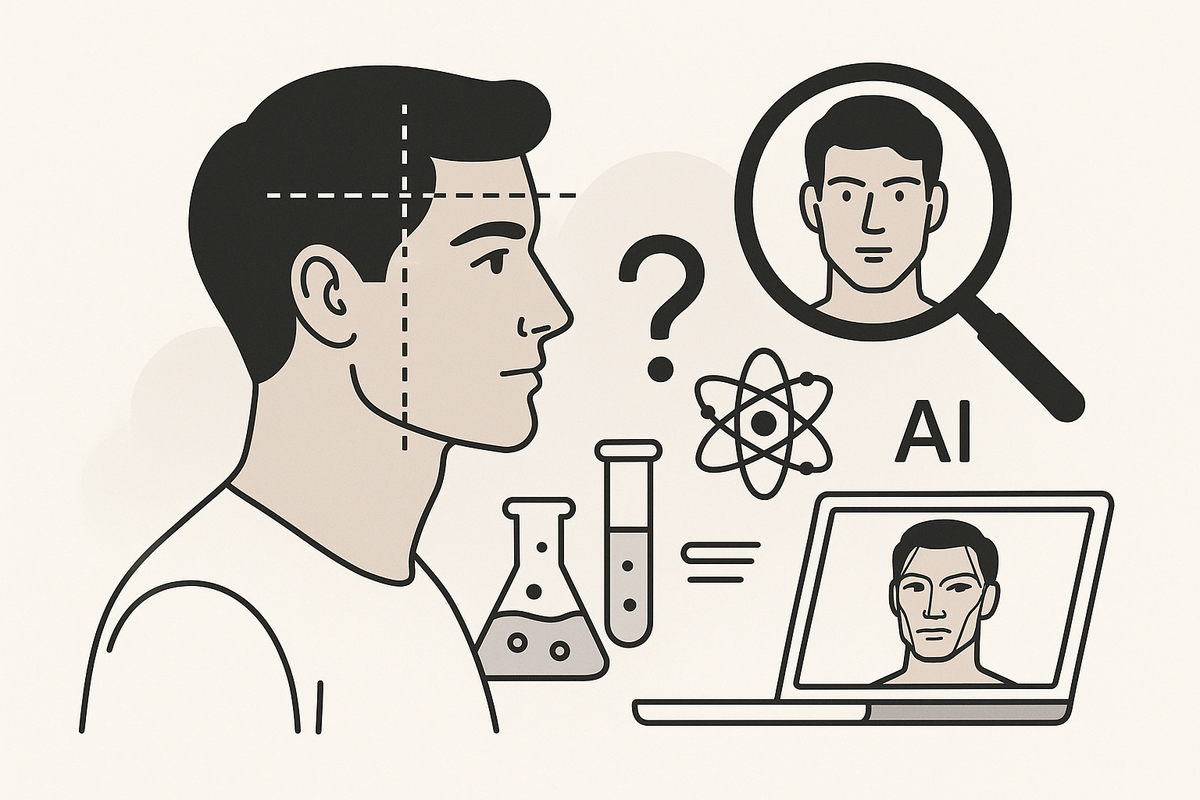
Attractiveness is not just a matter of personal taste or passing trends. Decades of scientific research have identified universal traits that play a crucial role in how attractive a face appears. These building blocks include:
- Facial symmetry: Evenness between the left and right sides of the face.
- Proportionality: How facial features relate to each other in size and placement.
- Signs of health: Clear skin, bright eyes, and facial cues that suggest vitality.
These factors are rooted in evolution and biology, signaling genetic fitness and health to potential mates. While cultural influences shape trends, the science points to deeper, cross-cultural consistencies.
Section 2: Facial Symmetry and Proportion
The Golden Ratio and its impact on attractiveness
One of the most referenced concepts in the science of attractiveness is the Golden Ratio. This mathematical ratio (approximately 1.618:1) has been found in nature, art, and—crucially—in aesthetically pleasing faces.
- Studies show that faces with proportions closer to the Golden Ratio are consistently rated as more attractive.
- Symmetrical faces are perceived as healthier and more trustworthy.
For a deeper dive, see our post on the Golden Ratio Face: The Science of Perfect Facial Proportions.
AI analysis: Measuring symmetry and proportions
Modern AI analysis, like that in the Maxx Report app, can objectively assess facial symmetry and measure proportions with precision beyond what the human eye can detect. This enables:
- Personalized attractiveness ratings
- Targeted improvement plans based on scientific criteria
Section 3: Jawline, Skin, and Features—Why They Matter
The science behind facial features
Research shows that certain facial features are consistently linked to perceived attractiveness:
- Jawline: A well-defined jawline is associated with strength, youth, and health.
- Skin clarity: Even, clear skin signals good health and genetic quality.
- Eye and lip shape: Large, evenly spaced eyes and full lips have cross-cultural appeal.
These traits may influence subconscious mate selection, as they historically signaled a lower risk of disease and higher fertility.
AI-powered rating: Objective feature analysis
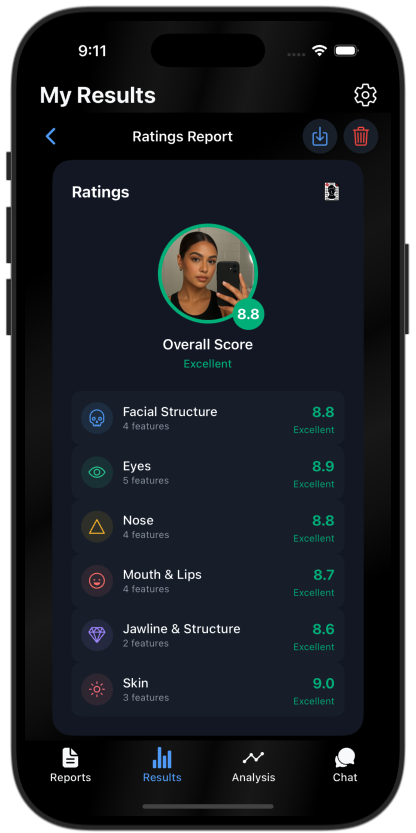
Apps like Maxx Report scan your face, analyzing jawline definition, skin quality, and feature symmetry to provide an evidence-based assessment. Users receive actionable insights for their individual "glow-up" journey.
Section 4: The Science Behind Looksmaxxing with AI
What is looksmaxxing and how does AI enhance it?
"Looksmaxxing" refers to optimizing your appearance using evidence-based strategies—from grooming and skincare to facial exercises and style upgrades. AI-powered apps have elevated this process by:
- Providing unbiased, data-driven evaluations
- Generating personalized transformation plans
- Tracking progress over time with measurable metrics
For example, Maxx Report doesn’t just rate your looks—it offers tailored advice on how to improve based on actual scientific analysis.
Related reading
Want to understand how AI recommendations work? Check out How Do Automated Beauty Recommendations Work? Explained Simply for an inside look at the tech behind the insights.
Section 5: Cultural and Psychological Factors
The role of culture in defining beauty
While biology sets the foundation, culture influences the specifics of what is considered attractive. For example:
- Trends in makeup, hairstyles, and fashion shift over time and across societies.
- Symbolism (like "hunter eyes" or high cheekbones) can gain popularity based on media and social narratives.
Maxx Report goes beyond raw data by analyzing trends and symbolism, providing culturally relevant suggestions for your transformation plan. For more on feature-specific attractiveness, see our article on Hunter Eyes: Definition, Benefits, and How to Achieve Them.
Psychological impact of attractiveness
Attractiveness can influence self-esteem, social interactions, and even career opportunities. Understanding the science behind it enables you to focus on aspects you can improve, boosting confidence and self-presentation.
Conclusion
The actual science of what makes someone attractive is a blend of biology, mathematics, and culture. Facial symmetry, proportionality, jawline definition, and skin health are key pillars supported by research. By leveraging AI-powered looksmaxxing tools like Maxx Report, you can objectively assess your strengths, target areas for improvement, and follow a personalized transformation plan rooted in evidence—not guesswork.
FAQ
Q: Can you really measure attractiveness scientifically?
A: Yes. While beauty has subjective elements, science has identified measurable factors—like symmetry, proportions, and skin health—that consistently influence attractiveness across cultures.
Q: How does Maxx Report analyze my face?
A: Maxx Report uses AI to scan your facial features, assessing symmetry, jawline, proportions, and skin clarity to generate a personalized attractiveness rating and improvement plan.
Q: Do cultural trends affect the science of attractiveness?
A: Cultural trends influence the specifics of what is considered attractive, but the underlying scientific principles (like symmetry and proportion) remain remarkably consistent worldwide.
Q: What’s the first step to improving my attractiveness?
A: Start by understanding your facial features with an objective tool like Maxx Report, then follow a data-backed plan tailored to your unique strengths and opportunities.