Aesthetics and Predictive Styling Consultant: How AI Shapes Your Look
Explore how an aesthetics and predictive styling consultant uses AI, trend forecasting, and data to personalize your style and transform your look.


Estimated reading time: 18 min
Key Takeaways
- An aesthetics and predictive styling consultant blends art and data to craft personalized style strategies that are visually compelling and informed by trend analysis.
- AI, trend forecasting, and consumer behavior analysis support predictive styling by providing insights into evolving fashion landscapes and individual client needs.
- Color, silhouette, fabric, and texture forecasting are tools shaping styling recommendations, helping consultants anticipate and incorporate emerging themes.
- Personalized wardrobe insights and style archetypes help clients express unique identities while considering upcoming trends.
- Styling consultants translate forecasts and AI insights into actionable plans for brands and individuals, facilitating confident style evolution.
Table of Contents
- Section 1: Defining Aesthetics and Predictive Styling Consulting
- Section 2: AI and Data in Predictive Styling
- Section 3: Fashion Trend Signals and Forecasting
- Section 4: Color, Silhouette, and Fabric Forecasting Techniques
- Section 5: Personalization and Style Archetypes
- Section 6: Tools, Workflows, and Client Recommendations
- Conclusion
- FAQ
Section 1: Defining Aesthetics and Predictive Styling Consulting
What is an Aesthetics and Predictive Styling Consultant?
An aesthetics and predictive styling consultant is a professional who combines the traditional art of visual aesthetics with data analysis to craft personalized style solutions. Unlike conventional stylists who often focus primarily on current trends or client preferences, predictive styling consultants may leverage emerging technologies—such as artificial intelligence and data analytics—to anticipate fashion trajectories months or even years ahead.
For example, a consultant might analyze a client’s facial symmetry, skin tone, and body proportions and then consider these attributes alongside upcoming seasonal trends forecasted by AI-driven platforms. This approach aims to provide tailored recommendations that flatter the client now and consider how their wardrobe might remain relevant as trends evolve.
Distinction Between Aesthetics and Predictive Styling
Aesthetics refers to the principles and philosophy of beauty and design that govern how visual elements—such as color, form, texture, and balance—are perceived and harmonized. It is fundamentally about creating an appealing, cohesive, and authentic look that resonates with an individual’s identity.
In contrast, predictive styling integrates this artistic foundation with a forward-looking approach. It involves analyzing datasets—including runway trends, consumer purchasing behavior, and cultural shifts—to anticipate which styles, colors, and materials may gain prominence. Predictive styling aims to help clients and brands prepare their wardrobe or product lines proactively, rather than reactively, aligning with fashion’s dynamic nature.
To illustrate, while aesthetics might emphasize selecting colors that complement a client’s skin undertones, predictive styling may advise the use of those colors within fabrics or silhouettes that AI forecasts as trending for the next season, thus combining timeless beauty principles with temporal relevance.
Scope of Services
- Client Analysis: Assessment of facial features (e.g., bone structure, symmetry), body shapes (hourglass, rectangle, pear, etc.), and personal style preferences through consultations and AI-powered imaging.
- AI-Driven Recommendations: Utilizing platforms like Maxx Report to generate data-informed transformation plans that suggest grooming, makeup, and clothing adjustments tailored to enhance natural features.
- Trend Forecasting: Monitoring and interpreting data from runway shows, street style trends, social media analytics, and retail sales to identify emerging patterns and consumer sentiment shifts.
- Personalized Style Roadmaps: Developing strategic plans combining current aesthetics with predicted trends, including wardrobe curation, shopping guides, and styling tips to optimize client investment.
This methodology aims to help clients look their best today and maintain a style edge as fashion evolves, fostering confidence and authenticity over time.
Section 2: AI and Data in Predictive Styling
How AI Enhances Predictive Styling
Artificial intelligence has influenced the styling landscape by enabling consultants to process and analyze large datasets with speed and precision. AI algorithms can scan thousands of images, runway datasets, and consumer interactions daily, detecting patterns and emerging trends.
For instance, facial recognition and analysis AI can measure parameters such as jawline sharpness, cheekbone prominence, skin texture uniformity, and facial symmetry. These metrics can be used to recommend grooming techniques, haircut styles, makeup palettes, or accessory choices tailored to enhance a client's features.
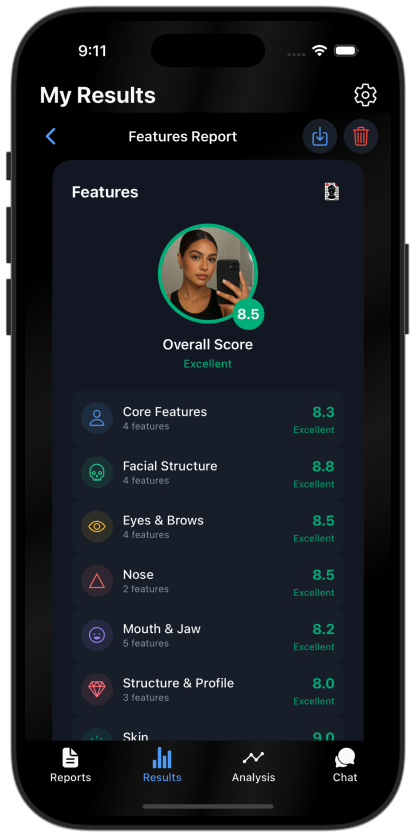
Maxx Report’s AI tools provide clients with facial feature ratings and personalized glow-up plans that identify areas for improvement and suggest actionable steps. This creates a data-informed foundation for styling decisions, aiming to reduce guesswork and enhance client trust.
Data Sources for Trend Forecasting
- Runway Collections: Designer showcases highlight new silhouettes, constructions, and thematic inspirations. AI analyzes color schemes, garment shapes, and detailing trends across multiple shows to identify converging patterns.
- Street Style Analytics: Real-world fashion interpretations are captured via social media platforms (Instagram, TikTok, Pinterest) and urban photography. AI tools track hashtags, image recognition, and engagement metrics to assess which looks resonate with consumers.
- Social Media Behavior: Likes, shares, comments, and influencer content provide feedback on emerging preferences. AI sentiment analysis helps distinguish between fleeting fads and sustainable trends.
- Search and Purchase Data: Analysis of search engine queries and e-commerce sales reveals consumer interest for specific items, colors, or fabrics, offering predictive insights into market shifts.
- Global Cultural Events: AI may incorporate data from social, political, and economic developments that influence consumer mindset and fashion choices, such as sustainability movements or technological innovations.
Benefits of AI-Driven Styling
Leveraging AI offers several advantages to styling consultants and their clients:
- Objective Assessments: AI can quantify facial and body features, enabling identification of styling opportunities.
- Enhanced Forecast Accuracy: By analyzing large datasets, AI may improve the reliability of trend predictions, allowing consultants to advise proactive wardrobe updates.
- Personalized Recommendations: AI can tailor style suggestions that align with clients’ physical attributes and preferences, potentially improving satisfaction and confidence.
- Efficiency: Automating data analysis allows consultants to focus on creative interpretation and client engagement.
- Scalability: AI-powered apps can serve a broader client base with consistent quality and insights.
The integration of AI within aesthetics consulting is increasingly common for delivering customized style advice that blends art with data.
Maxx Report’s face features analysis screenshot below illustrates how AI evaluations support transformation plans:
Section 3: Fashion Trend Signals and Forecasting
Runway and Designer Influence
Runway shows remain an important origin point for trend signals, where designers unveil creative visions that often set the tone for the season. Predictive styling consultants analyze these showcases for elements such as color, silhouette, fabric treatments, embellishment techniques, and accessory pairings.
For example, if multiple designers emphasize exaggerated shoulders or asymmetrical cuts, consultants may interpret this as an impending silhouette shift. They then translate these insights into practical recommendations: suggesting clients experiment with structured blazers or one-shoulder tops, anticipating market availability.
Consultants also consider the socio-political context influencing designers—such as sustainability themes or cultural heritage motifs—to understand the potential longevity and impact of certain trends.
Street Style as a Real-Time Barometer
Street style represents fashion’s grassroots, where trends are tested and personalized by consumers and influencers. Monitoring it provides consultants with early signals of trend adoption or rejection.
Social media platforms like Instagram and TikTok offer extensive street style data. AI-powered image recognition and hashtag tracking reveal which looks generate engagement, enabling consultants to spot microtrends. For instance, the rise of Y2K fashion elements—such as low-rise jeans and butterfly clips—was first evident in street style before mainstream runway adoption.
Consultants use this knowledge to advise clients on timely trend integration while balancing personal style authenticity.
Search Behavior and Consumer Data
Analyzing search engine queries and e-commerce purchase data offers insight into consumer demand and anticipation. For example:
- Example 1: A surge in searches for "oversized blazers" over a quarter may indicate a revival of 1980s-inspired power dressing, prompting consultants to recommend such pieces for clients aiming for a bold, contemporary look.
- Example 2: Increasing consumer interest in "organic cotton" or "recycled nylon" fabrics reflects growing eco-consciousness, guiding consultants to prioritize sustainable wardrobe additions aligned with values-driven fashion.
By synthesizing runway signals, street style, and consumer data, predictive styling consultants develop forecasts that balance innovation with wearability, aiming to ensure recommendations are both current and practical.
Section 4: Color, Silhouette, and Fabric Forecasting Techniques
Color Forecasting and Seasonal Palettes
Color forecasting interprets cultural moods, global events, and historical cycles to predict trending hues. Consultants rely on sources such as Pantone’s Color of the Year announcements, which synthesize global design inputs, as well as AI-driven sentiment analysis of social media and retail data.
For example, increased awareness of climate issues may drive demand for earthy greens and blues, while post-pandemic optimism might favor vibrant, saturated colors. Consultants monitor these macro trends and translate them into seasonal palettes that clients can integrate through clothing, accessories, or makeup.
They also consider how colors interact with individual skin tones, hair color, and eye color, aiming to ensure the chosen hues enhance natural beauty while aligning with trend direction.
Silhouette Prediction
Silhouette forecasting involves analyzing shapes and cuts presented on runways and interpreted through street style, then projecting which forms may dominate consumer wardrobes. Consultants assess whether trends lean towards voluminous, oversized garments, sharply tailored pieces, or minimalist streamlined fits.
For instance, the shift towards relaxed tailoring seen in recent collections suggests a move away from rigid fits to more comfortable, versatile shapes. This informs client recommendations such as adopting tailored joggers or loose blazers over slim-cut trousers.
Additionally, silhouette forecasts influence accessory and footwear choices, as proportions should harmonize across the entire outfit.
Fabric and Texture Trends
Fabric forecasting is important in understanding aesthetic appeal, functionality, and cultural relevance. Consultants track innovations from fabric trade shows, designer collections, and emerging consumer preferences.
Examples of trending fabrics include:
- Recycled nylons: Highlighting sustainability by reusing materials without sacrificing durability.
- Organic cotton blends: Offering eco-friendly, breathable options favored by conscious consumers.
- Metallic finishes: Providing futuristic, eye-catching textures suitable for statement pieces.
Texture forecasts might highlight velvet’s resurgence for its tactile richness or mesh layering techniques for their edgy, breathable qualities.
Incorporating these elements helps ensure style recommendations consider visual themes as well as tactile sensations and performance features.
Section 5: Personalization and Style Archetypes
Understanding Aesthetic Drivers
Personal aesthetics are influenced by an individual’s personality, lifestyle, cultural background, and aspirations. Predictive styling consultants explore these drivers through:
- In-depth interviews: Understanding client values, daily routines, and style goals.
- AI facial analysis: Assessing features to guide flattering choices.
- Wardrobe audits: Evaluating existing pieces to identify strengths, gaps, and alignment with predicted trends.
This approach allows consultants to craft style solutions that resonate personally while being forward-thinking.
Common Style Archetypes
- Maximalist: Embracing bold, layered looks with rich color contrasts and mixed textures. Clients attracted to this archetype often enjoy making a statement and experimenting with avant-garde pieces.
- Retro: Nostalgic styles referencing specific decades (e.g., ’70s boho or ’90s grunge) updated with modern tailoring and fabric technology to avoid looking dated.
- Minimalist: Favoring clean lines, monochromatic palettes, and subtle detailing. Minimalists seek timeless pieces that emphasize quality and fit over embellishment.
- Futuristic: Characterized by innovative materials (such as tech fabrics), sharp silhouettes, and tech-inspired accessories, appealing to clients drawn to experimental fashion.
Recognizing these archetypes helps consultants align clients’ wardrobes with both their personal identity and predicted trends, facilitating a coherent style narrative.
Wardrobe and Closet-Based Recommendations
Rather than advocating wholesale wardrobe replacements, consultants integrate predictive forecasts with existing client closets. This approach optimizes outfit combinations and identifies strategic additions that bridge current looks with upcoming trends.
For example, a client with a minimalist wardrobe might be advised to introduce a few statement accessories in trending colors or fabrics to refresh outfits without drastic investment. Conversely, a maximalist might benefit from streamlining certain elements to maintain balance amid evolving silhouettes.
Personalization is further supported through tools like Maxx Report’s AI glow-up tips (AI Glow Up Tips That Work), which offer data-driven insights tailored to individual features and style goals, enabling clients to embrace transformation plans confidently and sustainably.
Section 6: Tools, Workflows, and Client Recommendations
Styling Consultant Toolkits
- AI-Powered Facial and Body Analysis Apps: Platforms like Maxx Report provide assessments of facial symmetry, skin health, and body proportions to inform personalized styling.
- Trend Forecasting Platforms: Aggregators that compile runway data, social media trends, and retail analytics to identify emerging fashion movements.
- Color Analysis Software: Tools that match client skin tones with seasonal palettes, ensuring color choices enhance natural features and align with trends.
- Digital Mood Boards and Styling Apps: Collaborative platforms for visualizing outfit combinations, sharing inspiration, and receiving client feedback efficiently.
Workflow from Forecast to Recommendation
The consultant’s process typically follows these steps:
- Client Data Collection: Gathering biometric data, style preferences, lifestyle information, and wardrobe inventories through interviews, questionnaires, and AI analysis.
- Trend Overlay: Integrating current and predictive trend data—covering color, fabric, silhouette, and cultural influences—to contextualize styling options.
- Strategy Development: Crafting a tailored style roadmap that aligns aesthetics with forecasted trends, including grooming, wardrobe edits, and accessory suggestions.
- Client Collaboration: Presenting recommendations through digital mood boards or in-person consultations, iterating based on feedback.
- Implementation Support: Assisting clients with shopping, outfit assembly, and transformation tracking to support confidence and satisfaction.
Use Cases for Brands and Personal Styling
Beyond individual clients, predictive styling insights can inform brand strategies by helping minimize design risk and align collections with consumer demand, potentially enhancing sales performance and brand relevance.
Personal stylists utilize these insights to empower clients with looks that are current and aligned with their evolving identities and lifestyles, fostering a sense of empowerment and authenticity.
For those interested in exploring AI-driven transformation, Maxx Report offers reports that rate facial features and provide personalized glow-up plans grounded in predictive styling principles, enabling consultants and clients to navigate style evolution with confidence.
Conclusion
Becoming an aesthetics and predictive styling consultant involves balancing the art of beauty with data-informed fashion forecasting. By integrating AI-powered analysis, multi-source trend signals, and personalized style archetypes, consultants can craft recommendations that serve individuals and brands. Tools like Maxx Report can enhance the precision and creativity of styling advice and support clients in pursuing confident, authentic style journeys that consider both timelessness and emerging trends.
FAQ
Q: What does an aesthetics and predictive styling consultant do?
A: They analyze visual beauty principles and use data-driven trend forecasting to create personalized style solutions that consider both current appeal and potential future relevance.
Q: How does predictive styling work in fashion?
A: Predictive styling combines AI, consumer data, runway and street style analysis to forecast upcoming trends and tailor styling recommendations accordingly, supporting proactive wardrobe and image planning.
Q: What data do style consultants use to forecast trends?
A: Consultants use diverse data sources including runway shows, street style images, social media behavior, search queries, sales figures, and cultural event analysis to identify and predict fashion trends.
Q: Can AI predict fashion and aesthetic trends accurately?
A: AI can enhance accuracy by analyzing large, multifaceted datasets, helping anticipate style shifts and delivering personalized recommendations based on available data and real-time insights.
Q: What’s the difference between a personal stylist and a trend forecaster?
A: A personal stylist focuses on the current needs and appearances of individual clients, styling them based on existing trends and preferences, while a trend forecaster predicts future fashion movements to guide styling and product development for clients or brands.
Q: How do I become an image consultant or fashion trend consultant?
A: Gain expertise in fashion, aesthetics, and data analytics, familiarize yourself with AI styling tools like Maxx Report, and build experience forecasting trends and consulting clients to develop a well-rounded predictive styling skill set.