ai attractiveness test: How It Works and How to Use It Effectively
Discover how an ai attractiveness test analyzes your facial features, symmetry, and proportions to rate your looks and offer personalized improvement tips.

Estimated reading time: 18 min
Key Takeaways
- An AI attractiveness test uses facial landmark detection to rate your looks based on symmetry, proportions, skin smoothness, and more, analyzing numerous points for an evaluation.
- Uploading the right photo — a well-lit, front-facing selfie with hair off the forehead — is important for a more accurate score; deviations can affect results.
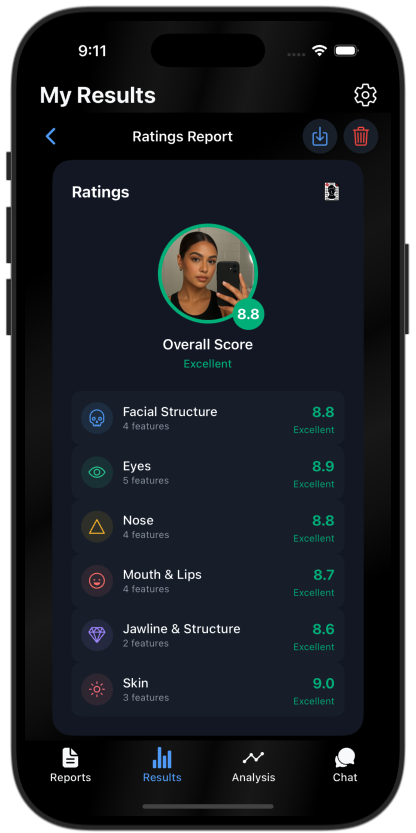
- Multi-dimensional ratings may include beauty, handsomeness, cuteness, face shape, and perception traits like confidence and approachability, providing a broader view of attractiveness.
- Many AI tools calculate scores using metrics like the golden ratio, facial thirds, jawline sharpness, and canthal tilt, often referencing established standards of beauty.
- Privacy-conscious, browser-based AI attractiveness tests may require no sign-up and process images locally, helping to protect user data.
- Personalized feedback can help users optimize their profile photos and plan targeted glow-ups for social and dating impressions, including grooming, skincare, and styling suggestions.
Table of Contents
- Section 1: Understanding What an AI Attractiveness Test Is
- Section 2: How AI Calculates Your Attractiveness Score
- Section 3: Best Practices for Photo Uploads in AI Tests
- Section 4: Multi-Dimensional Facial Ratings Explained
- Section 5: Privacy and Accessibility in AI Attractiveness Tools
- Section 6: Using AI Scores for Profile and Glow-Up Optimization
Section 1: Understanding What an AI Attractiveness Test Is
What Is an AI Attractiveness Test?
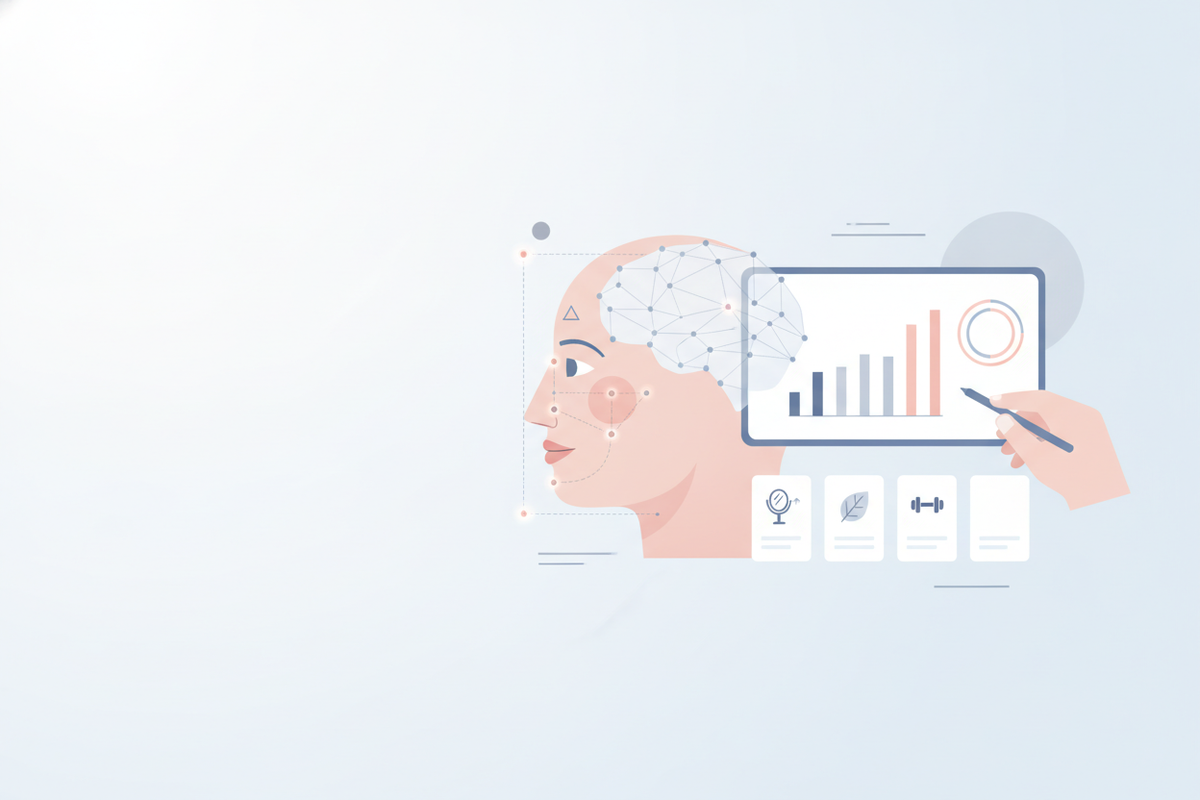
An AI attractiveness test is a technology-driven tool that analyzes facial features and proportions using artificial intelligence algorithms to produce a quantified attractiveness score. It leverages computer vision techniques to detect various facial landmarks and assess symmetry, balance, and other beauty-related metrics. These systems often use deep learning models trained on datasets of faces to understand and quantify features commonly associated with attractiveness.
For example, Maxx Report uses a convolutional neural network combined with facial landmark detection to map hundreds of points on your face, including details like the curvature of your lips, the angle of your cheekbones, and the contours of your jawline. This level of precision aims to provide nuanced insights rather than a simple numeric score.
Why Are AI Attractiveness Tests Popular?
With the rise of social media and dating apps, many users seek objective feedback on their looks to improve their online presence and self-confidence. AI tests provide instant, data-backed evaluations that aim to reduce subjective bias, offering an alternative to traditional human judgment. They also often provide personalized recommendations for appearance improvements, making them popular for self-improvement and profile optimization.
In particular, younger demographics and professionals in image-conscious industries use these tools to gain insights that can help with branding and personal marketing. The appeal lies in the combination of speed, privacy, and actionable feedback, which traditional beauty consultants or human raters may not provide as efficiently.
How Does It Differ from Traditional Beauty Assessments?
Unlike subjective human judgments influenced by cultural, personal, and situational biases, AI tests use measurable facial ratios, proportions, and landmark points to assess attractiveness. This offers a more standardized and repeatable evaluation across diverse users and photo conditions.
Traditional assessments often rely on subjective opinions or expert panels, which can be inconsistent or influenced by mood, personal taste, or social factors. In contrast, AI algorithms apply the same criteria uniformly, making the results more comparable across different individuals.
Furthermore, AI tests can analyze subtle details that may be difficult to perceive, such as minor asymmetries, and correlate these with datasets to infer attractiveness trends. This depth of analysis may enhance their usefulness.
Section 2: How AI Calculates Your Attractiveness Score
Facial Landmark Detection and Measurements
At the core of AI attractiveness tests are facial landmark detection algorithms, which identify key points on the face — nose tip, eyes corners, jawline edges, lips, and more. For example, tools like Maxx Report detect hundreds of points to map your face with precision, capturing intricate details such as the curvature of the upper lip, the spacing between eyes, and the angle of the eyebrows.
These landmarks are essential for calculating proportions, symmetry, and feature-specific attributes. The process usually involves several steps: first, face detection isolates the facial region from the image; then, landmark detection pinpoints exact coordinates for each facial feature; finally, these points feed into algorithms that measure distances, angles, and ratios.
Symmetry and Proportions
- Facial Symmetry: AI compares the left and right sides of your face, as symmetry is often linked to perceived attractiveness. For example, the algorithm might overlay a vertical midline and measure the deviation of key points on each side. A more symmetrical face may score higher, but minor asymmetries common in natural faces are also considered.
- Golden Ratio: Many AI systems reference the golden ratio (approximately 1.618) to assess proportions between facial features, such as nose length to face height or mouth width to nose width. For instance, if the distance from the pupil to the corner of the mouth divided by the distance from the pupil to the chin approximates 1.618, the feature is considered proportioned according to this standard.
- Facial Thirds: The face is divided vertically into upper (hairline to eyebrows), middle (eyebrows to base of nose), and lower thirds (nose base to chin), and the balance among these is evaluated. Balanced thirds align with classical beauty standards.
Specific Feature Scoring
AI systems rate individual facial attributes like jawline sharpness, canthal tilt (angle of the eyes), lip fullness, and nose shape. For instance, a defined jawline may influence masculinity or attractiveness scores. The canthal tilt—measured by the angle between the inner and outer corners of the eyes—is associated with approachability and youthfulness; an upward tilt often scores higher.
Other features include eyebrow arch shape and thickness—thicker, well-shaped brows are often linked to attractiveness—nose width relative to face width, and lip symmetry. Each attribute is scored on a scale, and these combine into the overall attractiveness rating.
Skin Smoothness and Texture
Beyond shape, skin quality is analyzed using image processing techniques that examine smoothness, blemishes, and evenness. The AI evaluates the distribution of highlights and shadows on the skin surface, detecting wrinkles, acne, scars, or discoloration. Clear, smooth skin can positively impact the overall score, as it signals health and youthfulness.
Some models also assess skin tone uniformity and pore visibility, correlating these with attractiveness metrics. For example, a user with minimal visible pores and even skin tone may receive a higher score in the skin smoothness category, which can contribute to perception scores.
Perception Traits
Some AI tools estimate traits like confidence, approachability, and trustworthiness based on facial expressions and subtle feature cues, enhancing the multidimensional attractiveness profile. These are derived from micro-expressions, eyebrow position, mouth shape, and eye openness.
For instance, a slight smile combined with raised eyebrows can signal openness and friendliness, boosting approachability ratings. Conversely, a neutral or stern expression may reduce perceived confidence or trustworthiness. These perception traits offer social insights beyond raw facial geometry.
Section 3: Best Practices for Photo Uploads in AI Tests
Photo Requirements for Accurate Scoring
AI attractiveness tests rely heavily on the quality and correctness of your submitted photo. To maximize accuracy:
- Front-Facing Selfie: The photo should show your face directly facing the camera, without tilt or angle. Even a slight head turn or tilt can misalign facial landmarks and affect symmetry calculations.
- Good Lighting: Even, natural lighting without harsh shadows or overexposure helps the AI detect landmarks clearly. Soft daylight near a window is ideal. Avoid overhead or side lighting that creates shadows obscuring features.
- Neutral Expression: A relaxed, neutral facial expression helps ensure unbiased feature measurement. Smiling or frowning can alter facial proportions temporarily and affect perception trait assessments.
- Hair Off Forehead: Hair should be pulled back or parted to reveal the full facial structure. Bangs or loose hair covering the forehead or cheeks can block landmark detection and reduce scoring accuracy.
- High Resolution: A crisp, sharp image prevents errors in landmark detection. Blurry or pixelated photos can cause misidentification of facial points.
Common Photo Mistakes to Avoid
- Side profiles or angled shots that obscure facial symmetry, which prevent accurate measurement of left-right balance.
- Photos with sunglasses, hats, or heavy makeup that distort natural features. Accessories can block key landmarks or alter skin texture analysis.
- Low-light or grainy images that reduce feature clarity, leading to inaccurate or failed landmark detection.
- Use of filters or beauty apps that artificially change facial proportions or smoothness, which can mislead the AI and skew results.
Example of an Ideal Photo Setup
Use a smartphone camera in daylight near a window, with your hair tucked behind your ears and a clean, uncluttered background. Position the camera at eye level to avoid distortion. Avoid selfies with filters or stickers that alter your appearance. Consider using the timer function to ensure steady positioning and avoid camera shake.
Additionally, remove glasses and makeup if possible, especially foundation or contouring products that can affect skin texture analysis. Wearing minimal or no makeup allows the AI to assess your natural skin condition more accurately.
Section 4: Multi-Dimensional Facial Ratings Explained
Beauty, Handsomeness, and Cuteness Scores
AI attractiveness tests often break down your overall score into different dimensions to capture diverse aspects of facial appeal:
- Beauty: General aesthetic appeal based on symmetry, proportions, and adherence to classical standards of attractiveness. This score encompasses overall facial harmony.
- Handsome: Masculinity-related traits such as jawline definition, brow prominence, and facial hair presence or quality. This dimension reflects traditional male attractiveness markers.
- Cuteness: Traits associated with youthfulness and softness, such as larger eyes, fuller cheeks, and rounder face shapes. This score reflects features that evoke nurturing or affectionate responses.
By separating these components, AI tests provide nuanced feedback that can help users understand which aspects of their appearance dominate and which may be enhanced to achieve a desired look.
Face Shape and Balance
AI evaluates your face shape—commonly categorized as oval, square, heart, round, or diamond—and how balanced your features are within that shape. For example, an oval face with balanced forehead and jawline widths and proportionate cheekbones is often rated highly.
This assessment helps identify flattering hairstyles, beard styles, and contouring techniques. For instance, a square face might benefit from softer, layered haircuts to add curves, while a round face may gain definition with angular styles.
Maxx Report and similar tools often include personalized recommendations for styling based on these shape analyses, enabling targeted transformations.
Skin Smoothness and Facial Texture
Skin texture and smoothness scores assess clarity and healthiness of the skin, which contribute to perceived attractiveness. The AI analyzes pore visibility, wrinkle depth, blemish presence, and color uniformity.
For example, a user with even skin tone, minimal blemishes, and low pore visibility may receive higher marks, while those with visible acne or scars may see lower scores. This evaluation can guide skincare priorities and product selection for improvement.
Perception-Based Traits
Beyond physical measurements, some AI tests rate personality impressions from your photo, including:
- Confidence: Judged by eye openness, mouth curvature, and facial muscle tension.
- Smartness: Inferred from subtle eye and brow positioning patterns linked to intelligence cues.
- Trustworthiness: Derived from smile genuineness and eye contact signals.
- Approachability: Based on overall facial warmth and openness cues.
These traits add valuable insight for social and professional image optimization. For example, a high trustworthiness score may benefit job interviews, while approachability can enhance social interactions.
Section 5: Privacy and Accessibility in AI Attractiveness Tools
Browser-Based vs. App-Based Tests
Many modern AI attractiveness tests run directly in your web browser, eliminating the need for app downloads or account creation. This improves accessibility and ease of use, enabling instant testing from any device with a camera and internet connection.
Browser-based tests also reduce friction by avoiding storage of personal data on third-party servers, which appeals to privacy-conscious users. They typically leverage WebAssembly and client-side AI models to process images locally.
Privacy-Focused Local Processing
Leading platforms, including Maxx Report, use local image processing on your device so photos do not leave your computer or phone. This helps protect user privacy and aligns with data protection best practices such as GDPR.
Local processing also speeds up result delivery since data does not need to upload and download from remote servers. Users benefit from immediate feedback without concerns about image misuse or data breaches.
No Sign-Up Required
To encourage quick testing and reduce barriers, some AI tools allow anonymous usage with no sign-up, password, or email required. This fosters a low-commitment environment where users can experiment freely without privacy trade-offs.
Maxx Report exemplifies this approach, providing a seamless experience where users simply upload a photo and receive a detailed report within seconds.
Comparison of Top AI Attractiveness Tests
- Maxx Report: Offers a comprehensive, privacy-focused test with detailed facial landmarks and personalized plans, combining precise measurement with actionable advice.
- Other tools often use simpler landmark sets (20-68 points) and offer scores on scales from 1–10 to 0–100 or percentage form, providing quicker but less detailed feedback.
- Some tools also integrate astrology, dreams, and symbolism analysis for a holistic self-discovery experience, blending beauty assessment with personal growth themes.
Section 6: Using AI Scores for Profile and Glow-Up Optimization
Why AI Attractiveness Scores Matter for Profiles
In social media and dating, your profile photo is often the first impression. AI attractiveness tests help identify your strengths and weaknesses, guiding selection of photos that score higher and attract more positive attention.
For example, a user might discover that a slightly different head angle or softer smile improves their perceived approachability and confidence. By testing multiple photos through AI tools, users can select the best image that maximizes their attractiveness score and social appeal.
Personalized Glow-Up and Transformation Plans
Platforms like Maxx Report go beyond scoring by offering tailored advice based on your unique facial structure, skin type, and balance. Recommendations include:
- Hairstyle changes to complement face shape (learn more with the Face Shape Quiz). For instance, users with a round face might be advised to try hairstyles that add height on top and reduce width on the sides.
- Grooming tips such as enhancing your jawline or managing patchy beards (Glow Up for Men with Patchy Beards). This could involve strategic trimming or styling to create the illusion of fullness.
- Skincare routines for improved smoothness and texture, including product suggestions based on skin analysis, such as exfoliants to reduce blemishes or moisturizers to enhance hydration.
- Confidence-building strategies by understanding perception traits, such as practicing slight smiles or adjusting gaze direction to boost approachability and trustworthiness.
Optimizing Photos for Dating and Social Media
Use AI test results to experiment with lighting, expressions, and angles that maximize your attractiveness score. This iterative approach helps you select the best profile picture and build a strong online presence. For example, testing photos taken at different times of day or with varied background colors can reveal which settings enhance your features most effectively.
For those interested in fashion and style, AI-driven recommendations can also assist. See insights from the AI Fashion Consultant post, which covers how clothing colors and styles can harmonize with your facial features and skin tone to maximize attractiveness.
To get started with a free, privacy-first AI attractiveness test and personalized glow-up plan, consider trying Maxx Report today. Leveraging these tools can support your self-improvement journey with data-driven clarity.
Conclusion
AI attractiveness tests combine facial recognition technology with beauty metrics such as symmetry, the golden ratio, and facial thirds to provide objective, multi-dimensional attractiveness ratings. By uploading a suitable, well-lit front-facing selfie, users gain instant, privacy-conscious feedback on their beauty, handsomeness, skin quality, and personality perception traits.
These scores can help users make informed decisions about profile photos, grooming, and style adjustments, unlocking personalized glow-up plans that aim to maximize social and dating appeal. Whether you want to understand your facial strengths or optimize your online presence, AI attractiveness tests like Maxx Report offer an accessible and effective solution for looksmaxxing with data-driven insights.
FAQ
Q: How accurate is an AI attractiveness test?
A: AI attractiveness tests use facial landmark detection and metrics like symmetry and the golden ratio to provide consistent and objective scores. While subjective perception of beauty varies widely across cultures and individuals, these tests offer baseline assessments and actionable insights by focusing on features correlated with attractiveness.
Q: What photo should I upload for the best attractiveness score?
A: Upload a high-resolution, front-facing selfie with good natural lighting, hair pulled away from your face, and a neutral expression. Avoid shadows, filters, or accessories that obscure facial features. Taking the photo near a window during daylight, with a clean background and no obstructions, helps the AI analyze your features accurately.
Q: Which AI attractiveness test is the most accurate or best?
A: Maxx Report is among the well-regarded AI attractiveness tests due to its detailed analysis of numerous facial landmarks, privacy-first local processing, and personalized transformation plans that provide actionable recommendations tailored to your facial structure and skin type.
Q: Can I use an AI attractiveness test without signing up?
A: Yes, many browser-based AI attractiveness tools, including Maxx Report, allow you to upload photos and get instant results without account creation or sign-up, preserving anonymity and privacy.
Q: What factors does the AI use to rate my face?
A: The AI evaluates facial symmetry, proportions based on the golden ratio, jawline definition, canthal tilt, facial thirds, skin smoothness, and perception traits like confidence and approachability. These combined metrics provide a comprehensive attractiveness profile.
Q: Are AI attractiveness scores based on the golden ratio or facial symmetry?
A: Yes, these are key components. The AI compares your facial measurements against ideal proportions defined by the golden ratio and assesses left-right symmetry for an overall attractiveness rating, reflecting principles studied in human beauty research.