AI Skincare Recommendations: How They Work and Best Tools in 2026
Discover how AI skincare recommendations work, top tools in 2026, best products, brands, and ingredient tips for personalized skin solutions.


Estimated reading time: 15 min
Key Takeaways
- AI skincare recommendations often use selfies and quizzes to analyze skin type and concerns for personalized advice, leveraging facial recognition and data integration.
- Popular AI skincare tools in 2026 include apps that generate routines, product matches, and track skin progress with updates.
- Common product categories recommended by AI include cleansers, moisturizers, SPF, serums, retinol, and eye creams, generally tailored to individual skin profiles.
- AI often suggests trusted brands like CeraVe, La Roche-Posay, The Ordinary, and Paula’s Choice for various skin issues, balancing efficacy and accessibility.
- Ingredient-specific recommendations focus on barrier repair, exfoliation, vitamin C, retinol, and salicylic acid, with guidance on usage and benefits.
- AI skincare advice can be helpful but has limitations; professional consultation is advised for complex or persistent conditions, and user discretion remains important.
Table of Contents
- Section 1: How AI Skincare Recommendations Work
- Section 2: Best AI Skincare Recommendation Tools and Apps in 2026
- Section 3: Top Product Categories AI Recommends Most Often
- Section 4: AI Recommendations by Skin Concern
- Section 5: Brand Preferences in AI Skincare Recommendations
- Section 6: Ingredient-Based Recommendations and Their Benefits
- Section 7: Accuracy, Trustworthiness, and Privacy of AI Skincare Advice
- Conclusion
- FAQ
Section 1: How AI Skincare Recommendations Work
Selfie Analysis and Facial Recognition
AI skincare recommendations often begin with selfie analysis using facial recognition technology. The AI scans your face to detect features such as texture, tone, redness, acne, wrinkles, pigmentation, and pore size. Some platforms may also analyze indicators like moisture levels, fine lines, and skin elasticity. By compiling this data, the AI can categorize your skin type—such as oily, dry, combination, or sensitive skin.
Some AI platforms use 3D facial mapping to assess facial contours and symmetry, which can influence product recommendations by understanding how skin folds or tension points might affect wrinkle formation or uneven texture. This facial mapping supports personalized routine suggestions.
Skin Quizzes and Questionnaires
To complement image analysis, AI skincare tools often include skin quizzes and questionnaires that consider lifestyle and environmental factors. These may include questions about diet, exposure to pollution or sun, sleep quality, stress levels, allergy history, and sensitivities to specific ingredients or fragrances. For example, an AI might ask if you experience flare-ups during certain seasons or after using particular products.
By integrating this subjective data with visual analysis, AI models build a skin profile that reflects current conditions and possible triggers, allowing for recommendations such as seasonal routine adjustments or avoidance of certain actives during sensitivity periods.
Machine Learning and Data Integration
AI skincare recommendation systems use machine learning algorithms trained on diverse datasets including various skin types, ethnicities, ages, environmental conditions, product ingredient information, and user feedback. As users interact with the app—uploading progress photos and providing feedback—the AI refines its models to improve recommendations.
Data integration may include cross-referencing ingredient databases with dermatological research to align recommendations with known benefits and avoid contraindications. For example, the AI might flag potential ingredient interactions, such as caution when combining retinol and vitamin C if sensitivity is detected.
Some platforms also consider regional availability and pricing data to suggest products accessible to users, aiming to make recommendations practical.
Section 2: Best AI Skincare Recommendation Tools and Apps in 2026
Maxx Report: Comprehensive Looksmaxxing and Skin Analysis
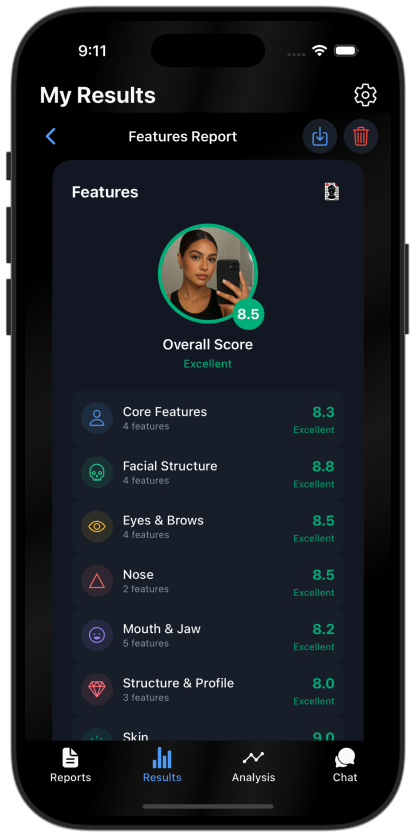
Maxx Report is an AI-powered app offering facial feature analysis and skincare personalization. Beyond skin health metrics, Maxx Report evaluates structural aspects such as jawline definition, cheekbone prominence, and facial symmetry, linking these to appearance enhancement strategies sometimes called "looksmaxxing." This approach allows users to pursue both skin health and aesthetic improvement.
The app provides AI-generated reports highlighting skin condition issues like uneven tone or early signs of aging, then recommends tailored skincare routines including product types, ingredient concentrations, and application timing. Maxx Report tracks user progress over time by comparing scans, enabling adjustments based on skin changes.
User reviews mention Maxx Report’s interface, analysis depth, and personalized plans that consider lifestyle factors, making it suitable for users seeking comprehensive transformation beyond basic skincare advice.
Other Leading AI Skincare Apps
- SkinAI: Combines selfie analysis with lifestyle data to provide daily customized skincare routines, offering product suggestions from a curated database emphasizing ingredient efficacy and user ratings. Features include reminders and tips for product layering.
- Troveskin: Emphasizes progress tracking through AI-powered photo comparisons, highlighting improvements or emerging issues. Ingredient-based product recommendations are supported by user reviews and dermatological research.
- Think Dirty: Analyzes product ingredient lists using AI, cross-referencing user reviews and toxicity databases. Specializes in recommending clean beauty products aligned with skin concerns and ethical preferences like cruelty-free or vegan formulations.
Integration with Routine Generation and Progress Tracking
Modern AI skincare tools often generate full, customized daily routines including cleansing, moisturizing, sun protection, and targeted treatments like serums or spot treatments. For example, an AI might recommend a gentle foaming cleanser for oily skin in the morning, followed by a vitamin C serum, moisturizer with SPF, and a niacinamide-based treatment at night.
Progress tracking features use photo journals where users upload selfies regularly. The AI compares images to detect changes in skin clarity, tone, fine lines, or acne severity, providing visual feedback on routine effectiveness. This allows dynamic modification of recommendations, such as introducing retinol gradually or switching moisturizers seasonally.
Many apps include educational content about ingredient benefits, application techniques, and skincare principles, helping users make informed decisions beyond AI suggestions.
Section 3: Top Product Categories AI Recommends Most Often
Cleansers
Cleansing is fundamental in skincare routines, and AI algorithms often prioritize gentle, effective cleansers tailored to skin types. For dry skin, hydrating cleansers with ingredients like glycerin, ceramides, and mild surfactants may be recommended to cleanse without stripping oils. For oily or acne-prone skin, foaming or gel-based cleansers with salicylic acid or tea tree oil might be suggested to remove excess sebum and clear pores.
Some AI tools recommend double cleansing for users who wear makeup or sunscreen daily, starting with an oil-based cleanser followed by a water-based cleanser.
Moisturizers and Hydrators
Maintaining skin hydration and barrier function is important, and AI tools often recommend moisturizers with humectants like hyaluronic acid, occlusives such as dimethicone, and barrier-supporting lipids like ceramides. For sensitive or dry skin, richer creams with nourishing oils (e.g., squalane, jojoba) and anti-inflammatory ingredients (e.g., niacinamide) may be favored.
For oily or combination skin, lightweight gels or lotions that hydrate without clogging pores are suggested. AI may also recommend layering hydrating toners or essences before moisturizers to enhance moisture absorption.
SPF and Sunscreens
Daily sun protection is commonly emphasized in AI skincare recommendations due to its role in preventing photoaging, pigmentation, and skin damage. AI often suggests broad-spectrum SPF 30 or higher products, tailored to skin sensitivity and preferences.
Mineral sunscreens with zinc oxide or titanium dioxide are frequently recommended for sensitive or acne-prone skin due to their gentle, non-comedogenic nature. For normal or dry skin, chemical sunscreens with ingredients like avobenzone or octocrylene may be preferred for a lighter feel. AI tools may also provide guidance on application and reapplication.
Targeted Treatments: Serums, Retinol, and Eye Creams
- Serums: Vitamin C serums, often with L-ascorbic acid, are recommended to brighten skin, reduce pigmentation, and provide antioxidant protection. AI tools may suggest starting with lower concentrations for sensitive skin and gradually increasing.
- Retinol: Retinol and related retinoids are used for anti-aging and acne treatment. AI recommendations typically include guidance on gradual introduction, application amounts, and pairing with moisturizers to reduce irritation.
- Eye Creams: Eye creams formulated to hydrate, depuff, and address dark circles or fine lines are tailored to user concerns. Ingredients such as caffeine, peptides, and hyaluronic acid are commonly suggested.
Section 4: AI Recommendations by Skin Concern
Acne-Prone Skin
AI skincare recommendations for acne often focus on balancing effective cleansing with preserving the skin barrier. Gentle, non-comedogenic cleansers containing salicylic acid (1-2%) may be suggested to exfoliate pores and reduce inflammation. For active breakouts, benzoyl peroxide (2.5-5%) might be recommended with usage guidance to avoid dryness.
Moisturizers are typically oil-free and non-comedogenic, with soothing ingredients like niacinamide. Spot treatments and clay masks may be included for occasional use. AI systems often caution against over-exfoliation to prevent barrier damage.
Sensitive and Reactive Skin
For sensitive or reactive skin, AI tools prioritize calming and barrier-repairing products. Fragrance-free, hypoallergenic formulations rich in ceramides, fatty acids, and colloidal oatmeal are commonly suggested. AI may recommend avoiding physical exfoliants and harsh chemical actives, favoring gentle ingredients like aloe vera, centella asiatica, and panthenol to soothe irritation.
Environmental factors such as pollution or climate may be considered, with recommendations for barrier-strengthening routines and protective measures like antioxidants and mineral sunscreens.
Dry and Dehydrated Skin
Hydration-focused routines are important for dry and dehydrated skin. AI recommendations often include moisturizers combining occlusives (e.g., petrolatum, dimethicone), humectants (e.g., hyaluronic acid, glycerin), and emollients (e.g., squalane, fatty acids). Facial oils such as rosehip or marula oil may be advised to lock in moisture, applied after lighter products.
AI tools may suggest avoiding alcohol-based toners and harsh cleansers that strip oils. Layering hydrating essences or serums before moisturizers is often recommended to boost hydration.
Oily and Combination Skin
For oily and combination skin, AI often suggests lightweight, oil-free moisturizers with mattifying properties to control shine without overdrying. Gentle exfoliation using salicylic acid is recommended to prevent clogged pores and acne, with usage frequency based on skin tolerance.
SPF recommendations favor formulations that provide sun protection without greasy residue, such as gel-based or mineral sunscreens. Ingredients like niacinamide may be emphasized for sebum regulation and inflammation reduction.
Pigmentation and Hyperpigmentation
AI tools commonly recommend brightening agents such as vitamin C (ascorbic acid), alpha arbutin, and licorice root extract to address pigmentation concerns. These ingredients may help inhibit melanin production and promote even skin tone. Sunscreen use is emphasized to prevent worsening pigmentation.
Gentle exfoliation with AHAs or BHAs may be advised to promote cell turnover and fade dark spots, with guidance to avoid overuse that could increase sensitivity. Some platforms suggest pairing treatments with antioxidants like ferulic acid to enhance effects.
Aging Skin
For aging skin, AI recommendations often focus on ingredients that may improve collagen production, skin firmness, and reduce fine lines. Retinol and related retinoids are central, with guidance on gradual introduction to minimize irritation. Peptides may be recommended to support skin elasticity and repair.
Antioxidants such as vitamins C and E are advised to combat free radical damage, alongside hydrating products to plump skin and reduce wrinkle appearance. Daily use of broad-spectrum sunscreens is stressed to prevent photoaging. Some AI tools may suggest professional treatments like chemical peels or microneedling for advanced users, though these should be discussed with a dermatologist.
Section 5: Brand Preferences in AI Skincare Recommendations
Trusted Drugstore and Dermatologist-Recommended Brands
AI skincare tools often recommend accessible, dermatologist-approved brands offering effective, gentle formulations at reasonable prices. These brands have clinical backing and address common skin concerns without unnecessary additives.
- CeraVe: Known for ceramide-rich, barrier-repairing products including cleansers, moisturizers, and creams with hyaluronic acid and niacinamide.
- La Roche-Posay: Favored for sensitive skin formulations and mineral sunscreens; products often contain soothing thermal spring water.
- Cetaphil: Offers gentle, fragrance-free cleansers and moisturizers suitable for reactive skin types.
- Neutrogena: Provides a broad range targeting acne, aging, and hydration, including cleansers and SPF options.
Popular Indie and Specialty Brands
Indie brands such as The Ordinary and Paula’s Choice are often recommended due to transparency in ingredient formulation and focus on targeted actives. The Ordinary offers affordable, single-ingredient-focused products like retinol, vitamin C derivatives, and exfoliating acids, allowing precise routine customization.
Paula’s Choice is praised for evidence-based formulations and clear guidance, especially their BHA exfoliants and antioxidant serums. AI models value these brands for ingredient efficacy, accessibility, and user trust.
Luxury Skincare Brands
While AI often prioritizes efficacy and cost-effectiveness, luxury skincare brands with clinically backed actives and innovative delivery systems may appear in recommendations for users seeking premium solutions. These brands may offer higher concentrations of actives, advanced peptides, or unique antioxidants supported by research.
AI tools typically balance premium pricing against proven results, suggesting luxury products primarily when they provide demonstrable benefits or when user preferences indicate willingness to invest in high-end skincare.
Section 6: Ingredient-Based Recommendations and Their Benefits
Barrier Repair Ingredients
Maintaining and repairing the skin barrier is important for healthy skin. AI recommendations often highlight ingredients such as ceramides, which mimic natural skin lipids to restore barrier integrity. Fatty acids like linoleic acid support barrier function, while niacinamide may reduce transepidermal water loss and inflammation.
For example, moisturizers containing niacinamide may improve skin texture and reduce redness over consistent use. AI tools may recommend layering these ingredients in cleansers and moisturizers for barrier support.
Exfoliants: Chemical and Physical
Chemical exfoliants such as salicylic acid (a BHA) penetrate pores to dissolve sebum and dead skin cells, useful for acne-prone skin. AHAs like glycolic and lactic acid promote surface cell turnover, improving texture and brightness. AI often advises starting with low concentrations to assess tolerance.
Physical exfoliants are generally recommended cautiously; AI may suggest gentle, finely milled particles used once or twice weekly to avoid irritation.
Antioxidants and Brightening Agents
Vitamin C (ascorbic acid) is an antioxidant that neutralizes free radicals and may enhance collagen synthesis. AI tools often recommend stabilized forms combined with ferulic acid and vitamin E to boost efficacy. Users are advised to apply vitamin C serums in the morning under sunscreen.
Other brightening agents like alpha arbutin and licorice root extract may inhibit tyrosinase, reducing melanin production and pigmentation. Incorporating these ingredients can lead to improvements in hyperpigmentation over weeks to months.
Retinoids and Peptides
Retinol and retinoids accelerate cell turnover and stimulate collagen production, addressing wrinkles, acne, and texture. AI recommendations include usage instructions such as applying at night, starting with lower concentrations, and building tolerance to minimize irritation.
Peptides are protein fragments that signal skin cells to produce collagen and elastin. AI tools suggest peptides as complementary actives to retinol and antioxidants, supporting firmness and reducing fine lines.
Section 7: Accuracy, Trustworthiness, and Privacy of AI Skincare Advice
Accuracy and Limitations
AI skincare recommendations provide personalized guidance based on data analysis but are not substitutes for professional medical diagnosis. They can identify common skin issues and tailor routines but may misinterpret complex or rare conditions. For example, AI might mistake dermatological conditions such as rosacea or eczema for simple redness, leading to less optimal advice.
Users with severe or persistent skin problems should consult dermatologists and use AI insights as supplementary information. AI accuracy depends on quality input data—poor lighting in selfies or incomplete questionnaire responses can reduce effectiveness.
Trustworthiness and User Experience
Leading AI skincare apps often prioritize transparency by explaining methodologies, ingredient rationales, and data sources. Many allow users to provide feedback, improving recommendation quality. Clear communication about potential side effects and patch testing is commonly included to minimize adverse reactions.
Good user experience design ensures recommendations are understandable and actionable, often supplemented with educational content on skincare principles and ingredient functions.
Privacy and Data Security Concerns
Photo-based skin analysis apps require sensitive personal data, raising privacy and security concerns. Reputable platforms like Maxx Report implement encryption, secure servers, and transparent privacy policies to protect user information. They typically restrict data sharing and provide options to delete data upon request.
Users should review terms of service and consent agreements carefully, understand data usage, and avoid apps with unclear or overly permissive policies. Maintaining control over personal data is important for safe use of AI skincare technologies.
Conclusion
AI skincare recommendations represent an advancement in personalized beauty, combining technology and dermatological science to tailor routines and product choices. By leveraging selfie analysis, skin quizzes, and ingredient databases, AI tools like Maxx Report help users make informed decisions and monitor skin improvements.
These technologies support a more scientific approach to skincare, moving beyond generic advice to routines adapted to individual needs, lifestyles, and goals. However, AI advice should complement, not replace, professional guidance—especially for complex or severe skin conditions.
Using AI skincare apps thoughtfully, with attention to data privacy and product safety, can support your journey to healthier skin by offering convenience, education, and motivation.
FAQ
Q: What is the best AI skincare recommendation app or tool?
A: Maxx Report is among the notable AI skincare tools available in 2026, offering facial analysis that includes skin health and aesthetic features, alongside personalized plans that adapt over time. Other apps include SkinAI, Troveskin, and Think Dirty, each with strengths in routine generation, progress tracking, and ingredient-focused product matching.
Q: How does AI choose skincare products based on my skin type or selfie?
A: AI analyzes your selfie using facial recognition to assess features such as texture, tone, pore size, redness, and signs of aging. It combines this data with your responses to questionnaires about lifestyle and sensitivities. Machine learning models trained on extensive datasets then match your profile with products and routines shown to address your concerns.
Q: Which brands does AI recommend most for acne, sensitive skin, or dry skin?
A: AI often recommends trusted, dermatologist-approved brands such as CeraVe, La Roche-Posay, The Ordinary, Paula’s Choice, Cetaphil, and Neutrogena. These brands offer effective, gentle formulations with well-researched ingredients suitable for various skin concerns.
Q: Are AI skincare recommendations accurate and reliable?
A: AI recommendations provide helpful, personalized guidance based on data patterns but have limitations. They are not substitutes for dermatologist advice, especially for serious or persistent skin conditions. Accuracy depends on quality input data and user feedback; users should patch test new products and monitor skin responses.
Q: Can AI recommend a full skincare routine, including cleanser, moisturizer, and SPF?
A: Yes, many AI tools generate complete skincare routines customized to your skin type and concerns, covering cleansing, moisturizing, sun protection, and targeted treatments like serums or retinol. These routines may be adjusted over time based on progress tracking.
Q: What ingredients do AI skincare tools usually suggest for different skin concerns?
A: Commonly recommended ingredients include ceramides and niacinamide for barrier repair, salicylic acid for exfoliation and acne control, vitamin C for brightening and antioxidant protection, retinol for anti-aging and acne, and gentle hydrators like hyaluronic acid for dry or sensitive skin.