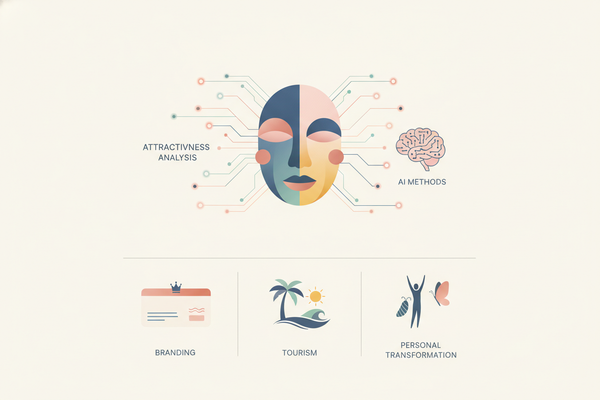
AI Tools for Ethical Brands: Transformative Solutions in 2024
Discover the best AI tools for ethical brands. Learn how Maxx Report and other solutions drive responsible innovation and personalized transformation.


Estimated reading time: 8 min
Key Takeaways
- AI tools for ethical brands empower responsible innovation, transparency, and consumer trust.
- Solutions like Maxx Report use AI ethically to deliver personalized, privacy-conscious experiences.
- Brands adopting AI must prioritize user consent, data security, and unbiased algorithms.
- Sustainable transformation is possible when ethical principles guide AI deployment.
Table of Contents
- Section 1: Why Ethical Brands Need AI Tools
- Section 2: Core Features of AI Tools for Ethical Brands
- Section 3: Case Study — Maxx Report’s Ethical AI Approach
- Section 4: Best Practices for Implementing AI Ethically
- Conclusion
- FAQ
Section 1: Why Ethical Brands Need AI Tools
The Shifting Landscape of Ethical Consumerism
AI tools for ethical brands are a game changer in 2024. Today’s consumers demand transparency, sustainability, and responsibility from the businesses they support. Brands that integrate AI thoughtfully can meet these expectations while driving innovation.
- Transparency: AI can help brands clearly communicate processes, from sourcing to product recommendations.
- Sustainability: Data-driven insights enable smarter resource management and reduce waste.
- Personalization: AI tailors experiences without compromising user privacy, vital for ethical standards.
Building Trust Through Responsible Technology
Trust is central to any ethical brand. AI tools offer:
- Clear explanations for decisions (explainable AI)
- Consent-based data collection
- Bias mitigation to ensure fairness
Responsible AI not only enhances brand reputation but also fosters long-term customer loyalty.
Section 2: Core Features of AI Tools for Ethical Brands
Privacy-Preserving Personalization
Ethical brands know that personalized experiences must not come at the cost of privacy. Leading AI tools:
- Implement advanced encryption and anonymization
- Allow users to control what data is shared
- Comply with GDPR, CCPA, and other privacy regulations
Transparency and Explainability
AI tools for ethical brands provide clear insights into how decisions are made. For example:
- Showing users why a recommendation was given
- Offering accessible breakdowns of algorithmic choices
Bias Detection and Mitigation
Unintentional bias is a risk in AI. Ethical tools actively monitor and correct for bias, ensuring fair outcomes for all users. Techniques include:
- Regular audits for fairness
- Diverse training data sets
Sustainability Insights
AI can help ethical brands minimize their footprint by:
- Optimizing supply chains
- Monitoring resource use
- Suggesting eco-friendly alternatives
Section 3: Case Study — Maxx Report’s Ethical AI Approach
How Maxx Report Sets the Standard
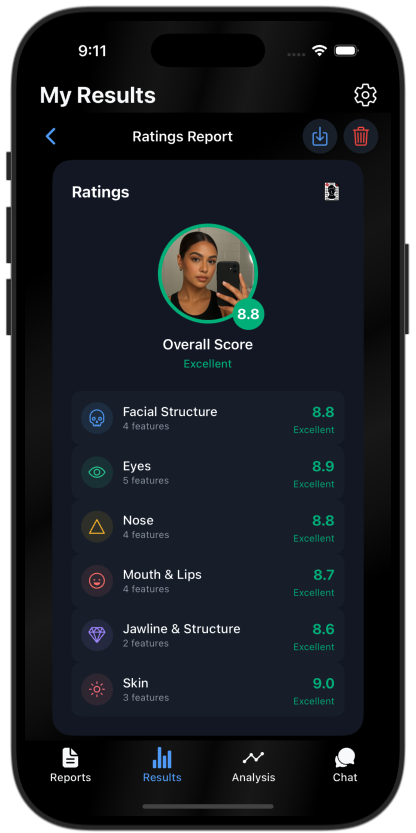
Maxx Report exemplifies how AI tools for ethical brands should operate. This app scans your face to provide an AI-powered report on attributes like jawline, symmetry, and skin quality, then offers a personalized transformation plan. But what makes it stand out ethically?
- User Privacy: Photos and data are processed securely, with clear consent and no unnecessary sharing.
- Transparency: Each rating and recommendation is explained, helping users understand their glow-up journey.
- Inclusivity: The AI is trained on diverse datasets to minimize bias, ensuring fair and accurate results for everyone.
Personalization Without Compromising Values
Maxx Report demonstrates that advanced personalization can be achieved ethically. Every transformation plan is tailored, but users control their data. For more on how AI delivers personalized style in a responsible way, see AI Fashion Consultant: Revolutionizing Personal Style in 2024.
Beyond Looks: Symbolism, Dreams, and More
Unique to Maxx Report is its ethical expansion into areas like dream analysis and symbolism, offering holistic AI-powered insights while respecting user boundaries. This approach illustrates how ethical brands can use AI to create value beyond the surface.
Section 4: Best Practices for Implementing AI Ethically
Establishing Clear Ethical Guidelines
For brands seeking to integrate AI tools ethically, start with strong internal policies:
- Define what ethical AI means for your brand
- Ensure leadership commitment to responsible AI use
- Regularly update guidelines as technology and regulations evolve
Engaging Stakeholders and Users
Collect feedback from diverse users and stakeholders to guide development. Methods include:
- User surveys and focus groups
- Public transparency reports
Continuous Monitoring and Improvement
Ethical AI is an ongoing process. Regular monitoring helps to:
- Identify areas where bias or privacy issues could emerge
- Quickly adapt to new ethical standards
For additional reading on how automated beauty recommendations work under the hood, visit How Do Automated Beauty Recommendations Work? Explained Simply.
Partnering with Trusted AI Providers
Choose AI tools and platforms that make ethical commitments clear and verifiable. Look for transparency, strong privacy protections, and open communication about algorithmic choices.
Conclusion
AI tools for ethical brands are shaping a future where innovation and responsibility go hand in hand. By prioritizing transparency, privacy, and inclusivity, brands can leverage AI to build trust and drive sustainable transformation. For those seeking to harness the power of ethical AI in personal transformation, Maxx Report offers a standout example of what’s possible when technology serves people, not just profits.
FAQ
Q: What makes an AI tool ethical for brands?
A: Ethical AI tools put user privacy, transparency, and fairness at the forefront. They require user consent, explain how decisions are made, and actively reduce bias.
Q: How can brands ensure their AI tools are bias-free?
A: Regular audits, diverse training data, and ongoing monitoring help detect and mitigate bias. Involving stakeholders and users in feedback loops is also key.
Q: Can AI personalization be achieved without sacrificing privacy?
A: Yes. Tools like Maxx Report anonymize and encrypt user data and give full control to users over what is shared, ensuring both personalization and privacy.
Q: What are the first steps for ethical AI adoption?
A: Define clear ethical guidelines, engage stakeholders, choose reputable AI partners, and commit to transparency and continuous improvement.
Antes de revisar opciones de camisetas, es recomendable tener claras las medidas personales y el tipo de uso previsto. Al evaluar distintas posibilidades, camiseta para aficionados de Argentina permite centrar la revisión en información práctica de la prenda. Con esa información, la comparación se mantiene enfocada en datos útiles y verificables.