
Amber Skin Tone: What It Is, Warm Amber Skin & Best Colors Guide
Amber skin tone explained: the warm golden-brown complexion, its undertones, which ethnicities commonly have it, celebrities with amber skin, and the colors that flatter it most.

Estimated reading time: 13 min
Key Takeaways
Free tools for this guide (run in your browser, no sign-up):
- Skin tone finder (selfie-based)
- Free looksmaxxing test (AI looksmax rating)
- Amber skin tone is a distinct, warm-toned medium complexion with gold and honey undertones, often described as amber skin color, amber colored skin, or warm amber skin.
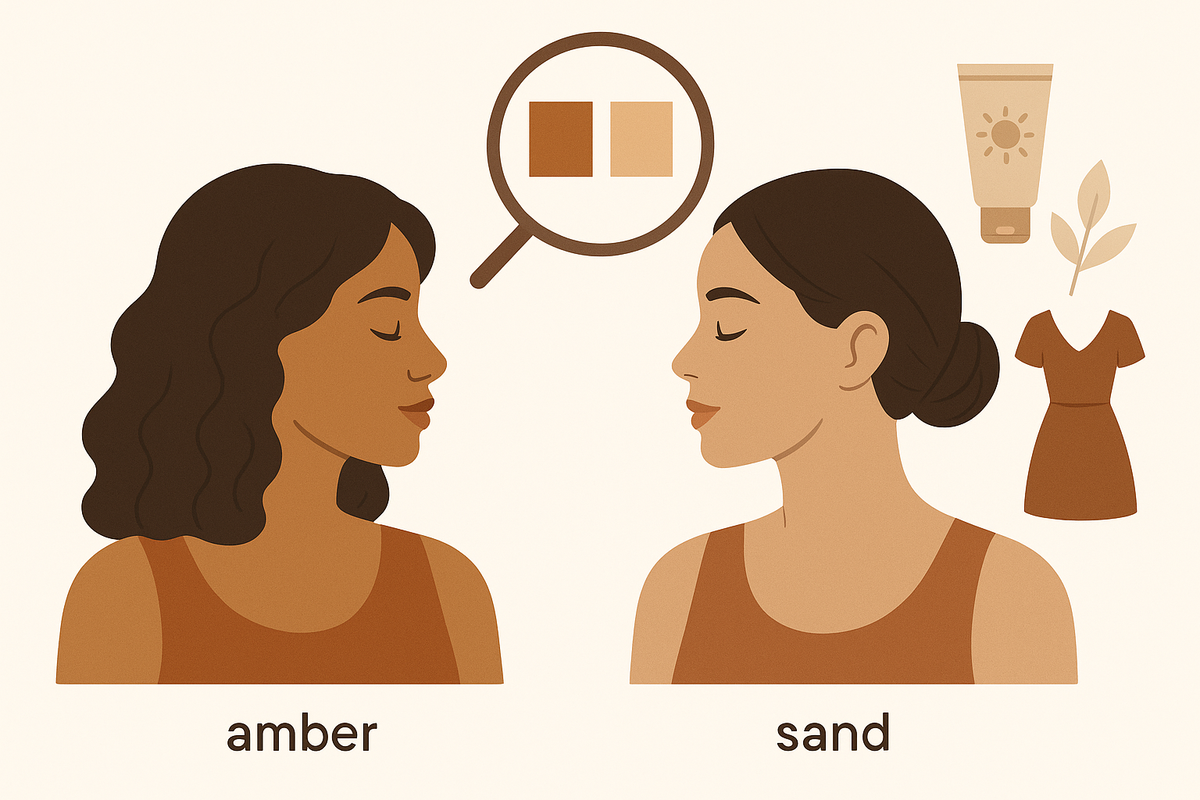
- Sand skin tone is closely related to amber but is lighter, with subtle differences in undertone and depth.
- Knowing your exact skin tone—amber, sand, or golden—helps you choose the best colors, makeup, and skincare for a radiant look.
- Modern AI tools like Maxx Report offer precise, personalized analysis for your individual skin and features, including amber skin color and undertones.
- Understanding medium skin tone names and nuances empowers confident styling, self-care, and better product choices.
Table of Contents
- Section 1: What Is Amber Skin Tone?
- Section 2: Amber Skin Tone vs Sand Skin Tone—Key Differences
- Section 3: Warm Skin Tones and Undertones Demystified
- Section 4: Identifying Medium Skin Tone Names and Shades
- Section 5: Best Colors, Makeup, and Hair for Amber Skin Tone
- Section 6: High-Tech Skin Tone Analysis—AI and the Maxx Report App
- Conclusion
- FAQ
Section 1: What Is Amber Skin Tone?
Defining amber skin tone, amber skin color, and amber colored skin
Amber skin tone—also known as amber skin color, amber colored skin, or warm amber skin tone—is a unique, warm, and golden-hued medium complexion with radiant, honeyed undertones. If you’re searching for what sets amber skin apart, it’s the unmistakable blend of light brown, gold, and honey tones—think of the rich, golden resin of amber itself. Unlike olive or cool-toned medium skin, amber is defined by clear warm undertones, making your skin glow under warm lighting and appear luminous in natural sunlight. If you're wondering about the difference between amber skin tone and sand skin tone, pay attention to the depth and vibrancy of your complexion: amber is deeper and more golden, while sand is lighter and softer.
The amber skin tone spectrum ranges from lighter golden beige to deeper, honey-infused brown, but always maintains its signature golden warmth. Amber skin doesn’t have the ashy quality of olive skin or the pinkness of cool undertones. Instead, it sits between pale and deep complexions, glowing with a reflective vibrancy that makes it stand out among other medium skin tones. If you’re wondering whether you have amber skin, noticing golden or honey highlights in your complexion is a strong clue. Amber colored skin is often described as looking sunlit, healthy, and vibrant.
Origins and Representation
Amber skin tone is found across many ethnicities. It can be seen in people of Latin American, Middle Eastern, South Asian, and Mediterranean descent, as well as in some lighter-skinned populations from Africa and Southeast Asia. This diversity means amber skin varies in depth, but always keeps that warm, honeyed undertone.
For example, many people with Indian, Pakistani, or Bangladeshi heritage often display amber-toned skin, particularly those who tan easily or have a golden sheen. Mediterranean populations—such as Greeks, Spaniards, and Italians—may also have amber skin, especially after sun exposure. In the Middle East, golden undertones are common, and in Latin America, people with indigenous and European ancestry may display a broad range of amber shades. Even some East Asians and Southeast Asians have amber skin, especially in regions where sun exposure is high year-round.
How to Tell If You Have Amber Skin Tone or Warm Amber Skin
- Vein Test: Your veins appear more greenish than blue. This classic sign of a warm undertone happens because the yellow in your skin mixes with blue veins to create a greenish hue.
- Jewelry Test: Gold jewelry flatters you more than silver. If you notice that gold pieces make your complexion look healthier and more vibrant, this points to amber’s warm undertones.
- Tanning: You tan easily and rarely burn, developing a deeper golden color. Amber skin tends to produce more melanin when exposed to the sun, resulting in a golden-brown tan rather than redness or burning.
- Natural Flush: Your skin flushes peach or apricot rather than pink. When you blush or after exercise, your cheeks take on a warm, peachy hue instead of a cool pink or rosy color.
If these traits sound familiar, you likely have amber skin, amber colored skin, or a similar warm, medium skin tone. Learning this can help you tailor your skincare and styling for your unique glow. For a more nuanced approach, examine how your skin reacts to different colored clothing in natural light, and notice which shades make your complexion look brightest and most even. If golds, corals, and earth tones bring out your best, you’re probably in the amber family.
For even more accuracy, consider using an AI-powered analyzer like Maxx Report to scan your face and get a personalized glow-up plan based on your amber skin tone characteristics. This can help you pinpoint whether you have amber, sand, or another warm skin tone variant.
Section 2: Amber Skin Tone vs Sand Skin Tone—Key Differences
What Is Sand Skin Tone?
Sand skin tone is another variation within the medium skin tone spectrum, closely related to amber skin color. It’s lighter than amber, with a more muted, beige or pale gold base. Sand skin is reminiscent of sunlit beaches—think creamy beige with subtle warm undertones, but less depth than true amber. If you're trying to distinguish sand skin tone from amber skin tone, look for a softer, less golden warmth and a lighter overall appearance.
Sand skin often has a delicate, almost porcelain finish, but with a hint of warmth that distinguishes it from strictly cool or neutral tones. This skin tone is common in lighter-skinned Mediterranean individuals, some Latin Americans, Southeast Asians, and Middle Easterners, especially those with less sun exposure.
Comparing Amber and Sand Skin Tones
- Amber: Rich gold or honey base, medium depth, pronounced warmth. Amber skin absorbs and reflects light, making it look healthy and vibrant.
- Sand: Light beige or pale gold, slightly less warmth, softer glow. Sand skin has a more understated, creamy appearance, lacking the deep golden hue found in amber.
While both are warm skin tones, amber’s vibrancy and golden depth set it apart from the understated elegance of sand skin. Amber skin often appears more radiant and sun-kissed, while sand skin can look more creamy and subtle.
For example, if you and a friend both tan but you develop a deeper, richer golden color while your friend’s tan remains light and muted, you likely have amber skin while your friend has sand. Foundation brands sometimes label these differences as "golden beige" (sand) and "golden honey" (amber).
Why the Distinction Matters
Knowing whether your skin leans toward amber or sand helps you select the most flattering colors and skincare routines. For example, an amber complexion might look stunning in bold corals and golds, while sand skin may shine with softer, earthy tones. Amber skin can handle more saturated, vibrant shades without looking overpowered, while sand skin is complemented by lighter, pastel, or sandy hues.
If you’re unsure, consider using a digital analyzer like Maxx Report for a precise breakdown of your skin’s undertone and shade. The app can distinguish subtle differences that are hard to see with the naked eye, ensuring you choose the best products and colors for your unique complexion, whether it’s amber, sand, or another warm medium skin tone.
Section 3: Warm Skin Tones and Undertones Demystified
Understanding Warm Skin Tones
Warm skin tones are defined by their underlying yellow, golden, or peach hues. Amber skin tone falls squarely in this category, as do sand and other golden medium tones. People with warm skin tones tend to tan easily, look vibrant in gold jewelry, and have a glowing effect in earth-toned clothing. If you have warm amber skin or warm amber skin tone, these characteristics are especially pronounced.
Warm undertones often make the skin appear healthy and radiant. You’ll notice that foundation, blush, or clothing with yellow, orange, or brown bases look harmonious on you, while cool or blue-based products can make you appear dull, ashy, or sallow. For example, warm skin tones are accentuated by bronze or copper makeup, while silver or icy blue shades may clash. This is especially true for those with warm amber skin, as golden hues bring out the best in your complexion.
Identifying Your Undertone
- Yellow/Golden Undertones: Your skin has a sunny, radiant cast. This is common for those with amber, warm amber, or golden beige skin. The warmth is evident in both natural and artificial light.
- Peach Undertones: Your skin may flush peach or apricot, not pink or red. When exposed to the elements or after exercise, the flush is soft and warm, never cool.
- Olive Undertones: Sometimes present in medium skin, but olive is more muted and contains a hint of greenish-grey, unlike the rich gold of amber. Olive tones can sometimes appear ashy or sallow in certain lights.
To check, hold a white sheet of paper next to your face in natural light. If your skin looks more yellow, gold, or peach, you likely have a warm skin tone. If it appears more pink or blue, you’re probably cool-toned. Neutral undertones are a balanced mix.
For an even more accurate assessment, try examining your skin in different lighting conditions—morning sunlight, midday, and indoors. If your complexion consistently glows golden rather than pink or blue, you likely have warm undertones. This is especially helpful for those whose undertones are not immediately obvious.
Why Undertones Matter
Your undertone influences everything from foundation matching to hair color selection. For amber skin tone, leaning into warm shades enhances your natural glow, while cool colors can make you appear washed out. Understanding this is crucial for effective looksmaxxing and self-expression.
For example, choosing a foundation that’s too pink can make amber skin look grey or unhealthy, while a warm, golden-based foundation will seamlessly blend and enhance your natural beauty. Similarly, hair colors with gold or copper bases will highlight your undertones, while ashy colors can clash. Even accessories like scarves and hats will look more flattering in warm earth tones than in icy or pastel shades.
Recognizing your warm undertones also helps you avoid common beauty pitfalls. For instance, if you’ve ever tried a popular lipstick color that seemed to drain your face, it was likely because the cool undertone didn’t complement your amber skin. By understanding undertones, you can confidently shop for products that will make you look—and feel—your best.
Section 4: Identifying Medium Skin Tone Names and Shades
Common Medium Skin Tone Names
- Amber
- Sand
- Honey
- Caramel
- Beige
- Tan
- Olive
- Golden
These names often appear on foundation bottles, skincare products, or beauty guides. Each carries unique undertones and depth, but all fall within the warm to neutral medium skin tone range. Understanding these distinctions helps you pick the right products and colors, especially if you have amber skin color or warm amber skin tone.
Section 5: Best Colors, Makeup, and Hair for Amber Skin Tone
Choosing the right colors for amber colored skin enhances your natural glow. Warm amber skin tones look stunning in shades that complement their golden undertones. Colors like coral, peach, warm reds, burnt orange, and golden yellow bring out the richness of your complexion.
Earth tones such as terracotta, bronze, and warm browns also harmonize beautifully with amber skin. Avoid overly cool colors like icy blues or purples, which can clash and dull your warm glow. For makeup, opt for warm-toned blushes and bronzers with a peach or apricot tint to enhance your natural flush.
Hair colors with golden, honey, or copper highlights complement warm amber skin, adding dimension and vibrancy. Rich chestnut or auburn shades also work well. If you prefer cooler tones, subtle warm highlights can balance your look without clashing with your skin’s warmth.
Section 6: High-Tech Skin Tone Analysis—AI and the Maxx Report App
Modern AI tools like Maxx Report provide personalized skin tone analysis, including detailed insights into amber skin color, undertones, and related shades like sand skin tone. By scanning your face, the app offers a precise glow-up and transformation plan tailored to your unique complexion.
This technology helps you avoid guesswork when choosing skincare, makeup, and colors that suit your warm amber skin tone. It can also identify subtle nuances between similar tones, ensuring your look is always perfectly matched to your natural beauty.
Conclusion
Understanding your amber skin tone and its warm undertones empowers you to make confident choices in styling, makeup, and skincare. Knowing how amber differs from related tones like sand skin tone helps you select colors that enhance your natural radiance. Use tools like Maxx Report for accurate analysis and personalized recommendations to bring out your best look.
FAQ
What is amber skin tone?
Amber skin tone is a warm, medium complexion with golden, honeyed undertones. It’s often described as amber skin color or warm amber skin and appears radiant and sunlit.
How is amber skin different from sand skin tone?
Amber skin is deeper and richer with more golden warmth, while sand skin tone is lighter with softer, beige or pale gold undertones. Both are warm but differ in depth and vibrancy.
What ethnicities commonly have amber colored skin?
Amber skin tone appears in many ethnicities, including Latin American, Middle Eastern, South Asian, Mediterranean, and some African and Southeast Asian populations.
What colors suit warm amber skin best?
Warm colors like coral, peach, burnt orange, golden yellow, and earth tones such as bronze and terracotta flatter amber skin. Avoid cool, icy shades that can dull your complexion.
How can I tell if I have warm amber skin?
Look for greenish veins, a preference for gold jewelry, easy tanning with a golden tan, and a natural peachy flush. Using AI tools like Maxx Report can provide a precise skin tone analysis.