How Attractive Am I? The Ultimate Guide to Attractiveness Tests & AI Analysis
Curious about 'how attractive am I'? Explore AI attractiveness tests, quizzes, and expert tips to understand your looks and boost your confidence.
Estimated reading time: 14 min
Key Takeaways
- Discover how to assess your attractiveness using AI-powered tools and expert-backed criteria.
- Understand what factors influence facial attractiveness, from symmetry to skin quality.
- Get step-by-step guidance on using AI attractiveness tests, quizzes, and personalized plans.
- Learn actionable tips to enhance your looks and boost self-confidence.
- See how apps like Maxx Report compare to traditional and online attractiveness quizzes.
Table of Contents
- Section 1: Why We Ask 'How Attractive Am I?'
- Section 2: What Makes a Face Attractive? Key Features Explained
- Section 3: Attractiveness Tests and Quizzes – What They Measure
- Section 4: AI Attractiveness Test – How It Works
- Section 5: Step-by-Step – Taking an AI Attractiveness Test
- Section 6: Beyond the Score – Personalized Glow-Up Plans
- Conclusion
- FAQ
Section 1: Why We Ask 'How Attractive Am I?'
Understanding the Curiosity
"How attractive am I?" is a question millions of people ask themselves at some point. It’s natural to be curious about where you stand on the attractiveness scale, especially in today’s image-driven culture. This curiosity goes beyond vanity. It often reflects a desire to understand yourself, boost confidence, or even learn how you can improve your appearance in a healthy, data-driven way.
The Social Impact of Attractiveness
Research shows that perceived beauty can influence social interactions, opportunities, and even self-esteem. From first impressions to online dating profiles, attractiveness matters. But it’s also subjective and influenced by cultural, personal, and even biological factors. What’s considered attractive in one society may differ in another.
- Social media has amplified self-comparison and curiosity about one’s looks.
- Many people seek validation and feedback, either from peers or technology.
- Interest in attractiveness quizzes and AI tools has surged in recent years.
Self-Perception vs. Reality
Our own view of how attractive we are isn’t always accurate. Cognitive biases, mood, and external feedback can distort self-image. That’s why standardized attractiveness tests and AI-driven analysis have become so popular—they offer seemingly objective insights that can help bridge the gap between perception and reality.
Section 2: What Makes a Face Attractive? Key Features Explained
Facial Symmetry
Symmetry is often cited as a core component of facial attractiveness. Studies suggest that symmetrical faces are perceived as healthier and more genetically fit. AI attractiveness tests, like those in Maxx Report, analyze symmetry by mapping facial landmarks and measuring the balance between both sides of the face.
- Jawline definition: A strong, well-defined jawline signals youth and health.
- Even spacing: Equal distances between facial features create harmony.
The Golden Ratio and Proportions
The "golden ratio" (approximately 1.618:1) has long been associated with beauty, especially in facial proportions. For example, the ideal mouth-to-nose and nose-to-chin ratios often align with this mathematical principle. Many AI-driven attractiveness quizzes analyze these ratios to provide objective scores. To dive deeper, check out this detailed guide on the golden ratio face.
- Eye size and spacing play a significant role in perceived attractiveness.
- Lip fullness and shape are also important cues.
Skin Quality and Texture
Clear, smooth skin is universally linked to attractiveness. Signs of health, like even skin tone and minimal blemishes, can subconsciously influence how appealing someone appears. AI attractiveness tests factor in skin quality, analyzing for redness, acne, and texture irregularities.
Other features, such as nose shape, brow height, and cheekbone prominence, all contribute to the overall attractiveness score. Each of these elements can be objectively analyzed with modern AI tools, providing insights that go beyond guesswork or biased opinions.
Section 3: Attractiveness Tests and Quizzes – What They Measure
Online Attractiveness Quizzes
Type "how attractive am I quiz" into a search engine, and you’ll find countless online tests. These quizzes typically ask questions about your facial features, habits, or show you images for comparison. While quick and entertaining, most lack scientific rigor or personalized analysis. They offer generalized advice and often reinforce stereotypes.
- Self-reported surveys can be biased or inaccurate.
- Results are usually based on averages, not your unique features.
Photo-Based Attractiveness Tests
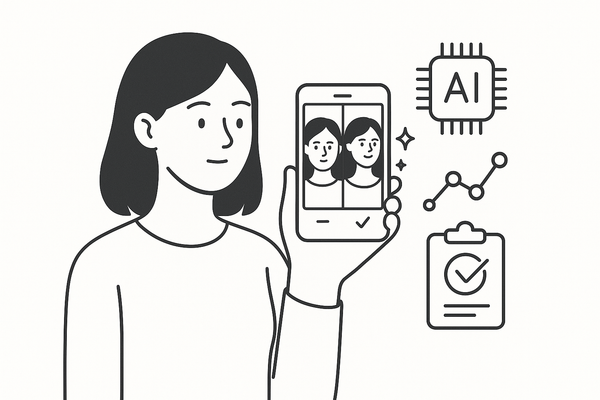
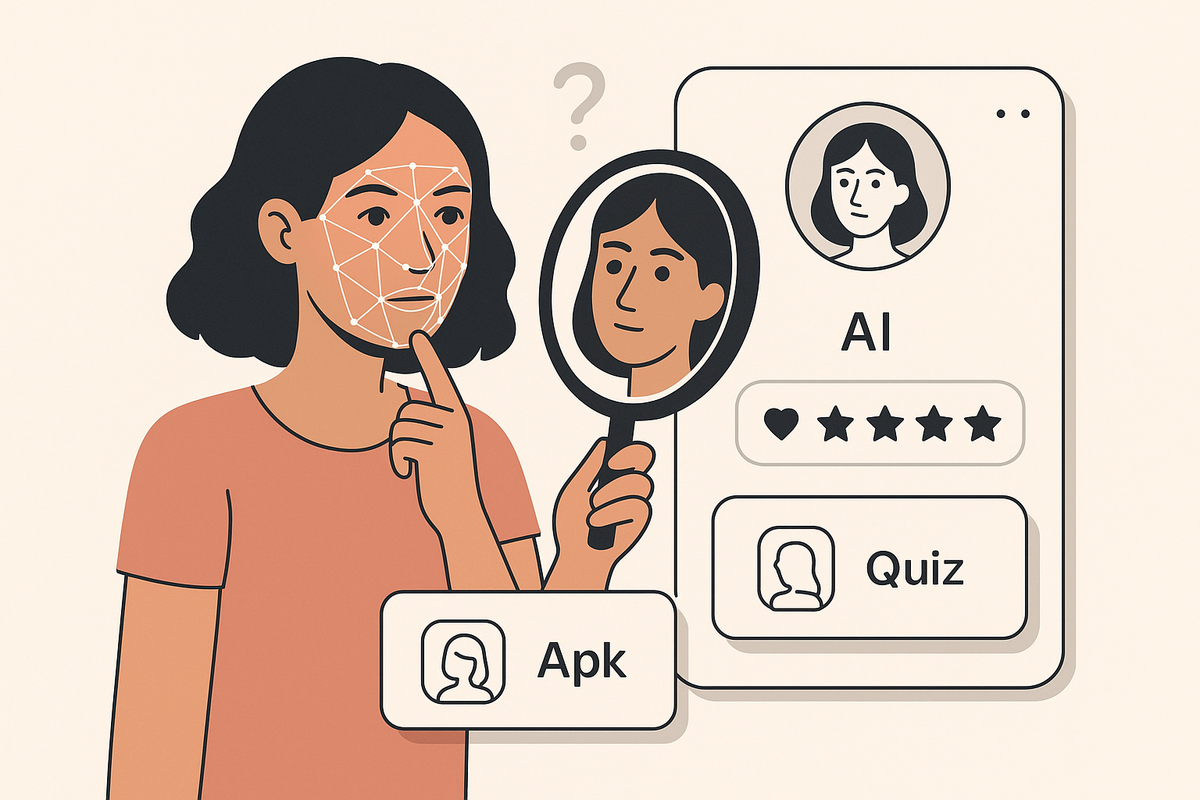
Photo-based attractiveness tests use facial recognition technology to analyze your uploaded image. Some are basic, using simple measurements or crowd-sourced ratings. Others, like Maxx Report, leverage advanced AI to assess dozens of facial markers and return a detailed attractiveness score. These tools can be more objective, but quality varies widely.
- Look for tests that use AI for facial landmark detection and symmetry measurement.
- Advanced platforms provide feedback on specific features, not just an overall score.
AI Attractiveness Tests – The New Standard
AI attractiveness tests combine computer vision, machine learning, and large datasets of facial images to deliver comprehensive, personalized ratings. They can analyze:
- Jawline and face shape
- Skin clarity and tone
- Feature symmetry and proportions
- Signs of aging or health
This technology is rapidly evolving. Apps like Maxx Report offer a blend of objectivity and actionable advice, making AI attractiveness tests the gold standard for anyone seriously curious about their looks. To better understand the science behind these algorithms, see this explainer on automated beauty recommendations.
Section 4: AI Attractiveness Test – How It Works
Behind the Scenes: Computer Vision & Machine Learning
AI attractiveness tests use sophisticated algorithms to analyze facial images. Here’s a simplified breakdown of the process:
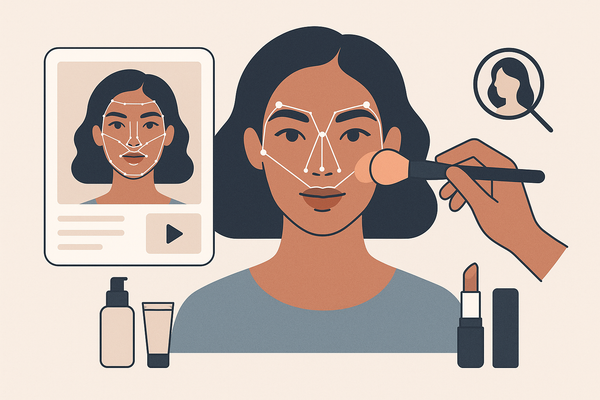
- Facial detection: AI locates key landmarks—eyes, nose, mouth, jawline.
- Feature mapping: It measures distances and angles between features for symmetry and proportion analysis.
- Texture analysis: The program scans for skin quality, looking at evenness and blemishes.
- Dataset comparison: Your features are compared to large datasets of faces rated by human panels for attractiveness.
Each of these steps happens in seconds, thanks to advances in computing power and AI models trained on millions of facial images.
Scoring and Feedback
After analysis, the AI assigns an attractiveness score—often on a 1-10 scale. Some apps break this down further, giving separate ratings for jawline, symmetry, skin, and more. Maxx Report, for example, provides a detailed report that includes specific sub-scores and a summary of your strongest and weakest features.
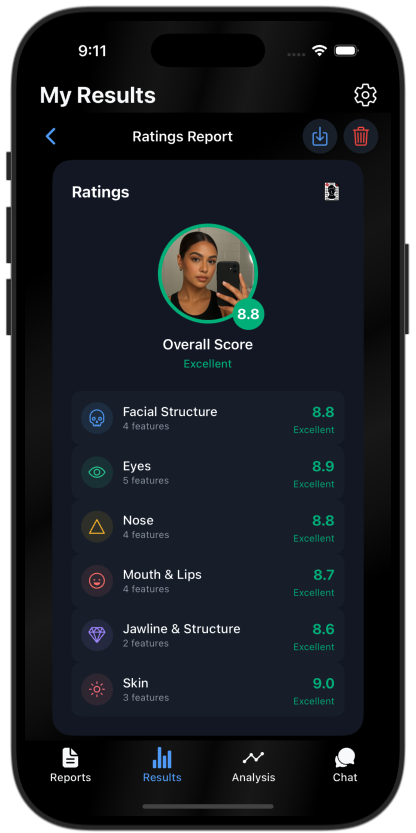
This detailed feedback is what sets AI attractiveness tests apart from generic quizzes. You get actionable insights, not just a vague number.
Privacy and Data Security
Top AI attractiveness apps prioritize privacy. Images are typically analyzed instantly, then deleted from servers. Always review the privacy policy of any app or website before uploading your photo. Responsible providers, like Maxx Report, use secure, encrypted processes and never share results without your consent.
Section 5: Step-by-Step – Taking an AI Attractiveness Test
Step 1: Choosing the Right Tool
Not all attractiveness tests are created equal. Look for an app or website that:
- Uses AI or machine learning for analysis
- Provides transparent information about scoring methods
- Offers actionable feedback, not just a single score
- Protects your privacy and data
Maxx Report is a leading example, offering detailed AI-powered looksmaxxing reports and transformation plans. Visit Maxx Report to get started.
Step 2: Preparing Your Photo
For the most accurate AI attractiveness test, follow these guidelines:
- Use a high-quality, well-lit, front-facing photo
- Remove glasses, hats, or anything obstructing your face
- Maintain a neutral expression for objective analysis
- Ensure your entire face is visible in the frame
Step 3: Upload and Analyze
Upload your photo to the platform. The AI will analyze your face and, within seconds, generate a comprehensive attractiveness report. Here’s what to expect:
- An overall attractiveness score (e.g., 1-10)
- Breakdowns for symmetry, jawline, skin, and other features
- Personalized suggestions for improvement
Some platforms also offer a "how attractive am I quiz" component, combining image analysis with a few lifestyle or grooming questions for even richer feedback.
Step 4: Interpreting Results
Don’t take your score as a fixed verdict. AI attractiveness tests are tools to help you understand your strengths and areas for growth. Use the feedback to focus on specific features you can enhance. For more on AI-driven appearance analysis, see this post on how looksmax AI is changing the game.
Section 6: Beyond the Score – Personalized Glow-Up Plans
From Analysis to Action
Knowing your attractiveness score is only the first step. The real value comes from personalized recommendations aimed at enhancing your look. Leading apps like Maxx Report go beyond ratings by offering data-driven glow-up plans tailored to your unique features.
What a Glow-Up Plan Includes
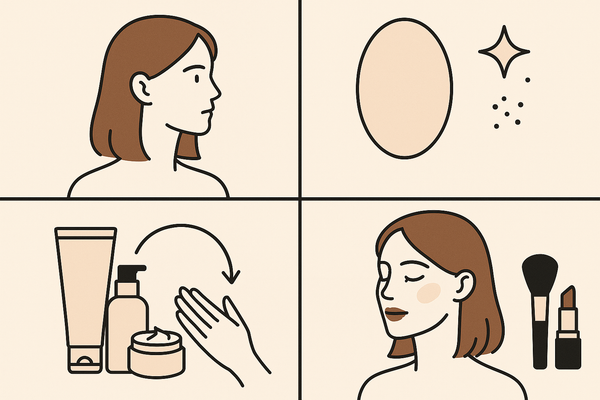
- Targeted grooming advice: Tips for skincare, haircare, and facial hair based on your analysis.
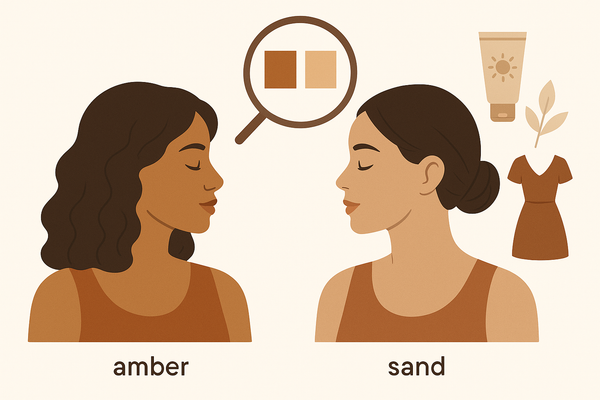
- Style recommendations: Suggestions for clothing, color palettes, and accessories that complement your facial features and skin tone.
- Fitness and wellness guidance: Ideas for improving posture, body composition, and overall health, which can impact facial appearance.
- Makeup and hairstyling tips: Tailored to your face shape and key features. (Explore even more in the digital makeover guide.)
These plans are designed to be actionable, realistic, and focused on gradual transformation—not unrealistic perfection.
Tracking Progress
Some AI attractiveness test platforms allow you to track changes over time. By periodically uploading updated photos, you can see how your attractiveness score evolves with new habits or styles. This creates a powerful feedback loop, motivating you to stick with healthy routines and try new looks.
Building Confidence
Ultimately, the true benefit of asking "how attractive am I?" lies in self-improvement and confidence-building. Objective analysis can help you break free from unhelpful self-criticism and focus on what makes you uniquely attractive. Personalized glow-up plans empower you to take control of your transformation journey, one step at a time.
Conclusion
The search for answers to "how attractive am I" is more than a passing curiosity; it’s a way to better understand yourself and take actionable steps toward self-improvement. While traditional attractiveness tests and quizzes offer entertainment, AI-powered analysis delivers precise, data-driven insights tailored to your unique features. Tools like Maxx Report are revolutionizing the way we assess and enhance our looks, providing not just scores but comprehensive glow-up plans that address everything from jawline strength to skin quality and style choices.
Remember, attractiveness is multifaceted and deeply personal. Use AI attractiveness tests as guides, not final judgments, and focus on building habits and confidence that help you look and feel your best. Ready to see your own personalized report? Try Maxx Report for a detailed, actionable analysis of your attractiveness and transformation potential.
FAQ
Q: Are AI attractiveness tests accurate?
A: AI attractiveness tests use advanced algorithms and large datasets to objectively analyze facial features, symmetry, and skin quality. While they provide more reliable results than self-reported quizzes, no test can fully capture the nuances of individual beauty or cultural differences. Use them as a helpful guide, not an absolute verdict.
Q: What’s better, a quiz or AI photo analysis?
A: AI photo analysis is generally more objective and detailed. Quizzes can be fun but often rely on subjective self-assessment or generalized results. AI tests, like those from Maxx Report, break down specific features and offer actionable advice for improvement.
Q: Can I improve my attractiveness score?
A: Yes! Glow-up plans based on your AI analysis can help you target areas like grooming, skincare, fitness, and style. Consistent effort and healthy habits can lead to a higher score over time.
Q: Is my data safe when using these tools?
A: Reputable AI attractiveness apps, such as Maxx Report, prioritize privacy by processing images securely and deleting them after analysis. Always review privacy policies before uploading your photo.
Q: Do these tools consider cultural differences in beauty?
A: Most AI models are trained on diverse datasets, but beauty standards can still vary by region and culture. Take results as one perspective, not the definitive answer on your attractiveness.