
How to Get Positive Canthal Tilt: Natural and Surgical Methods Explained
Canthal tilt explained: positive vs neutral vs negative, the ideal angle range, how to measure yours in seconds with a free AI tool, and what actually changes it (safely).

Estimated reading time: 13 min
Key Takeaways
Free tools for this guide (run in your browser, no sign-up):
- Canthal tilt calculator
- Free looksmaxxing test (AI looksmax rating)
- Face symmetry detector
- Canthal tilt is the angle between the inner and outer corners of the eye, critically shaping facial aesthetics.
- Positive canthal tilt is linked to youthfulness and attractiveness, while negative tilt is often seen as tired or aged.
- Measurement is straightforward with a photo, ruler, or AI analyzer; Maxx Report offers automated canthal tilt evaluation.
- Ideal canthal tilt differs by gender and culture, with surgical and non-surgical options available for change.
- Trends on TikTok and social media have sparked debates about beauty standards and body image concerns.
Table of Contents
- Section 1: What is Canthal Tilt?
- Section 2: How to Measure Canthal Tilt
- Section 3: Positive, Neutral, and Negative Canthal Tilt Explained
- Section 4: Canthal Tilt, Attractiveness, and Cultural Perceptions
- Section 5: Hunter Eyes, Prey Eyes, and the Rise of Canthal Tilt on TikTok
- Section 6: How to Get Positive Canthal Tilt—Natural and Surgical Options
- Conclusion
- FAQ
Section 1: What is Canthal Tilt?
Defining Canthal Tilt
If you’ve searched how to get positive canthal tilt or how to get a positive canthal tilt, you’re not alone. Canthal tilt refers to the angle formed between the medial canthus (the inner corner of your eye, near the nose) and the lateral canthus (the outer corner, toward your temple) relative to the horizontal plane of your face. In simple terms, it’s the upward or downward slant of your eyes from the nose outward. Understanding how to get positive canthal tilt can help you achieve a more youthful and attractive look, whether you prefer natural methods or are considering surgery.
The Anatomy of Canthal Tilt
To visualize canthal tilt, imagine drawing a straight horizontal line through both inner eye corners. Then, draw another line connecting the inner and outer corners of one eye. The angle between these lines is your canthal tilt. This measurement shapes whether your eyes look uplifted, straight, or drooping—directly impacting how alert, youthful, or attractive your face appears.
- Medial canthus: The inner corner by your nose.
- Lateral canthus: The outer eye corner by the temple.
- Horizontal plane: An imaginary line straight across the face at eye level.
Why Does Canthal Tilt Matter?
Canthal tilt is a powerful facial cue. Positive canthal tilt is associated with energy, health, and genetic fitness, while a negative tilt can signal tiredness or aging. Modern looksmaxxing apps like Maxx Report use AI to analyze canthal tilt and help users understand and improve their facial features, making it easier to track your journey if you want to know how to get positive canthal tilt.
Section 2: How to Measure Canthal Tilt
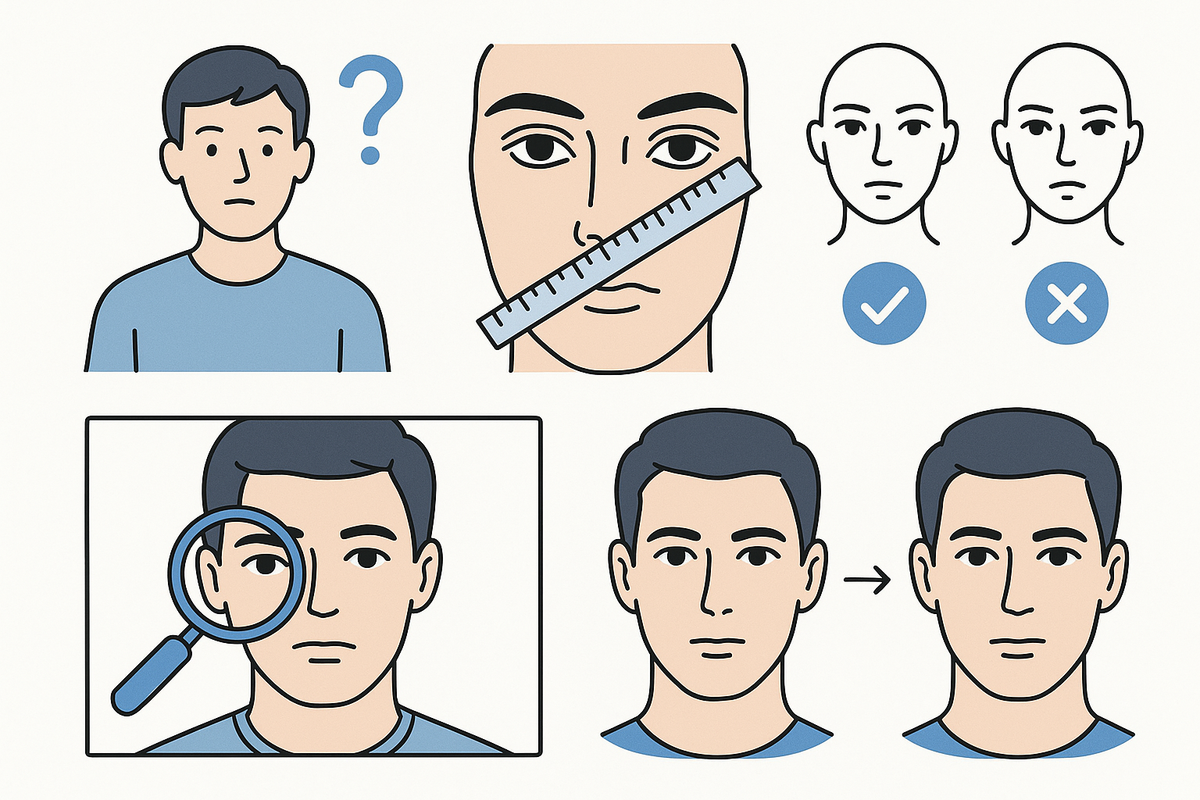
Manual Measurement: Step-by-Step
Wondering how to get positive canthal tilt? Start by measuring your current tilt accurately. Here’s how:
- Stand or sit facing forward with your head level.
- Take a clear, front-facing photo or use a mirror.
- Draw a horizontal line through both inner eye corners (medial canthi).
- Draw a straight line from the inner to the outer corner of one eye.
- Use a protractor or digital drawing tool to measure the angle between these lines.
Positive tilt: Outer corner is higher than inner.
Neutral tilt: Outer and inner corners are level.
Negative tilt: Outer corner is lower than inner.
Canthal Tilt Apps and AI Analyzers
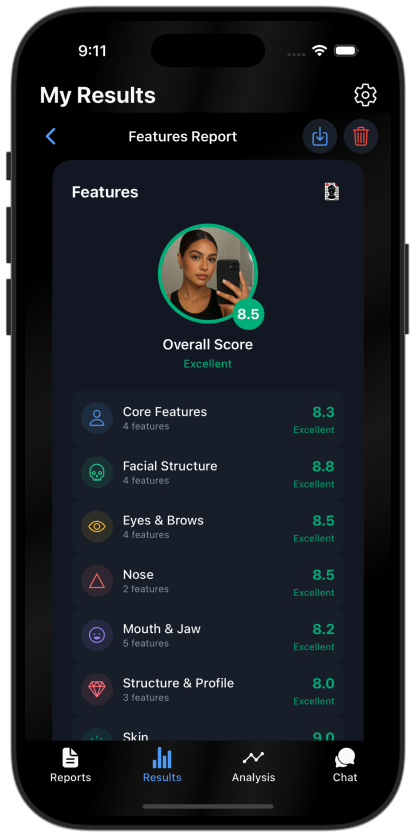
For even more accuracy in learning how to get a positive canthal tilt, try an AI analyzer. The Maxx Report app uses facial landmark detection to automatically calculate canthal tilt and other features like jawline and symmetry. This removes human error and gives you an objective, quick result—perfect if you’re working toward a more positive canthal tilt.
Tips for Accurate Measurement
- Use a head-on photo with no tilt or rotation.
- Ensure good lighting to highlight the eye corners.
- Repeat the measurement a few times for consistency.
Section 3: Positive, Neutral, and Negative Canthal Tilt Explained
Understanding the Types of Canthal Tilt
Canthal tilt falls into three main categories:
- Positive canthal tilt: Outer eye corner is higher than the inner, creating an upward, almond-shaped look.
- Neutral canthal tilt: Corners are level, for a straight, horizontal eye appearance.
- Negative canthal tilt: Outer corner is lower, giving a downward, tired look.
Visual Descriptions and Ranges
Positive canthal tilt gives the eyes a “cat-like” or “hunter eyes” look—sharp, alert, and youthful. Neutral tilt is harmonious but less distinctive, while negative tilt can appear tired or aged, sometimes called “prey eyes.”
- Ideal female tilt: +2° to +5° is typically preferred, enhancing femininity.
- Ideal male tilt: 0° to -2° is seen as more mature in some cultures, but a positive tilt is still valued by many.
Measuring Your Own Tilt
If you want to know how to get a positive canthal tilt, start by measuring your current tilt. Use the steps above or let an AI analyzer do the math. Knowing your number helps you compare to beauty standards and track progress. For more on eye shapes, see our article on hunter eyes and their benefits.
Section 4: Canthal Tilt, Attractiveness, and Cultural Perceptions
Why Does Canthal Tilt Influence Attractiveness?
Research and anecdotal evidence show that positive canthal tilt signals youth, health, and energy. In women, a higher tilt is linked to femininity and youthful features. In men, a neutral or slightly positive tilt can project maturity, but extremes in either direction may look unnatural. Understanding this helps you set realistic goals if you’re working on how to get positive canthal tilt.
Cross-Cultural Differences in Canthal Tilt Preferences
- Western standards: Prefer positive canthal tilt for women, associating it with youth and beauty.
- East Asian standards: Value both positive and neutral tilts, but “cat eye” surgeries to increase tilt are rising in popularity.
- Male vs. female ideals: Most cultures favor positive tilt for women; men may be seen as attractive with neutral or slightly positive tilt.
Canthal Tilt as a Signal of Youth and Alertness
Positive canthal tilt lifts the eyes, creating a brighter, more energized look. It’s often a focus in rejuvenation surgeries and is a key metric in AI-powered beauty analysis platforms like Maxx Report—helping you measure and improve your perceived age and attractiveness.
Section 5: Hunter Eyes, Prey Eyes, and the Rise of Canthal Tilt on TikTok
Hunter Eyes vs. Prey Eyes: What Do They Mean?
In looksmaxxing circles, “hunter eyes” describe eyes with a positive canthal tilt, deep-set placement, and a sharp gaze—seen as a masculine ideal. “Prey eyes” have a negative tilt, rounder shape, and a more anxious or tired look.
- Hunter eyes: Slightly positive tilt, deep-set, narrow eye opening.
- Prey eyes: Negative tilt, shallow-set, wide or rounded appearance.
TikTok Filters and the Canthal Tilt Trend
On TikTok, “canthal tilt check” challenges and filters have gone viral. Users analyze their own and celebrities’ eye angles, often using AI apps to get instant tilt ratings. This surge in interest means more people are searching for how to get positive canthal tilt naturally or with cosmetic help, and want to see real results from both non-surgical and surgical options.
The upside is greater awareness of facial anatomy. The downside? Unrealistic expectations and pressure to seek cosmetic fixes, especially among young people.
Looksmaxxing Culture and Controversies
The pursuit of the “ideal” canthal tilt is part of the broader looksmaxxing movement. While many find empowerment in tracking and improving their appearance, others warn about body dysmorphia and unhealthy comparisons. AI beauty analysis, like that in how AI transforms your look instantly, has intensified debates about technology’s impact on beauty standards.
Section 6: How to Get Positive Canthal Tilt—Natural and Surgical Options
Non-Surgical Approaches: Myths and Reality
If you’re searching for how to get positive canthal tilt without surgery, be realistic. Most non-surgical methods—like facial exercises or “mewing”—cannot directly change your canthal tilt, since the position of the eye corners is set by bone and ligaments. However, they may improve your overall facial harmony and posture, which can subtly enhance your appearance. Makeup techniques and lash extensions are practical ways to create the illusion of a more positive canthal tilt if you want an immediate, non-invasive result.
- Eye exercises: Help with eye strain but don’t change eye corner position.
- Mewing: May improve jawline or cheekbones, not canthal tilt itself.
- Makeup techniques: Using eyeliner and eyeshadow to lift the outer corners can create the illusion of a more positive tilt.
For a non-surgical boost, makeup artists recommend extending eyeliner upward at the outer corners and using eyeshadow to lift the eye shape. Lash extensions that fan upward can also help create a lifted look. These visual tricks are the best natural options if you’re wondering how to get a positive canthal tilt without surgery.
Surgical Correction: Lateral Canthoplasty and More
If you want permanent results, cosmetic surgery is the only reliable way to change your canthal tilt. Procedures include:
- Lateral canthoplasty: Raises and secures the outer eye corner for a more positive tilt.
- Canthopexy: Tightens and repositions the outer canthus, often combined with other eyelid surgeries.
- Blepharoplasty: Eyelid lift that may be used alongside canthoplasty for comprehensive rejuvenation.
These surgeries are typically performed by experienced oculoplastic surgeons and require consultation to assess suitability and risks. Recovery times vary, but results are long-lasting and can dramatically improve the eye’s appearance.
Conclusion
Understanding how to get positive canthal tilt involves knowing your anatomy, measuring your current tilt accurately, and exploring both natural illusions and surgical options. While non-surgical methods can enhance your appearance temporarily, surgery offers a permanent solution for those seeking a true change. Using AI tools like Maxx Report can help you track your progress and set realistic goals on your looksmaxxing journey.
FAQ
How to get positive canthal tilt naturally?
Natural methods cannot physically change the canthal tilt since it depends on bone and ligament structure. However, makeup techniques, lash extensions, and improving facial posture can create the illusion of a positive tilt.
Can exercises change canthal tilt?
No, exercises like eye stretches or mewing do not alter the position of your eye corners and thus cannot change canthal tilt, but they may improve overall facial appearance.
What surgical options exist to get positive canthal tilt?
Lateral canthoplasty, canthopexy, and blepharoplasty are surgical procedures that can raise and secure the outer eye corner, creating a lasting positive canthal tilt.
How to measure canthal tilt accurately?
Use a front-facing photo with your head level, draw a horizontal line through the inner eye corners, then measure the angle between this line and the line from inner to outer eye corner using a protractor or AI app like Maxx Report.
Is positive canthal tilt attractive?
Yes, positive canthal tilt is widely associated with youthfulness, alertness, and attractiveness across many cultures, making it a desirable facial trait.