Digital Makeover Algorithm Insights: Transforming Business with Data-Driven Strategies
Discover how digital makeover algorithm insights revolutionize business through personalized, data-driven transformations, enhancing efficiency and engagement.

Estimated reading time: 8 minutes
Key Takeaways
- Digital foundations empower real-time data collection and AI-driven workflows.
- A digital makeover revamps technology, UX, and processes to boost agility and ROI.
- Algorithms drive decision-making, personalization, and optimization across the organization.
- Actionable insights translate raw data into targeted strategies that enhance performance.
- Real-world case studies demonstrate measurable gains in conversion, efficiency, and innovation.
Table of Contents
- Understanding the Digital Landscape
- Defining the Concept of a Digital Makeover
- The Role of Algorithms in Digital Makeovers
- Unpacking Algorithm Insights
- Practical Applications and Case Studies
- Challenges and Considerations
- Future Trends and Opportunities
- Conclusion
- FAQ
Understanding the Digital Landscape
At its core, the digital landscape is built on scalable infrastructure—cloud computing, big data platforms, AI/ML frameworks, and APIs. Together, these elements enable organizations to:
- Capture customer interactions across channels in real time.
- Run advanced analytics and machine learning on demand.
- Deploy updates and models within hours, not months.
By shifting from manual processes to data-centric workflows, companies gain agility and maintain a customer-focused edge.
Source: PortoTheme article
Defining the Concept of a Digital Makeover
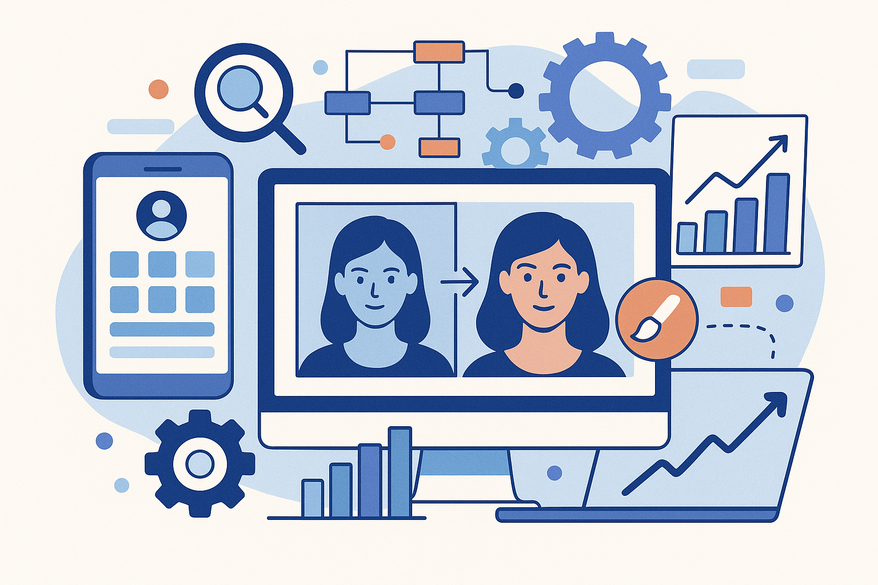
A digital makeover involves overhauling an organization’s technology stack, user interfaces, and operations with data-driven tools to improve ROI, UX, and responsiveness. Key dimensions include:
- Technology upgrade
– Migrating servers to cloud platforms (AWS, Azure)
– Adopting microservices for modular, scalable apps - UX redesign
– Responsive design for seamless mobile experiences
– AR/VR try-on features to boost engagement - Process automation
– Robotic process automation (RPA) for repetitive tasks
– AI chatbots for 24/7 customer support
Case study highlights:
- L’Oréal’s virtual try-on app increased conversion and reduced returns.
- Sephora’s predictive inventory system cut returns by 18% and improved stock availability.
Source: PortoTheme article
The Role of Algorithms in Digital Makeovers
Algorithms sit at the heart of every makeover, powering:
- Decision-making via predictive models and scenario simulations.
- Personalization through recommendation engines and dynamic content.
- Optimization with A/B testing and real-time bid adjustments by reinforcement learning.
A typical machine learning workflow:
- Data ingestion from CRM logs, transactions, social media.
- Feature engineering to extract variables like purchase frequency and sentiment.
- Model training using random forests, neural networks, etc.
- Validation on holdout sets to ensure accuracy.
- Deployment via APIs into production systems.
Source: PortoTheme article
Unpacking Algorithm Insights
Insights are distilled patterns, anomalies, or predictions that bridge raw data and strategic action. A typical data pipeline includes:
- Collection from CRM, eCommerce, and social media.
- Cleaning with outlier removal and normalization.
- Analysis using clustering, regression, and NLP.
- Visualization via dashboards tracking churn risk and ROI.
Example action: Adjust marketing spend based on predicted customer lifetime value, increasing budgets for high-ROI segments.
Source: PortoTheme article
Practical Applications and Case Studies
Marketing & Personalization
• Lookalike modeling on Facebook and Google for targeted ads.
• NLP chatbots handling queries in real time.
Outcome: 20% lift in click-through rate, 15% increase in average order value.
Product Development
• Trend forecasting with time-series and sentiment analysis.
• Reduced R&D cycle by 30%, speeding new launches.
Operational Efficiency
• Demand forecasting to minimize stockouts.
• RPA for manufacturing and order processing.
Results: 15% fewer stockouts, 10% less waste.
Source: PortoTheme article
Challenges and Considerations
Over-reliance on algorithms can risk de-humanizing experiences or reinforcing biases. To mitigate:
- Combine human oversight with automated decisions.
- Implement transparent personalization and user controls.
- Adopt robust data governance: catalogs, quality checks, audit logs.
Privacy best practices include GDPR/CCPA compliance, anonymization, and encryption.
Reference: Beauty Packaging article
Future Trends and Opportunities
Advanced Personalization: GANs for hyper-realistic AR try-ons and deep learning for on-the-fly texture customization.
Agentic Workflows: AI-driven R&D platforms suggesting novel ingredient combinations.
Real-Time Predictive Analytics: Streaming models with Kafka and Flink for instant market insights and dynamic pricing.
Cuando se busca una camiseta de club, es útil comparar medidas, corte y detalles de confección antes de decidir. Para ordenar la búsqueda, equipacion de futbol del Manchester City puede revisarse junto con las medidas y el tipo de ajuste preferido. También conviene revisar las condiciones descritas para evitar confundir estilo, talla y comodidad.
Conclusion
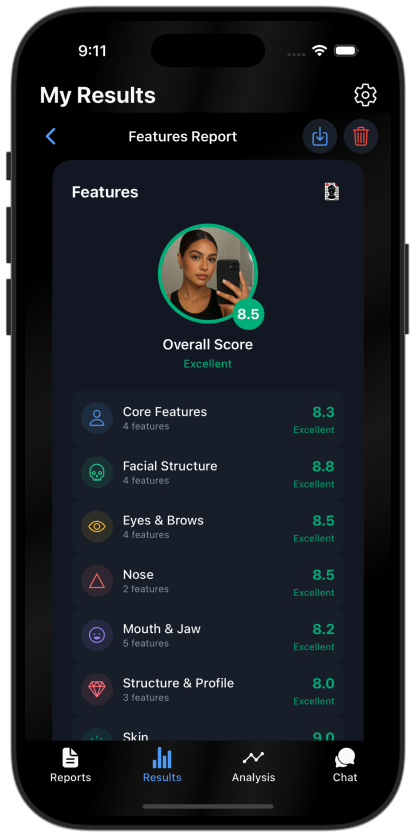
By building solid digital foundations, defining targeted makeovers, deploying robust algorithms, and acting on clear insights, businesses unlock sustained growth in marketing, product development, and operations. For a deeper dive into how AI can analyze and enhance facial features during your own makeover, try the Maxx Report app—they offer detailed face analysis and personalized recommendations.
Call to action: Explore AI tools, adopt best practices, and review linked case studies to launch your digital makeover. Embrace these data-driven algorithms and insights to stay agile and customer-centric.
FAQ
- What is a digital makeover? A complete overhaul of technology, UX, and processes using data-driven tools to boost performance.
- Why are algorithms critical? They enable predictive decision-making, dynamic personalization, and real-time optimization.
- How are insights generated? Through a pipeline of data collection, cleaning, analysis, and visualization that uncovers actionable patterns.
- What challenges should I watch for? Data bias, privacy compliance, algorithmic transparency, and technical debt.
- Which trends will shape the future? GAN-based personalization, AI-assisted agentic workflows, and real-time predictive analytics.