Does Mewing Work? Science, Myths, and Real Results Explained
Does mewing work? Uncover the science, real experiences, risks, and expert opinions on mewing for jawlines, facial aesthetics, and orthodontic concerns.

Estimated reading time: 14 min
Key Takeaways
- Mewing is a tongue posture technique that claims to reshape the jawline and improve facial aesthetics.
- Scientific evidence for mewing is limited, especially in adults, but some children may benefit from early intervention.
- Risks are low, but improper technique can cause discomfort or jaw pain; medical consultation is recommended for orthodontic concerns.
- Most mewing before and after transformations are anecdotal and lack rigorous scientific validation.
- Expert consensus is cautious, with orthodontists emphasizing professional treatment over DIY methods.
Table of Contents
- Section 1: What Is Mewing? Origins and the Method Explained
- Section 2: How to Mew – Step-by-Step Tongue Posture Technique
- Section 3: Scientific Evidence and Research on Mewing
- Section 4: Mewing for Adults vs. Children – Who Can Benefit?
- Section 5: Mewing for Jawline, Facial Aesthetics, and Orthodontic Issues
- Section 6: Risks, Side Effects, and Professional Opinions
- Section 7: Social Media, Anecdotes, and Before & After Transformations
- Section 8: Mewing vs. Professional Treatments and the Role of AI Analysis
- Conclusion
- FAQ
Section 1: What Is Mewing? Origins and the Method Explained
The Birth of Mewing: Drs. John and Mike Mew
Mewing is a self-help technique rooted in the concept of proper tongue posture. The practice is named after Dr. John Mew and his son Dr. Mike Mew, British orthodontists who introduced the concept in the early 2000s. Their theory, called "orthotropics," suggests that the way you position your tongue and jaw can influence the shape of your face over time.
- John Mew developed orthotropics, believing facial structure could be improved through natural methods, not just surgery or braces.
- Mike Mew popularized "mewing" on YouTube, making it go viral, especially among younger audiences looking to enhance their jawline and facial symmetry.
What Is Proper Tongue Posture?
Proper tongue posture involves placing the entire tongue flat against the roof of the mouth, with lips gently closed and teeth lightly touching. This is in contrast to the more common posture, where only the tip or a portion of the tongue touches the palate, or the tongue rests at the bottom of the mouth.
- The goal is to gently apply pressure to the palate, theoretically encouraging the maxilla (upper jaw) to move upward and forward.
- Proponents claim this can lead to a more defined jawline, better facial harmony, and improved airway function.
The Mewing Controversy
The mainstream orthodontic community has generally viewed mewing with skepticism, citing a lack of peer-reviewed studies. The Mews themselves have faced professional challenges, including regulatory issues in the UK. Despite this, the technique has exploded in popularity on social media platforms, spawning countless tutorials and "mewing before and after" testimonials.
Section 2: How to Mew – Step-by-Step Tongue Posture Technique
Step-by-Step: How to Mew
- Close your lips gently. Your mouth should remain lightly sealed.
- Place your tongue on the roof of your mouth. The entire tongue, not just the tip, should be pressed against the palate.
- Keep your teeth lightly touching. Avoid clenching or grinding.
- Breathe through your nose. This helps maintain tongue posture and promotes better overall health.
- Maintain this posture as much as possible. Ideally, throughout the day and even while swallowing.
Mewing Tips and Common Mistakes
- Don’t push too hard. Gentle, consistent pressure is key. Overexertion can cause jaw pain or discomfort.
- Avoid mouth breathing. This disrupts tongue posture and may counteract any potential benefits.
- Consistency matters. Occasional practice is unlikely to yield results.
Is Mewing Right for Everyone?
Some people find it difficult to keep the tongue flat against the palate, especially those with high-arched mouths or anatomical differences. If you experience pain or discomfort, consult a dental or medical professional. Remember, mewing is not a substitute for orthodontic care if you have significant alignment or bite issues.
Section 3: Scientific Evidence and Research on Mewing
What Does the Research Say?
The most pressing question is: Does mewing work? While there is solid evidence that growth patterns and oral posture affect facial development in children, peer-reviewed studies specifically on mewing are scarce. Most clinical research focuses on traditional orthodontic interventions.
- Some studies indicate that tongue posture can impact the development of the palate and airway in children (Journal of Oral Rehabilitation, 2017).
- In adults, the facial bones are largely set, making significant changes through posture alone unlikely according to most experts.
Key Scientific Limitations
- Lack of Randomized Controlled Trials (RCTs): No robust RCTs have directly measured the impact of mewing on facial structure in adults.
- Reliance on Anecdotes: Most evidence comes from individual testimonials and social media posts.
- Confounding Factors: Diet, genetics, and overall health play significant roles in facial development.
Orthodontic and Medical Views
Orthodontists generally agree that myofunctional therapy (which includes tongue posture) can help guide facial growth in children. In adults, changes are minor at best. If you’re interested in the science of facial proportions, you might enjoy our deep dive: The Science of Perfect Facial Proportions.
Section 4: Mewing for Adults vs. Children – Who Can Benefit?
Children and Adolescents
During childhood and adolescence, the bones of the face are still developing and more responsive to environmental factors. For this group, proper tongue posture and nasal breathing can have a meaningful impact on facial growth and jaw alignment. Early intervention with myofunctional therapy is often recommended for orthodontic concerns.
- Orthotropics claims to correct underdeveloped jaws and crowded teeth in children by encouraging forward growth of the maxilla.
- Some orthodontists use similar principles to help guide healthy facial development.
Does Mewing Work for Adults?
In adults, most facial bones have fused and growth plates have closed. As a result, significant skeletal changes are unlikely by simply adjusting tongue posture. However, some people report:
- Slight improvements in jaw definition due to reduced puffiness or better muscle tone.
- Improved nasal breathing and less mouth breathing, which can benefit oral health.
- Reduced snoring or sleep apnea symptoms in some cases.
Realistic Expectations
While adults should not expect dramatic "mewing before and after" transformations, developing proper tongue posture is not harmful and may support better oral and airway health. For more on how facial features can be enhanced, see our article on Hunter Eyes and Facial Aesthetics.
Section 5: Mewing for Jawline, Facial Aesthetics, and Orthodontic Issues
Mewing for a Better Jawline
One of the most popular claims is that mewing can create a sharper, more defined jawline. Social media is full of "mewing before and after" photos, some showing impressive changes. However, most dramatic results are likely influenced by other factors like weight loss, lighting, angle, or even cosmetic procedures.
- Subtle improvements may occur with reduced bloating or improved head posture.
- Genetics play a primary role in jaw shape and facial structure.
Impact on Facial Symmetry and Harmony
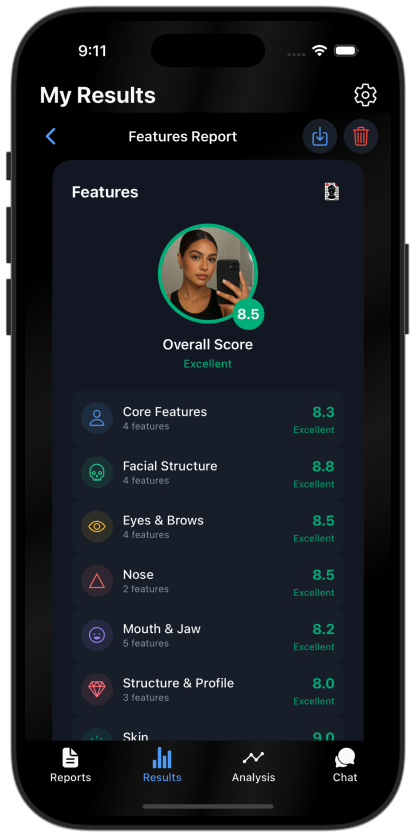
Proponents argue that mewing encourages forward growth of the maxilla, which could theoretically improve facial harmony. However, scientific support for significant structural changes is lacking. For those looking to optimize facial aesthetics, apps like Maxx Report use AI analysis to provide personalized feedback on symmetry, jawline, and skin quality.
Orthodontic and Jaw Pain Concerns
Some individuals try mewing to address orthodontic issues (like crowding or bite problems) or jaw pain (TMJ). While proper oral posture is important for overall dental health, mewing is not a replacement for professional care. Misguided force or improper technique can exacerbate jaw pain or cause new issues.
- Always seek evaluation from a dentist or orthodontist for persistent pain or bite concerns.
Section 6: Risks, Side Effects, and Professional Opinions
Is Mewing Safe?
Mewing is generally considered safe for most healthy individuals when performed gently. However, there are some risks to be aware of, especially if the technique is misunderstood or overdone.
- Jaw pain or discomfort: Excess pressure can strain jaw joints (TMJ).
- Tooth or gum discomfort: Incorrect posture may press teeth in unnatural ways.
- Frustration or anxiety: Unrealistic expectations can lead to disappointment.
Professional Opinions and Warnings
The majority of orthodontists, dentists, and oral surgeons caution against expecting dramatic changes from mewing, especially in adults. They emphasize that:
- Facial bone structure is mostly determined by genetics and established by late adolescence.
- Mewing is not a substitute for braces, aligners, or surgical interventions for bite or alignment issues.
- Proper professional guidance is crucial for any persistent dental or jaw concerns.
When to Seek Help
If you experience ongoing pain, headaches, or notice changes in your bite, stop mewing and consult a healthcare provider. Mewing should complement—not replace—professional orthodontic care.
Section 7: Social Media, Anecdotes, and Before & After Transformations
The Rise of Mewing on YouTube and TikTok
Mewing’s viral spread can be traced to platforms like YouTube and TikTok, where influencers and everyday users post dramatic "before and after" images. These testimonials have inspired millions to try the technique for themselves, hoping for similar jawline transformations.
- Some users claim visible changes in as little as a few months, especially younger participants.
- Visual evidence is often difficult to verify and may be influenced by other lifestyle changes.
Limitations of Anecdotal Evidence
While social media is full of mewing success stories, these are not scientific proof. Before and after photos can be misleading due to:
- Different lighting, angles, and facial expressions.
- Concurrent changes (weight loss, skincare, grooming, or even plastic surgery).
- Confirmation bias—people may perceive improvement because they expect it.
Community Support and Trends
Despite skepticism, the online mewing community is vibrant, sharing tips, progress updates, and encouragement. For those seeking a more objective analysis of facial features and progress, AI-powered tools like Maxx Report provide structured feedback and transformation plans tailored to your unique facial structure.
Section 8: Mewing vs. Professional Treatments and the Role of AI Analysis
Comparing Mewing to Orthodontic and Surgical Options
For significant changes to facial structure, especially in adults, professional orthodontic or surgical interventions remain the gold standard. These may include:
- Braces or clear aligners to correct bite and alignment.
- Orthognathic (jaw) surgery for severe skeletal discrepancies.
- Myofunctional therapy for tongue posture, especially in children.
Mewing may offer subtle improvements or support oral health, but it is not a replacement for these treatments.
The Role of AI in Facial Aesthetics and Self-Assessment
With the rise of AI, tools like Maxx Report can analyze your jawline, symmetry, and skin, providing data-backed ratings and personalized glow-up plans. This empowers users with actionable insights and realistic expectations. For a deeper understanding of how AI evaluates facial proportions, check out our post on AI Face Shape Quizzes.
- AI tools can help track subtle changes over time, filtering out subjective bias.
- Personalized plans may include posture, grooming, skincare, and fitness—not just mewing.
Setting Realistic Goals
If you’re interested in enhancing facial aesthetics, combine healthy lifestyle habits, professional care, and objective analysis. Mewing can be part of your routine, but be wary of exaggerated claims and always prioritize your health and safety.
Conclusion
Does mewing work? The answer depends on age, expectations, and what you’re hoping to achieve. For children and adolescents, proper tongue posture and myofunctional therapy can support healthy facial development. For adults, mewing is unlikely to dramatically reshape jawlines or facial structure, though it may offer minor improvements in oral posture and breathing.
Scientific evidence for mewing is limited, and most dramatic "before and after" stories are anecdotal. If you’re curious about your own facial proportions, AI tools like Maxx Report offer a safe, data-driven way to assess your look and explore personalized transformation plans. Always consult a medical or dental professional for significant concerns or if you experience discomfort.
FAQ
Q: Does mewing actually work for adults?
A: Mewing may help adults improve tongue posture and potentially support better breathing or minor jawline definition, but it is unlikely to significantly change bone structure once growth plates have fused.
Q: Can mewing change your jawline permanently?
A: In children and teenagers, proper tongue posture can influence jaw growth. In adults, permanent changes to jawline structure from mewing alone are not supported by scientific evidence.
Q: Is mewing safe or are there side effects?
A: Mewing is safe if done gently, but excessive force or improper technique can cause jaw pain or discomfort. If you have persistent pain, seek professional help.
Q: What does the research say about mewing?
A: Research supports the role of tongue posture in childhood facial development, but there are no high-quality studies proving mewing can reshape adult faces. Most evidence is anecdotal.
Q: Does mewing work for jaw pain or orthodontic issues?
A: Proper oral posture can support dental health, but mewing is not a substitute for orthodontic or medical treatment for jaw pain or misalignment. Consult a specialist for these concerns.
Q: How long does it take to see mewing results?
A: Most adults will not see dramatic changes. Minor improvements may take months of consistent practice, but significant skeletal changes are unlikely without professional intervention.