
Fitness Glow Up Routine for Men: The Ultimate Transformation Guide
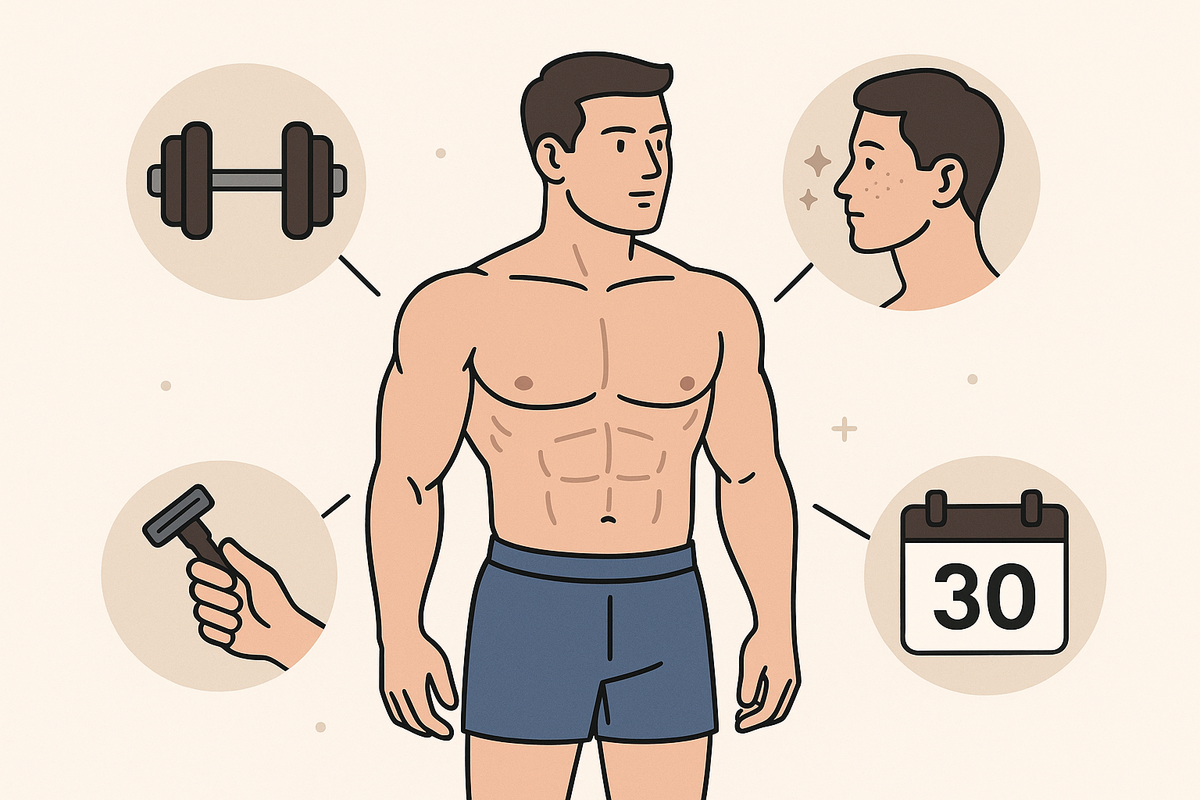
Discover the best fitness glow up routine for men. Build muscle, improve skin, master grooming, and transform your look in 30 days with realistic steps.
Estimated reading time: 16 min
Key Takeaways
- A fitness glow up routine for men combines strength training, nutrition, grooming, and posture for visible results.
- Simple, consistent habits—like a men’s skincare routine and daily movement—drive lasting improvement.
- Mastering haircut, beard, and clothing choices for your face shape amplifies your transformation.
- Recovery, sleep, and body language are crucial for both appearance and confidence.
- Personalized plans (like those from Maxx Report) can accelerate your glow up with actionable steps.
Table of Contents
- Section 1: Strength Training — The Foundation of a Fitness Glow Up
- Section 2: Cardio, Movement, and Getting Leaner
- Section 3: Nutrition for Fat Loss, Muscle Gain, and De-Puffing
- Section 4: Sleep, Recovery, and How Rest Transforms Your Look
- Section 5: Posture, Mobility, and Body Language
- Section 6: Men’s Skincare, Grooming, Hair, and Style Fundamentals
- Section 7: Dental Hygiene, Facial Hair, and Final Presentation
- Section 8: Your 30-Day Glow Up Plan — Week by Week
- Conclusion
- FAQ
Section 1: Strength Training — The Foundation of a Fitness Glow Up
Why Strength Training Transforms Your Appearance
Every effective fitness glow up routine for men starts with resistance training. Building muscle doesn’t just enhance your body—it improves posture, burns fat, boosts testosterone, and sharpens your jawline. Developing muscle mass creates a more athletic silhouette by accentuating the V-taper: broadening the shoulders while narrowing the waist. This 'V' shape is consistently rated among the most attractive male body proportions, as it signals health, athleticism, and vitality. Furthermore, building muscle increases your basal metabolic rate, meaning you burn more calories even while at rest, making it easier to stay lean. Strength training also improves your confidence and mental health, which translates into better body language and presence.
Core Movements and Split Routines
Focus on compound lifts (exercises that work multiple muscle groups):
- Squats — build legs, glutes, and core. Variations include back squats, front squats, and goblet squats, each targeting your lower body and core stability in different ways.
- Deadlifts — develop back, glutes, grip. Standard deadlifts, Romanian deadlifts, and trap bar deadlifts all challenge your posterior chain, critical for posture and athleticism.
- Bench press — chest, shoulders, triceps. Flat, incline, and decline presses sculpt the chest and push strength.
- Rows and pull-ups — back, biceps, posture. Barbell or dumbbell rows and chin-ups/pull-ups help carve a wide back and thick arms.
- Overhead press — shoulders and arms. Military presses and Arnold presses create capped shoulders and work the upper chest.
A simple routine: 3-4 workouts per week, alternating push/pull/legs or upper/lower splits. For beginners, 8-12 reps × 3-4 sets per movement is ideal. For more experienced lifters, consider periodizing your routine by alternating between strength (4-6 reps), hypertrophy (8-12 reps), and endurance (15+ reps) phases over several weeks. This keeps progress consistent and reduces the risk of plateau.
Progression and Realistic Expectations
Train with progressive overload—increase weight or reps over time. For example, if you start bench pressing 100 lbs for 10 reps, aim to add 2.5-5 lbs every week or two, or add one more rep each session until you reach the upper end of your rep range. Track your lifts in a notebook or app for accountability. Visible changes (muscle tone, posture, better face shape) appear in 4-8 weeks with consistency, but maximum results are seen in 3-6 months. Remember that genetics influence how and where you gain muscle, but everyone can improve. Take progress photos monthly from the front, side, and back for motivation and objective tracking.
For a personalized plan tailored to your body and facial structure, consider using Maxx Report for AI-generated recommendations.
Section 2: Cardio, Movement, and Getting Leaner
How Cardio Supports Fat Loss and Your Glow Up
While muscle adds shape, cardio helps reveal it. Lowering body fat uncovers jawline, cheekbones, and muscle definition. Cardio also improves skin tone by boosting circulation and oxygen delivery. Consistent cardiovascular activity reduces visceral (deep) fat, which not only improves health markers but also makes your waistline smaller, further accentuating the V-taper from strength training. Studies show that even moderate cardio leads to improvements in complexion, thanks to increased blood flow and nutrient delivery to the skin.
Best Cardio Options for Men
- HIIT (High-Intensity Interval Training): 20-30 minute sessions, 2-3 times a week, maximize fat burning in minimal time. Example: alternate 30 seconds of all-out effort (sprints, bike, burpees) with 90 seconds of rest or low-intensity movement, repeating for 8-10 rounds.
- Steady-state cardio: Brisk walking, cycling, or swimming 30-45 minutes, 2-4 times a week. This is easier to recover from and can be done daily.
- Daily movement: Aim for at least 7,000-10,000 steps per day. Use a fitness tracker or your phone’s step counter. The NEAT (Non-Exercise Activity Thermogenesis) effect—calories burned through daily movement—can add up to hundreds of calories a day, supporting fat loss without formal exercise.
Mixing HIIT and moderate-intensity cardio provides the best results for fat loss and cardiovascular health. For example, do HIIT on Mondays and Thursdays, and steady-state (like a brisk walk or bike ride) on other days.
Active Lifestyle Habits
Standing desks, short walks after meals, and taking stairs—these small changes increase daily calorie expenditure and boost energy. For example, a 10-minute brisk walk after each meal helps regulate blood sugar, aids digestion, and burns an extra 100-200 calories per day. Movement also helps reduce facial puffiness through better lymphatic flow—try gentle neck massages or facial exercises to stimulate circulation. If you have a sedentary job, set an hourly timer to get up and move for 2-3 minutes. You’ll notice improvements in energy, mood, and even how your face looks by the end of each day.
For those interested in how facial features change with reduced body fat, our post on Golden Ratio Face: The Science of Perfect Facial Proportions details what to expect.
Section 3: Nutrition for Fat Loss, Muscle Gain, and De-Puffing
Nutrition Principles for a Men’s Glow Up
Your diet is the engine behind your fitness glow up. What you eat has the greatest impact on your body composition, skin clarity, and energy levels. To lose fat, aim for a slight calorie deficit—typically 250-500 calories below your maintenance level. To gain muscle, a small surplus (150-300 calories above maintenance) is optimal to minimize fat gain while maximizing muscle. Focus on whole, minimally processed foods, adequate protein, and hydration for best results.
- Protein: 0.7-1g per pound of body weight daily (chicken, fish, lean beef, Greek yogurt, eggs, tofu). For a 180-lb man, that’s 125-180g protein per day. Protein supports muscle repair, keeps you fuller for longer, and helps maintain lean mass during fat loss.
- Complex carbs: Oats, rice, sweet potatoes, quinoa, and fruit provide energy and micronutrients. Carbs are essential for fueling workouts and aiding recovery, but focus on high-fiber choices to avoid blood sugar spikes.
- Fats: Nuts, avocado, olive oil, and fatty fish for hormone production, brain function, and skin health. Aim for about 20-30% of your total calories from healthy fats.
- Hydration: 2-3 liters of water daily to keep skin clear, reduce water retention, and support metabolic function. An easy check: your urine should be pale yellow.
Foods to Avoid for Reduced Puffiness
- Limit processed foods (chips, fast food, sugary snacks), as they often contain hidden sugars and unhealthy fats that drive inflammation and puffiness.
- Reduce sodium (excess salt causes facial bloating). The American Heart Association recommends keeping sodium under 2,300 mg/day; most processed foods far exceed this.
- Minimize alcohol (dehydrates and inflames skin). Even moderate drinking can disrupt sleep and make your face look puffy and tired.
Try swapping processed snacks for fruit, cut back on sauces and restaurant meals, and replace alcohol with sparkling water or herbal tea for a week—you’ll notice less puffiness and clearer skin.
Supplements and Tracking Progress
Consider a basic multivitamin to fill nutritional gaps, omega-3s for skin and heart health (especially if you don’t eat fatty fish), and creatine (5g daily) for muscle growth and strength. Creatine is one of the most researched, safe supplements for men, and can also slightly volumize muscles for a fuller look. Track your calories and macronutrients using apps like MyFitnessPal or Cronometer, and monitor your weight weekly. If your goal is fat loss, aim to lose 0.5-1% of bodyweight per week; for muscle gain, 1-2 lbs/month is a realistic, lean pace.
For a deep-dive into how AI can tailor nutrition to your goals, see AI Glow Up Tips That Work.
Section 4: Sleep, Recovery, and How Rest Transforms Your Look
The Power of Sleep for Appearance
Sleep is the unsung hero of any fitness glow up routine for men. Deep sleep triggers growth hormone release, muscle repair, and skin regeneration. During the deepest stages of sleep (slow-wave and REM), your body floods the bloodstream with hormones that repair muscle, stimulate collagen production, and regulate metabolism. Chronic sleep deprivation leads to under-eye circles, dull skin, and slower fat loss. Lack of sleep increases ghrelin (the hunger hormone), reduces leptin (the fullness hormone), and increases cravings for processed food, making fat loss harder.
How Much Sleep Do You Need?
- 7-9 hours per night for most adults. Athletes and those training intensely may need closer to 9.
- Consistent bedtime and wake time—especially on weekends—helps regulate circadian rhythms, improving sleep quality.
Quality matters: Make your room dark (blackout curtains), cool (60-67°F is ideal), and quiet. Avoid screens and blue light for an hour before bed, as they suppress melatonin (the sleep hormone). Limit caffeine after 2pm, and avoid large meals or alcohol within 2-3 hours of bedtime. Consider a relaxing pre-bed routine: stretching, meditation, or reading to wind down. If you regularly wake up groggy, track your sleep with a wearable device or app and look for patterns.
Recovery: More Than Just Sleep
- Active recovery: Stretching, yoga, and foam rolling keep muscles supple and improve posture. A 10-minute mobility routine after workouts (or before bed) prevents tightness and injuries.
- Rest days: Schedule at least 1-2 per week. Overtraining leads to injury and stalls progress. Use rest days for gentle walks, stretching, or hobbies that relax the mind and body.
- Stress management: Chronic stress raises cortisol, which increases fat storage (especially in the face and belly) and worsens skin. Practice deep breathing, mindfulness, or journaling to keep stress in check. Even 5 minutes per day of meditation can lower cortisol and improve your glow up outcomes.
Prioritize sleep and recovery as seriously as your workouts for the fastest, healthiest transformation. Consider tracking your sleep (with an app or wearable) to spot patterns and make improvements over time. After a few weeks of improved sleep, many men notice brighter skin, sharper eyes, and a more rested appearance—even before significant fat loss occurs.
Section 5: Posture, Mobility, and Body Language
Why Posture Matters for Attractiveness
Good posture is a silent multiplier for your glow up. Standing tall (shoulders back, chin up) instantly makes you look more confident, lean, and masculine. It visually elongates the neck, sharpens the jawline, and improves clothing fit. Posture also affects how others perceive your mood and status: research shows people with upright posture are rated as more attractive, trustworthy, and competent. Slouching, on the other hand, can make even a fit body look less impressive and can contribute to chronic pain.
Simple Mobility Routines
- Daily stretching: Focus on chest, hip flexors, and upper back—these are tight on most men due to sitting and phone use. Try doorway chest stretches, kneeling hip flexor stretches, and cat-cow for the spine.
- Foam rolling: 5-10 minutes post-workout to release muscle knots, especially in the upper back, quads, and glutes. Roll slowly over tight areas and pause on any tender spots for 20-30 seconds.
- Shoulder blade squeezes and wall angels: Strengthen postural muscles, counteract desk work. Perform 2 sets of 15 reps daily for quick improvement in shoulder positioning and back strength.
Other helpful moves: chin tucks (for forward head posture), band pull-aparts (for upper back), and ankle/calf stretches (for better walking gait). Even 5-10 minutes a day can make a noticeable difference in how you carry yourself, and you’ll see improvements in both photos and mirror selfies.
Mastering Body Language
Confident, relaxed movement is compelling. Practice:
- Eye contact and open gestures. When talking, keep your hands visible and avoid crossing your arms (a closed-off signal).
- Slow, purposeful walking. Rushed, jerky movements signal anxiety; slow, steady steps project calm and authority.
- Relaxed, upright head carriage. Imagine a string gently pulling your head up and back. This not only improves appearance but also helps with breathing and vocal projection.
Body language can be practiced in the mirror or recorded on video for feedback. For a detailed look at how eye shape and facial structure influence attractiveness, check out Hunter Eyes: Definition, Benefits, and How to Achieve Them.
Section 6: Men’s Skincare, Grooming, Hair, and Style Fundamentals
Men’s Skincare Routine: The Essentials
Forget 12-step routines—a simple, consistent men’s skincare routine is all you need for healthy, clear skin. The key is consistency: even the best products won’t work overnight, but daily use makes a dramatic difference in 2-4 weeks.
- Cleanser: Gentle face wash morning and night. Look for sulfate-free, fragrance-free options if you have sensitive skin. Avoid bar soap, which can dry the face.
- Moisturizer: Hydrate with a lightweight, non-comedogenic formula. Gel-based for oily skin, cream-based for dry skin. Apply after each wash.
- Sunscreen: Broad-spectrum SPF 30+ every morning, even on cloudy days. UV rays cause 80% of visible skin aging and increase the risk of skin cancer. Mineral (zinc oxide) formulas are often less irritating for sensitive skin.
- Exfoliate: 2-3 times per week with a chemical exfoliant (like salicylic acid for oily/acne-prone skin, glycolic acid for normal/dry skin) for smoother skin, fewer ingrown hairs, and a brighter complexion.
Optional: Use a vitamin C serum in the morning (before moisturizer and sunscreen) to brighten skin and fade dark spots, or a retinol product at night (start 2x/week) for anti-aging and acne prevention.
Grooming Tips for Men: Small Details, Big Impact
- Trim nose and ear hair weekly with dedicated trimmers.
- Keep nails clean and short. Consider a basic nail brush and file. Well-kept hands are a subtle but powerful signal of overall cleanliness.
- Moisturize lips and hands, especially in cold or dry weather. Chapped lips and cracked hands are easily preventable.
- Deodorant and subtle cologne. Stick to one spray of a clean scent; avoid overpowering fragrances, especially in professional settings.
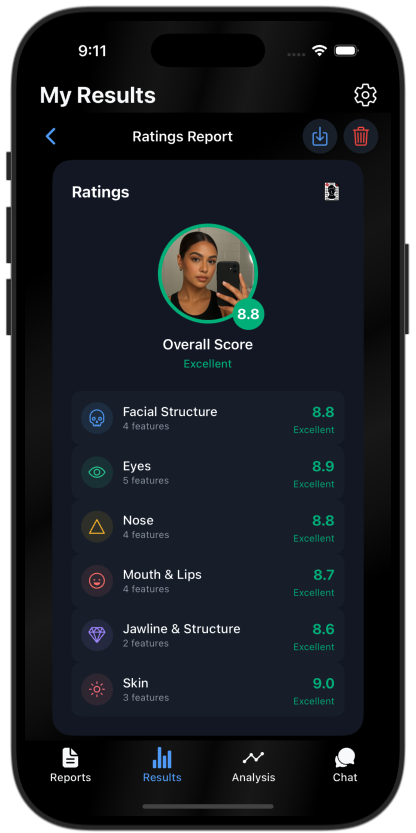
Consistency beats perfection. For personalized grooming tips, apps like Maxx Report analyze your skin and features for specific advice. Take monthly selfies in good lighting to track improvements.
Haircut, Beard, and Style for Your Face Shape
Choose a hairstyle and beard style by face shape for maximum effect. For example:
- Oval face: Most styles work—short sides, volume on top. Try a modern pompadour, crew cut, or side part.
- Square face: Faded sides, textured quiff, stubble or short boxed beard to emphasize strong jawlines without adding bulk.
- Round face: Height on top, minimal sides (undercut or fade), and angular beard to sharpen jaw and reduce facial roundness.
- Long face: Medium length, avoid too much height (which lengthens the face), full beard balances proportions by adding width to the jawline.
Take a photo facing directly forward, or use online tools (such as our Face Shape Quiz) to determine your face shape and get recommendations. Bring reference photos to your barber for clear communication.
Section 7: Dental Hygiene, Facial Hair, and Final Presentation
Dental Care: The Secret Weapon
- Brush teeth twice daily using a soft-bristled brush and fluoride toothpaste. Spend at least two minutes each session, covering all surfaces.
- Floss every night to remove plaque and prevent gum disease. If traditional floss is difficult, try floss picks or a water flosser.
- Mouthwash for breath and gum health. Choose an alcohol-free formula to avoid dry mouth.
- Regular dental checkups (every 6 months) and whitening strips if needed. Professional cleanings remove tartar and keep your smile bright.
Bright, healthy teeth and fresh breath are crucial for attractiveness and confidence. Whitening can be done with over-the-counter strips or professional treatments, but avoid overuse to prevent sensitivity. If you have concerns about alignment, consider clear aligners or consult with an orthodontist—a straighter smile can dramatically upgrade your appearance.
Facial Hair: Grooming and Maintenance
Pick a beard style by face shape: stubble for angular faces, fuller beards for longer faces, goatee for round faces. Use a trimmer with adjustable guards for even length, and outline the neckline about one inch above the Adam’s apple for a clean finish. Trim weekly and use beard oil for softness and shine—beard oil also moisturizes the skin underneath, preventing itch and flakiness.
Keep eyebrows tidy—plucking stray hairs (especially between the brows) and brushing them upward creates a sharper look. If you’re unsure about shaping, have them done professionally the first time.
Clothing Fit and Overall Presentation
- Fit matters more than brand: Shirts should skim your chest and arms, pants should break just above shoes. Avoid excessively baggy or tight clothing, as both can distort your proportions. Tailoring even inexpensive clothes makes a huge difference.
- Colors: Neutrals (black, grey, navy, white) are versatile; add one accent color (like a burgundy tee or olive jacket). Learn your skin undertone (warm, cool, neutral) for best color choices.
- Footwear: Clean, classic sneakers or boots. Dirty or worn-out shoes can undermine an otherwise sharp outfit. Polish leather shoes and replace laces as needed.
Accessories (watches, belts, simple bracelets) can add personality, but keep it minimal. For a next-level wardrobe, see how AI can help in our post on AI Fashion Consulting.
Section 8: Your 30-Day Glow Up Plan — Week by Week
Week 1: Foundation
- Start strength training (2-3 sessions). Focus on learning proper form and building consistency. Record your starting weights and reps for each exercise.
- Walk 8,000 steps daily. Use your phone or a fitness tracker. Try a 20-minute walk after dinner or park further from work to hit your target.
- Begin basic skincare routine (cleanser, moisturizer, SPF). Set products out by your toothbrush as a reminder.
- Declutter wardrobe and plan 2-3 go-to outfits. Donate anything ill-fitting or outdated.
- Take “before” photos from multiple angles, well-lit and shirtless if comfortable. These are key for tracking progress.
Week 2: Dialing In
- Add HIIT or cardio 2x per week. Try intervals after lifting or on separate days. Example: 20 minutes of 30s sprint/90s walk.
- Track protein and hydration with an app or journal. Aim for your daily protein target and 2+ liters water.
- Try a new hairstyle or book a barber appointment. Bring reference photos for best results.
- Start posture/mobility exercises daily. Spend 5-10 minutes stretching or foam rolling tight areas.
- Improve dental hygiene (start flossing nightly). Set a reminder by your toothbrush or sink.
Week 3: Refinement
- Increase workout intensity (add weights or sets). Focus on progressive overload and good form.
- Eliminate processed foods and reduce sodium/alcohol. Replace with whole food meals and snacks (fruit, yogurt, nuts).
- Trim facial hair, tidy eyebrows, and maintain grooming. Schedule a 15-minute self-care block each week.
- Introduce exfoliation to skincare routine (2-3x per week). Start slowly to avoid irritation.
- Prioritize 8 hours sleep nightly. Set a consistent bedtime and use a wind-down routine to improve quality.
Week 4: Show Results
- Wear your best-fitting clothes and experiment with a new look. Try layering pieces, new colors, or statement accessories.
- Take “after” photos to track progress. Compare with Week 1 photos to see changes in body, face, and style.
- Reflect on energy, confidence, and habit changes. Journal what worked and what you want to improve next month.
- Plan next 30 days for continued progress. Set new goals (higher weights, lower body fat, advanced skincare, etc).
For a tailored transformation plan, Maxx Report provides in-depth, AI-driven recommendations based on your real facial and body analysis. Personalized advice helps you prioritize the changes that will have the biggest impact, saving you time and effort.
Conclusion
A fitness glow up routine for men isn’t about overnight miracles—it’s about stacking small, proven habits that compound into dramatic results. Strength training, nutrition, and daily movement build your physique; skincare, grooming, and posture polish your appearance; while sleep and stress management tie it all together. Personalizing your approach—whether through self-discovery or with the help of AI tools like Maxx Report—delivers the best, fastest progress. Start today, track consistently, and in 30 days you’ll see and feel the difference. Remember, the journey is as important as the destination: these habits not only upgrade your look, but also your health, confidence, and the way you carry yourself in every aspect of life.
FAQ
Q: How do I glow up as a man in 30 days?
A: Focus on strength training, daily cardio, a simple skincare routine, grooming, and sleep. Track habits, eat whole foods, and choose flattering hair and beard styles. Consistency is key—small daily improvements add up to a visible glow up in a month. Use before and after photos to see your progress and stay motivated.
Q: What workout routine is best for a male glow up?
A: A mix of compound strength exercises (squats, deadlifts, presses, rows) 3-4 times a week, combined with HIIT or steady-state cardio 2-3 times weekly, delivers the fastest muscle gain and fat loss for a male glow up. Don’t neglect mobility and recovery for best results.
Q: How can I get leaner and more attractive fast?
A: Eat in a mild calorie deficit, prioritize protein and vegetables, do regular cardio, and lift weights. Cut processed foods and get enough sleep. Add daily skincare and grooming for a sharper, leaner look in weeks. Stay hydrated and manage stress for extra benefits.
Q: What should a man’s daily glow-up routine include?
A: Basic steps: morning and evening face cleansing, moisturizer and SPF, grooming (hair, beard, nails), strength or cardio training, healthy meals, hydration, and 7-9 hours sleep. Add posture and mobility work for best results.
Q: What are the best skincare and grooming basics for men?
A: Gentle cleanser, hydrating moisturizer, daily SPF, and weekly exfoliation. Trim hair, beard, and nails regularly, and keep teeth and brows tidy for a polished appearance. Consistency is more important than expensive products.
Q: Does posture really make you look more attractive?
A: Yes—good posture makes you look taller, more confident, and sharper. It improves facial definition and body shape, instantly upgrading your appearance. Practicing posture and body language daily will make these improvements natural and lasting.