
How AI Is Shaping Gen Z Fashion Trends: An Ultimate Guide
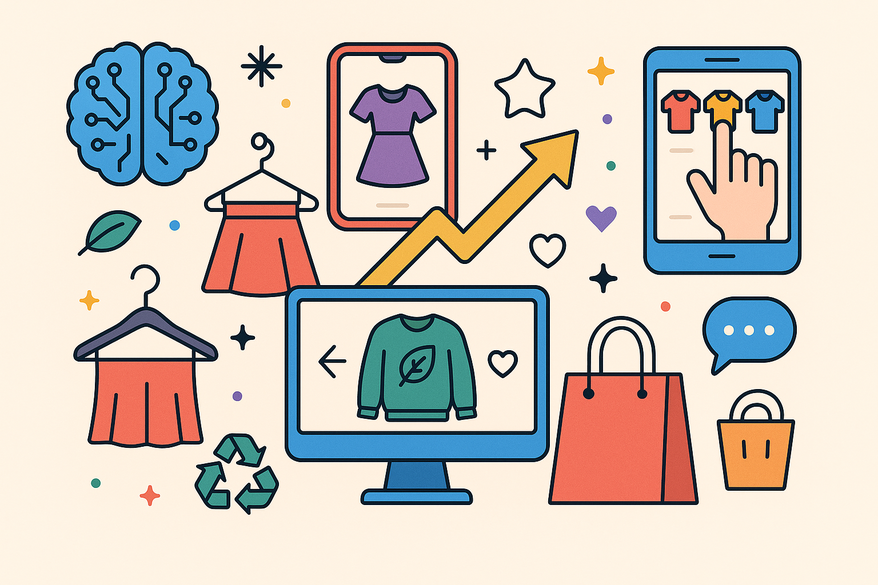
Discover how Gen Z fashion trends AI is transforming the industry with predictive personalization, sustainable innovation, and interactive shopping experiences.

Estimated reading time: 8 minutes
Key Takeaways
- AI-driven forecasting captures micro-trends from social media before they go mainstream.
- Personalization at scale delivers capsule drops and virtual try-ons tailored to Gen Z’s style ethos.
- Sustainability meets innovation as AI-driven design reduces waste and leverages eco-fabrics.
- Ethical challenges include data privacy, algorithmic bias, and cultural appropriation risks.
Table of Contents
- Introduction
- Section 1: Exploring Gen Z Fashion Trends
- Section 2: Understanding AI in the Fashion Context
- Section 3: The Intersection of AI and Gen Z Fashion
- Section 4: Benefits and Challenges of AI in Fashion
- Section 5: Future Outlook for AI in Fashion
- Conclusion
- FAQ
Introduction
Generation Z (born 1997–2012) has triggered seismic shifts in style, demanding personalization, sustainability, and bold self-expression. Gen Z fashion trends AI describes how artificial intelligence predicts and molds these preferences—an era where virtual stylists and predictive analytics deliver curated wardrobes. By fusing machine-learning algorithms with real-time social insights, AI fashion tools empower brands to release values-aligned, one-off collections that resonate with Gen Z’s eco-conscious, individuality-driven ethos.
With Gen Z’s purchasing power estimated at over $360 billion annually, their taste dictates runway directions and retail innovations. AI-powered platforms scan billions of TikTok videos, Instagram posts, and e-commerce transactions to forecast micro-trend waves before they crest. They then channel these insights into design, production, and immersive shopping experiences—reducing waste while amplifying style.
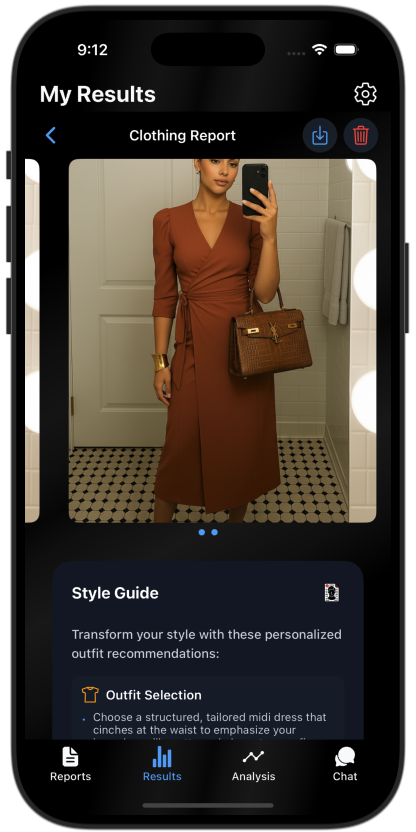
To get personalized style insights based on your own wardrobe photos, you might explore Maxx Report, which uses AI to analyze outfit combinations and recommend trend-aligned updates.
In this guide, we’ll explore how gen z fashion trends ai is redefining forecasting, design processes, and customer journeys. You’ll learn the mechanics of AI in fashion, see how it intersects with Gen Z’s maximalist, sustainable values, weigh benefits and challenges, and glimpse the future of ai fashion.
Section 1: Exploring Gen Z Fashion Trends
Defining Gen Z’s Style Ethos
Gen Z rejects rigid brand codes and minimalism. Their wardrobe is a canvas for self-expression—chaotic layering, ironic logo mashups, and thrifted treasures. They value:
- Maximalism: Loud color clashes, mixed textures, 3D-printed accessories—DIY couture that breaks rules.
- Individuality: Custom patches, homemade tie-dye, and one-of-a-kind upcycles guarantee anti-mainstream rarity.
- Sustainability: Eco-fabrics (Tencel, mushroom leather), vintage revivals, and resale platforms like Depop prove green style can also be bold.
- Digital Influence: TikTok micro-trends (“cottagecore” → “gorpcore”), AR filters, and influencer capsule drops drive instant global adoption.
Section 2: Understanding AI in the Fashion Context
What Is AI in Fashion?
AI in fashion blends:
- Machine Learning Algorithms – Analyze purchase history, social posts, and style preferences to detect emergent patterns.
- Predictive Analytics – Forecast shifts in aesthetic moods (e.g., “quiet luxury” → maximalism) before they go mainstream.
- Augmented Reality (AR) & Virtual Try-Ons – Let shoppers visualize outfits on personalized avatars, reducing return rates and increasing engagement.
Core Applications of Fashion AI
- Trend Forecasting via Social-Media Scans – Platforms crawl TikTok, Instagram hashtags (#cottagecore, #y2kfashion), identifying rising “-core” waves days before they break (see our deep dive).
- Predictive Analytics for Design Shifts – Data from Google Trends and e-commerce behavior reveals that comfort wear spikes after wellness trends.
- Virtual Try-Ons & 3D-Printed Accessories – AR mirror apps simulate fabric drape and fit in seconds.
Section 3: The Intersection of AI and Gen Z Fashion
Hyper-Personalized Forecasting & Design
AI enables brands to craft collections that resonate with each Gen Z shopper’s unique blend of maximalism and sustainability. By dissecting millions of data points—from Spotify playlists to click-through behavior—AI predicts which colors, cuts, and fabrics will resonate next season.
AI-Driven Personalization
- Custom Drops on TikTok Shop – Based on individual style scores, AI curates exclusive capsule collections that sell out within hours.
- Dynamic Pricing & Bundles – AI bundles eco-tees, recycled joggers, and AR-enabled sneakers into custom style packs tailored to browsing history.
Section 4: Benefits and Challenges of AI in Fashion
Benefits of AI in Fashion
- Enhanced Customer Experience – Personalized feeds reduce decision fatigue and boost satisfaction.
- Accelerated Design Innovation – Real-time trend data shortens R&D cycles dramatically.
- Industry Growth & Transparency – Blockchain integrations trace fabric origins, satisfying Gen Z’s ethical sourcing demands.
Challenges of AI in Fashion
- Ethical Concerns & Cultural Appropriation – AI must avoid commodifying sacred motifs without attribution.
- Data Privacy & Surveillance Fears – Harvesting user data raises GDPR and CCPA compliance issues.
- Algorithmic Bias & Exclusion – Brands need to audit AI models for fairness and inclusivity.
Section 5: Future Outlook for AI in Fashion
AI-Co-Designed Rarity by 2026
Generative models and smart fabrics will co-design hyper-custom techwear—jackets that adapt color via biometric feedback.
Immersive AR shopping, live AI stylists, and real-time dashboards tracking sustainability metrics will redefine how Gen Z interacts with fashion. For insights on upcoming AI style trend predictions, stay tuned as technology and style fuse ever more closely.
Conclusion
AI has revolutionized gen z fashion trends ai by delivering predictive personalization, eco-driven innovation, and interactive shopping that speaks to Gen Z’s maximalist and individualistic spirit. From AR try-ons for Y2K revivals to AI-crafted smart fabrics, the fusion of technology and style ensures faster design cycles, reduced waste, and hyper-customized wardrobes.
As brands navigate benefits and ethical challenges—privacy, bias, cultural appropriation—transparency and responsible AI will emerge as non-negotiables. Share your experiences: how has AI reshaped your fashion choices, and which Gen Z trend fueled by AI fashion excites you most?
FAQ
- How does AI predict Gen Z fashion trends?
AI scans social platforms, purchase data, and search queries to detect stylistic patterns, forecasting the next wave of micro-trends. - Are AI-driven fashion tools sustainable?
Yes—by optimizing inventory, reducing overproduction, and integrating eco-friendly materials, AI promotes greener design cycles. - Can I use an AI stylist today?
Several apps and platforms, like Maxx Report, offer virtual try-ons and personalized style recommendations based on your uploaded photos. - What ethical concerns should I watch for?
Data privacy, algorithmic bias, and cultural appropriation are key issues—look for brands committed to transparent, inclusive AI practices.