
Glow Up for Men with Dark Circles: A Complete Realistic Guide
Discover the ultimate glow up for men with dark circles. Learn skincare, lifestyle fixes, grooming tips, and how to look more attractive fast.

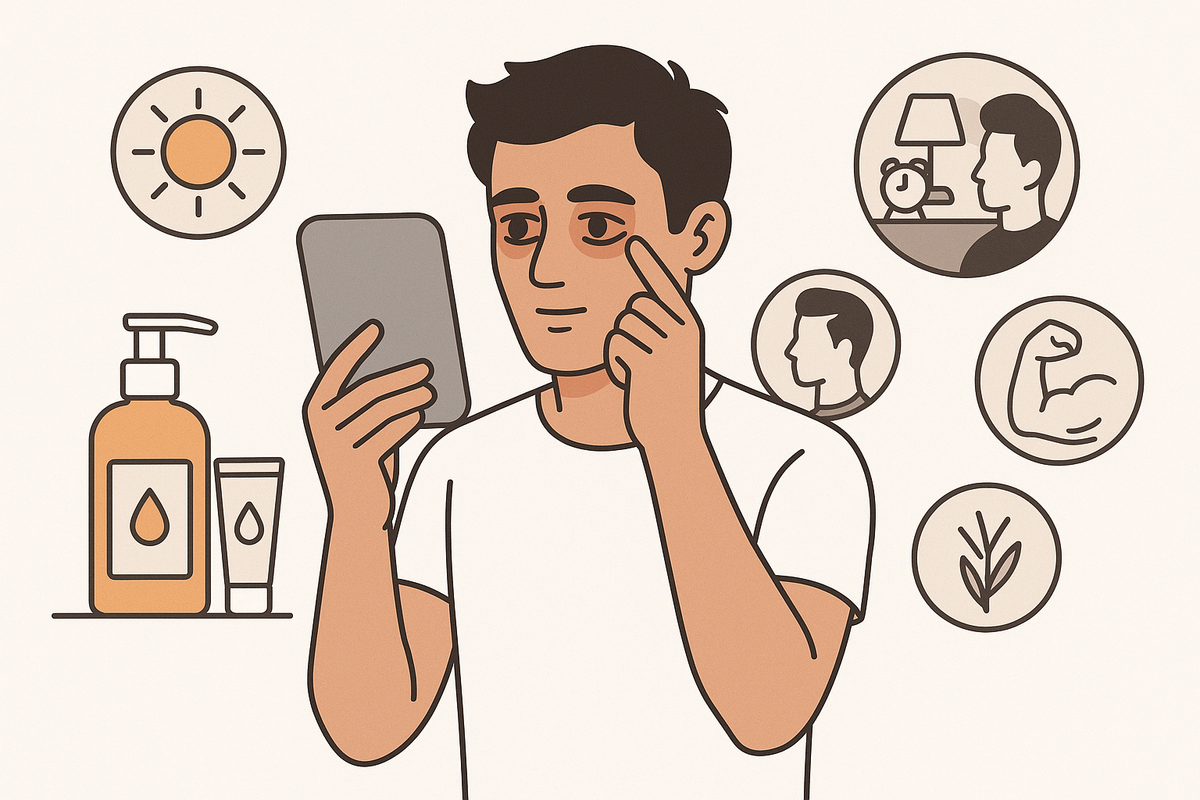
Estimated reading time: 14 min
Key Takeaways
- Dark circles in men are caused by genetics, lifestyle, and skin factors, but can be improved with targeted habits and skincare.
- A basic skincare routine, including cleanser, moisturizer, and sunscreen, is essential for a visible glow up.
- Targeted under-eye treatments and makeup can quickly minimize dark circles, while lifestyle fixes create lasting results.
- Grooming, hairstyle, and beard choices—matched to your face shape—complete the transformation.
- AI tools like Maxx Report personalize your glow up based on scientific facial analysis.
Table of Contents
- Section 1: The Real Causes of Dark Circles in Men
- Section 2: Building a Men’s Skincare Routine for a Glow Up
- Section 3: Targeted Under-Eye Treatments that Work
- Section 4: Hiding Dark Circles Fast with Men’s Makeup
- Section 5: Lifestyle and Home Remedies for Lasting Results
- Section 6: Grooming, Hair, and Beard for Face Shape Glow Up
- Section 7: Choosing the Right Products for Your Skin and Eyes
- Section 8: When to See a Dermatologist and Professional Options
- Conclusion
- FAQ
Section 1: The Real Causes of Dark Circles in Men
Genetics and Skin Structure
Dark circles under the eyes are often blamed on late nights and stress, but genetics play a huge role. Men with thinner skin or naturally more pigment in the under-eye area are more prone. Some men inherit deeper eye sockets or more visible blood vessels, making under-eye discoloration appear darker. If you notice that dark circles run in your family, it’s likely you have a genetic predisposition—meaning the structure and color of the skin beneath your eyes is inherited. For example, men of South Asian, Mediterranean, or Middle Eastern descent commonly have more pigment in their under-eye area, which can make dark circles look more pronounced even from a young age.
- Genetic factors determine skin thickness and coloration.
- Facial bone structure can create shadows that mimic dark circles.
In addition, the orbital bone—the bone that surrounds your eye—can be set deeper in some men, causing a natural shadow effect. This shadow can look like a dark circle even when the skin itself is healthy. For men with thin or translucent skin, the underlying blood vessels become more visible, creating a bluish, purple, or brownish hue under the eyes.
Lifestyle and Environmental Triggers
While you can’t change your genes, you can control triggers that make dark circles worse:
- Sleep deprivation: Not enough sleep increases blood flow to the under-eye area, causing puffiness and darkness. Just one or two nights of poor sleep can make vessels under the eyes dilate and become more prominent. Chronic sleep loss also leads to fluid retention, further worsening the appearance of circles.
- Dehydration: Skin appears dull and sunken when you’re not hydrated. Water plumps up skin cells, so without enough hydration, the area under your eyes looks hollow and shadows are accentuated. If you wake up in the morning and notice your circles are especially dark, dehydration may be the culprit.
- Allergies: Rubbing your eyes from allergies breaks blood vessels, deepening circles. Allergic reactions trigger histamine release, which causes itching and swelling. Men who suffer from hay fever or dust allergies often have chronic dark circles known as "allergic shiners."
- Smoking and alcohol: Both constrict blood vessels and thin the skin, making circles more visible. Smoking, in particular, damages collagen and elastin—proteins that keep skin firm—while alcohol dehydrates the body and can cause blood vessels to expand, both of which intensify dark circles.
Environmental factors such as pollution and exposure to UV rays can also accelerate skin aging and worsen pigmentation, making circles more prominent over time.
Skin Aging and Lifestyle Habits
As men age, collagen and fat under the eyes decrease, making blood vessels and pigmentation more obvious. Starting around your late 20s to early 30s, the body’s natural collagen production slows down by about 1% per year. This leads to thinner, more fragile skin that reveals the underlying vessels and hollows. The fat pads that provide youthful fullness to the under-eye area also shrink and descend with age, creating a sunken look and shadowing.
Poor diet, excessive screen time, and inconsistent skincare can accelerate this process. A diet high in sugars and processed foods promotes inflammation, which weakens skin structure. Spending long hours staring at screens causes eye strain and may lead to rubbing or squinting, further aggravating the appearance of dark circles. Inconsistent skincare—such as skipping sunscreen or not moisturizing—lets sun damage and dryness take hold, both of which make circles more obvious. Healthy habits and grooming tips for men become essential as you get older to maintain a more youthful and energetic appearance.
Section 2: Building a Men’s Skincare Routine for a Glow Up
The Core Routine: Cleanser, Moisturizer, Sunscreen
Learning how to glow up as a man starts with a simple yet consistent skincare routine. Most guys skip steps or use harsh products, but the essentials are straightforward:
- Gentle cleanser (AM/PM): Removes oil, sweat, and dirt without stripping skin. A mild foaming or cream cleanser (free of sulfates and alcohol) is ideal for most men. Cleansing in the morning removes sweat and oil built up overnight, while cleansing at night washes away grime and pollution from the day.
- Moisturizer: Keeps the under-eye area hydrated, reducing darkness and puffiness. Hydration plumps up skin, making vessels and pigmentation less visible. Look for ingredients like glycerin, ceramides, or hyaluronic acid. Use a lighter gel moisturizer if you have oily skin, or a thicker cream if you have dry skin.
- Sunscreen (SPF 30+): Prevents sun damage and hyperpigmentation that worsen circles. Daily application of broad-spectrum sunscreen protects fragile under-eye skin from UV rays. Even on cloudy days, UV can penetrate and damage skin, so make sunscreen a non-negotiable step.
Stick to fragrance-free, non-comedogenic formulas to avoid irritation. Apply moisturizer and sunscreen all the way up to the lower eyelid—but avoid getting product in the eye. Be gentle when applying; never rub or drag the skin, as this can cause micro-tears and worsen circles.
Consistency Beats Perfection
Results come from consistency. Even the best products won’t work if used sporadically. Make your skincare routine as automatic as brushing your teeth. Consistent use helps maintain skin hydration, prevent sun damage, and gradually brighten the under-eye area. Don’t expect overnight miracles—most people see visible improvement in 4-8 weeks of daily use.
- Apply products twice daily for best results, morning and evening.
- Set reminders or pair with another habit (like after shaving or brushing teeth) to build the routine. Leave products out on your sink or in the shower as a visual cue.
Missing a day or two won’t undo your progress, but string together weeks of consistent care and you’ll notice a healthier, more vibrant complexion that supports your overall glow up.
Upgrading Your Routine Over Time
Once you’ve nailed the basics, consider adding a serum with antioxidants (like vitamin C) or niacinamide. These ingredients brighten skin tone, fade pigmentation, and reduce signs of fatigue. Vitamin C serums can help even out skin tone and boost collagen synthesis. Niacinamide (vitamin B3) has the added benefit of strengthening the skin barrier and reducing inflammation. Introduce these products gradually—start with every other day to avoid irritation, then increase frequency as tolerated.
For those who want to take things to the next level, exfoliate gently 1-2 times per week using a mild chemical exfoliant (such as lactic or mandelic acid) to remove dead skin cells and promote a smoother, brighter under-eye area. Always follow up with moisturizer and sunscreen, as exfoliation can make skin more sensitive to the sun. For personalized advice, use an AI analysis like Maxx Report to get a tailored skincare and transformation plan that considers your facial structure, skin type, and unique concerns.
Section 3: Targeted Under-Eye Treatments that Work
Eye Creams and Serums: Ingredients That Matter
Not all eye creams are created equal. Look for formulas containing:
- Caffeine: Constricts blood vessels, reducing puffiness and darkness quickly. Caffeine is a vasoconstrictor, which means it temporarily narrows blood vessels, making vessels under the skin less visible. Apply in the morning to look more awake before work or social events.
- Niacinamide: Fades pigmentation and strengthens the skin barrier. Niacinamide is particularly effective for brownish dark circles caused by excess melanin or post-inflammatory hyperpigmentation.
- Vitamin C: Brightens and boosts collagen. Choose a stabilized form (like sodium ascorbyl phosphate) for the delicate under-eye area.
- Retinol: Increases cell turnover, thickening under-eye skin over time. Retinol (a vitamin A derivative) is one of the few ingredients proven to stimulate collagen, making skin firmer and less translucent. Start with a low concentration (0.01-0.03%) and use only at night, as retinol can cause sensitivity and dryness.
- Hyaluronic acid: Plumps and hydrates for a less sunken look. This powerful humectant draws water into the skin, making fine lines and hollows less noticeable.
Apply a small amount using your ring finger, tapping gently to avoid tugging delicate skin. Use eye creams after cleansing and before moisturizer. Avoid getting product too close to the lash line to prevent irritation.
Hydrating Balms and Masks
Hydrogel eye patches and under-eye masks deliver an instant cooling effect, reducing puffiness before events. These patches are infused with ingredients like caffeine, peptides, or hyaluronic acid, and can be stored in the fridge for extra de-puffing power. Use them before going out, after a long night, or whenever your eyes look especially tired. Even five to ten minutes can help reduce swelling and refresh your appearance. Some men use reusable silicone eye patches with their favorite serum for a customized treatment.
Are Eye Creams Worth It?
Eye creams work best for mild circles and early prevention. For severe pigmentation or hollowness, they help but may not fully erase circles. If your circles are caused by genetics or significant fat loss, topical products can only do so much. Combine with other glow up strategies for the best results, such as lifestyle changes, targeted makeup, and professional treatments. Read more about science-backed facial proportions and tips in Golden Ratio Face: The Science of Perfect Facial Proportions to understand how small improvements can make a big visual impact.
Section 4: Hiding Dark Circles Fast with Men’s Makeup
Color Correctors and Concealers for Men
For instant results, makeup is the go-to solution. Modern men’s skin products are subtle and easy to use—no one has to know you’re wearing them. Here’s how to get started:
- Peach or orange corrector: Neutralizes blue/purple tones under the eyes. Use a thin layer directly on the dark area. For light to medium skin, peach is best; for medium to deep skin, choose a deeper orange shade.
- Cream concealer: Matches your skin tone; dab on top of the corrector and blend. Choose a formula that’s creamy but not greasy, and offers medium to full coverage. Concealer can also be used to hide blemishes, redness, and any uneven patches elsewhere on the face.
Look for products labeled "non-comedogenic" and "long-wearing" to avoid clogging pores or smudging throughout the day. Brands like NARS, Maybelline, and Fenty have shades designed for a wide range of skin tones.
Shade Matching and Blending
Choose a concealer one shade lighter than your skin. This brightens the under-eye area without making it look unnatural. Dot a small amount of product in a triangle shape under your eyes, then tap with your finger or a damp makeup sponge to blend. Never swipe or pile it on—this can make product settle into fine lines and look cakey. Always check your makeup in natural light before heading out, as artificial lighting can distort color.
Blend the edges into your cheek for a seamless transition. If you have facial hair, use a small brush to blend product along the beard line for a natural fade. Set with a tiny amount of translucent powder if you have oily skin or need extra longevity.
How to Look More Attractive as a Man—Without Obvious Makeup
Opt for lightweight formulas. Less is more: your goal is to look fresher, not made up. A little concealer under the eyes, around the nose, and on blemishes can make you look well-rested without drawing attention. Tinted moisturizers or BB creams are also good options for men who want all-over evening of the skin tone without a heavy finish. Avoid shimmery or overly dewy products, as these can highlight puffiness or uneven texture.
If you’re new to makeup, practice applying at home before a big event. Digital tools like Digital Makeover: How AI Transforms Your Look Instantly can show you how subtle changes will look on your face, so you can build confidence before going public with your new routine.

Section 5: Lifestyle and Home Remedies for Lasting Results
Quality Sleep and a Consistent Schedule
Lack of sleep is one of the most common and fixable causes of dark circles in men. Aim for 7-9 hours per night and stick to a regular bedtime—even on weekends. Establish a pre-bedtime routine (such as reading, meditation, or listening to calm music) to help your body wind down. Sleep with your head slightly elevated to prevent fluid pooling under your eyes; use an extra pillow if needed. If you struggle with sleep, avoid caffeine late in the day and limit screen time an hour before bed to reduce blue light exposure, which can disrupt melatonin production.
Hydration and Diet
Drink at least 2 liters of water daily—a reusable bottle can help you track your intake. Reduce salty foods and processed snacks that cause water retention and puffiness. Many men are surprised by how much sodium is in everyday foods like bread, canned soups, and deli meats. Add vitamin C-rich foods (citrus, berries, kiwi, bell peppers) to help support collagen production and brighten skin. If you’re prone to anemia, increase your intake of iron sources (lean meats, leafy greens, beans), as low iron can worsen dark circles by reducing oxygen delivery to skin tissues. Limit alcohol consumption, as it dehydrates the body and expands blood vessels under the eyes.
Home Remedies: Cold Compress, Tea Bags, and Cucumber
- Cold spoon or compress: Place over eyes for 5-10 minutes to constrict blood vessels and reduce swelling. Keep two metal spoons in the fridge for a quick fix after a late night.
- Chilled tea bags: Antioxidants and caffeine reduce swelling. Steep two green or black tea bags, cool them in the fridge, then place over your closed eyes for 10-15 minutes. The caffeine constricts blood vessels, while antioxidants calm inflammation.
- Cucumber slices: Hydrate and soothe the skin. Cucumber is rich in vitamin K and has a cooling effect, making it a classic home remedy for tired, puffy eyes.
Use these before important events for a visible boost, but don’t rely on them for permanent change. These remedies provide temporary improvement by reducing fluid build-up and calming inflammation, but they won’t address deeper pigmentation or structural issues. Pair these with a robust men’s skincare routine for the best glow up. For persistent circles, combine home remedies with lifestyle changes and targeted skincare for a multi-pronged approach.
Section 6: Grooming, Hair, and Beard for Face Shape Glow Up
Why Face Shape Matters
Your face shape determines which hairstyles and beard styles make you look most attractive. A well-chosen cut or beard can draw attention away from dark circles and highlight your best features. For a scientific approach, try the Face Shape Quiz: Discover Your Perfect Look With AI Analysis. Understanding your face shape is crucial for making style choices that create balance and symmetry. For example, if you have a longer face, adding width with your hairstyle or beard can make you look more proportionate and less tired. The right hair or beard can even create the illusion of higher cheekbones or a stronger jawline, subtly detracting from under-eye shadows.
Hairstyle for Your Face Shape (Men)
- Oval face: Most styles work; experiment with textured crops, classic fades, or messy quiffs. Avoid styles that hang in your eyes, as these can cast shadows and accentuate circles. Shorter sides with some volume on top look especially flattering.
- Square face: Undercuts or side parts soften the jawline. Go for a layered top or side-swept fringe to balance strong angles. Avoid ultra-short buzz cuts if you want to downplay a prominent jaw.
- Round face: Add height on top; avoid bulk on the sides. Pompadours, faux hawks, or spiky styles elongate your face. Keep the sides tight and the top longer to create a more angular appearance.
- Long face: Choose styles with volume at the sides to balance proportions. Mid-length cuts with waves or curls work well. Avoid hairstyles that are too tall on top, as these can make your face look even longer.
Ask your barber for advice tailored to your face shape, hair texture, and personal style. A good stylist will know how to adjust a cut to bring out your best features and minimize less desirable ones.
Beard Style by Face Shape
- Round face: Go for a short boxed beard or a goatee to create angles and lengthen the face. Avoid full, bushy beards that add width.
- Square face: Keep beard edges rounded or faded. A circle beard or short stubble softens sharp jawlines. For a more modern look, fade the beard into the sideburns for a seamless transition.
- Long face: Shorten the length, add fullness to the sides. Mutton chops or a well-groomed full beard can help balance vertical proportions. Avoid long, pointed beards that elongate the chin.
Regular grooming—trimming, shaping, and moisturizing—keeps your look sharp and draws attention upward. Wash your beard with a gentle cleanser and condition regularly to prevent dryness and flaking. Beard oils with ingredients like jojoba or argan oil nourish hair and skin, adding shine and preventing itchiness. Pair these choices with your new skincare habits for a holistic glow up. For next-level wardrobe and styling advice, see AI Fashion Consultant: Revolutionizing Personal Style in 2024.
Section 7: Choosing the Right Products for Your Skin and Eyes
Understand Your Skin Type
Before buying products, determine if your skin is oily, dry, combination, or sensitive. The wrong formula can worsen under-eye issues:
- Oily skin: Use gel-based cleansers and lightweight, oil-free moisturizers. Avoid heavy creams that can clog pores and worsen puffiness.
- Dry skin: Look for creamy cleansers and rich, hydrating eye creams with ingredients like shea butter, squalane, and ceramides. These help restore the skin's natural barrier, preventing dehydration and irritation.
- Combination skin: Use non-comedogenic, balanced products that hydrate without clogging pores. You may need to adjust your routine seasonally—lighter products in summer, richer ones in winter.
If your skin is sensitive, look for minimal ingredient lists, avoid strong fragrances or alcohols, and patch test new products on the inside of your wrist before applying to your face. Irritation can worsen the appearance of dark circles, so always err on the side of caution.
Targeting Under-Eye Concerns
- Puffiness: Caffeine and cooling gels are best. Apply in the morning to reduce swelling from fluid build-up.
- Pigmentation: Vitamin C, niacinamide, and gentle brightening agents help. Consistent use over several weeks is needed to fade dark spots.
- Hollowness: Focus on hydration and cosmetics for instant plumping. Hyaluronic acid-based serums can provide a temporary filling effect, while concealer brightens and camouflages sunken shadows.
Don’t mix too many active ingredients at once (like retinol, acids, and vitamin C), especially under the eyes. Introduce new products gradually and observe how your skin reacts. Consult the product’s instructions or ask a dermatologist if you’re unsure about layering.
AI Recommendations and Personalization
If you’re overwhelmed by product choices, AI-powered analysis like Maxx Report scans your face and suggests specific brands and products based on your skin, dark circles, and overall features. This next-gen approach makes it easier to find exactly what works for you, not just generic advice. For example, Maxx Report can identify if your dark circles are due to thin skin, pigmentation, or hollowness and recommend targeted solutions—such as a peptide-rich cream for firmness or a vitamin C serum for brightening. The app can also analyze your beard and hair growth patterns to suggest grooming products that suit your facial structure. Learn more about the science behind these recommendations in How Do Automated Beauty Recommendations Work? Explained Simply.
Section 8: When to See a Dermatologist and Professional Options
When Dark Circles Need Medical Help
If your dark circles:
- Are severe and don’t improve with sleep, hydration, or skincare after several months of consistent effort
- Are accompanied by swelling, redness, or pain—these could be signs of infection, inflammation, or other underlying medical conditions
- Develop suddenly or worsen quickly, especially if associated with other symptoms like fever or vision changes
...it’s time to consult a dermatologist. There may be underlying health or allergy issues at play, such as eczema, atopic dermatitis, or thyroid disorders. A doctor can perform tests or refer you to a specialist if necessary. Don’t ignore new or rapidly changing symptoms, as these could be signs of something more serious than cosmetic concerns.
Professional Treatments
- Chemical peels: Target pigmentation and brighten the under-eye area. Mild peels with glycolic or lactic acid can lighten hyperpigmentation and improve skin texture. Several sessions may be required, depending on the severity of your circles and your skin’s sensitivity.
- Laser therapy: Reduces visible blood vessels and boosts collagen. Lasers such as pulsed dye or fractional lasers can target vascular (blue/purple) circles and stimulate collagen to thicken the skin. Each session takes about 15-30 minutes, with minimal downtime, but multiple sessions may be needed for optimal results.
- Filler injections: Add volume to hollow eyes, reducing shadowing. Hyaluronic acid fillers can be injected in the tear troughs to fill in hollows that create dark shadows. Results are immediate and can last 6-18 months, but should only be performed by an experienced injector to avoid complications.
These treatments are powerful but require a professional assessment for safety and optimal results. Costs vary widely depending on your location and the provider’s expertise, so schedule a consultation to discuss your goals and budget. Dermatologists can also prescribe topical creams with higher concentrations of active ingredients than those available over the counter, which may be more effective for stubborn cases.
Combining Professional and At-Home Care
The best outcomes often come from combining doctor-approved procedures with a strong at-home men’s skincare routine and lifestyle changes. For example, after a filler or laser session, your dermatologist may recommend avoiding sun exposure, using gentle cleansers, and applying soothing creams to aid recovery. Don’t neglect the basics even if you opt for an in-office solution—sunscreen, hydration, and sleep remain essential to maintain and prolong your results. Remember that even with professional help, realistic expectations are key: some genetic or structural causes of dark circles can be improved, but not always fully erased.
Conclusion
Glowing up as a man with dark circles is completely achievable with a strategic, realistic approach. Start with a basic skincare routine, add targeted under-eye treatments, and learn quick makeup tricks for instant results. Support your glow up with lifestyle changes, grooming, and style choices that flatter your unique face shape. Remember, the most effective transformations take time and consistency—don’t be discouraged by slow progress. When you’re ready for a personalized transformation, let AI-powered apps like Maxx Report give you actionable, data-driven recommendations. Your most attractive, confident self is within reach—and the journey starts with small, consistent upgrades every day. Whether your circles are genetic, lifestyle-related, or a combination of factors, a holistic approach that addresses skin, health, and style will give you the best shot at lasting improvement. Commit to the process, experiment with different techniques, and don’t hesitate to seek professional advice if needed. You’ll not only look more energized and attractive, but you’ll also feel a renewed sense of self-confidence in every aspect of your life.
FAQ
Q: How can men get rid of dark circles fast?
A: Quick fixes include using a cold compress, hydrating eye patches, and applying a peach-toned corrector and concealer. For best long-term results, combine a solid skincare routine, good sleep, and hydration.
Q: What is the best concealer for dark circles on men?
A: Choose a creamy, lightweight concealer just one shade lighter than your skin. Brands like NARS, Maybelline, and Fenty offer subtle options. Always blend well for a natural finish.
Q: Do eye creams actually work for dark circles under the eyes?
A: Eye creams help with mild circles, puffiness, and prevention—especially those with caffeine, vitamin C, or niacinamide. For severe cases, combine with lifestyle fixes and, if needed, professional treatments.
Q: What causes dark circles in men?
A: Genetics, sleep loss, dehydration, allergies, smoking, alcohol, and natural skin thinning all contribute. Some men are more prone due to facial bone structure or pigmentation.
Q: How do you hide dark circles without looking like you’re wearing makeup?
A: Use a minimal amount of corrector and concealer, tapping gently with your finger or sponge, and blend thoroughly. Choose a lightweight, skin-like formula that matches your tone.
Q: Can lack of sleep cause dark circles and eye bags?
A: Yes. Sleep deprivation increases blood flow and fluid retention under the eyes, causing both dark circles and puffiness. A regular sleep schedule is one of the most effective remedies.