gua sha for men: Guide to Jawline, Face Sculpting & Real Results
gua sha for men: Learn evidence-based jawline tips, face sculpting, routines, oils, and safety. Honest guide to what really works for men’s facial definition.
Estimated reading time: 15 min
Key Takeaways
- Gua sha for men can enhance jawline definition, reduce puffiness, and improve skin health—but only with proper technique.
- Combining gua sha with evidence-based practices (fat loss, posture, mewing) delivers the best jawline results.
- Choosing the right tool, oil, and pressure is crucial for safe and effective men’s facial gua sha routines.
- Jawline exercisers and extreme gimmicks are largely ineffective or risky—focus on proven methods.
- Consistency matters: Regular, gentle gua sha and healthy habits support visible facial improvements.
Table of Contents
- Section 1: What Is Gua Sha for Men? Real Benefits Explained
- Section 2: The Science—What Really Works for Men’s Jawlines?
- Section 3: How to Use Gua Sha for Men’s Faces—Step-by-Step Routine
- Section 4: Best Gua Sha Strokes, Tools, and Oils for Men
- Section 5: Beyond Gua Sha—Evidence-Based Jawline & Face Sculpting Tips
- Section 6: Gua Sha Safety Tips & Common Mistakes for Men
- Conclusion
- FAQ
Section 1: What Is Gua Sha for Men? Real Benefits Explained
1.1 Gua Sha: Not Just for Women
Gua sha—a traditional East Asian tool-based massage—has exploded in popularity for facial sculpting, but it's not just a "women's skincare trend." Gua sha for men is gaining traction among those looking to define their jawline, reduce puffiness, and improve skin health. The beauty of gua sha is its simplicity and accessibility: all you need is a smooth-edged stone and a few minutes a day.
The growing interest among men isn’t surprising. Modern grooming standards have evolved, and men are increasingly proactive about their skin health and facial appearance. Unlike elaborate skincare routines, gua sha is low-maintenance: a tool easily fits into a dopp kit, and the technique can be learned quickly. Its appeal lies in being both practical and effective—making it a favorite for men who want visible results without fuss. Many male athletes and actors now incorporate gua sha for muscle recovery and facial maintenance, further breaking the stereotype that facial care is gendered.
1.2 What Happens When Men Use Gua Sha?
- Improved blood flow: Gentle scraping increases circulation, leading to brighter, healthier skin. Better blood flow delivers more oxygen and nutrients to skin cells, promoting healing and a natural glow. Many men notice a healthier skin tone after a few sessions, especially if they have dull or tired-looking skin from stress, lack of sleep, or pollution.
- Lymphatic drainage: Gua sha moves stagnant fluids, reducing puffiness—especially after a salty meal or poor sleep. This effect is particularly noticeable in the morning, when the face may appear swollen. By directing fluid toward lymph nodes, gua sha helps decongest the face so features look sharper and less bloated.
- Tension relief: Daily stress manifests in jaw clenching and tight necks. Gua sha loosens these areas. Men who grind their teeth or work long hours at a desk often accumulate tension along the jawline, temples, and neck. Regular gua sha can alleviate these discomforts, reducing the risk of headaches and improving range of motion.
- Jawline definition: While it won’t chisel bone, gua sha can temporarily sharpen facial contours by reducing swelling and smoothing tissue. This is especially helpful before important events or photos—think of it as a quick way to look more rested and defined without drastic measures.
1.3 What Gua Sha Will (and Won’t) Do for Men
While gua sha can enhance your natural contours, it’s not a magical fix for a square jaw or dramatic fat loss. Its main powers are:
- Immediate (but temporary) sculpting from de-puffing. You may notice a sharper jawline or cheekbones after a single session, but this effect lasts hours to a day—not permanently. It’s ideal for special occasions or as part of a regular grooming routine.
- Gradual improvement in skin quality and muscle tension with regular use. Over weeks, you may see fewer breakouts, improved skin texture, and reduced jaw tension. Some men report that regular gua sha helps them manage stress and even headaches.
It won’t: alter bone structure, melt fat, or offer permanent reshaping. For lasting change, combine gua sha with lifestyle strategies (see Section 5). It’s important to set realistic expectations. Gua sha is a supportive tool, not a substitute for healthy habits or medical interventions.
Section 2: The Science—What Really Works for Men’s Jawlines?
2.1 Jawline Reality Check: Genetics, Fat, and Fluid
Men’s jawlines are shaped by bone, muscle, skin, and body fat. While you can’t change genetics, you can optimize what you have. Understanding what actually works is crucial before investing in tools or routines.
- Lowering body fat: The leaner you are, the more your jaw and cheekbones show. Facial fat responds to overall fat loss—not spot treatments. For instance, a man dropping from 20% to 12% body fat will often see noticeably sharper facial contours. This is why actors and models with defined jawlines almost always maintain low body fat percentages through diet and exercise.
- Reducing bloat: Salt, late nights, and alcohol can cause facial swelling. Gua sha and hydration help, but so does a lower sodium diet. Even a single night of poor sleep or a salty dinner can cause enough puffiness to obscure the jawline. That’s why gua sha is a useful tool for quickly addressing transient swelling, but it cannot counteract chronic puffiness from poor lifestyle habits.
- Posture and muscle tone: Chronic neck flexion ("tech neck") softens the jawline. Good posture and targeted exercises support sharper features. Constantly looking down at devices causes the skin and tissue under the chin to sag over time. Men who practice good posture—head level, shoulders back—often look instantly more defined, even before making any other changes. Strengthening neck and jaw muscles (through chewing, neck exercises, or tongue posture) can also make subtle improvements.
Case study: Consider two men with similar bone structure. One has a BMI of 28, slouched posture, and a high-sodium diet; the other has a BMI of 22, good posture, and a balanced diet. The latter will almost always have a more prominent jawline, even if their bone structure is identical. This illustrates how much lifestyle factors matter for facial aesthetics.
2.2 Debunking Gimmicks: What Doesn’t Work
- Jawline exercisers: Most studies show these can cause muscle fatigue or TMJ problems without visible benefits. Devices marketed as "jaw trainers" or "chew balls" can strain the jaw joint, leading to discomfort, pain, or even long-term dysfunction. The masseter muscle (the jaw muscle) is already strong from daily chewing; overworking it can lead to a bulky, square lower face rather than a chiseled look.
- Bone-smashing: This dangerous trend risks permanent damage and is not recommended. Social media has popularized risky techniques like "bone smashing," which involves intentionally hitting the jaw with hard objects to promote bone growth. There is zero scientific support for this, and it can cause fractures, nerve damage, and deformity.
- Miracle creams: No topical can "burn fat" or permanently sculpt the jawline. Creams may temporarily tighten skin or moisturize, but claims of permanent jawline contouring are marketing hype. Stick to proven strategies—don’t waste money on unproven products.
2.3 What Is Mewing? Does Mewing Work?
Mewing involves correct tongue posture (pressed to the roof of the mouth), with claims of jawline enhancement. While some orthodontists believe it can improve facial harmony in young people, scientific evidence in adults is limited. For more on how facial structure and harmony affect your look, explore the Golden Ratio Face guide.
For men, mewing is best seen as a posture habit—keeping the tongue up, lips sealed, and breathing through the nose. This helps support the palate and can subtly improve the angle of the jaw and neck, especially in younger individuals. For adults, mewing may not lead to dramatic bone changes, but it can still help with facial posture, reduce double chin appearance, and support nasal breathing (which itself has benefits for sleep and facial muscle tone).
Section 3: How to Use Gua Sha for Men’s Faces—Step-by-Step Routine
3.1 Preparation: Cleanse, Oil, and Choose Your Tool
- Cleanse: Start with a clean face to avoid pushing dirt into pores. Use a gentle cleanser suitable for your skin type—gel cleansers for oily skin, cream cleansers for dry or sensitive skin. This step is crucial, especially for men who are prone to acne or ingrown hairs.
- Apply oil or serum: This prevents tugging. Men can use jojoba, squalane, or a lightweight facial oil. See Section 4 for details. Apply a few drops to your palms and gently massage into your skin. If you have a beard or stubble, make sure to work the oil through the hair to avoid snagging.
- Pick your tool: Jade, stainless steel, or rose quartz, with an edge that fits your jaw and cheek. Stainless steel is best for men with thicker skin or facial hair, while stone tools provide a cooling sensation that can help further reduce puffiness.
Optional: For a more refreshing experience, chill your gua sha tool in the fridge for 5–10 minutes before use. The coolness helps further constrict blood vessels and reduce swelling.
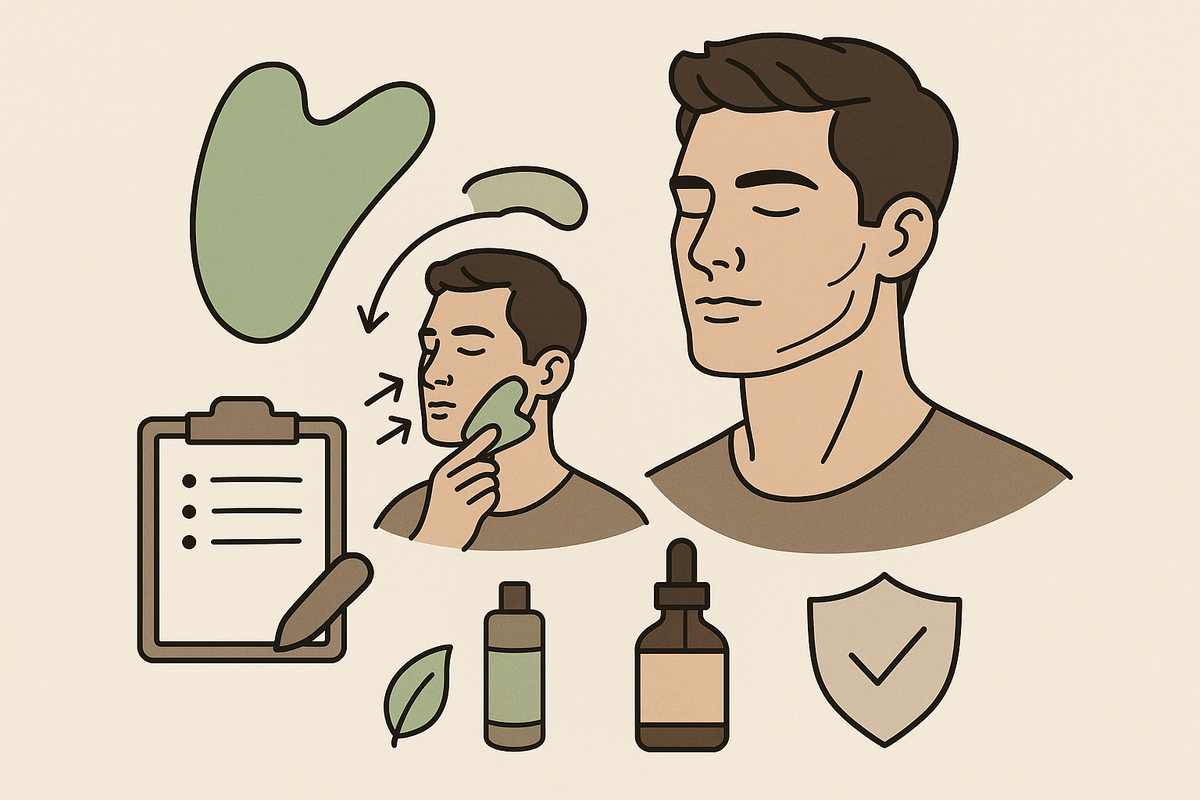
3.2 Gua Sha for Jawline, Cheekbones, Neck & Forehead
- Jawline: Start at the chin and sweep along the jaw up to the ear. Use gentle to moderate pressure, holding skin taut if needed. Angle the tool at 15–30 degrees for best glide. Repeat each side 5–10 times, alternating hands for symmetry.
- Cheekbones: Sweep from the side of the nose out toward the temple, gliding over the cheekbone. Keep pressure light to avoid bruising delicate skin. This stroke helps lift and contour the cheeks, making the face appear more angular.
- Forehead: Begin between the brows and stroke upward toward the hairline. Use the flat edge of your tool and moderate pressure. This can help relieve tension headaches and soften frown lines.
- Neck: Always finish by moving down the neck to encourage fluid drainage. Start behind the ear and glide down toward the collarbone, repeating 5–10 times per side. Never drag upward on the neck; always guide fluid downward toward the lymph nodes.
Repeat each stroke 5–10 times per area. Use your non-dominant hand to anchor the skin, especially over stubble or beard.
Men with facial hair should pay attention to the direction of hair growth to avoid pulling. If you have a short beard, glide the tool with the grain of the hair, not against it. For longer beards, use a slightly heavier tool and plenty of oil to ensure smooth movement.
3.3 How Often Should Men Use Gua Sha?
- For best results, 3–5 times per week is ideal. Daily use is fine if your skin tolerates it. If your skin becomes irritated or overly sensitive, reduce frequency.
- Each session: 5–10 minutes, focusing on trouble spots (jaw, cheeks, neck). Consistent sessions yield the best improvements over time.
Consistency matters more than intensity. Overdoing it can cause irritation or bruising. Start with light pressure and gradually increase as your skin adapts. If you experience persistent redness or discomfort, take a few days off and reassess your technique or pressure.
Pro tip: Take before and after photos (under the same lighting conditions) every few weeks to objectively track subtle changes in jawline definition and skin quality.
Section 4: Best Gua Sha Strokes, Tools, and Oils for Men
4.1 The Right Strokes for Men’s Faces
- Jawline definition: Use the notched edge of your tool, angle at 15–30°, and glide with smooth, upward motions. Start at the center of the chin, following the curve of your jawbone to just below the earlobe. This technique helps move fluid out of the lower face, preventing buildup that can soften jaw definition.
- Cheekbone lift: Employ gentle, outward strokes over the cheekbone, not pressing into bone. Begin at the side of the nose and sweep toward the temple. This can help with sinus drainage, especially during allergy season, and create a subtle lifting effect.
- Neck and shoulder tension: Use longer, downward strokes along the sides and back of the neck, targeting tight spots. For men who experience trapezius tightness (from computer work or weightlifting), use the flat side of the tool to massage these muscles, starting at the base of the skull and moving toward the shoulder.
Each stroke should be slow and deliberate, lasting 2–3 seconds. Pause for a deep breath between passes, especially when working on tension points. Never rush—this is as much about stress relief as aesthetics.
4.2 Choosing the Best Gua Sha Tool for Men
- Material: Stainless steel is durable, easy to clean, and great for men with beards or rougher skin. Jade or quartz offer a cooler feel. Stainless steel tools are also less likely to harbor bacteria, making them ideal for acne-prone or sensitive skin.
- Shape: Look for a tool with a notched or comb edge for jawlines and a broad flat side for cheeks and forehead. Some tools come with ridged edges for deeper tissue work—these can be helpful for the back of the neck or shoulders, but use caution on the face to avoid irritation.
Size matters: Men with larger hands or faces may prefer larger-sized tools for a more comfortable grip and coverage. Test different shapes and weights to find what feels most natural for your features and routine.
4.3 What Oil Should Men Use with Gua Sha?
- Jojoba oil: Lightweight, non-comedogenic, and ideal for all skin types—including oily or acne-prone. Jojoba closely mimics the skin’s natural sebum, reducing the risk of breakouts or clogged pores.
- Squalane: Absorbs quickly, leaves no greasiness, and is excellent for sensitive skin. It’s also odorless and hypoallergenic, suitable for men who dislike strong scents.
- Argan or grapeseed: Good options, especially if you have facial hair. Both oils are rich in antioxidants and vitamin E, supporting skin barrier repair and reducing irritation from shaving or environmental stressors.
Apply enough oil that your tool glides easily, but not so much it slips uncontrollably. For men with combination or oily skin, start with a few drops and add more as necessary. If you have a beard, work oil through the hair first, then apply an extra layer to exposed skin. Avoid heavy oils like coconut, which can clog pores or feel greasy.
Section 5: Beyond Gua Sha—Evidence-Based Jawline & Face Sculpting Tips
5.1 How to Lose Face Fat and Reduce a Double Chin
- Lower overall body fat: A calorie deficit through diet and exercise is the only proven way to lose fat from the face and neck. Men typically see facial fat reduction after 3–4 weeks of consistent caloric deficit. Focus on whole foods—lean proteins, fruits, vegetables, and complex carbs. Cardio and strength training accelerate results.
- Stay hydrated: Water reduces water retention and puffiness. Aim for at least 2–3 liters per day, more if you’re active or in a hot climate. Hydration supports lymphatic flow and can make the face look leaner by flushing out excess sodium and toxins.
- Limit salt and alcohol: Both cause swelling and mask jawline definition. Even moderate alcohol intake (2–3 drinks per week) can lead to persistent facial puffiness, especially in men over 30. Minimize processed foods, which are often high in sodium, and monitor alcohol consumption for visible improvements.
Consistency is key. While gua sha can help with short-term de-puffing, long-term changes come from sustainable nutrition and lifestyle habits. For men struggling with stubborn facial fat, focus on overall health rather than quick fixes.
5.2 Sharp Jawline Tips: Posture, Mewing, and More
- Practice mewing: Keep your tongue pressed to the roof of your mouth; it supports a more defined facial posture over time. Curious about "what is mewing" and "does mewing work"? While results are subtle, it can help with facial harmony and posture. For best results, practice mewing during the day and while sleeping (mouth closed, nasal breathing).
- Sit and stand tall: Forward head posture softens the jawline; good posture makes a visible difference. Consider regular chin tucks, wall slides, and neck stretches to improve alignment. Your jawline will appear sharper even before you lose fat or use gua sha, simply by correcting posture.
- De-puff naturally: Sleep well, manage allergies, and use cold compresses. Chronic sleep deprivation raises cortisol, leading to water retention and facial swelling. If you have allergies, treat them to reduce sinus congestion and under-eye bags. A cold compress or chilled gua sha tool can rapidly shrink morning swelling.
If you’re considering other methods, steer clear of risky trends like bone-smashing or expensive "jawline exercisers" that promise miracles. For more detail on how AI can assess your facial structure and recommend personalized improvements, check out Face Shape Quiz: Discover Your Perfect Look With AI Analysis.
Example: A man who performs daily gua sha, practices mewing, maintains good posture, and follows a clean diet will typically see a marked improvement in facial definition within 8–12 weeks—without risky fads or excessive spending.
5.3 Gua Sha for Neck, Shoulders, and Body Tension
- Gua sha isn’t limited to the face. Men benefit from using it on the neck, traps, and shoulders to relieve muscle tightness—especially after workouts or long hours at a desk. The technique is similar to foam rolling but more targeted, making it ideal for breaking up knots and improving range of motion.
- Use longer, firmer strokes on the body; adjust pressure to comfort. For example, after lifting weights, use a stainless steel tool to glide over sore traps and deltoids, working from the base of the neck out toward the shoulders. This can speed up recovery and reduce the risk of tension headaches.
Body gua sha may cause temporary redness or "sha" marks, which are normal and usually fade within a day or two. Always hydrate and stretch after bodywork to maximize benefits.
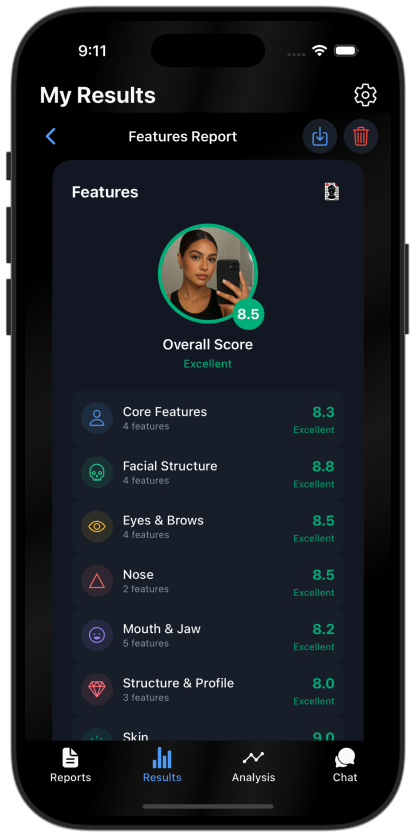
If you want a truly personalized plan to maximize your jawline and overall look, try Maxx Report—the only AI-powered platform that scans your face for symmetry, jawline, and skin quality, then creates a transformation plan just for you.
Section 6: Gua Sha Safety Tips & Common Mistakes for Men
6.1 How Much Pressure Should Men Use?
- Start with light to moderate pressure. The skin should move, not bruise. If you’re new to gua sha, err on the side of caution and gradually increase pressure as your skin adapts. Think of it more like a gentle massage than a deep tissue treatment—facial skin is delicate.
- Avoid scraping over broken skin, acne, or inflamed areas. Gua sha can worsen irritation or spread bacteria if performed on active breakouts or cuts. Always skip these areas to prevent further problems.
- If you see redness ("sha"), pause and let your skin recover before your next session. Mild redness is normal and should fade within an hour. If it persists or becomes painful, give your skin a longer break.
Common mistake: Pressing too hard, especially on the bony areas. This can lead to bruising, broken capillaries, or lingering soreness. If you’re unsure, start with the lightest possible pressure and increase only as needed for results.
6.2 Gua Sha on Beards, Stubble, and Sensitive Skin
- Go with the grain of your beard. Apply more oil and use a smoother, heavier tool (like stainless steel) for best glide. This minimizes hair pulling and maximizes comfort.
- Anchor skin to avoid pulling hairs. Use your free hand to gently hold the skin taut, especially on the cheeks and jawline where beard hair is thickest. This technique also helps prevent accidental tugging and discomfort.
- If you have irritation or ingrown hairs, skip those spots. Gua sha should never be painful or worsen skin issues. If you develop redness, folliculitis, or bumps, allow the area to heal before resuming.
For men with sensitive skin, start with shorter sessions (3–5 minutes) and monitor for any adverse reactions. If irritation occurs, try switching oils or using a tool with a smoother edge.
6.3 Red Flags and When to Stop
- Severe redness, bruising, or swelling are signs you’re pressing too hard. These symptoms should not occur with proper gua sha technique on the face.
- Never use gua sha on active infections, open wounds, or cystic acne. This can introduce bacteria and delay healing.
- Consult a dermatologist if you have skin conditions or are unsure about gua sha safety. Men with rosacea, eczema, or psoriasis should seek professional advice before starting any facial massage routine.
Used mindfully, gua sha is a safe, effective addition to any man’s grooming routine. For a full-face and grooming glow-up, see the Ultimate Grooming and Skincare Guide for Men with Patchy Beards.
Conclusion
Gua sha for men is more than a fleeting trend—it’s a proven tool for temporary facial sculpting, tension relief, and better skin health. While it won’t transform your bone structure, using gua sha as part of a well-rounded routine (including fat loss, posture correction, and smart grooming) can help you present your sharpest, healthiest self. Combine regular gua sha with honest, science-backed strategies for the best jawline results. For a tailored approach to your transformation, explore what Maxx Report can do for your face and confidence.
FAQ
Q: Can men use gua sha on their face?
A: Yes, men can—and should—use gua sha on their face. It helps define the jawline, reduce puffiness, and relieve muscle tension. Just follow proper technique and hygiene.
Q: Does gua sha help define the jawline?
A: Gua sha can temporarily sharpen the jawline by reducing swelling and de-puffing, but it won’t change bone structure or melt fat. For real definition, pair gua sha with fat loss and posture improvement.
Q: How often should men do gua sha?
A: 3–5 times per week is ideal for most men. Consistency is key, but daily use is safe if your skin isn’t irritated.
Q: What oil should men use with gua sha?
A: Lightweight oils like jojoba, squalane, or grapeseed work best for men, especially if you have facial hair or sensitive skin.
Q: How do you use gua sha on a beard or stubble?
A: Apply extra oil, use a smooth-edged tool (preferably stainless steel), and stroke with the grain of your beard to avoid tugging or irritation.
Q: Can gua sha help with neck and shoulder tension?
A: Absolutely. Gua sha is excellent for relieving neck and shoulder tightness in men. Use firmer, longer strokes and adjust pressure to comfort.