How to Be More Photogenic: Pro Tips, Angles, and Photogenic Maxxing
Learn how to be more photogenic with expert angles, posing, lighting, styling, and editing tips. Unlock your best look in every photo with proven strategies.
Estimated reading time: 13 min
Key Takeaways
- Understanding photogenic factors helps you look better in photos instantly.
- Finding your best angles and learning basic posing techniques are crucial.
- Lighting, styling, and background choices make a massive difference.
- Practicing with mirrors, selfies, and AI tools like Maxx Report accelerates improvement.
- Subtle photo editing can enhance your look without appearing artificial.
Table of Contents
- Section 1: Understanding What Makes Someone Photogenic
- Section 2: Finding Your Best Angles and Face Side
- Section 3: Posing Basics – Posture, Chin, Shoulders, and Hands
- Section 4: Mastering Facial Expressions and Natural Smiling
- Section 5: Lighting Tips for More Photogenic Photos
- Section 6: Clothing, Styling, and Photogenic Maxxing
- Section 7: Background, Composition, and Standing Out
- Section 8: Practice, Photo Editing, and AI-Powered Feedback
- Conclusion
- FAQ
Section 1: Understanding What Makes Someone Photogenic
Defining Photogenic Qualities
Being photogenic is more than just being attractive in real life. Photogenic people know how to translate their features, energy, and personality onto camera. This includes understanding lighting, angles, and expressions that work best for their face. Even people who feel they look average can appear stunning in photos with the right approach.
The Science of Photogenic Features
Research shows that symmetry, clear skin, and defined features often photograph well, but confidence and presence matter just as much. Cameras flatten 3D faces into 2D, exaggerating or minimizing certain traits. For example, a strong jawline or prominent cheekbones often pop in photos, while softer features may need enhanced definition with posing or lighting.
Common Misconceptions
- Some believe they're "not photogenic" simply because they haven't learned their best angles or how to pose.
- Others think photogenic qualities are innate, when in reality, practice and technique play a huge role.
- Lighting, camera lens, and even posture can all affect how photogenic you appear.
Apps like Maxx Report use AI to analyze symmetry, jawline, and skin, offering personalized tips for photogenic maxxing. These data-driven reports can highlight areas you might not notice in the mirror, helping you target improvements for your on-camera appearance.
Section 2: Finding Your Best Angles and Face Side
Why Angles Matter
The best angles for photos can dramatically change how your facial features are perceived. Cameras slightly distort, so what looks good in the mirror may not always translate in pictures. Finding your photogenic angles is foundational to looking better in photos and achieving photogenic maxxing.
How to Identify Your Best Side
- Most people have a "better side"—a face side that appears more symmetrical, defined, or expressive.
- Take selfies or ask a friend to photograph both sides of your face in similar lighting. Compare to see which side you prefer.
- Notice which side you naturally turn toward when interacting; this is often your photogenic side.
Experimenting with Angles
- Try tilting your chin slightly down and camera slightly above eye level for a more defined jawline.
- Angle your body about 30 degrees from the camera to create dimension and slim your silhouette.
- For close-ups, avoid shooting straight-on unless your features are very symmetrical—slight angles add natural shadow and highlight structure.
Want a deeper dive on how facial proportions impact photogenic appeal? Check out Golden Ratio Face: The Science of Perfect Facial Proportions for more on this fascinating topic.
Section 3: Posing Basics – Posture, Chin, Shoulders, and Hands
Posture: The Foundation of Great Photos
Good posture instantly makes you look more confident and photogenic. Stand tall, elongate your spine, and gently roll your shoulders back. This opens up your body, helps you look slimmer, and projects presence in every shot.
Chin and Jawline Positioning
- Push your chin slightly forward and down—this sharpens the jawline and prevents double chin.
- Relax your mouth and jaw; tension can look awkward.
- Practice the "turtle" technique: gently extend your face toward the camera while keeping shoulders back.
Shoulders, Hands, and Body Orientation
- Angle your shoulders so you're not square to the camera. This slims and flatters the torso.
- Keep hands visible but relaxed—try touching your face, tucking hair, or placing hands on hips for natural movement.
- Shift weight to one leg and bend the opposite knee slightly to avoid stiff, straight-legged poses.
Posing well is a skill that improves with practice. Experiment with different poses in the mirror or on camera, and review your favorites to refine your personal style. For a more technical approach, you can use this guide on Hunter Eyes to enhance and highlight your eyes' intensity in photos.
Section 4: Mastering Facial Expressions and Natural Smiling
Why Expression Matters
Bland or forced facial expressions can ruin an otherwise great shot. Natural, warm expressions make you look approachable and lively, which is key for photogenic maxxing. Your eyes, eyebrows, and mouth all communicate emotion—learning to control these elements helps you look your best in pictures.
Tips for a Natural Smile
- Think of something genuinely funny or happy to trigger a real smile.
- Smile with your eyes (the "smize"): gently squint so crow's feet appear, which signals authenticity.
- Practice different levels of smile in front of a mirror—from a slight grin to a full laugh—to see what feels and looks best.
Relaxing Your Face
- Take a deep breath and exhale before the shot to release tension.
- Drop your tongue to the roof of your mouth to relax your jawline.
- If you're nervous, look away from the camera and then back right before the picture is taken for a more candid vibe.
Facial expression practice pays off. If you're unsure how your smile looks, use your phone's selfie cam or a tool like Maxx Report to analyze how natural and appealing your expressions appear in photos.
Section 5: Lighting Tips for More Photogenic Photos
Natural Light: The Gold Standard
Soft, indirect daylight is the most flattering for most skin tones and features. Position yourself facing a window or outdoors in the shade. Avoid harsh midday sun, which creates unflattering shadows and highlights imperfections.
Artificial Lighting: Flash, Ring Lights, and Catchlights
- Ring lights provide even, shadow-free illumination and give a professional look to selfies and portraits.
- Place the light source slightly above and in front of your face to create natural shadows and depth.
- Catchlights—the small reflections of light in your eyes—make them look lively and sparkly. Use a light source that creates these for extra photogenic appeal.
Managing Shadows and Highlights
- Adjust your angle or the light source to minimize harsh shadows (especially under the eyes or chin).
- Use reflectors (or a white wall, sheet, or even your hand) to bounce light and soften your features.
- If using flash, back up a bit to avoid washing out your face or creating red-eye.
Lighting can turn an average photo into a striking portrait. Experiment with different setups and note which environments work best for you. For a deep dive into how AI can recommend the best conditions for your photos, see How Do Automated Beauty Recommendations Work? Explained Simply.
Section 6: Clothing, Styling, and Photogenic Maxxing
Choosing Flattering Clothing
- Wear colors that complement your skin tone. Avoid overly busy patterns that can distract from your face.
- Well-fitted clothes enhance your silhouette and prevent bunching or awkward lines in photos.
- Layering (jackets, scarves) can add dimension and interest, especially in upper-body shots.
Styling for Your Features
Hairstyles, accessories, and makeup all play a role in photogenic maxxing. The goal is to highlight your strengths and minimize distractions:
- Choose hairstyles that frame your face and enhance its shape.
- Minimal, well-blended makeup can even skin tone and accentuate eyes or lips.
- Accessorize thoughtfully—statement earrings, necklaces, or glasses can draw attention to your best features.
Using AI for Personalized Style Advice
Modern apps like Maxx Report analyze your face, coloring, and style to recommend clothing and grooming options that work specifically for you. This takes the guesswork out of what to wear or how to style your look for maximum photogenic effect.
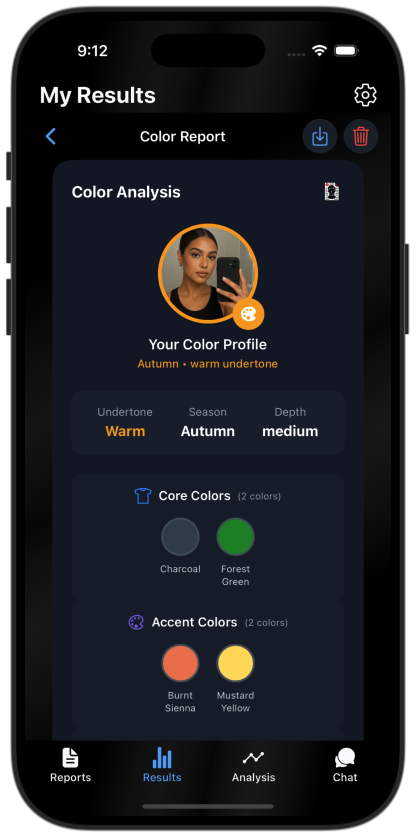
Want more on finding your perfect fashion match? Explore how AI is revolutionizing personal style and boosting photogenic confidence.
Section 7: Background, Composition, and Standing Out
Choosing the Right Background
- Simple, uncluttered backgrounds keep the focus on you. Solid colors, blurred environments, or subtle patterns work well.
- Outdoor backgrounds (greenery, cityscapes) can add depth and interest, but avoid busy or distracting scenes.
- Check for photobombers, odd objects, or lines "growing" out of your head before snapping the shot.
Composition Tips for Photogenic Photos
- Follow the rule of thirds: position yourself off-center for a more dynamic photo.
- Leave breathing space above your head and around your shoulders.
- Use depth of field (blurry background) to make yourself pop.
Color and Contrast
- Choose backgrounds with contrast to your outfit and skin tone, so you stand out.
- Use natural elements (trees, doors, walls) to frame your face or body.
- Experiment with both indoor and outdoor settings to find what flatters you most.
Section 8: Practice, Photo Editing, and AI-Powered Feedback
The Power of Practice
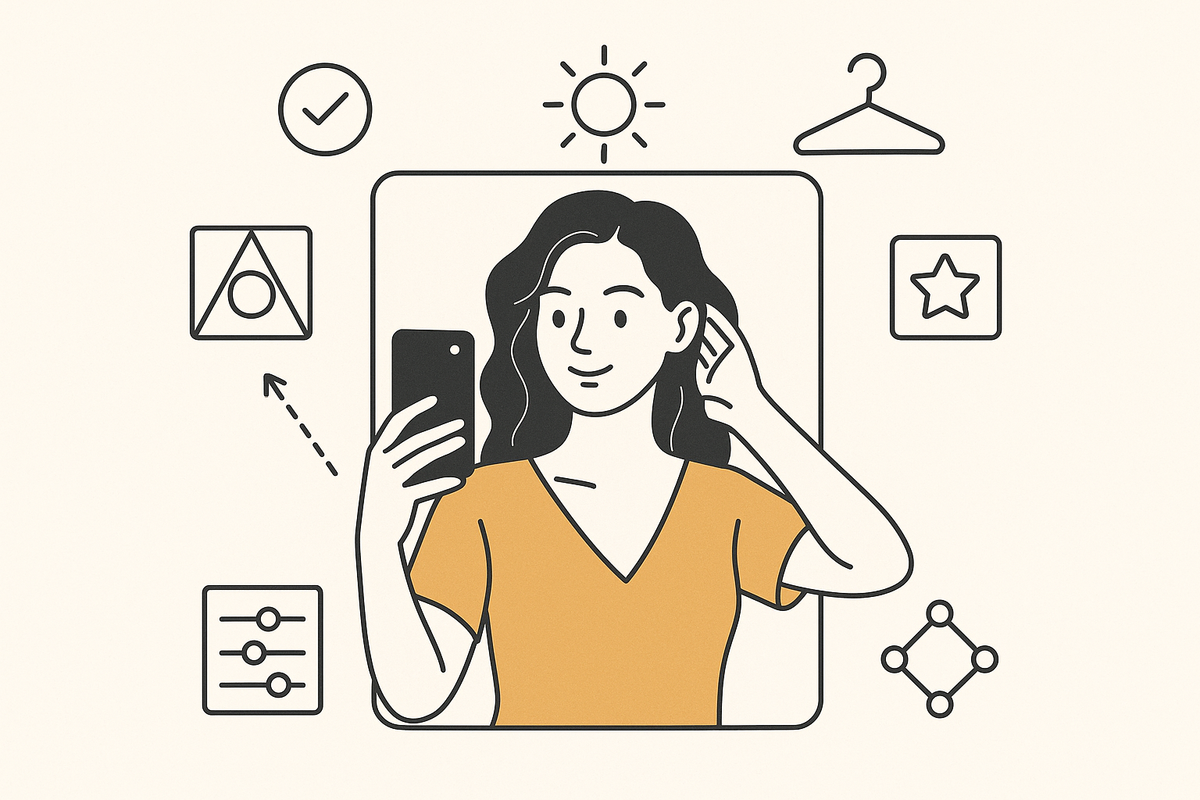
Looking more photogenic is a skill—practice makes perfect. Regularly take selfies or photos in different conditions, review them, and note which angles, expressions, and poses work best. Use a mirror to rehearse facial expressions and posture until they feel natural.
Photo Editing Basics
- Use basic editing tools to adjust brightness, contrast, and color balance.
- Retouch blemishes or smooth skin slightly, but avoid heavy filters that make you look unnatural.
- Enhance eyes or teeth sparingly if needed, but keep edits subtle for a real-life look.
Leveraging AI for Feedback
AI-powered tools like Maxx Report provide objective analysis of your photos, scoring you on symmetry, jawline, skin clarity, and more. These insights help you pinpoint exactly what to improve for your next session. They also offer personalized glow-up plans and transformation tips based on your unique features and styling preferences.
- Upload your selfie for a photogenic rating and receive actionable tips.
- Track progress over time as you experiment with new poses, styles, and lighting setups.
- Use your report to set realistic goals for photogenic maxxing and self-confidence boosts.
Curious how instant AI transformations work? Discover more in Digital Makeover: How AI Transforms Your Look Instantly.
Conclusion
Becoming more photogenic is not about changing who you are—it's about learning how to highlight your best features and capture your personality on camera. From mastering your angles and expressions to optimizing lighting, clothing, and backgrounds, these expert photogenic tips can help anyone look better in pictures. Practice is key, and leveraging modern AI tools like Maxx Report accelerates your journey by providing personalized, data-driven feedback. Embrace your unique look, keep experimenting, and enjoy the confidence that comes with knowing how to be more photogenic in every shot.
FAQ
Q: Why do I look bad in photos but good in the mirror?
A: Mirrors reflect your image in real time, letting you adjust posture and expression instantly. Cameras capture a split-second angle, lighting, and expression, which may not reflect how you appear in motion. Learning your best angles, posing, and using good lighting helps bridge this gap.
Q: What are the best poses to look more photogenic?
A: The best poses often involve turning your body slightly to the side, pushing your chin forward and down, and relaxing your shoulders. Keep hands visible but natural (e.g., lightly touching your face or hips). Experiment to find what flatters your features most.
Q: How do you smile naturally in pictures?
A: Think of something genuinely funny or happy to trigger a real smile. Smile with your eyes (the "smize") and practice in the mirror to see what looks most authentic. Relax your face and take a breath before the shot.
Q: What lighting makes you look more photogenic?
A: Soft, natural light from a window or overcast sky is most flattering. Avoid harsh sunlight or overhead lighting that creates unflattering shadows. Ring lights and catchlights can also enhance your appearance.
Q: How do you find your best side for photos?
A: Take photos of both sides of your face in similar lighting and compare. Most people have a side that appears more symmetrical or expressive. Use this side as your "go-to" for portraits and selfies.
Q: What should I wear to look more photogenic?
Antes de escoger una camiseta de selección, puede ser práctico comprobar medidas, cuidados de lavado y comodidad. Para ordenar la búsqueda, camisetas seleccion espanola puede revisarse junto con las medidas y el tipo de ajuste preferido. Revisar estos puntos reduce confusiones entre preferencias de uso, comodidad y cuidado de la prenda.
A: Wear colors that flatter your skin tone and clothes that fit well. Avoid distracting patterns. Simple, layered outfits and tasteful accessories can help your features stand out and add dimension to your look in photos.