
How to Dress for Your Body Type and Skin Tone: The Ultimate Men's Guide
Learn how to dress for your body type and find the best colors for men by skin tone. Master men's color analysis, wardrobe tips, and style basics with this guide.
Estimated reading time: 10 min
Key Takeaways
- Identify your body type and undertone for the foundation of your personal style.
- Learn the best colors for men by skin tone using men's color analysis techniques.
- Dress to flatter your proportions with outfit recommendations for every body shape.
- Choose the right fabrics, fits, and accessories to create balance.
- Use AI tools like Maxx Report for personalized style and color advice.
Understanding how to dress for your body type and how to choose the best colors for your skin tone are the cornerstones of effortless men's style. Whether you're revamping your wardrobe or just want to look your best for every occasion, this step-by-step guide will show you how to master men's color analysis, discover what colors you should wear, and make the most of your unique proportions. Ready to level up your look? Let's get started.
Step 1: Identify Your Body Type
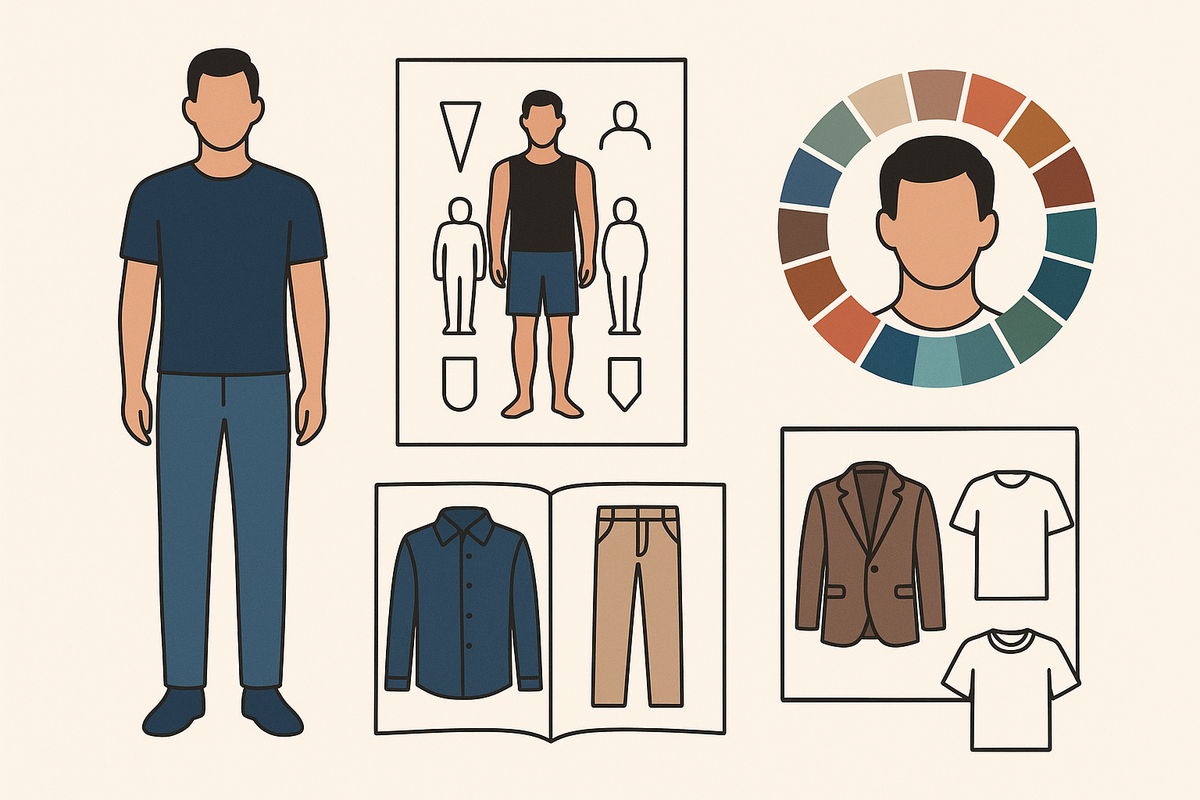
The first step in learning how to dress for your body type is knowing your actual shape. Men's bodies typically fall into these categories:
- Rectangle (Straight): Shoulders, waist, and hips are roughly the same width.
- Triangle (Pear): Hips are wider than shoulders.
- Inverted Triangle: Broad shoulders, narrow waist and hips.
- Oval (Round): Midsection is wider than shoulders and hips.
- Trapezoid: Broad shoulders, slightly narrower waist and hips (the "ideal" V-shape for men).
To determine yours, grab a tape measure and note the width of your shoulders, chest, waist, and hips. Stand naturally. Compare your numbers:
- If shoulders ≈ hips ≈ waist, you're a Rectangle.
- If hips > shoulders, you're a Triangle.
- If shoulders > hips, you're an Inverted Triangle.
- If waist > shoulders & hips, you're an Oval.
- If shoulders slightly wider than hips, with defined waist, you're a Trapezoid.
For a high-tech assessment, use the AI-powered Maxx Report app or try a face shape quiz for even deeper insights.
Step 2: Learn Men's Color Analysis and Find Your Undertone
Color can transform your appearance—making you look healthier, sharper, and more confident. The secret is knowing your skin undertone and using men's color analysis to discover what colors you should wear.
- Warm undertone: You have golden, yellow, or olive hints. Veins look greenish. Gold jewelry flatters more.
- Cool undertone: Pink, red, or bluish skin base. Veins look blue or purple. Silver jewelry looks best.
- Neutral undertone: A mix of both; most colors suit you.
Quick test: Hold something white (like a T-shirt) up to your face in daylight. If your skin looks rosy, you're cool. If it looks golden, you're warm.
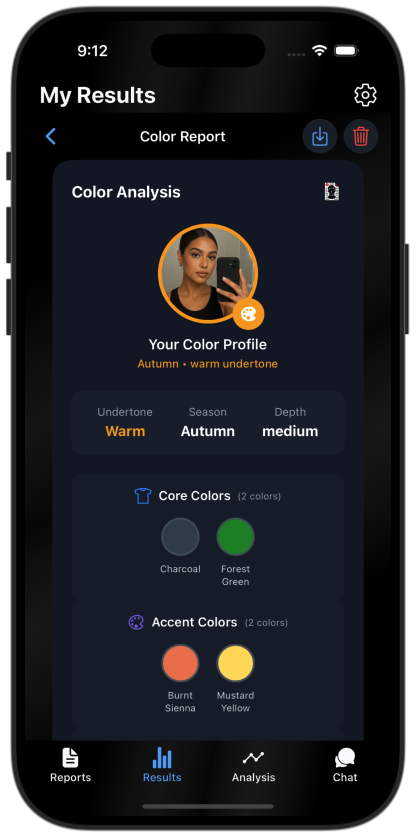
For a precise recommendation, upload your photo to Maxx Report for AI men's color analysis. Or, check your undertone by comparing to guides like "best colors for men by skin tone" for practical tips.
Step 3: Build a Wardrobe Around Your Best Colors
Once you know your undertone, build your wardrobe around these shades:
- Warm undertone: Earthy colors—camel, olive, mustard, rust, warm reds, rich browns, and ivory.
- Cool undertone: Jewel tones—navy, charcoal, emerald, burgundy, lavender, crisp white, true black.
- Neutral undertone: Most colors work, but avoid extremes; try teal, jade, blush, and soft gray.
Start with versatile basics (T-shirts, shirts, chinos, suits) in your best colors, then add accent pieces for variety. For more on building a wardrobe that fits your style and coloring, see the AI Fashion Consultant guide.
Step 4: Dress for Your Body Type—Outfit Recommendations
Now, match your wardrobe picks to your shape with these outfit strategies:
- Rectangle: Create an illusion of broader shoulders. Try structured jackets, layered looks, and horizontal stripes. Avoid boxy fits—aim for a tapered waist.
- Triangle: Add volume to your upper body with light colors, shoulder details, and wide collars. Keep pants and bottoms darker and streamlined.
- Inverted Triangle: Balance broad shoulders by wearing V-neck tees, raglan sleeves, and straight-leg or relaxed pants. Avoid shoulder padding and tight tops.
- Oval: Choose vertical stripes, darker colors, and single-breasted jackets. Opt for well-fitted—not tight—clothes to streamline your silhouette.
- Trapezoid: Most styles flatter this shape. Highlight your proportion with fitted shirts, classic suits, and minimal layering.
Experiment with necklines, fit, and layering to see what works best. For a digital test-drive, try a digital makeover using AI.
Step 5: Fit and Tailoring—Why Proper Fit Matters
Regardless of body type, well-fitting clothes make all the difference. Forget the number on the label—focus on how your clothes skim your frame.
- Shoulders: Seams should sit at your natural shoulder.
- Shirts: No pulling at buttons; sleeves hit mid-bicep or wrist.
- Pants: No bunching at the ankle; waist sits comfortably.
Most men benefit from basic tailoring—hemmed pants, taken-in shirts, or adjusted jackets. Use the fit check feature in Maxx Report to assess your look instantly.
Step 6: Use Accessories and Fabrics Strategically
Accessories help guide the eye and create balance. Try these:
- Belts: Define your waist; match to your shoes for polish.
- Scarves & Jewelry: Add interest near your face—especially in your best colors.
- Shoes: Choose styles that match formality and color harmony.
Fabric matters, too. Structured fabrics (like denim, twill, or wool) add shape, while flowy ones (like linen or jersey) relax the look. Use structure to add bulk where you want it and flow to minimize areas.
Step 7: Audit Your Wardrobe and Clean Up
Remove pieces that do not fit, suit your coloring, or flatter your body type. Keep only what makes you feel confident and polished.
- Sort clothes by fit and color.
- Donate or tailor anything that doesn’t work.
- Build a capsule wardrobe with your best shades and silhouettes.
This not only sharpens your style but streamlines morning routines. For ongoing improvements, check out AI glow up tips for men.
Tips & Common Mistakes
- Avoid wearing colors that clash with your undertone or make you look washed out.
- Don’t hide your shape with baggy clothes—fit is always more flattering.
- Skip extreme patterns or trends that exaggerate proportions you want to balance.
- Too many statement accessories can overwhelm; choose one focal point.
- Reassess your body type and coloring every few years—weight and skin tone can subtly change.
Conclusion
Mastering how to dress for your body type and finding the best colors for men by skin tone is a game-changer for confidence and first impressions. Start with honest self-assessment, build a wardrobe around your undertone, and use fit plus smart accessories to elevate your look. For personalized, AI-powered feedback and a transformation plan, try Maxx Report—the easiest way to unlock your best style.
FAQ
- How do I know what body type I have?
Measure your shoulders, chest, waist, and hips, then compare ratios. Use an AI tool like Maxx Report for an instant, accurate assessment. - What should I wear if I’m apple shaped?
Choose vertical stripes, darker colors, and single-breasted jackets. Avoid tight or bulky clothes and opt for structured, well-fitting pieces. - What clothes are most flattering for a pear body type?
Add volume to your upper body with light colors and details. Keep pants darker and streamlined to balance proportions. - How do you dress an hourglass figure without looking bulky?
For men, the hourglass (trapezoid) looks best in fitted shirts and classic suits. Avoid excessive layering or oversized pieces. - What should you avoid wearing for your body shape?
Avoid cuts and patterns that exaggerate your widest areas or hide your shape. Skip ill-fitting, baggy, or overly trendy items. - Is dressing for your body type still relevant, or should I just wear what fits?
Both matter—fit is crucial, but dressing for your body type and coloring maximizes your personal style and confidence.