
How to Lose Face Fat: Evidence-Based Jawline & Slimming Tips
Learn how to lose face fat with science-backed strategies for a sharper jawline—diet, exercise, mewing, and what really works for facial slimming.

Estimated reading time: 11 min
Key Takeaways
- You cannot lose face fat without lowering overall body fat.
- Diet, exercise, hydration, and sleep all impact facial puffiness and fat.
- Mewing and jawline exercises have limited, mostly postural effects.
- De-bloating strategies and grooming can enhance a sharp jawline look.
- Medical or cosmetic treatments are available for stubborn fullness.
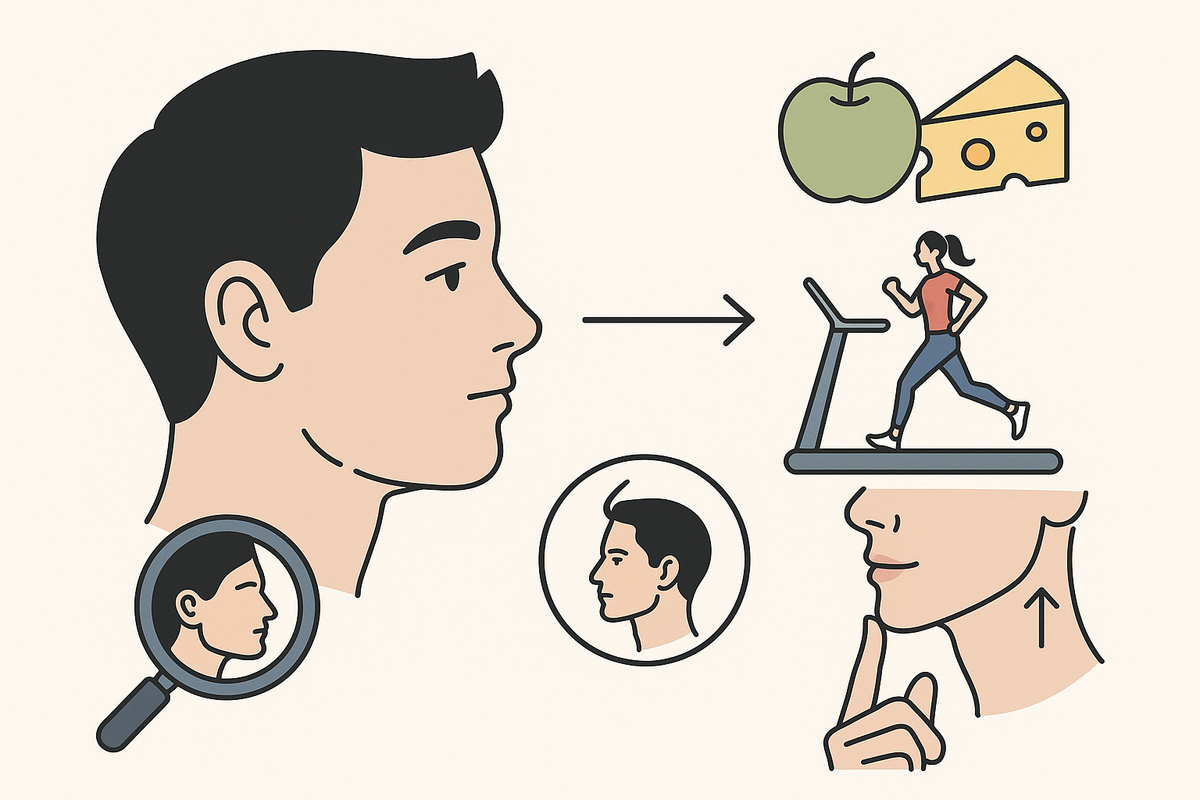
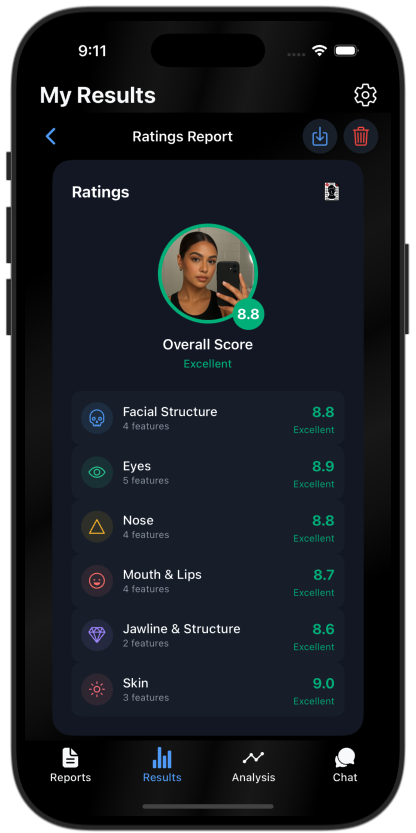
"How to lose face fat" is one of the most searched looksmaxxing questions—and for good reason. Well-defined cheekbones and a sharp jawline are universally attractive. But is it really possible to target face fat, or are you stuck with your genetic facial structure? This guide covers what truly works, what’s myth, and how you can optimize your appearance with science-backed steps—including honest takes on mewing, jaw exercisers, and de-bloating techniques. Plus, discover how Maxx Report uses AI to analyze your face and provide a customized glow-up plan.
Step 1: Understand Why You Can’t Spot-Reduce Face Fat
The reality is, you cannot target fat loss in your face alone. Body fat is lost systemically—meaning, as you lose overall body fat, your face will slim down too. While genetics play a role in where you store and lose fat first, creating a calorie deficit is the only proven way to reduce facial fat.
Here’s what to know:
- Spot reduction (targeting fat loss in one area) is a myth—multiple studies confirm this.
- Facial fullness is often the first and last place to show changes from weight gain or loss.
- Some facial "fat" is actually water retention or swelling—more on that below.
Step 2: Create a Calorie Deficit for Total Fat Loss
To lose face fat, you need to lose body fat overall. This means burning more calories than you consume—known as a calorie deficit. Here’s how to do it safely:
- Calculate your Total Daily Energy Expenditure (TDEE) using an online calculator.
- Aim for a modest daily deficit of 300-500 calories for sustainable weight loss (1-2 lbs per week).
- Combine moderate calorie reduction with increased physical activity for best results.
Crash diets and extreme calorie cuts can backfire, slowing your metabolism and making your face look drawn or "gaunt." Gradual weight loss is key to maintaining a healthy, attractive appearance. For more personalized recommendations, AI-powered tools like Maxx Report can help assess where you stand and what rate of change is optimal for your facial structure.
Step 3: Optimize Diet for a Leaner, Less Puffy Face
Beyond calorie intake, the quality of your diet directly affects facial fat and puffiness. Here’s what to focus on:
- Cut excess sodium: High-salt diets lead to water retention, making your face look swollen. Stick to fresh foods, avoid processed snacks, and check nutrition labels.
- Limit refined carbs and added sugars: These spike insulin, encourage fat storage, and contribute to bloating.
- Increase protein and fiber: Both help you feel full, preserve lean muscle, and support overall fat loss.
- Eat more fruits and vegetables: They’re high in water and potassium, which help flush excess sodium.
If you’re interested in a full grooming and nutrition approach, check out this guide for men: Glow Up for Men with Patchy Beards.
Step 4: Use Exercise to Accelerate Results
Regular exercise is essential for overall fat loss and a healthy, defined face. The best approach combines:
- Cardio: Running, cycling, swimming, or brisk walking boost calorie burn and reduce body fat.
- Strength training: Builds muscle, raises metabolism, and prevents a "skinny fat" look.
- Increase daily movement: Take the stairs, stand more, and aim for 7,000-10,000 steps/day.
While facial exercises are often promoted for slimming the face, evidence on their effectiveness is limited. More on this below.
Step 5: Reduce Bloating—Hydration, Sleep, and Lifestyle Tweaks
Sometimes, what appears as "face fat" is actually temporary puffiness or water retention. Simple lifestyle changes can make a visible difference:
- Drink plenty of water: Hydration helps flush sodium and reduce bloating. Aim for at least 2 liters (8 cups) per day.
- Get adequate sleep: Poor sleep increases cortisol, which can promote fluid retention and fat gain around the face.
- Manage stress: Chronic stress alters hormones, leading to facial puffiness and increased appetite.
- Limit alcohol: Alcohol dehydrates and causes inflammation, making your face look puffy.
If you wake up with a swollen face, try a cold compress or gentle facial massage (gua sha) to temporarily reduce puffiness—yes, gua sha for men is a thing, and can be part of your routine.
Step 6: The Truth About Jawline Exercises, Mewing, and Face Yoga
Jawline exercises and "face yoga" promise a sharper jaw and reduced double chin, but what does the science say?
- Jawline exercises: Limited evidence supports their effectiveness for fat loss. They may strengthen some facial muscles and slightly improve definition but will not melt fat.
- Mewing: This technique involves correct tongue posture (resting the tongue on the roof of the mouth). While good posture has benefits, claims of dramatic facial transformation are overblown—mewing is most effective for growing children and adolescents, not adults.
- Face yoga: Can improve awareness of facial muscles and posture, but won’t replace the need for total body fat loss.
For a deeper dive into facial structure and the mechanics behind facial attractiveness, read about the Golden Ratio Face.
Step 7: Quick Fixes and Grooming to Enhance Jawline Definition
While you work on long-term fat loss, some grooming and styling hacks offer instant visual improvement:
- Facial hair: Strategic beard shaping can create the illusion of a sharper jawline.
- Hairstyle: The right cut frames your face and draws attention to your bone structure.
- Skin care: Reducing acne or redness gives the face a more contoured look.
- Contouring makeup: Yes, this works for men and women.
To identify your face shape and receive personal style tips, try the Face Shape Quiz with AI Analysis.
Step 8: Medical and Cosmetic Options for Stubborn Face Fat
If you are at a healthy weight and still have disproportionate facial fullness, some options include:
- Non-surgical treatments: Kybella (fat-dissolving injections), CoolSculpting (fat freezing), and radiofrequency skin tightening.
- Buccal fat removal: A surgical procedure to remove pads of fat in the cheeks; not for everyone and carries risks.
- Dermal fillers and jawline enhancement: For definition, not fat loss.
Always consult a qualified medical provider before considering any intervention. For most people, consistent lifestyle changes are safer and more sustainable.
Tips & Common Mistakes
- Don’t fall for gimmicks like jaw exercisers, "bone-smashing," or miracle creams—these are not supported by science.
- Avoid crash diets; they can cause rebound weight gain and make your face look unhealthy.
- Remember, genetics set your basic bone structure—focus on what you can control (fat, muscle, grooming).
- Stay patient; healthy facial slimming can take weeks to months.
Conclusion
Losing face fat is about whole-body health: create a calorie deficit, eat well, stay active, reduce bloat, and optimize sleep. While you can’t change your bone structure, you can maximize definition with proven strategies—plus a few grooming tricks for instant impact. Avoid shortcuts and fads; instead, use evidence-based methods and, if you want personalized feedback, try an AI-powered analysis from Maxx Report to see your progress and get a targeted glow-up plan.
FAQ
- Can you actually lose face fat without losing weight everywhere else?
Unfortunately, no. Spot reduction isn’t possible. Losing overall body fat is the only way to reduce face fat. - What is the fastest way to lose face fat?
Consistent calorie deficit (diet + exercise), improved sleep, lower sodium, and staying hydrated. Fast methods are unsustainable and not recommended. - Do facial exercises or face yoga really work for face fat?
Evidence is weak. They may help muscle tone or posture but won’t significantly burn facial fat. - Why is my face puffy even when I’m not overweight?
This is usually due to water retention, high salt intake, lack of sleep, or stress—not fat. Address these factors first. - How long does it take to see results from losing face fat?
Most people notice facial changes after 2-4 weeks of consistent body fat loss. Results will vary based on genetics and starting point. - Does drinking more water help reduce face puffiness?
Yes, staying hydrated helps flush excess sodium and reduces water retention, making your face look slimmer.