
How to Match Suit Color to Skin Tone Male: The Ultimate Guide
Learn how to match suit color to skin tone male. Discover men's color analysis, best colors by undertone, and wardrobe tips for every complexion.

Estimated reading time: 11 min
Key Takeaways
- Identifying your skin tone and undertone is crucial for choosing the best suit colors.
- Cool, warm, and neutral undertones each pair best with specific suit shades.
- Suit color should complement your skin depth (fair, medium, dark) for maximum impact.
- Contrast, shirt, and tie choices influence how flattering your suit looks.
- Testing colors in natural light and proper fit are key to men’s style basics.
Understanding how to match suit color to skin tone male is a game-changer for your wardrobe. The right color not only enhances your complexion, but also boosts your confidence and style. In this guide, you'll discover the secrets of men's color analysis, learn to find your undertone, and get actionable tips for building a smarter wardrobe for your unique coloring. Whether you're dressing for a big meeting or a special event, you'll know exactly what colors to wear for your best look.
Step 1: Identify Your Skin Tone and Undertone
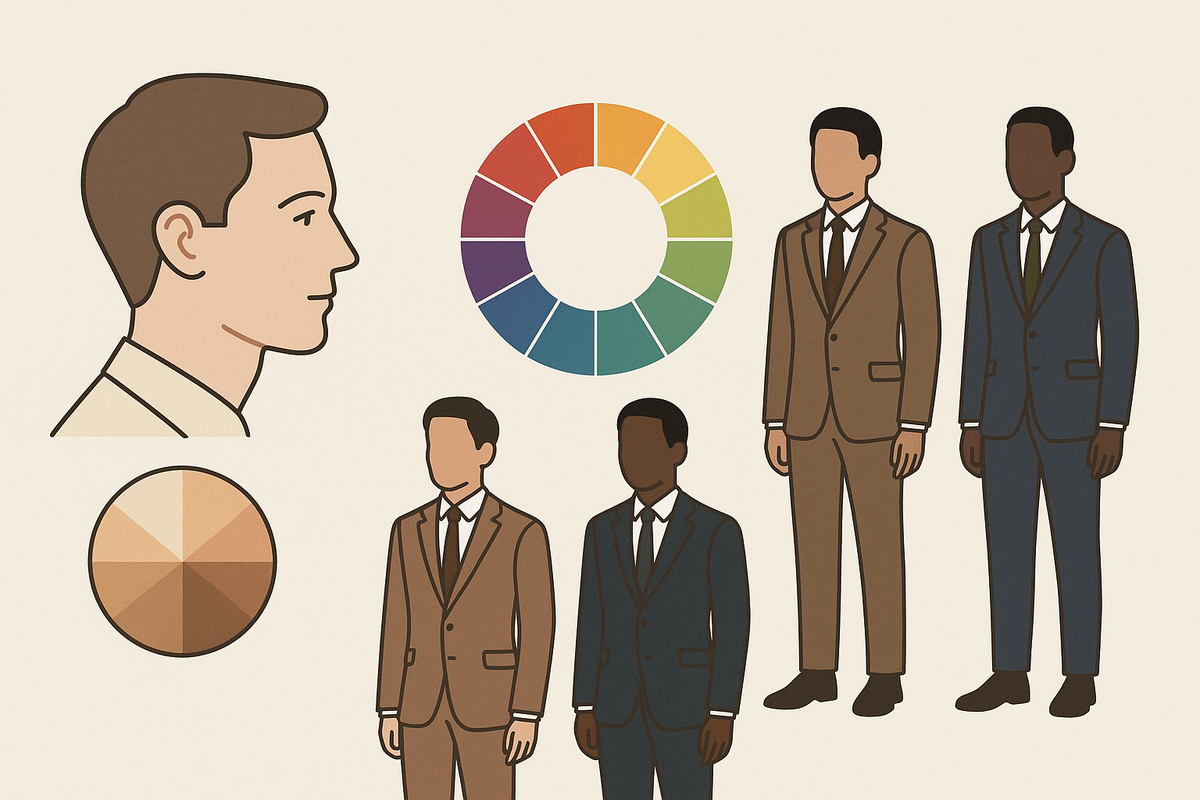
Before you can choose the best suit colors for men by skin tone, you need to understand your own coloring. Men's color analysis starts with two things: your skin depth (fair, medium, dark) and your undertone (cool, warm, neutral).
- Skin Depth: Is your skin fair, medium/olive, or dark?
- Undertone: Is your skin’s base hue cool (pink/blue), warm (yellow/gold), or neutral (a mix)?
Why does this matter? Warm vs cool undertone men look best in different palettes. Your undertone never changes, even if your skin tans.
Not sure how to tell? Use these proven tests:
- Vein Test: Look at your wrist in natural light. Blue/purple veins = cool undertone. Green veins = warm. Hard to tell? Likely neutral.
- Jewelry Test: Does gold jewelry make you glow (warm) or does silver look better (cool)? Both suit you? You’re probably neutral.
- Natural Light Test: Hold a pure white t-shirt up to your face in daylight. If your skin looks rosy or bluish, you’re cool. If you see yellow or gold, you’re warm. If it’s hard to tell, you may be neutral.
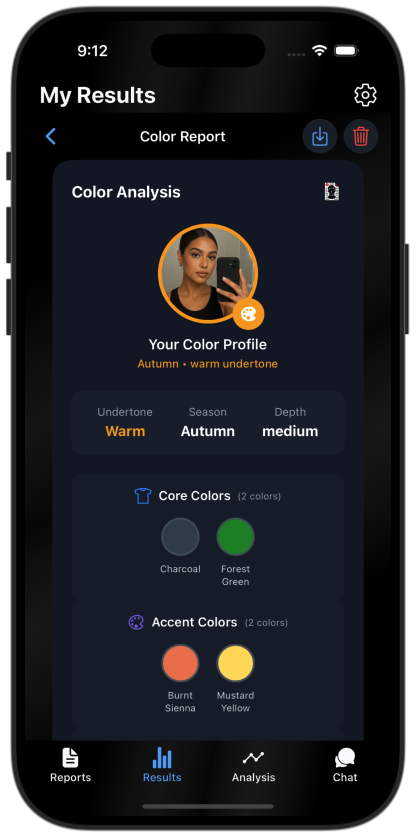
Still unsure? Try a digital analysis with a tool like Maxx Report for an AI-powered men’s color analysis and personalized glow-up plan.
Step 2: Best Suit Colors for Cool Undertones
If you have a cool undertone (pink or blue base), you’ll look best in suit colors with cool, crisp tones. These shades brighten your complexion and help you look sharp.
- Navy Blue: The universal suit color, especially flattering for fair and medium cool skin.
- Charcoal Gray: Deep gray enhances cool undertones and works for all skin depths.
- Cool Gray: Lighter gray shades can work, but avoid ones that are too pale if you have very fair skin.
- True Black: Powerful and striking, but best for medium to dark cool skin (can wash out very fair skin).
Colors to avoid: Beige, tan, mustard, or any suit with a yellowish cast—these clash with cool undertones. Off-white and light pastels may also make you look washed out.
For more ideas on how to build a wardrobe around your features, check out our guide on discovering your perfect look with AI analysis.
Step 3: Best Suit Colors for Warm Undertones
Warm undertone men (yellow or golden base) look best in rich, earthy, and golden hues. These suit colors bring out the vibrancy in your skin.
- Brown: Chocolate, chestnut, or lighter tan suits all work beautifully.
- Olive and Moss Green: Especially for medium or olive skin, these shades are modern and flattering.
- Warm Navy: Navy with a hint of green or gold, rather than a pure blue.
- Earthy Tans: Camel, sand, and caramel suits complement warm tones.
Colors to avoid: Icy grays, pure black, and cool blues can make your skin appear dull. Stick with warmth!
Not sure which shade is for you? The Maxx Report app’s color analysis tool can scan your features and suggest your ideal palette.
Step 4: Best Suit Colors for Neutral Undertones
If you’re neutral (neither clearly warm nor cool), you’re in luck! You can wear a wider range of suit colors, but mid-tone shades will always look best.
- Mid-Gray: Not too light or dark, a perfect anchor for the neutral palette.
- Muted Navy: A classic navy that isn’t too bright or too warm.
- Soft Brown: Not overly golden, but a gentle brown or taupe.
- Burgundy: A subtle pop of color that’s universally flattering for neutral skin.
Experiment with both cool and warm accent shirts and ties to see what brings your skin to life. Avoid extremes—very pale or very saturated colors can overwhelm your undertone.
Step 5: Suit Color by Skin Depth (Fair, Medium, Dark)
Even within your undertone, your skin’s depth changes how colors look. Here’s how to choose suits by complexion:
- Fair Skin: Stick to mid-to-dark shades. Navy, charcoal, and forest green work well. Avoid beige, off-white, and pastel suits—they can wash you out.
- Medium/Olive Skin: Most colors work, but avoid anything too close to your skin color (like tan if you’re olive). Experiment with earth tones, olive, and burgundy.
- Dark Skin: Rich, saturated hues look incredible—royal blue, true black, deep green, and bold burgundy. Avoid colors that are too pale or muted, like light gray or sand.
Creating contrast between your skin and your suit color makes your features pop. This is a key men’s style basic for all skin tones.
Step 6: How Shirt and Tie Colors Affect Your Look
Even the perfect suit color can be ruined (or improved) by your shirt and tie choices. Here’s how to make sure every layer flatters you:
- Shirt: Choose a shade that contrasts gently with your skin and suit. White is classic, but light blue or pale pink work well for most men. Avoid shirts that are too close to your skin tone.
- Tie: Pick a tie that either matches your undertone or adds a pop of complementary color. Burgundy, navy, and dark green are versatile options.
Remember, layering is an opportunity to create contrast and interest without overwhelming your features. If you want advanced advice, try an AI fashion consultant for customized recommendations.
Step 7: Test Suit Colors in Natural Light and Check Fit
Lighting changes everything. Always test your suit, shirt, and tie in natural daylight—store lighting can be misleading and may alter how colors appear against your skin.
- Stand near a window or go outside to check your reflection.
- Ask a friend to snap a photo for a second opinion, or use an app for digital analysis.
Fit and fabric matter, too. The best color won’t help if the suit is ill-fitting or the fabric is too shiny or matte for your complexion. For detailed fit checks, look for digital tools like the Maxx Report Fit Check feature.
Tips & Common Mistakes
- Don’t blindly follow trends. What’s stylish may not flatter your unique coloring.
- Skip beige, off-white, and other washed-out tones if you have fair or cool skin—they’ll drain your complexion.
- Balance bold suits with subtle shirts and ties. Let your suit do the talking, not your whole outfit.
- Always check the whole look in daylight before committing to a color.
- Don’t ignore your body type. The right silhouette, plus color, makes all the difference. For more on body type and grooming, see this complete men's glow-up guide.
Conclusion
Matching your suit color to your skin tone is the foundation of smart dressing and men’s style basics. Start by identifying your undertone and skin depth, then choose suit colors that flatter your complexion. Don’t forget the power of contrast, shirt, and tie combinations, and always test your look in natural light. For a truly personalized approach, try an AI-powered color analysis with Maxx Report—you’ll get instant, data-driven recommendations you can trust.
FAQ
- What suit color looks best on my skin tone male?
It depends on your undertone and skin depth. Cool undertones look best in navy, charcoal, and cool grays; warm undertones suit brown, olive, and warm navies; neutral undertones can wear mid-gray, muted navy, and taupe. Always aim for contrast with your skin for the sharpest look. - How do I know if I have a warm or cool undertone?
Try the vein test (blue/purple = cool, green = warm), the jewelry test (gold = warm, silver = cool), and the white t-shirt test in natural light. If you can’t decide, you may have a neutral undertone. - Is navy or charcoal better for fair skin men?
Navy is usually safer, as it brings healthy color to fair skin. Charcoal is also good, but avoid very pale grays or beige as they can wash you out. - What suit colors look best on dark skin men?
Rich, saturated shades like royal blue, deep green, true black, and burgundy are excellent. Avoid pale or muted colors that don’t provide enough contrast. - Can olive skin wear black or gray suits?
Yes, especially if you have a neutral undertone. Choose mid-to-dark grays or true black for high contrast. Avoid light gray if your skin is olive, as it can blend in too much. - What suit color should a man with pale skin avoid?
Stay away from beige, off-white, and very light gray—these can make you look washed out. Stick with navy, charcoal, and deep greens for a healthier look.