How to Tell If I Have Warm or Cool Undertones Male: Men's Color Analysis Guide
How to tell if I have warm or cool undertones male? Find your undertone, discover the best colors for your skin, and upgrade your style with this expert guide.

Estimated reading time: 11 min
Key Takeaways
- Use simple at-home tests to find if you have warm, cool, or neutral undertones.
- Understanding undertones is key for choosing the best colors for men by skin tone.
- Men's color analysis helps you build a wardrobe that makes you look healthier and sharper.
- Learn how lighting, clothing, and jewelry can reveal your true undertone.
- Get actionable men's style basics and wardrobe tips based on your undertone.
Wondering how to tell if I have warm or cool undertones male? You’re not alone—most guys have never thought about undertones, but nailing this men's color analysis unlocks looking sharper, healthier, and more put-together. Your undertone impacts which colors make you look vibrant versus washed out, and it’s the foundation of men’s style basics. This guide breaks down exactly how to find your undertone, choose the best colors for men by skin tone, and build a wardrobe that works for you.
Step 1: Vein Test at the Wrist in Natural Light
The vein test is the easiest at-home method to start your men's color analysis. It works best in natural daylight, so stand near a window or go outside. Look at the veins on the inside of your wrist and note their color:
- Blue or purple veins: Most likely cool undertones.
- Greenish veins: Most likely warm undertones (the yellow/gold in your skin mixes with blue veins).
- Blue-green or hard to tell: You might be neutral undertoned.
If your veins look both blue and green, or you can’t decide, keep going—other tests can help confirm your result.
Step 2: Gold vs Silver Jewelry Test
This classic test uses jewelry to show how your skin interacts with warm and cool tones. Grab a piece of gold and a piece of silver jewelry (or even foil, if you don’t wear jewelry). Hold each one against your wrist or neck and look in natural light:
- Gold jewelry flatters you more: You likely have warm undertones.
- Silver jewelry looks better: You likely have cool undertones.
- Both look good: You may have neutral undertones.
Tip: Ask a friend for a second opinion or snap a photo to compare objectively.
Step 3: White Paper or White Shirt Test
Hold a plain sheet of white printer paper or wear a pure white t-shirt, then stand in front of a mirror in daylight. Look closely at your face and neck:
- Skin looks yellow, golden, or peachy: Warm undertones.
- Skin looks pink, rosy, or has a bluish-red tinge: Cool undertones.
- Neither is obvious: Could be neutral.
This test is especially helpful for men of all skin depths, including darker skin tones—look for subtle shifts in undertone, not the overall skin color.
Step 4: Sun Reaction Test
Think about how your skin reacts to sun exposure:
- Tan easily, rarely burn: Usually a sign of warm undertones.
- Burn or turn red before tanning (or never tan): Typically cool undertones.
- Both tan and burn, or unpredictable: May indicate neutral undertones.
Remember, undertones are about the tones beneath your skin, not just how dark or light you are. Men with dark skin can have warm, cool, or neutral undertones—this test is just one clue.
Step 5: Hair and Eye Color Cues
While there are exceptions, certain natural hair and eye color combinations can hint at your undertone:
- Warm undertones: Often paired with brown, amber, or hazel eyes and hair with golden, red, or chestnut tones.
- Cool undertones: Common with blue, gray, or cool brown eyes and ashy or black hair.
- Neutral undertones: Mixed features or hard to categorize.
This isn’t a hard rule, but it helps round out your men’s color analysis.
Step 6: Clothing Color Draping Test
Try on or drape fabrics in these colors (or use shirts you already own):
- Pure white vs. cream/off-white
- Jet black vs. brown/tan
- Cool blues (like sky or navy) vs. warm oranges/earth tones
Stand in front of a mirror (again, daylight is best) and look for which colors make your skin look even, healthy, and vibrant. If you look tired, washed out, or blotchy in one set, that’s not your best palette.
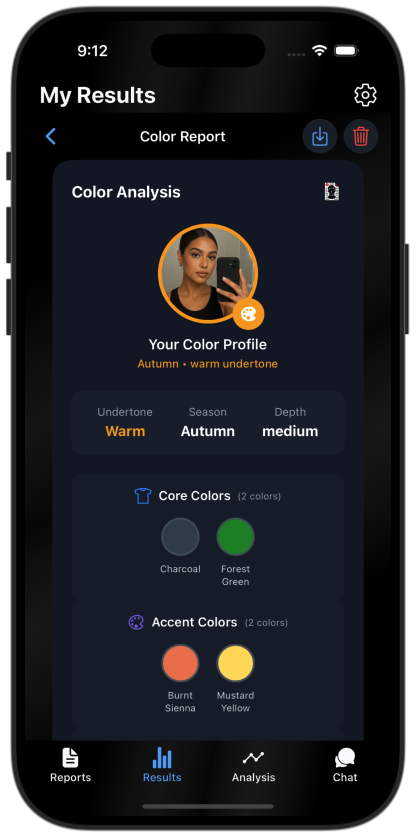
Want a science-backed boost? Try the Maxx Report app to get an AI-driven color analysis and see which color palettes make you look your best instantly.
Step 7: How to Identify Neutral Undertones
If none of the tests above gave you a clear answer, or you look equally good in gold and silver, pure white and off-white, and don’t strongly tan or burn—congratulations, you may have neutral undertones. Neutral undertones mean you can pull off a wider range of colors, but you’ll shine brightest in balanced, mid-tone shades.
For more personalized men's style basics, consider taking a face shape quiz and using AI tools to combine your undertone with face shape and body type for the ultimate wardrobe strategy.
Step 8: Building Your Wardrobe—Best Colors for Men by Skin Tone
Now that you know your undertone, it’s time to answer: what colors should I wear? Here are the best colors for men by skin tone:
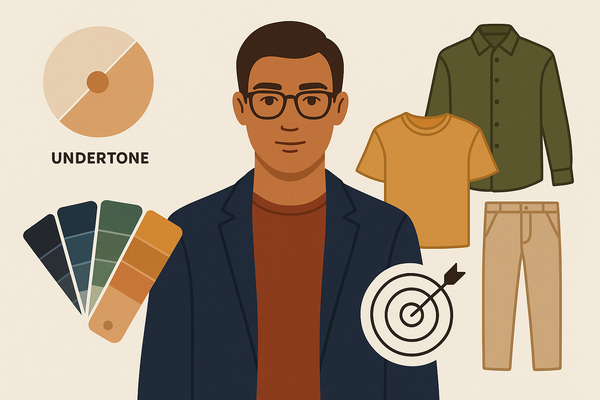
- Warm undertones: Olive, mustard, burnt orange, camel, warm reds, gold, warm greens, and browns.
- Cool undertones: Navy, charcoal, pure black or white, cool blues, emerald, burgundy, lavender, and silver.
- Neutral undertones: Mid-tone grays, jade green, blush, teal, and muted hues. Avoid extremes of warm or cool.
Use these as a starting point for men’s color analysis, and layer in trends or personality as you get comfortable. For more advanced wardrobe planning, check out how an AI fashion consultant can help you build a closet tailored to your unique features.
Tips & Common Mistakes
- Always test in natural light. Artificial lighting can distort colors and your perception of undertone.
- Don’t confuse skin color with undertone. Men of any skin depth (fair to deep) can have warm, cool, or neutral undertones.
- Don’t rely on a single test alone. Use 3-4 tests for the most accurate men's color analysis.
- Clothing fit still matters. Color is important, but how you dress for your body type is equally key for overall style.
- If in doubt, go neutral. Mid-tone grays, navy, and true reds are flattering for most men.
Ready to level up your look? Use Maxx Report’s AI-powered color and style analysis to get a personalized transformation plan for your skin tone, features, and goals.
Conclusion
Understanding how to tell if I have warm or cool undertones male is a game-changer for men's style basics. It’s the foundation for choosing the best colors for men by skin tone and building a wardrobe that works for you, not against you. By using the simple tests above and leveraging tools like the Maxx Report app, you can master men's color analysis, look more confident, and make smarter shopping decisions. Remember, the right colors make any man look instantly healthier and more attractive—so start experimenting and build your best wardrobe today!
FAQ
- How can a man tell if he has warm, cool, or neutral undertones at home?
Try the vein test, gold vs silver jewelry test, white paper test, and sun reaction test in natural light. Use multiple methods for best results. - What does it mean if my veins look blue-green instead of just blue or green?
This usually suggests you have neutral undertones, meaning you can wear both warm and cool colors well. - Does silver or gold jewelry look better on warm or cool undertones?
Silver flatters cool undertones, while gold looks best on warm undertones. If both suit you, you may be neutral. - Can men with dark skin have cool undertones?
Yes, men of any skin color—including dark skin—can have warm, cool, or neutral undertones. Always check undertone, not just skin color. - How do I know if I’m neutral undertone instead of warm or cool?
If you look equally good in both gold and silver, pure white and off-white, and none of the tests are decisive, you’re likely neutral. - What colors should men with warm undertones wear?
Earthy tones like olive, mustard, brown, camel, burnt orange, and gold are best. Warm reds and greens also work well for warm undertones.