Men Glow Up for Job Interviews: The Ultimate Guide to Looking Your Best
Master the men glow up for job interviews: grooming, skincare routine, hair, wardrobe, posture, and confidence tips to look attractive and polished in interviews.
Estimated reading time: 14 min
Key Takeaways
- A complete men glow up for job interviews covers grooming, skincare, hair, wardrobe, and mindset.
- Simple routines—haircut, beard, skin, and posture—have outsized impact on interview presence.
- Choose a hairstyle and beard style to match your face shape for a more attractive, harmonious look.
- Well-fitted clothes, the right color choices, and good hygiene are essential for a polished impression.
- Confidence, preparation, and body language matter as much as your physical appearance.
Table of Contents
- Section 1: Visible Grooming Basics for Men
- Section 2: Men’s Skincare Routine & Reducing Facial Puffiness
- Section 3: Hair & Beard: Flattering Styles by Face Shape
- Section 4: Wardrobe Upgrades for Job Interviews
- Section 5: Posture, Body Language, and First Impressions
- Section 6: Fitness, Energy, and Interview Day Prep
- Section 7: Sound Polished: Elevator Pitch, Confidence, and Mindset
- Section 8: Interview Questions and Follow-up Etiquette
- Conclusion
- FAQ
Section 1: Visible Grooming Basics for Men
Haircut Maintenance and Style
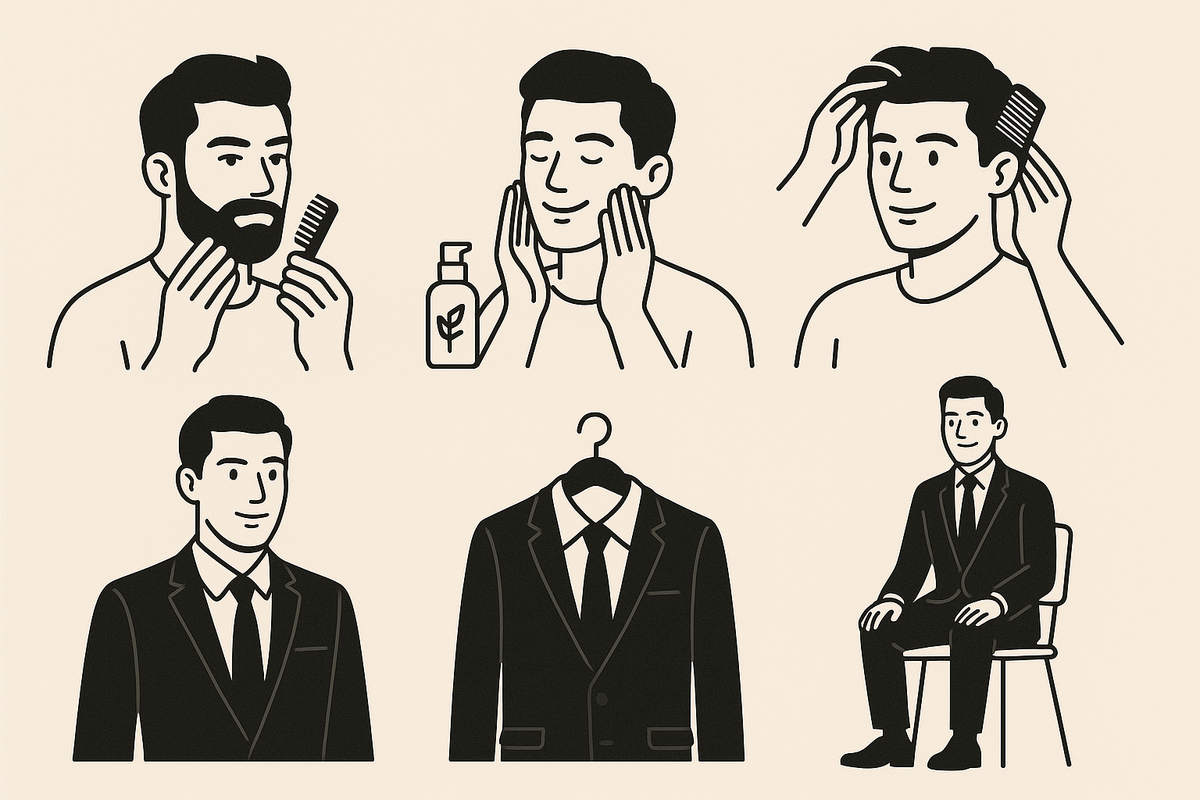
Your haircut is one of the first things interviewers notice. A fresh, clean cut signals attention to detail and self-respect. Schedule a trim 2-3 days before your interview; this gives your hair time to settle and eliminates stray edges or neck hair. Stick to classic, neat styles—think a short fade, crew cut, or side part. Avoid extreme trends or wild colors unless you’re interviewing in a creative industry.
- Ask your barber for a sharp neckline and clean edges.
- If you style your hair, use a small amount of product for control and shine, not stiffness.
- Check for cowlicks, stray hairs, and ensure the style flatters your face (see Section 3).
Facial Hair: Shave or Shape
Facial hair should be intentional, not accidental. Shave clean or opt for a well-groomed beard that suits your face shape. Use a beard trimmer to define cheek and neck lines. If you keep stubble, make sure it’s even and tidy. A patchy or unkempt beard looks lazy; a sharp, symmetrical beard enhances jawline and masculinity.
- Trim stray nose and ear hairs.
- Use beard oil to condition and add a healthy sheen.
- Match beard style to your face shape for best effect (see Section 3).
Teeth, Breath, and Nails
White, clean teeth and fresh breath make you instantly more attractive and approachable. Brush and floss daily; consider whitening strips a week before. Chew sugar-free gum before entering the building (then spit it out). Keep nails trimmed, clean, and free of dirt. Ragged cuticles or bitten nails are a subtle but powerful negative signal.
- If relevant, visit a hygienist for a cleaning before your interview season.
- Use a nail brush and moisturizer for a healthy look.
- Pack mints (not gum) on interview day.
Pro tip: Snap a selfie in natural light and review for grooming details you might miss in the bathroom mirror.
Section 2: Men’s Skincare Routine & Reducing Facial Puffiness
Foundations of a Simple Men’s Skincare Routine
Great skin is a glow up superpower. It makes you look healthier, more energetic, and more confident. You don’t need a 10-step routine—just three essentials:
- Cleanser: Wash your face morning and night to remove oil, sweat, and pollution.
- Moisturizer: Use a lightweight lotion to hydrate and smooth your skin. Even oily skin needs moisture.
- Sunscreen: If you’re outdoors, apply SPF 30+ daily. It prevents dark spots and aging.
For interview week, add a gentle exfoliant (2-3 times) to brighten dull skin and unclog pores. Use fragrance-free, non-comedogenic products if you’re sensitive or acne-prone.
Reducing Facial Puffiness and Signs of Fatigue
Job interviews often follow late nights or stress. To appear alert and refreshed:
- Hydrate: Drink plenty of water the day before and morning of your interview. Dehydration shows in your skin and eyes.
- Cold Compress: Use chilled spoons, an ice roller, or a cold washcloth on your face for a few minutes to reduce swelling and tighten skin.
- Eye Cream: Dab a caffeine-based eye cream or gel under your eyes to minimize dark circles and puffiness.
Get at least 7 hours of sleep before interview day. If you wake up puffy, elevate your head with an extra pillow the night before.
Managing Breakouts and Redness
If you develop a pimple or redness right before the big day, keep calm. Use a targeted spot treatment (salicylic acid or benzoyl peroxide) overnight. In the morning, dab a little concealer (matched to your skin tone) to cover blemishes—this is a pro move for men, not just women. Avoid picking or squeezing, which can worsen inflammation.
Section 3: Hair & Beard: Flattering Styles by Face Shape
How to Glow Up as a Man: Face Shape Matters
The best hairstyle for your face shape (men) and a beard style by face shape can dramatically boost your attractiveness. Not sure what shape you have? Take the Face Shape Quiz for an instant AI-powered analysis. Common shapes: oval, square, round, oblong, and heart.
Choosing a Flattering Haircut
- Oval face: Most versatile. Try a quiff, crew cut, or textured crop.
- Square face: Accentuate the jaw with a short back and sides, or a slicked-back style.
- Round face: Add height and volume on top, like a pompadour or faux hawk. Keep the sides shorter.
- Oblong/rectangular face: Avoid too much height. Go for side parts or medium-length, layered styles.
- Heart face: Keep volume at the chin; avoid heavy fringes. Soft, layered cuts work well.
Bring a photo to your barber, and ask for a cut that elongates or balances your features.
Optimal Beard Styles by Face Shape
- Oval: Most beard styles suit you. Experiment with stubble, boxed beards, or goatees.
- Square: Soften the jawline with a rounded beard or fuller chin growth.
- Round: Lengthen the face with a goatee or anchor beard; keep cheeks trimmed close.
- Oblong: Keep the beard shorter at the chin, fuller at the sides.
- Heart: Add fullness at the jaw and chin; a short boxed beard works well.
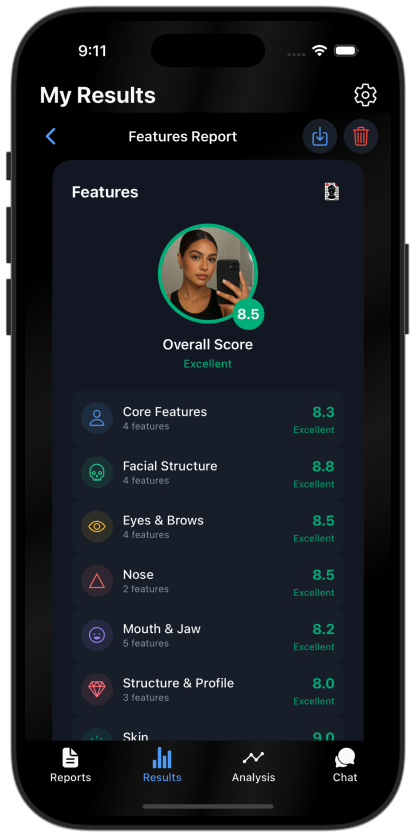
Use the Maxx Report app to scan your face and get AI suggestions for the most flattering hairstyle and beard style for your face shape. This data-driven approach takes guesswork out of your glow up.
Section 4: Wardrobe Upgrades for Job Interviews
The Power of Fit and Color
Fit trumps fashion. Ill-fitting clothes—sleeves too long, pants pooling at the ankles, or a baggy shirt—make you look sloppy regardless of the price tag. Invest in a professional outfit tailored to your shape. For most industries, a well-fitted button-up shirt, blazer, and dress pants are safe. Research the company’s dress code and aim one level above.
- Shoulder seams should align with your shoulder bone.
- Pants should just touch the tops of your shoes; avoid excess fabric.
- Slim, not skinny. Allow movement, but no sagging or pulling.
Choose classic, neutral colors—navy, charcoal, black, or white. These project confidence and professionalism. For a subtle edge, get a personal color analysis (see the Maxx Report Color Analysis screenshot) or consult an AI fashion consultant to discover shades that make your skin tone pop.
Shoes, Accessories, and Final Touches
- Wear clean, polished dress shoes (oxfords or loafers). Avoid sneakers or sandals unless explicitly allowed.
- Belts should match your shoes in color and finish.
- Keep jewelry minimal—a classic watch is enough.
- Carry a neat portfolio or briefcase for your documents. No backpacks.
- Use a lint roller on your clothes before you leave the house.
Avoid Common Wardrobe Mistakes
Don’t wear overpowering cologne—go for light, fresh scents. Double-check for deodorant marks, stains, or missing buttons. If you sweat easily, wear an undershirt and bring blotting papers. Prepare your outfit the night before to avoid last-minute stress.
Section 5: Posture, Body Language, and First Impressions
How to Look More Attractive as a Man: Nonverbal Cues
Your looksmaxxing efforts go beyond grooming. Posture, eye contact, and your handshake all shape the crucial first impression. Stand tall—imagine a string pulling you up from the crown of your head. Good posture projects confidence, energy, and leadership.
- Keep shoulders back, chest out (but relaxed), and chin parallel to the floor.
- Practice walking into a room with deliberate, unhurried steps.
- Smile gently as you greet the interviewer.
Body Language in the Interview Room
- Give a firm, dry handshake (wipe hands before you enter if needed).
- Maintain regular, not constant, eye contact—look away occasionally so it feels natural.
- Sit upright with feet flat on the floor; avoid crossing arms or fidgeting.
- Mirror the interviewer’s body language subtly; it builds rapport unconsciously.
Managing Nervous Energy
Controlled breathing can steady nerves and reduce visible anxiety. Try box breathing: inhale for 4 seconds, hold for 4, exhale for 4, hold again for 4. Do this before you enter the building. Remember, it’s normal to feel nervous—channel that energy into enthusiasm for the opportunity.
For more on the science of facial harmony and first impressions, read about the golden ratio face and its impact on perceived attractiveness.
Section 6: Fitness, Energy, and Interview Day Prep
Fitness and Body Composition
While you can’t transform your physique overnight, regular exercise boosts posture, energy, and confidence. In the weeks leading up to interviews:
- Prioritize strength training and cardio 3-4 times a week.
- Focus on compound movements (push-ups, squats, rows) for a balanced frame.
- Pay attention to nutrition: lean proteins, vegetables, and whole grains fuel your body and brain.
On the day before, avoid heavy, salty, or sugary foods that can cause bloating or sluggishness.
Interview Day Routine: The Night Before
- Lay out your outfit, shoes, and accessories.
- Pack your documents, ID, and a notepad.
- Set multiple alarms and go to bed early—7-8 hours of sleep is essential for mental sharpness and clear skin.
- Reduce screen time before bed to sleep better and avoid under-eye circles.
Morning of the Interview
- Eat a light, balanced breakfast (oats, eggs, fruit).
- Do a quick workout or walk to boost endorphins and reduce jitters.
- Take a cold shower to feel awake and invigorated.
- Review your resume and elevator pitch one final time.
Arrive at least 10-15 minutes early, but not so early that you’re awkwardly waiting. Use the restroom to check your appearance, fix hair, and freshen up.
Section 7: Sound Polished: Elevator Pitch, Confidence, and Mindset
Crafting a Strong Elevator Pitch
Your first words matter as much as your looks. Prepare a 30-second intro that covers who you are, what you do, and why you’re excited about the role. For example:
"Hi, I’m Alex. I have three years of experience in marketing and a proven track record helping brands grow online. I’m excited about the innovative work your team is doing, and I’d love to contribute my skills here."
Practice with a friend or in front of a mirror until it feels natural, not rehearsed.
How to Boost Confidence for Interviews
- Visualize a successful interview, from greeting to handshake.
- Use power poses (standing tall, hands on hips) before you enter.
- Remind yourself of past achievements and positive feedback.
- If nervous, reframe anxiety as excitement: your body can’t tell the difference.
For extra polish, consider a digital makeover or AI glow up tips—see this guide on AI glow up tips that work for science-backed strategies that go beyond surface-level advice.
Handling Nerves and Staying Present
Stay in the moment by listening closely to each question. Slow your speech if you tend to rush when anxious. If you don’t know an answer, pause, breathe, and say, "That’s a great question. Let me think for a moment." This buys time and shows thoughtfulness.
Section 8: Interview Questions and Follow-up Etiquette
Essential Questions to Ask Interviewers
Always prepare 2-4 questions to ask at the end of your interview. This demonstrates interest and engagement. Examples:
- "What does success look like in this role after six months?"
- "Can you describe the team’s culture and how new members are supported?"
- "What are the biggest challenges facing the team right now?"
- "What opportunities are there for growth or advancement?"
For more question ideas, adapt based on your research of the company and role.
Follow-Up Etiquette
- Send a thank-you email within 24 hours. Reference something specific from your conversation.
- Keep it concise, polite, and proofread for errors.
- Restate your interest in the role and appreciation for their time.
If you haven’t heard back within the timeline given, it’s appropriate to send a gentle follow-up after 7-10 days.
Lasting Impressions
Your glow-up doesn’t end at the handshake. Stay professional and positive throughout the process. Even if you don’t land the job, you’ll have sharpened your skills and presence for the next opportunity.
Conclusion
A men glow up for job interviews is about more than just a new haircut or outfit—it’s the sum of grooming, skincare, style, posture, energy, and mindset. By mastering the basics of men’s skincare routine, learning how to glow up as a man with grooming tips for men, choosing the right hairstyle for your face shape, and projecting confidence through your body language, you’re setting yourself up for interview success. Tools like Maxx Report offer personalized, AI-powered advice to help you look your best and make a lasting impression. Invest the time, follow this guide step by step, and you’ll walk into any interview with the polish and confidence of a top candidate.
FAQ
Q: What is a male glow up before a job interview?
A: A male glow up before a job interview means making targeted improvements to your appearance, grooming, wardrobe, and confidence to look and feel your best. This usually includes a fresh haircut, proper skincare, neat facial hair, clean and fitted clothes, and adopting positive body language and mindset.
Q: How can a man look more attractive for an interview fast?
A: Focus on the basics: get a haircut or trim, groom facial hair, follow a simple skincare routine, wear well-fitted clothes, and ensure good hygiene. Stand tall, smile, and make eye contact. These quick steps can instantly boost attractiveness and confidence.
Q: What should a guy wear to a job interview to look polished?
A: Choose a well-fitted button-up shirt, blazer, and dress pants in neutral colors (navy, charcoal, or white). Wear clean dress shoes and minimal accessories. Make sure your clothes are pressed, lint-free, and appropriate for the company’s dress code.
Q: How do I get rid of a tired face before an interview?
A: Reduce facial puffiness with a cold compress, hydrate well, and use a caffeine-based eye cream. Get enough sleep, avoid salty foods, and use a gentle cleanser and moisturizer the morning of your interview.
Q: How do I boost confidence before a job interview?
A: Prepare thoroughly, practice your elevator pitch, use power poses, and visualize success. Focus on your achievements and reframe nerves as excitement. Controlled breathing techniques can also help steady your mind and body.
Q: What questions should I ask at the end of a job interview?
A: Ask about success metrics for the role, team culture, challenges, opportunities for growth, or next steps in the hiring process. This shows engagement and helps you assess if the company is the right fit.