
Men's Color Analysis: The Pillar Guide to Dressing for Your Skin Tone
Master men's color analysis: discover your undertone, best colors by season, and how to build a stylish wardrobe that flatters your natural coloring.

Estimated reading time: 14 min
Key Takeaways
- Men's color analysis helps you identify your best clothing colors based on skin tone and undertone.
- Understanding your coloring can elevate your wardrobe and boost confidence instantly.
- Seasonal color analysis (Spring, Summer, Autumn, Winter) provides a framework for choosing colors.
- Contrast level and undertone (warm, cool, neutral) are crucial for picking the right shades.
- Building a capsule wardrobe around your personal palette saves time and enhances style.
Table of Contents
- Section 1: What Is Men's Color Analysis?
- Section 2: How to Determine Your Skin Tone and Undertone
- Section 3: Seasonal Color Analysis for Men
- Section 4: Best Clothing Colors for Men by Season
- Section 5: Choosing Neutrals and Building a Capsule Wardrobe
- Section 6: Common Mistakes in Men's Color Analysis
- Conclusion
- FAQ
Section 1: What Is Men's Color Analysis?
Understanding the Basics
Men's color analysis is a proven approach to dressing that matches clothing colors to your unique skin tone, undertone, hair, and eye color. The goal? To help you look healthier, more attractive, and put-together by wearing shades that naturally flatter your complexion. Unlike trends or one-size-fits-all advice, this method is about personalization—making style work for you, not the other way around.
- Personal color palette: Your ideal range of hues based on biology, not preference. For example, a man with olive skin and dark hair will look better in certain earth tones compared to someone with fair skin and blonde hair, who may be flattered by lighter pastels.
- Contrast level: The difference between your skin, hair, and eyes affects which colors pop. High-contrast individuals (such as those with dark hair and light skin) can pull off bold, vivid shades, while low-contrast individuals should opt for gentler, blended hues that don't overpower their features.
- Wardrobe optimization: Streamlines shopping, reduces mistakes, and maximizes outfit impact. Instead of owning dozens of shirts in random colors, you'll know exactly which shades to reach for—saving both time and money.
How Does Men's Color Analysis Work?
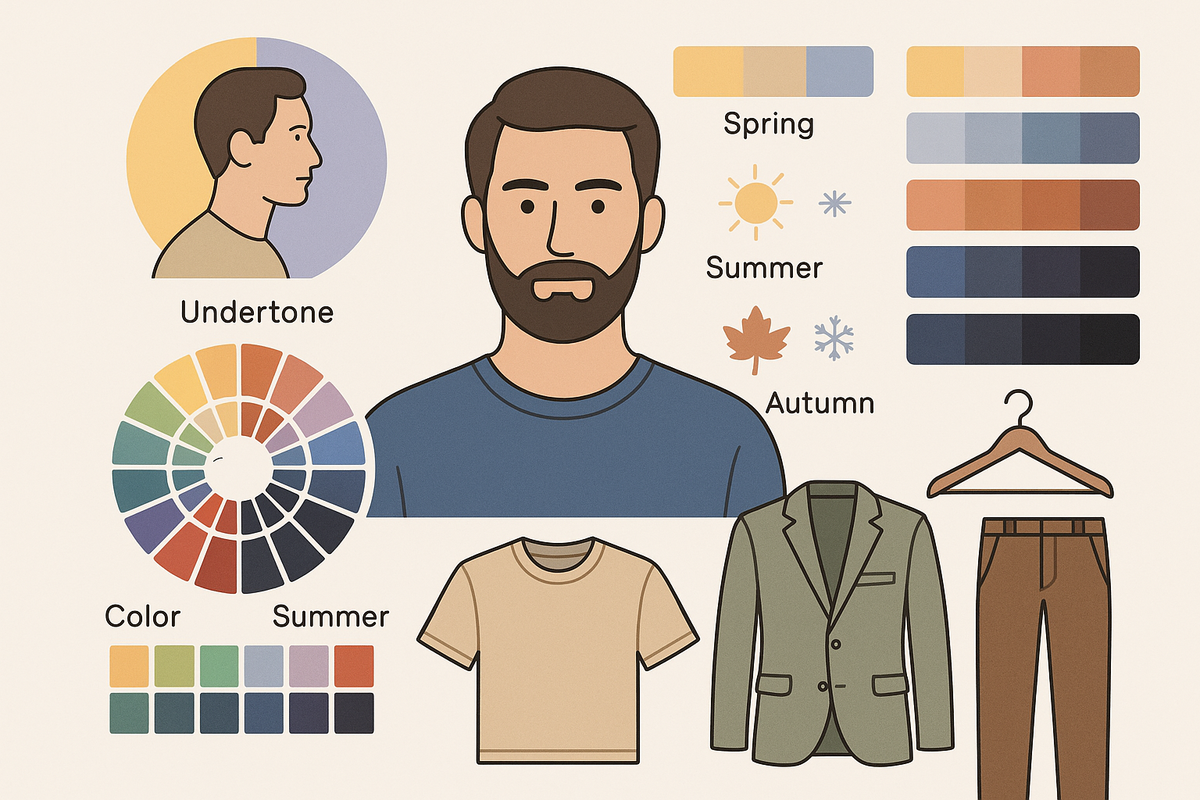
It involves analyzing the undertones in your skin, the depth of your coloring, and your natural contrast. You'll learn whether you're warm, cool, or neutral—and which seasonal color type (Spring, Summer, Autumn, Winter) you fit into. Each season has a distinct set of colors designed to highlight your best features.
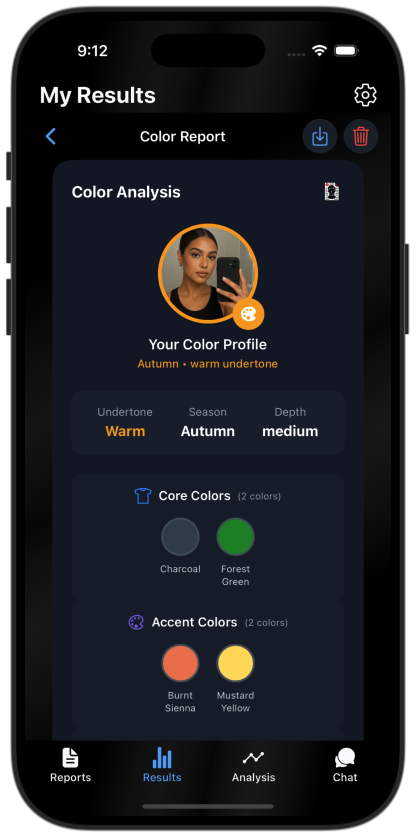
The process can be done professionally, but apps like Maxx Report now use AI to scan your face and deliver personalized color recommendations, so you can skip the guesswork. The technology analyzes thousands of pixel data points from your facial image to determine undertone, overtone, and the interplay between hair and eye color. This analysis is then matched to curated seasonal palettes, making it easier than ever to shop and dress with confidence.
Why It Matters in Men’s Style Basics
Wearing the right colors can:
- Make your skin look clearer and more even-toned, helping to conceal redness, sallowness, or dullness.
- Brighten your eyes and enhance your jawline, making facial features appear more defined without any makeup or grooming tricks.
- Boost confidence with less effort. When you wear colors that flatter you, you naturally appear more energetic and self-assured.
- Streamline your wardrobe to the essentials, making it easier to dress well every day, even on a tight schedule.
If you want to master men’s style basics or learn how to dress for your body type, color analysis is a foundational step. In fact, many stylists and personal shoppers consider it the very first principle before tackling fit, style, or trends. By understanding your colors, you can avoid style ruts and always look your best, no matter the occasion.
Section 2: How to Determine Your Skin Tone and Undertone
Step 1: Identify Your Skin Tone
Skin tone refers to the surface color of your skin: light, medium, tan, or deep. Most men can identify their skin tone by observation, but undertone is trickier—and far more important for color analysis. A common mistake is focusing only on how light or dark your skin appears, when the crucial factor is the temperature (cool or warm) of the underlying hue.
- Light: Very fair to beige, burns easily. Common in Northern European backgrounds. Example: Chris Evans or Benedict Cumberbatch.
- Medium: Beige to olive, tans gradually. Example: Oscar Isaac, Zayn Malik.
- Tan: Medium brown, tans easily. Example: Dev Patel, Bruno Mars.
- Deep: Brown to dark brown or ebony. Example: Idris Elba, Daniel Kaluuya.
It's important to note that within each tone, there is a range of undertones that make a significant difference in which colors flatter you most. For example, two men with 'medium' skin may be suited to completely different palettes if one is warm and the other cool.
Step 2: Find Your Undertone (Warm vs Cool Undertone Men)
Undertone is the subtle hue beneath your skin’s surface: warm, cool, or neutral. Here’s how to tell:
- Vein Test: Look at your wrist veins in natural light. Greenish veins = warm; bluish/purple = cool; hard to tell = neutral. This is often the fastest clue but can be ambiguous on some skin types.
- Jewelry Test: Gold jewelry looks better on warm skin; silver flatters cool skin. If both suit you, you might be neutral. Try different metal watch bands or rings to see which seems to make your skin look more vibrant.
- White Paper Test: Hold white paper next to your face. Yellow/golden hues = warm; pink/rosy = cool; olive/gray = neutral. This test works best in daylight. Compare your skin to a blank sheet; if your complexion 'pops' next to the white, it's likely cool; if it seems more harmonious, it's likely warm.
It's helpful to use all three tests for the most accurate result, as some men find they are on the borderline between two undertones.
Consider Hair and Eye Color
Your natural hair and eye color affect your season. For example, dark hair with light skin often means high contrast (Winter), while golden-brown hair and hazel eyes suggest Autumn or Spring. Here are some guidelines:
- Hair: Ashy or platinum tones suggest cool undertones; golden, red, or chestnut tones suggest warm undertones.
- Eyes: Bright blue or icy green eyes often indicate coolness, while warm brown, amber, or hazel lean warm.
It’s best to analyze in natural daylight—artificial lighting can distort your true undertone. If you color your hair or have a tan, focus on your natural coloring for the most accurate results. For instance, if you have dyed your hair a lighter shade or have been in the sun recently, consider older photographs or roots for a more accurate assessment.
Pro Tip: Use AI for Precision
Apps like Maxx Report can scan your face and break down your skin, hair, and eye tones with AI, helping you beat the guesswork. The app uses advanced image analysis to sample your skin at several points on your face, compare it to standardized color reference charts, and even take into account beard or facial hair for a holistic assessment. For more on automated beauty evaluations, check out How Do Automated Beauty Recommendations Work? Explained Simply.
Section 3: Seasonal Color Analysis for Men
The Four Seasons: Spring, Summer, Autumn, Winter
Seasonal color analysis divides people into four groups, each with a unique palette:
- Spring: Warm, light, clear coloring. Think golden undertones, lighter hair, and bright eyes. Springs often have a "fresh" look, and their best colors are vivid but not harsh—like new grass or a clear sky.
- Summer: Cool, light, muted. Often light skin with ashy hair and soft blue or green eyes. Summers look best in soft-focus, powdery hues, rather than saturated or earthy tones.
- Autumn: Warm, deep, muted. Rich golden-brown skin, darker hair, hazel or brown eyes. Autumns shine in earthy, spicy colors, like leaves in late October.
- Winter: Cool, deep, high-contrast. Pale to deep skin, dark hair, and bright eyes. Winters wear jewel tones and stark contrasts, such as black and white, exceptionally well.
Each season's palette is designed to harmonize with your natural coloring. For example, wearing your correct seasonal colors can make your complexion look more luminous and your eyes more striking—while the wrong colors can make you look tired or sallow.
How to Match Yourself
Combine undertone, contrast, and depth of coloring:
- High contrast (Winter): Dark hair + light skin (e.g., black hair, pale skin). Examples include Keanu Reeves or Henry Cavill. Winters can handle the boldest, brightest colors.
- Low contrast (Summer): Similar/light hair and skin (e.g., ash blonde hair, fair skin). Examples: Ryan Gosling or Tom Hiddleston. Summers look best in soft, gentle shades.
- Warm and light (Spring): Golden hair, fair skin, clear eyes. Think of someone like Eddie Redmayne or Owen Wilson.
- Warm and muted (Autumn): Brown hair, olive/tan skin, muted eyes. Examples include Oscar Isaac or Adam Driver.
When in doubt, consider both your undertone and your contrast level. For example, a man with warm skin but high contrast between his hair and skin might fit into the Spring palette, but could also explore certain Winter shades for formalwear.
Testing Your Season
The best way to confirm your season is to drape different colored shirts or fabrics near your face in natural light. Notice which colors make your skin glow and which wash you out. For example, if wearing a coral T-shirt makes you look healthier while a pale blue one makes you look tired, you may be a Spring or Autumn. If deeper jewel tones like emerald or navy make your eyes brighter, you may be a Winter. For a step-by-step digital guide, consider AI-powered tools or quizzes. For face shape analysis that complements color, see the Face Shape Quiz: Discover Your Perfect Look With AI Analysis.
Why Season Matters
Your season guides your best color choices for everything—from shirts and suits to accessories and grooming products. It’s a shortcut to always looking sharp, and the key to answering: what colors should I wear?
Seasons also help you make smarter shopping decisions. For example, when you know you're a Summer, you can skip bold oranges or mustards and focus on powder blue or rose. This reduces decision fatigue and increases the likelihood that every item you buy will actually get worn.
Section 4: Best Clothing Colors for Men by Season
Best Colors for Spring Men
- Shirts: Peach, coral, aqua, mint, light camel. These lighter, warmer colors will enhance your natural glow. For example, a mint polo or a coral linen shirt can be the centerpiece of your spring wardrobe.
- Suits: Light navy, beige, warm gray. Try a beige blazer for business casual or a light navy suit for formal events.
- Ties: Coral, turquoise, golden yellow. These work well with lighter shirts and add a pop of color without overwhelming.
- Casual: Olive, light tan, salmon. Olive chinos or a salmon T-shirt are versatile spring picks.
Layering is key for Spring types, as light, warm hues work well together. Try combining a light camel jacket with a mint shirt and olive trousers.
Best Colors for Summer Men
- Shirts: Soft blue, lavender, rose, dusty pink. A soft blue oxford shirt or a dusty pink tee can add depth to your look.
- Suits: Cool gray, soft navy, pale blue. A cool gray blazer or a soft navy suit is ideal for business or formal settings.
- Ties: Plum, cool green, soft pink. A plum tie over a pale blue shirt is a classic summer look.
- Casual: Slate, light mauve, cool taupe. Try a slate hoodie or a taupe henley for a relaxed but stylish appearance.
Summers should avoid stark contrasts and instead layer similar tones for a harmonious effect. A combination of soft gray trousers and a powder blue shirt can be especially flattering.
Best Colors for Autumn Men
- Shirts: Olive, burnt orange, mustard, rust, teal. A rust flannel or an olive button-down are great staples.
- Suits: Brown, olive, deep navy, warm gray. A chocolate brown suit stands out for Autumn types.
- Ties: Brick, olive, mustard. These tie colors can add warmth to any neutral outfit.
- Casual: Forest green, camel, burgundy. A burgundy sweater or camel coat will be especially flattering.
Autumns excel in textures and layering, so consider adding corduroy or wool in these rich, earthy colors. Accessories like scarves in deep teal or burnt orange can further enhance your look.
Best Colors for Winter Men
- Shirts: True white, cobalt, black, jewel tones (emerald, ruby, sapphire). A crisp white dress shirt or a cobalt turtleneck will make features pop.
- Suits: Charcoal, navy, black. These classic, high-contrast colors are perfect for Winters.
- Ties: Burgundy, icy blue, magenta. These colors add visual interest to dark suits and shirts.
- Casual: Charcoal, crisp white, icy gray. Choose a charcoal bomber jacket or an icy gray crewneck for everyday wear.
Winters should prioritize high-contrast combos, such as a black suit with a white shirt or a navy jacket with an icy gray sweater. Avoid earthy or muted tones, which can dull your natural vibrancy.
How to Test Colors
Try on shirts in different shades under natural daylight. Notice if your face looks healthier, brighter, and more defined, or tired and washed out. A good color will make your eyes stand out and skin look even. For example, if someone comments that you look "well-rested" or "glowing" in a particular color, take note—that's likely a part of your palette. For more on using AI to test your look, check out Digital Makeover: How AI Transforms Your Look Instantly.
Take photos of yourself in each color and compare side by side, or ask a friend for feedback. Remember, natural daylight is crucial for accurate results. If you're unsure, digital tools or AI apps can objectively analyze your photos and suggest a palette, removing the guesswork from color selection.
Section 5: Choosing Neutrals and Building a Capsule Wardrobe
Best Neutral Basics for Every Season
- Spring: Camel, stone, warm navy, cream. These neutrals are softer and warmer, blending seamlessly with pastel or vivid accent colors.
- Summer: Cool gray, soft navy, white, taupe. These shades create a clean, understated base for lighter accent pieces.
- Autumn: Chocolate brown, olive, beige, warm gray. Rich, earthy neutrals pair well with deeper accent hues.
- Winter: Black, charcoal, cool navy, crisp white. High-contrast neutrals underscore the boldness of jewel-toned accents.
Neutrals are the backbone of any men’s wardrobe—they mix with every accent color and are ideal for suits, trousers, outerwear, and shoes. For example, owning a pair of charcoal trousers and a navy blazer ensures you'll have a solid base for dozens of outfit combinations, regardless of season.
Building a Capsule Wardrobe from Your Palette
- Pick 2-3 core neutral colors as your foundation. For most, this means navy, gray, or beige for pants and jackets.
- Add 3-4 accent colors from your best season shades (e.g., shirts, ties, sweaters). If you're Autumn, this might mean rust, forest green, and mustard; if Summer, powder blue, rose, and lavender.
- Invest in versatile pieces: classic navy or charcoal suit, white or pale blue shirts, dark jeans or chinos. For shoes, stick with brown, black, or oxblood leather, depending on your season and personal taste.
- Mix and match for maximum outfit combinations with minimal pieces. For example, three shirts, two pairs of trousers, and one blazer in your palette can yield more than a dozen unique combinations.
This approach means fewer shopping mistakes, less clutter, and quicker, more stylish mornings.
Capsule wardrobes also make travel and packing a breeze. With a limited but carefully chosen set of pieces, you can create a week’s worth of sharp outfits without overpacking. For men who want to maintain a professional appearance with minimal effort, this strategy is a game-changer.
Accessories and Grooming
Don’t forget: your color season applies to accessories (ties, pocket squares, hats) and even grooming products (like hair color or beard dye). For instance, a Winter man will look best with a crisp, navy tie and a bright white pocket square, while an Autumn man would excel with a rust or olive scarf. Leather goods—belts, wallets, shoes—should complement your palette: dark brown for Autumn, black for Winter, tan or navy for Spring and Summer.
For beard and grooming advice that complements your color analysis, see Glow Up for Men with Patchy Beards: The Ultimate Grooming and Skincare Guide. Choosing the right beard color, for example, can further enhance your overall harmony and boost your confidence.
Section 6: Common Mistakes in Men's Color Analysis
Relying on Artificial Lighting
Indoor or yellow lighting can distort colors, making it hard to see your true undertone. Always test colors in natural daylight for accuracy. Fluorescent lights may add a greenish cast, while incandescent lights can make warm undertones look even warmer, throwing off your assessment.
Ignoring Dyed Hair or Tans
Temporary changes like dyed hair or fake tans can throw off your seasonal analysis. Base your palette on your natural hair and skin. If you've recently dyed your hair or returned from a beach trip, wait until your color returns to normal before reassessing your palette.
Confusing Skin Tone with Undertone
Remember: surface skin tone (light, medium, dark) is different from undertone (warm, cool, neutral). Focus on undertone for the most flattering color choices. Two men can have similar surface skin tones but require completely different palettes due to undertone differences.
Overlooking Contrast Level
Contrast between hair, skin, and eyes determines what looks sharp vs. bland. High-contrast men (dark hair, light skin) look best in bold, clear colors; low-contrast men (light hair, light skin) suit softer, blended hues. Ignoring this can result in outfits that either overpower or underwhelm your features.
Wearing Only Black or White
Not everyone looks good in stark black or pure white. For some, these shades can make skin look tired. Choose off-white, charcoal, or navy if pure black/white washes you out. This adjustment alone can dramatically improve how healthy and vibrant you look, especially in photos or under bright lights.
For a smarter approach to style and color, AI tools like Maxx Report can help you avoid these pitfalls by delivering a personalized, data-driven analysis. The app can flag potential color mismatches and suggest alternatives, ensuring your wardrobe always plays to your strengths.
Conclusion
Men’s color analysis is the secret weapon of great personal style. By understanding your undertone, season, and contrast level, you unlock a wardrobe that flatters your natural coloring and amplifies your best features. Use this guide to determine your season, test your best colors, and build a capsule wardrobe around them. For expert, AI-powered color and style recommendations tailored to your unique face and skin, try Maxx Report—your shortcut to a stylish, confident you.
FAQ
Q: How do men figure out their color season?
A: Men can determine their color season by analyzing skin undertone (warm, cool, neutral), contrast level (difference between hair, skin, and eyes), and natural coloring. Use tests like the vein, jewelry, and white paper tests under natural light, or try an AI analysis app for precision. For best results, consider all factors together and review your wardrobe to see which colors get the most compliments or make you feel your best.
Q: What colors suit my skin tone best?
A: The best colors depend on your undertone and season. Warm undertones suit earthy, golden shades (Spring, Autumn); cool undertones look best in blues, grays, and jewel tones (Summer, Winter). Neutrals like navy, charcoal, and beige are universally flattering basics. Always test new shades in natural light and take photos to see how they interact with your features.
Q: How can I tell if I’m warm, cool, or neutral?
A: Check your wrist veins in daylight (green = warm, blue = cool, both = neutral), see which jewelry (gold or silver) flatters you more, and compare your skin next to white paper. Warm skin appears yellow/golden, cool skin is rosy/pink, and neutral is olive or grayish. If you remain unsure after these tests, an AI-powered color analysis can provide a definitive answer.
Q: Which suit colors look best on men?
A: Navy and charcoal suits are the most versatile for all seasons. Warm seasons (Spring, Autumn) can try brown, camel, or olive suits; cool seasons (Summer, Winter) excel in gray, blue, and black. Always choose a shade that enhances your natural coloring. Remember, the suit's undertone should harmonize with your own—warm grays or browns for warm undertones, cool grays or navies for cool undertones.
Q: What are the best shirt colors for men by season?
A: Spring: peach, aqua, light camel; Summer: soft blue, lavender, rose; Autumn: olive, rust, mustard; Winter: true white, cobalt, jewel tones. Stick to your seasonal palette for the sharpest look. If you're building a versatile wardrobe, invest in several shirts in your season's top 2-3 shades for endless outfit options.
Q: Can men use color analysis to build a capsule wardrobe?
A: Absolutely. Start with 2-3 neutral basics (navy, charcoal, beige), add 3-4 accent colors from your season, and invest in versatile pieces. This maximizes outfit combinations and elevates your style with less effort. Many men find that after curating a capsule wardrobe based on color analysis, they receive more compliments, spend less on unnecessary clothing, and feel more confident in every situation.