
Men's Skincare Routine: The Pillar Guide to a Realistic Glow Up
Discover the ultimate men's skincare routine. Learn how to glow up as a man with grooming, hair, beard, and skincare tips tailored for real results.

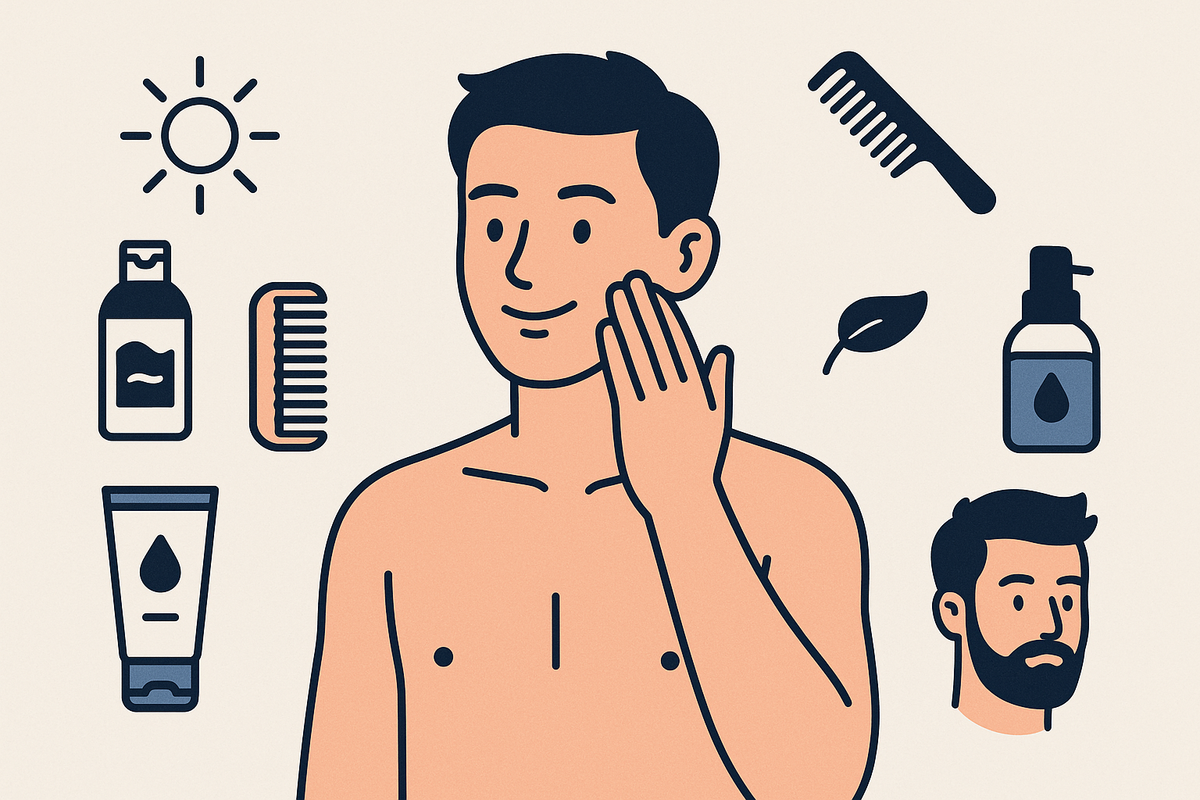
Estimated reading time: 15 min
Key Takeaways
- A basic men's skincare routine focuses on cleansing, moisturizing, and daily sunscreen.
- Personalize your routine to your skin type: oily, dry, sensitive, or combination.
- Grooming, hairstyle, and beard style by face shape amplify your natural attractiveness.
- Consistency and simplicity are key for seeing visible improvements and glowing up.
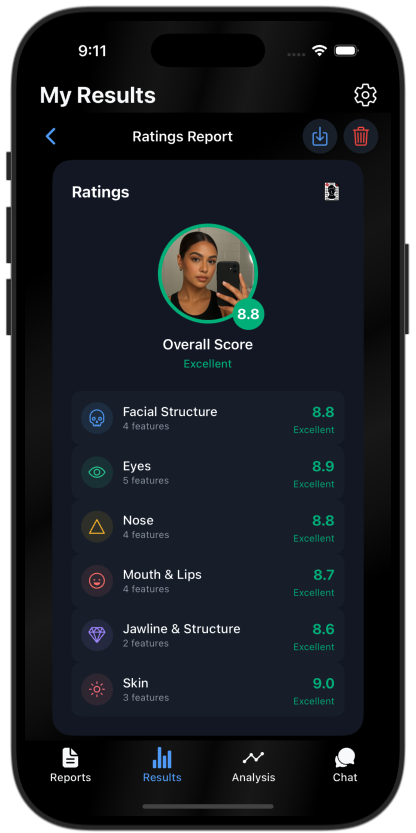
- AI apps like Maxx Report help analyze your face and guide your transformation journey.
Table of Contents
- Section 1: The Fundamentals of a Men's Skincare Routine
- Section 2: Morning vs. Nighttime Routine – What Changes?
- Section 3: How to Choose Skincare Products by Skin Type
- Section 4: Treatments for Common Skin Concerns
- Section 5: Grooming Tips for Men – Hair, Beard, and Face Shape
- Section 6: Habits and Lifestyle Upgrades for a Real Glow Up
- Conclusion
- FAQ
Section 1: The Fundamentals of a Men's Skincare Routine
Why Men Need a Skincare Routine
Skincare is not just for women. A consistent men's skincare routine is the foundation of looking more attractive as a man. Clean, healthy skin instantly elevates your appearance, boosts confidence, and makes all other grooming efforts—like your hairstyle or beard—work better. Plus, it helps prevent common issues like acne, irritation, and premature aging.
Men’s skin is biologically different from women’s due to higher testosterone levels. It is typically 20–25% thicker, produces more oil (sebum), and is more prone to enlarged pores and breakouts. These factors make skincare not only important for aesthetics but essential for overall skin health. Consistent skincare also improves the efficacy of shaving, reduces the risk of ingrown hairs, and helps delay the signs of aging such as wrinkles and age spots.
The Core Steps: Simple, Effective, Essential
- Cleanser: Wash away dirt, oil, sweat, and pollution. Use a gentle, fragrance-free face wash morning and night. Avoid bar soap, which can dry out your skin and disrupt its pH balance. Cleansing properly twice a day prevents clogged pores and supports the skin’s natural repair process.
- Moisturizer: Hydrates and repairs your skin barrier. Even oily skin needs moisture (choose an oil-free gel if needed). Moisturizing preserves your skin’s elasticity, smoothness, and resilience against environmental stressors like wind, cold, and air pollution.
- Sunscreen: SPF 30+ every morning, rain or shine. This is the anti-aging and anti-dark spot step. UV rays are responsible for the majority of premature aging signs, including wrinkles, sagging, and sunspots. Use a broad-spectrum sunscreen that protects against both UVA and UVB rays.
- Exfoliation (optional): 1–2 times a week to remove dead skin and brighten your complexion. Avoid harsh scrubs; use a gentle chemical exfoliant (like AHA/BHA) if your skin tolerates it. Exfoliation boosts cell turnover, improves texture, and helps other skincare products absorb more effectively.
Building the Routine: Step-by-Step
Start with these three basics: cleanser, moisturizer, and sunscreen. You don’t need a 10-step ritual. Once you’re consistent for at least four weeks, you can add a targeted serum or treatment if needed (such as for acne, dark spots, or wrinkles). The key is to introduce new products one at a time so you can monitor how your skin responds. If irritation or breakouts occur, you’ll know exactly which product to adjust or remove.
For a deeper dive into AI-driven glow up tips, check out AI Glow Up Tips That Work: Transform Your Look with Data-Driven Insights.
Section 2: Morning vs. Nighttime Routine – What Changes?
Morning Routine: Defend and Prevent
Your morning routine is about protection. Here’s the optimal order:
- Cleanse: Remove oil and sweat from sleep. Use lukewarm water and gently massage cleanser into your skin for 30–60 seconds before rinsing.
- Treatment/Serum: Optional, for specific concerns like acne, dark spots, or redness. For example, a vitamin C serum in the morning can boost skin brightness and provide antioxidant protection against pollution.
- Moisturizer: Light, fast-absorbing, non-greasy. Look for ingredients like hyaluronic acid or glycerin that hydrate without clogging pores.
- Sunscreen: Always apply as the last step (SPF 30+). Use about a nickel-sized amount for your face and neck, and reapply every 2–4 hours if you’re outside or sweating.
Why sunscreen? UV damage causes 80%+ of visible aging and dark spots. Even if you’re indoors, blue light from screens and incidental sun exposure through windows can accumulate and contribute to skin aging. Research shows that cumulative, low-level sun exposure over time has a significant impact on your skin’s health and appearance. Consistent sunscreen use is proven to reduce risk of skin cancer and delay the onset of wrinkles and hyperpigmentation.
Nighttime Routine: Repair and Rebuild
At night, the focus shifts to cleansing away the day’s buildup and supporting overnight skin renewal:
- Cleanse: Essential to remove sunscreen, sweat, and pollution. Double cleansing (using an oil-based cleanser first, followed by a water-based cleanser) is beneficial if you wear heavy sunscreen or work in a polluted environment.
- Exfoliate: 1–2x per week, after cleansing, before other steps. Chemical exfoliants (like glycolic or salicylic acid) are preferred over physical scrubs, as they are less abrasive and more effective in the long run.
- Treatment/Serum: Retinoids (vitamin A), anti-aging, or acne treatments go here. Retinol is best used at night because it can increase skin sensitivity to sunlight. Use a pea-sized amount and start with every third night if you’re new, gradually increasing frequency as your skin tolerates it.
- Moisturizer: Can be richer at night for repair—look for ingredients like ceramides or hyaluronic acid. Night creams often contain restorative ingredients like peptides, niacinamide, and antioxidants that support skin barrier repair and collagen production.
For men who shave daily, consider shaving at night after cleansing, as your skin is less likely to be exposed to environmental irritants immediately after. Always use a clean razor and replace blades regularly to avoid irritation and infection.
Consistency Is Everything
- Don’t overload your routine—stick to these basics for at least four weeks before adding more. Your skin needs time to adjust, and introducing too much at once can cause breakouts or sensitivity.
- Track your progress with before/after photos or an AI analysis tool like Maxx Report to stay motivated. Monitoring changes helps you notice gradual improvements and keeps you accountable.
- Set reminders on your phone or keep your products in plain sight to make your routine effortless to remember. Consistency, not perfection, leads to results. Even missing a step occasionally won’t undo your progress, as long as you get back on track.
Section 3: How to Choose Skincare Products by Skin Type
Identifying Your Skin Type
- Oily: Shiny, enlarged pores, frequent breakouts. Your skin may feel greasy by midday, especially in the T-zone (forehead, nose, chin).
- Dry: Flaky, tight, sometimes itchy skin. You may notice rough patches, redness, or increased sensitivity after washing your face.
- Combination: Oily T-zone (forehead/nose/chin), dry or normal cheeks. You might have breakouts and blackheads on your forehead or nose but dry skin elsewhere.
- Sensitive: Easily irritated, redness, stinging with certain products. Sensitive skin reacts quickly to weather changes, fragrances, and active ingredients.
- Acne-prone: Frequent pimples, whiteheads, blackheads. This can overlap with oily or sensitive skin types.
Still unsure? An AI face scan can help you analyze your skin type and condition. Try the Face Shape Quiz: Discover Your Perfect Look With AI Analysis for a holistic approach. Alternatively, after washing your face with a gentle cleanser and waiting 30 minutes without applying any products, observe how your skin feels and looks to determine your skin type.
Product Recommendations by Skin Type
- Oily/Acne-prone: Gel cleanser, oil-free moisturizer, non-comedogenic sunscreen, salicylic acid spot treatment. Avoid heavy, greasy creams. Look for labels like “non-comedogenic,” “oil-free,” or “matte finish.” Products containing niacinamide can also help regulate oil production.
- Dry: Cream cleanser, rich moisturizer with ceramides, hydrating toner, SPF with added moisturizers. Consider using facial oils like squalane at night to lock in moisture. Hyaluronic acid serums are excellent for attracting and retaining water in the skin.
- Combination: Gentle foaming cleanser, lightweight moisturizer, targeted spot treatments for oily areas. You may need to use different products for different areas of your face (e.g., mattifying products for your T-zone, richer creams for drier cheeks).
- Sensitive: Fragrance-free, alcohol-free formulas, minimal ingredients, avoid harsh exfoliants. Look for calming ingredients like aloe vera, centella asiatica, or oatmeal. Always patch test new products on a small area before applying them to your whole face.
When shopping for skincare, always check the ingredient list and avoid known irritants for your skin type. If you’re acne-prone, avoid coconut oil and lanolin. Sensitive skin types should avoid added fragrances and dyes.
What to Avoid
- Harsh scrubs or physical exfoliants (they can damage skin barrier). Microbeads and walnut shell scrubs can cause tiny tears in the skin and worsen irritation or acne.
- Over-washing—twice a day is plenty. More can dry or irritate your skin. Unless you’ve been sweating heavily or exposed to dirt, stick to morning and night cleansing. If your skin feels dry or tight, consider using just water in the morning and a cleanser at night.
- Alcohol-heavy toners and astringents, which can strip moisture and cause rebound oiliness or irritation.
Section 4: Treatments for Common Skin Concerns
Managing Acne and Breakouts
Acne is among the most common men’s skin issues. Address it with:
- Benzoyl Peroxide: Kills acne-causing bacteria. Use as a spot treatment. Start with a 2.5% or 5% formulation to minimize irritation, and apply only to affected areas.
- Salicylic Acid: Unclogs pores and reduces inflammation. Look for cleansers or leave-on treatments with 0.5–2% salicylic acid. It penetrates oil and helps clear blackheads and whiteheads.
- Retinoids: Prescription-strength (tretinoin) or over-the-counter (retinol) for both acne and anti-aging. Retinoids boost cell turnover and prevent clogged pores. Start slowly and always use sunscreen, as retinoids increase sun sensitivity.
If you have persistent or cystic acne, consult a dermatologist rather than self-treating for months. Severe acne may require oral medications or professional treatments to prevent scarring. Don’t pick or squeeze pimples, as this can lead to infection and permanent marks.
Dark Spots and Hyperpigmentation
- Vitamin C Serum: Brightens skin and fades dark spots. Use in the morning before moisturizer and sunscreen. Consistent use over several weeks can noticeably reduce pigmentation.
- Niacinamide: Reduces inflammation and evens out pigmentation. Niacinamide is suitable for all skin types and can also help with redness and fine lines. Look for serums with 4–10% concentration.
- Sunscreen: Absolutely essential—dark spots get worse with sun exposure. Sunscreen prevents new spots from forming and existing ones from darkening.
For stubborn pigmentation, ingredients like licorice root extract, alpha arbutin, and azelaic acid can help. Always patch test new treatments and introduce them gradually. For post-acne marks, patience is key—many fade over several months with consistent care.
Texture, Dullness, and Aging
- Exfoliation: AHA/BHA 1–2x per week smooths skin and boosts glow. Glycolic acid (AHA) is best for dry or normal skin, while salicylic acid (BHA) is excellent for oily, acne-prone skin.
- Retinol/Retinoids: Increases cell turnover and reduces fine lines. Over time, retinoids stimulate collagen production and reduce the appearance of pores and wrinkles. Start with a low concentration and gradually build up as tolerated.
- Hydrating Toners/Serums: Look for hyaluronic acid and glycerin. These ingredients draw moisture into the skin and plump out fine lines for a smoother appearance.
For more on facial proportions and how they affect perceived attractiveness, explore Golden Ratio Face: The Science of Perfect Facial Proportions.
Don’t underestimate the role of professional treatments if DIY efforts plateau. Chemical peels, microdermabrasion, and laser therapy can make a big difference for stubborn texture, scarring, or pigmentation—but always consult a board-certified dermatologist first.
Section 5: Grooming Tips for Men – Hair, Beard, and Face Shape
Hairstyle for Your Face Shape: The Game-Changer
The right hairstyle can dramatically boost your attractiveness by balancing your features. Here are some examples and actionable steps:
- Oval face: Almost any hairstyle works; try textured crops, classic fades, or slicked-back looks. Avoid heavy fringes that might hide your balanced proportions.
- Round face: Add height with volume on top and keep sides short. Pompadours, faux hawks, and high fades elongate your face visually. Avoid buzz cuts or full, round fringes.
- Square face: Emphasize your strong jawline with a side-part, undercut, or textured quiff. Longer hair on top softens the angularity. Avoid styles that are too boxy or short on all sides.
- Diamond/Heart: Volume at the crown, avoid too-short sides. Fringe or side-swept styles balance a narrow chin and wider forehead. Layered cuts work well here.
To find your face shape, use a mirror or an AI analyzer. Measure your forehead, cheekbones, jawline, and face length. The Face Shape Quiz is a quick start. An AI tool can pinpoint subtle differences and recommend personalized styles based on your unique features.
Beard Style by Face Shape
- Round face: Longer beard at the chin, shorter on the sides to elongate. Goatees, van dykes, and anchor beards visually lengthen your appearance.
- Square face: Keep edges neat, slightly rounded at the chin to soften angles. A full beard with a rounded bottom or a short boxed beard works well.
- Oval face: Most beard styles work—experiment to highlight your best features. Try short stubble, full beards, or defined chinstraps depending on hair density and growth.
- Patchy beards: Opt for shorter, stubbly styles or use grooming tools for evenness. For specialized advice, check out Glow Up for Men with Patchy Beards. You can also use beard pencils or fibers to fill in sparse areas for special occasions.
Maintain your beard by washing it regularly, using beard oil for softness, and trimming stray hairs weekly. If you shave, exfoliate beforehand to prevent ingrown hairs. Always use clean, sharp tools.
Other Essential Grooming Tips
- Trim nose and ear hair regularly—these make a huge difference in looking groomed. Use dedicated trimmers for safety and precision.
- Keep eyebrows tidy but not over-plucked. Use tweezers to remove stray hairs and a spoolie brush to shape. If your brows are very thick, consider professional waxing or threading.
- Use a gentle exfoliant to prevent ingrown hairs if you shave. Exfoliating 24 hours before shaving helps loosen trapped hairs and reduces irritation.
- Maintain oral hygiene—whiten your teeth if necessary and keep lips hydrated with balm.
- Don’t neglect your hands and nails—clean, trimmed nails are a subtle but powerful sign of good grooming.
AI-powered looksmaxxing apps like Maxx Report can rate your facial symmetry, jawline, and skin, then suggest the optimal hairstyle for your face shape and beard style for an instant upgrade. Upload a clear photo in good lighting and review suggestions for haircuts, beard styles, and even eyebrow shape that will maximize your facial harmony.
Section 6: Habits and Lifestyle Upgrades for a Real Glow Up
How to Glow Up as a Man: Beyond Skincare
To truly look more attractive as a man, skincare is only part of the equation. Your daily habits and lifestyle choices compound your results. Here’s what matters most:
Sleep, Hydration, and Nutrition
- Sleep: 7–8 hours per night for optimal skin repair and reduced under-eye circles. Lack of sleep increases cortisol, which can break down collagen and trigger breakouts.
- Hydration: Aim for 2–3 liters of water daily; skin looks plumper and healthier when well-hydrated. Carry a reusable water bottle to make this goal easier. Hydrated skin is less prone to flaking and irritation.
- Nutrition: Prioritize protein, healthy fats (omega-3s), and antioxidant-rich foods (berries, leafy greens) for skin health. Avoid excessive sugar and processed foods, which can worsen acne and inflammation. Try to include foods rich in zinc, vitamin E, and selenium, all linked to skin repair and resilience.
Exercise and Stress Management
- Exercise: Increases circulation, reduces stress, and gives your skin a healthy glow. Aim for at least 150 minutes of moderate exercise per week. Resistance training can boost testosterone, which is linked to muscle tone and skin thickness.
- Stress: Chronic stress increases breakouts and dullness. Practice mindfulness, breathing exercises, or spend time outdoors. Meditation, yoga, or even a daily walk can lower stress hormone levels and support overall well-being. High stress also impacts your sleep and immune system, both crucial for healthy skin.
Consistency and Simplicity
- Stick to your routine—results build over months, not days. Track your improvements with photos, journals, or digital tools.
- Start simple; don’t buy 10 new products at once. Focus on mastering the basics before adding advanced treatments or supplements.
- Use AI tools for tracking and motivation. For digital transformation, read Digital Makeover: How AI Transforms Your Look Instantly. AI can help you identify subtle changes, set realistic goals, and keep you accountable.
- Pay attention to posture, body language, and personal style (clothes and accessories). These non-skin factors can dramatically affect first impressions and perceived attractiveness.
Finally, remember that mental health is just as important as physical appearance. Confidence, self-care, and a positive attitude amplify the effects of your grooming and skincare routine.
Conclusion
Building a men’s skincare routine doesn’t have to be complicated or overwhelming. Start with the essentials: cleanse, moisturize, and protect with sunscreen. Once you’re consistent, layer in targeted treatments for your specific skin concerns. Add grooming habits, the right hairstyle and beard style for your face shape, and healthy lifestyle choices to unlock your full potential.
Don’t be discouraged by slow progress—skin and style transformations are gradual, but the payoff is lasting. Invest in quality products suited to your skin type, maintain good sleep and nutrition, and make grooming a daily habit rather than a chore. Over time, these small steps compound into visible, impactful results.
For a personalized, AI-driven transformation plan, scan your face with Maxx Report and get custom ratings, style suggestions, and glow up advice. Remember: the most attractive men aren’t born—they’re built with daily habits, smart grooming, and a little help from technology.
FAQ
Q: What is the best men’s skincare routine for beginners?
A: Start with three steps: cleanse your face twice a day, apply a moisturizer suited to your skin type, and use sunscreen every morning. Add exfoliation 1–2 times a week if needed. Simplicity and consistency are key for beginners.
Q: What order should men apply skincare products in?
A: In the morning: cleanse, treat (serum if needed), moisturize, then sunscreen. At night: cleanse, exfoliate (1–2x/week), treat, then moisturize. Always apply products from thinnest to thickest texture.
Q: How many times a day should men wash their face?
A: Twice a day—morning and evening—is ideal. Over-washing can strip your skin and cause irritation, while under-washing can lead to clogged pores and breakouts.
Q: Do men really need sunscreen every day?
A: Yes. Daily sunscreen is the most effective way to prevent premature aging, dark spots, and skin cancer. Apply SPF 30+ every morning, even on cloudy or indoor days.
Q: How often should men exfoliate their skin?
A: 1–2 times per week with a gentle chemical exfoliant (like AHA or BHA) is enough for most men. Over-exfoliation can damage your skin barrier and cause irritation.
Q: What skincare products should men use for oily or acne-prone skin?
A: Choose a gel cleanser, oil-free moisturizer, non-comedogenic sunscreen, and spot treatments with salicylic acid or benzoyl peroxide. Avoid heavy creams and harsh scrubs.