The Technology Behind AI Styling: Transforming Design and Personal Style
Discover how the technology behind AI styling reshapes design and personalization, utilizing smart systems for enhanced fashion, interior, and graphic solutions.

Estimated reading time: 8 min read
Key Takeaways
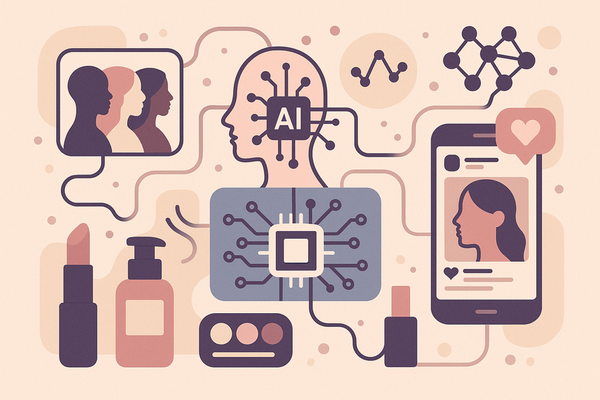
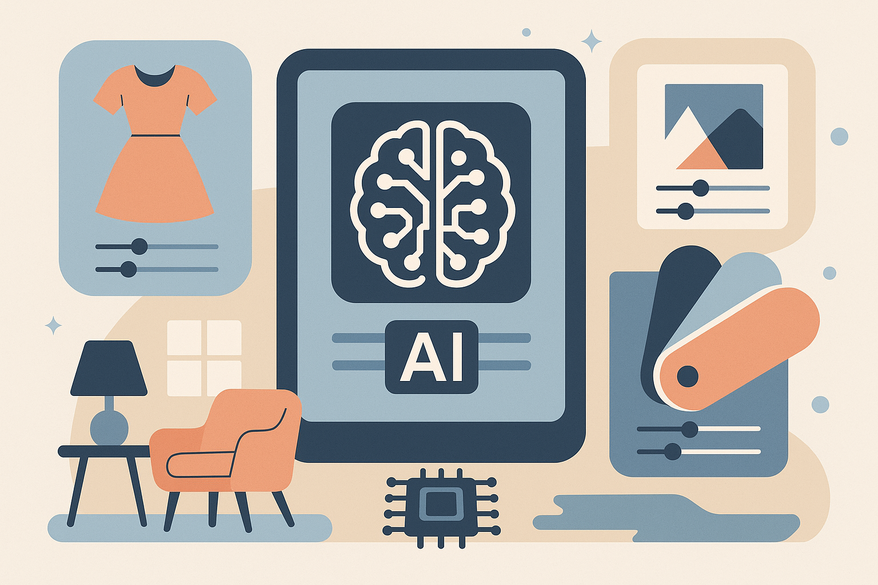
- AI styling combines machine learning, deep learning, computer vision, NLP, recommendation engines, and generative AI to deliver personalized design at scale.
- Core technologies include CNNs for image understanding, NLP for text-based prompts, and style transfer for creating new looks.
- The AI styling pipeline consists of data collection, preprocessing, model training, real-time inference, and continuous feedback.
- Applications span fashion, interior design, and graphic/visual campaigns.
- Future trends point to richer multimodal models, advanced 3D workflows, cross-domain styling intelligence, and responsible, inclusive AI.
Table of Contents
- Background of AI and Styling
- Core Technologies Powering AI Styling
- How AI Styling Works: Step-by-Step
- Real-World Uses of AI Styling
- Benefits of Leveraging AI Styling
- Challenges in Implementing AI Styling
- What’s Next for AI Styling
- Conclusion
- FAQ
Background of AI and Styling
Artificial intelligence has evolved from rule-based engines to sophisticated machine learning (ML) and deep learning (DL) models that learn patterns from vast datasets rather than following hand-coded rules. This evolution enables systems to “see” images, understand aesthetics, and respond to emerging trends almost instantly.
AI styling refers to using intelligent algorithms to curate, generate, or adapt visual styles—such as outfits, interior schemes, or layouts—based on data about users, items, and context. Compared to traditional styling with manual curation, AI styling:
- Processes thousands of products and looks in seconds.
- Computes “style fingerprints” and compatibility scores instead of relying solely on subjective taste.
- Continuously adapts to feedback like clicks, likes, sales data, and social media trends.
See a complete step-by-step guide to deploying AI styling in practice.
Core Technologies Powering AI Styling
AI styling runs on a stack of advanced tools. Here are the main ones:
- Machine Learning (ML) – Supervised learning on labeled design data; collaborative filtering for “people like you also like...” clusters. Learn how AI fashion styling works.
- Deep Learning & Neural Networks – Convolutional neural networks (CNNs) for image analysis; multi-layer perceptrons for recommendation logic. What is an AI fashion stylist?
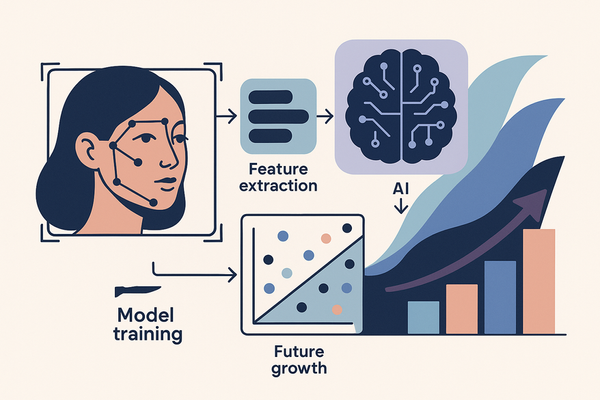
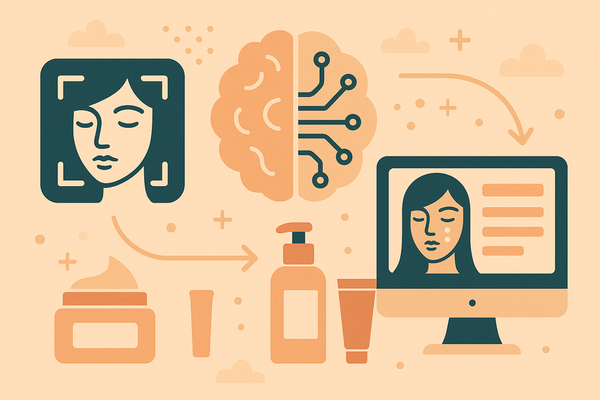
- Computer Vision – Feature extraction (category, shape, color, pattern, fabric); body-shape detection for personalized fits. AI styling features explained.
- Natural Language Processing (NLP) – Tokenizing product descriptions; extracting sentiment and style keywords; enabling text-to-style prompts. How smart tech transforms style.
- Recommendation Engines – Matching user style fingerprints with inventory; ranking items by relevance and context. Learn how AI styling recommendations work.
- Generative AI & Style Transfer – Creating new outfits, room mockups, graphic layouts; transferring style from references. Discover model-inspired looks.
- Pattern Recognition – Detecting recurring motifs in cuts, palettes, silhouettes; clustering designs by style. Learn about AI pattern recognition.
How AI Styling Works: Step-by-Step
- Data Collection – Gather user profiles, photos, clicks and item data including catalog attributes, images, and 3D models. Learn more.
- Preprocessing – Resize and normalize images, remove backgrounds via CNNs; tokenize text and analyze sentiment. Top AI styling apps.
- Model Training – Vision models classify garments and detect body parameters; recommendation models learn style combinations; generative models train on lookbooks. Explore training methods.
- Inference & Real-Time Styling – Compute style fingerprints; output ranked suggestions, full outfits, design boards, and virtual try-ons. See it in action.
- Feedback & Adaptation – Incorporate clicks, returns, and “not my style” signals for continuous learning. Continuous improvement.
Real-World Uses of AI Styling
Fashion – AI stylists offer body-shape and trend-based outfit recommendations and power “Complete the Look” features. Complete the Look features.
Interior Design – Generate room layouts and décor suggestions from photos or text prompts using style-transfer. Style-transfer for interiors.
Graphic & Visual Design – Create generative layouts and campaigns that match brand aesthetics. Model-inspired campaigns.
Benefits of Leveraging AI Styling
- Efficiency & scale: Automate look creation, tagging, and trend scanning. Best AI styling apps 2025.
- Hyper-personalization: Tailor recommendations by taste, body type, and budget. Smart tech personalization.
- Forecasting: Predict inventory needs and campaign success with advanced models. AI forecasting explained.
Challenges in Implementing AI Styling
- Data bias & representation: Risk of skewed recommendations for under-represented groups. Mitigating bias.
- Computational demands: High compute and data requirements for real-time styling. Resource considerations.
- Quality control & brand alignment: Generative outputs may stray off-brand. Ensuring brand consistency.
- User trust & explainability: Opaque suggestions raise privacy and transparency concerns. Building trust.
- Ethical & sustainability issues: Potential for over-consumption and data privacy challenges. Responsible AI.
What’s Next for AI Styling
- Richer multimodal models combining text, image, video, and behavior data.
- Advanced generative and 3D workflows—from initial sketch to virtual try-on.
- Cross-domain styling intelligence aligning fashion, interior, and graphic design.
- Interactive personalization where users steer style via natural language.
- Responsible and inclusive AI with active debiasing and on-device privacy.
Conclusion
The technology behind AI styling marries machine learning, deep neural networks, computer vision, NLP, recommendation engines, and generative models to deliver personalized style at scale. From core technologies and structured pipelines to real-world applications, benefits, challenges, and future directions, AI styling is redefining design and personal expression.
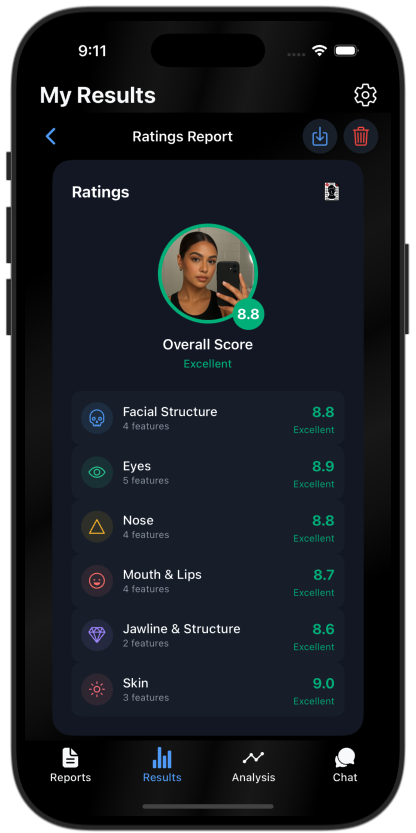
Additionally, you can get instant AI-powered looksmaxx analysis—including style ratings, facial features, color analysis, and more—with Maxx Report. It provides comprehensive, data-driven reports to support your glow-up journey.
FAQ
- What technologies power AI styling?
- AI styling relies on machine learning, deep neural networks (especially CNNs), computer vision, natural language processing, recommendation engines, and generative AI models.
- How does AI styling personalize recommendations?
- It creates a unique “style fingerprint” for each user based on their preferences, body shape, budget, and past interactions, then matches it against inventory using recommendation engines.
- Where is AI styling used in the real world?
- Applications include fashion outfit suggestions, interior design mockups, and generative layouts for marketing and branding.
- What are the key challenges of AI styling?
- Challenges include data bias, high computational demands, ensuring brand consistency, user trust and explainability, and ethical concerns like over-consumption and privacy.
- What’s next for AI styling?
- Future trends point to richer multimodal AI models, advanced 3D virtual try-on workflows, cross-domain styling intelligence, interactive user-driven personalization, and inclusive, privacy-focused solutions.