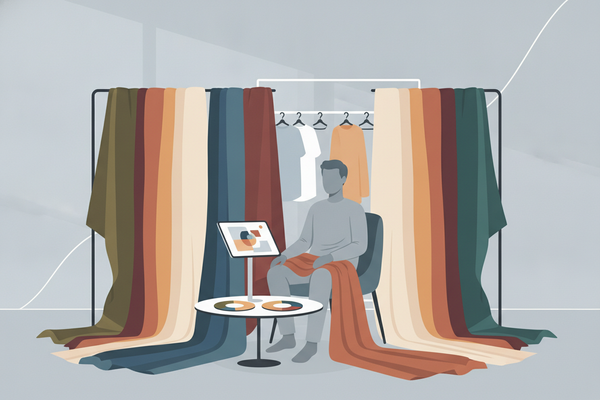
What Colors Make Men Look Younger: A Complete Guide to Men's Color Analysis
Discover what colors make men look younger by skin tone and undertone, plus tips on men's color analysis and style basics for a youthful look.


Estimated reading time: 15 min
Key Takeaways
- Choosing colors that complement your natural complexion can help men appear more vibrant and may contribute to a more youthful look.
- Light blues, crisp whites, navy, and muted earth tones are often recommended for a fresh appearance, as they tend to reflect light well and harmonize with many skin tones.
- Understanding your skin undertone (warm vs cool) can assist in selecting colors that flatter your natural hues and avoid washing you out.
- Some colors like harsh black, muddy browns, neon shades, and skin-matching beiges might accentuate wrinkles or dullness and could create a washed-out look for some men.
- Combining colors thoughtfully in shirts, layers, and accessories can enhance a youthful and stylish look by adding depth, contrast, and vitality to your overall outfit.
Table of Contents
- Section 1: Understanding Skin Tone and Undertones
- Section 2: Best Colors to Make Men Look Younger
- Section 3: Colors to Avoid for a Youthful Appearance
- Section 4: Men's Color Analysis and Seasonal Color Theory
- Section 5: How to Combine Colors in Your Wardrobe
- Section 6: Dressing for Your Body Type and Youthful Style
Conclusion
FAQ
Section 1: Understanding Skin Tone and Undertones
What Is Skin Tone vs Undertone?
Skin tone is the visible color of your skin surface, influenced by melanin levels and exposure to sunlight. It ranges broadly from very fair to deep brown and can change slightly over time, especially with sun exposure or tanning. Undertones, however, are the subtle, consistent hues beneath the skin’s surface that remain relatively stable regardless of external factors like sunlight or temperature. These undertones influence how colors interact with your skin and are classified primarily into three categories: warm, cool, and neutral.
Identifying Warm and Cool Undertones
Knowing your undertone can be helpful for selecting colors that complement your natural coloring. Wearing colors that align with your undertone may brighten your face and harmonize with your complexion.
- Warm undertones: These skin types have underlying golden, yellow, or peach hues. People with warm undertones often have veins that appear greenish when viewed under natural light, and gold jewelry tends to complement their skin better than silver. Warm undertones often pair well with earthy colors such as olive green, camel, and warm reds.
- Cool undertones: These have underlying pink, red, or blue hues. Veins tend to look blue or purple, and silver jewelry is generally more flattering. Cool undertones often work well with colors like light blues, navy, and soft whites that complement their cooler base.
- Neutral undertones: These are a balanced mix of warm and cool undertones. People with neutral undertones may have more flexibility and can typically wear a broad range of colors without clashing, though some shades may highlight their features more effectively.
How to Determine Your Skin Tone and Undertone
Here are practical steps to identify your undertone at home:
- Vein Test: Look at the veins on the underside of your wrist in natural daylight. Blue or purple veins may indicate cool undertones, greenish veins suggest warm undertones, and a mix may indicate neutral undertones.
- Jewelry Test: Consider whether silver or gold jewelry looks better on your skin. Silver tends to flatter cool undertones, while gold suits warm undertones.
- White Paper Test: Hold a white sheet of paper next to your face in natural light. If your skin appears more yellow or golden, you may have warm undertones; if it looks pink or rosy, your undertones may be cool.
- Sun Exposure Reaction: If your skin tans easily without burning, you might have warm undertones; if you burn or turn red easily, your undertones may be cool.
Determining your undertone can assist in selecting colors that harmonize with your natural complexion and avoid hues that may make you look tired, washed out, or older.
Section 2: Best Colors to Make Men Look Younger
Light Blue Shades: Sky Blue, Powder Blue, Light Blue
Light blue tones are often recommended for creating a fresh and youthful appearance. These shades reflect light onto the face, which can reduce the appearance of shadows and dullness that might emphasize wrinkles or tiredness. For example, a sky blue dress shirt can brighten the eye area and soften facial lines, potentially making the wearer appear more vibrant and approachable.
These blues tend to work well across many skin tones, particularly enhancing cool and neutral undertones. Pairing light blue shirts with darker jackets or sweaters can create contrast that frames the face without harshness.
Crisp White, Soft White, and Cream/Off-White
White is a classic color that reflects light well, often brightening the face and creating a clean, youthful look. Crisp white offers a sharp, modern appearance that may be especially flattering for men with cool undertones, as it contrasts with the pinkish hues in their skin.
For men with warm undertones, softer whites such as ivory, cream, or off-white tones can add a gentle warmth that complements the skin and avoids stark contrast. These shades can rejuvenate the complexion by giving a subtle glow without washing out the skin.
Examples include an off-white cotton shirt paired with a camel blazer or a cream-colored sweater layered over a light blue shirt, creating depth and warmth.
Navy as a Youthful Black Alternative
Although black is a popular wardrobe staple, it can sometimes be perceived as too harsh, especially when worn close to the face. Black tends to create deep shadows that may highlight wrinkles and skin imperfections, which can contribute to an older appearance for some men.
Navy is often considered a softer alternative that maintains a sophisticated and timeless look without the harshness. Navy blue absorbs less light, reducing shadow contrast and complementing both warm and cool undertones. For instance, a navy blazer paired with a light blue shirt brightens the overall look and adds a youthful polish.
Moreover, navy is versatile and suitable for many occasions, from casual to formal, making it a good choice for men seeking to refresh their style with age-defying colors.
Charcoal, Soft Charcoal, and Light Gray Neutrals
Gray tones, especially lighter and softer charcoals, offer mature sophistication without overwhelming the face. Unlike black, these shades provide depth and structure while maintaining a gentle contrast that may not emphasize aging features as much.
Light gray sweaters or jackets are excellent layering options that soften the overall appearance. Charcoal suits or trousers can be paired with lighter shirts to create balanced outfits that enhance youthfulness.
These neutrals are especially practical for men with neutral or cool undertones and serve as versatile components of a youthful wardrobe, pairing well with both brighter accent colors and muted earth tones.
Muted Earth Tones: Olive, Sage, Camel, Taupe
Earth tones with muted saturation, such as olive, sage, camel, and taupe, offer natural vitality without appearing dull or muddy. These colors bring warmth and richness that can refresh the skin’s appearance.
Olive and sage, for instance, are often excellent for warm undertones and evoke a subtle, grounded energy that complements natural coloring. Camel and taupe add warmth and can soften the appearance of fine lines by introducing gentle contrast.
Mixing these earth tones with blues or grays can create balanced, harmonious outfits. For example, pairing an olive jacket with a crisp white shirt and navy pants offers a youthful yet classic look that works in multiple settings.
Deep Accent Colors: Burgundy, Wine, and Rich Reds
Deep reds like burgundy and wine can inject energy and sophistication when used as accent colors. These shades add visual interest and warmth without overpowering the overall outfit.
Incorporate these colors in accessories such as ties, scarves, pocket squares, or layering pieces to subtly uplift your look. For instance, a burgundy tie paired with a navy suit and light blue shirt can brighten the face and evoke a polished, youthful vibe.
Using deep reds sparingly helps ensure they add vitality without clashing with your base colors or skin tone.
Section 3: Colors to Avoid for a Youthful Appearance
Harsh Black
While black can appear sleek and formal, wearing black garments close to the face may produce harsh shadows that accentuate wrinkles, fine lines, and skin texture irregularities for some men. This stark contrast can make the skin look paler and more tired, potentially contributing to an older appearance.
For example, a black turtleneck or dress shirt worn near the face can create an unflattering shadow under the jawline and around the eyes, emphasizing signs of aging.
Instead, softer alternatives like navy or charcoal can retain sophistication without the negative aging effects.
Muddy Brown and Mustard Tones
Muddy browns and yellow-tinged mustard colors can blend too closely with warm undertones, reducing contrast and making the skin look dull and lifeless for some individuals. These colors often absorb light rather than reflect it, which can flatten the complexion and accentuate shadows and wrinkles.
For example, a mustard shirt or a brown sweater worn near the face can create an overall washed-out appearance, especially under indoor lighting.
Warmer browns with clearer tones, like camel or rust, are often better alternatives if you prefer earth tones.
Neon and Very Bright Colors
Extremely bright or neon colors tend to overpower natural skin tones and draw attention away from the face. These hues can highlight skin imperfections and create an unnatural, harsh appearance that detracts from a youthful look.
For instance, neon green or electric pink shirts can cause unpleasant reflections on the skin, emphasizing uneven texture or redness.
Instead, selecting muted or pastel versions of bright colors that blend harmoniously with your undertones is generally preferable.
Skin-Matching Beige and Taupe
Wearing colors that are too close to your natural skin tone, such as beige or taupe shades that closely match your complexion, can make you look washed out and older for some men. This lack of contrast diminishes the natural glow of your skin and flattens your facial features.
For example, a beige shirt or jacket that matches your skin tone too closely may cause your face to blend into the clothing, reducing visual interest and vitality.
To avoid this, choose colors that provide gentle contrast and enliven your complexion.
Section 4: Men's Color Analysis and Seasonal Color Theory
What Is Men's Color Analysis?
Men's color analysis is a personalized approach to identifying which colors best complement an individual’s skin tone, undertones, eye color, and hair color. This method helps men build wardrobes that enhance their natural features, may increase perceived youthfulness, and improve overall style.
By understanding your unique coloring, you can avoid colors that dull your appearance or make you look older, and instead select hues that brighten your complexion and harmonize with your natural palette.
Seasonal Color Theory Overview
Seasonal color theory is a widely-used framework that categorizes individual coloring into four seasons—Spring, Summer, Autumn, and Winter—based on undertones and intensity. Each season has a specific palette of colors that complement the wearer’s natural coloring.
- Spring: Characterized by warm undertones with clear, bright colors. Ideal shades include coral, light peach, turquoise, and warm greens. Springs often have light hair and eyes with a warm glow.
- Summer: Marked by cool undertones with soft, muted colors. Pastels such as powder blue, soft lavender, dusty pink, and light gray work well. Summers tend to have lighter hair and eyes with a cool or rosy hue.
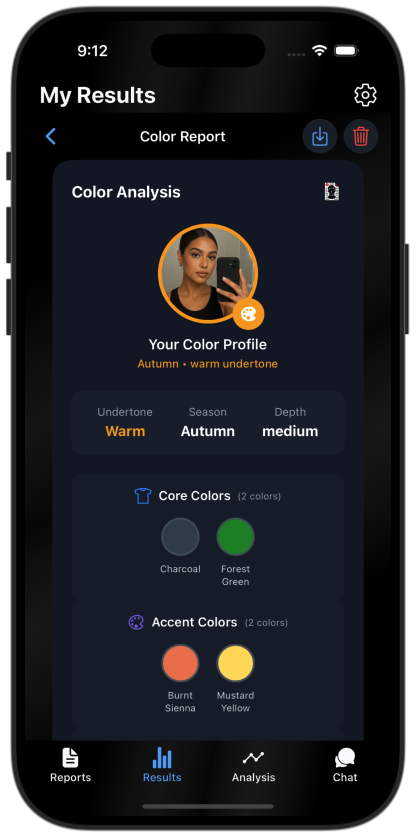
- Autumn: Warm undertones with rich, earthy colors. Shades like olive, camel, burnt orange, and deep gold are flattering. Autumns usually have darker hair with warm highlights and warm eye colors.
- Winter: Cool undertones with deep, vivid colors. Navy, charcoal, true white, black (used sparingly), and jewel tones like emerald and ruby suit winters. Winters often have high contrast between hair, skin, and eyes.
How Seasonal Analysis Helps Youthful Dressing
By identifying your seasonal category, you can select colors that naturally brighten your face, harmonize with your undertones, and may minimize signs of aging. This knowledge can help prevent common mistakes such as wearing colors that wash you out or create unflattering shadows.
Seasonal analysis also guides you in building a versatile wardrobe with coordinated colors that mix and match easily, enhancing your style and confidence.
For a deeper dive into how this works, consider exploring the AI Fashion Consultant guide that explains personalized style recommendations using color theory and body type analysis.
Section 5: How to Combine Colors in Your Wardrobe
Layering Shirts, Sweaters, and Jackets
Strategic layering of colors adds depth, dimension, and a youthful vibrancy to your outfit. Layering also allows you to incorporate multiple flattering colors, balancing brightness and neutrality.
- Base Layer: Use light colors like a light blue shirt or crisp white tee near the face to brighten and soften your appearance.
- Middle Layer: Add sweaters or cardigans in navy, charcoal, or muted earth tones such as olive or camel. These layers should offer contrast without harshness, providing a sophisticated and approachable look.
- Outer Layer: Jackets or coats in deeper neutrals like charcoal or navy unify the outfit and add structure.
- Example: A powder blue shirt under a navy sweater layered with a camel jacket creates a harmonious palette that complements both warm and cool undertones and frames the face attractively.
Accessorizing with Color
Small color accents can significantly enhance your youthful style. Accessories like ties, scarves, pocket squares, watches, and hats in rich colors add personality and vitality.
- Choose deep reds such as burgundy or wine to inject warmth and energy.
- Olive or muted green scarves add natural freshness.
- Leather belts and shoes in warm browns or cognac tones complement earth-tone clothing and add polish.
- Use these accents sparingly to avoid overwhelming your outfit; the goal is to create focal points that draw attention to your face and enliven your overall look.
Balancing Color Intensity
Mixing colors of varying intensity helps maintain visual interest without overpowering your complexion. Pairing bright or deep colors with neutrals prevents the outfit from appearing too loud or too dull.
For example, combining a muted olive jacket with a crisp white shirt and a burgundy pocket square creates a balanced and youthful palette. Similarly, a light gray sweater with a powder blue shirt and navy pants offers a fresh, polished look suitable for many occasions.
Experiment with color blocking and layering to find combinations that highlight your best features while expressing personal style.
Section 6: Dressing for Your Body Type and Youthful Style
Why Body Type Matters Alongside Color
While selecting the right colors is fundamental for a youthful glow, dressing according to your body type ensures that your clothes fit well and enhance your natural silhouette. Proper fit and proportion can make a significant difference in how youthful, confident, and stylish you appear.
Ill-fitting clothes, whether too tight or too loose, can add years to your appearance by emphasizing features you might prefer to downplay or creating an unkempt look.
Men's Style Basics for Youthful Dressing
- Fit: Clothes should contour your body without clinging or hanging loosely. For example, slim-fit shirts and tailored jackets help define the chest and shoulders, creating a leaner, more youthful shape.
- Proportion: Balance is key. For lean body types, slim cuts work well, while broader figures benefit from structured clothing that streamlines the torso. Avoid oversized garments that add bulk or undersized pieces that restrict movement.
- Fabric: Choose materials that hold their shape and breathe well, such as cotton blends, lightweight wools, and performance fabrics. Avoid overly heavy or shiny materials that can add unnecessary weight or reflect light harshly.
Combining Fit with Color for Maximum Impact
Leveraging your knowledge of the best colors for your skin tone combined with well-fitted clothing can create a polished and youthful appearance. For example, a tailored light blue shirt paired with a slim navy blazer can brighten your face and emphasize a sharp silhouette.
Consider investing in custom or altered clothing for the best fit, especially for staple pieces like suits, blazers, and dress shirts.
For personalized advice, Maxx Report offers AI-powered color and fit analysis tools that help discover colors and styles tailored to your unique facial features and body type, streamlining the process of building a youthful wardrobe.
Conclusion
Understanding what colors make men look younger can be a helpful way to refresh your style and boost confidence at any age. By identifying your skin undertone and seasonal color profile, you can select flattering hues such as light blues, crisp whites, navy, and muted earth tones that brighten your complexion and soften aging shadows.
Equally important is avoiding colors that may contribute to an aged appearance, such as harsh blacks, muddy browns, neon brights, and skin-matching beiges. Thoughtful color choices, combined with well-fitted clothing tailored to your body type, can maximize your youthful appeal and style.
For a comprehensive, data-driven approach to your personal style and color analysis, consider trying the AI-powered insights from Maxx Report, which offers personalized glow-up and transformation plans based on your facial features, coloring, and body type, helping you achieve your best look with confidence.
FAQ
Q: What colors make men look younger?
A: Colors that often make men look younger include lighter blue shades like sky blue and powder blue, crisp and soft whites, navy as a substitute for black, charcoal and light gray neutrals, muted earth tones such as olive and camel, and deeper accent colors like burgundy and wine. These colors tend to reflect light onto the face, reduce harsh shadows, and harmonize with many skin tones.
Q: Does navy or black make men look older?
A: Black can sometimes make men look older due to its harsh shadows and stark contrast near the face, which may emphasize wrinkles and dullness. Navy is often a better alternative as it offers a softer, more flattering youthful look while maintaining sophistication and versatility.
Q: What shirt color makes men look younger?
A: Shirt colors such as light blue (sky or powder blue), crisp white, and soft white or cream are among the best for making men look younger because they brighten the face, reduce shadows, and add a fresh, vibrant appearance suitable for many skin undertones.
Q: What colors should older men avoid wearing?
A: Older men may want to avoid wearing harsh black near the face, muddy brown and mustard tones that dull the complexion, neon colors that overwhelm natural skin tones, and beige or taupe shades that closely match their skin tone, as these can wash out the complexion or create an aged appearance.
Q: How do I know which colors suit my skin tone?
A: To determine which colors suit your skin tone, first identify your skin undertone—warm, cool, or neutral—using tests such as examining vein color, jewelry preference, or the white paper test. Then, applying seasonal color analysis can help find palettes that enhance your natural coloring and youthful appearance.
Q: Do white and light blue make men look younger?
A: Yes, both white and light blue are generally considered excellent colors to make men look younger because they reflect light onto the face, reduce shadows that highlight aging features, and create a bright, healthy appearance that suits a wide range of skin tones.