
What Colors Should I Wear? Men's Color Analysis & Wardrobe Guide
Discover what colors you should wear as a man. Learn men's color analysis, how to find your undertone, and build a wardrobe for your skin tone.

Estimated reading time: 14 min
Key Takeaways
- Understanding your skin undertone is crucial for picking flattering clothing colors.
- Color analysis helps men build a wardrobe that enhances their natural features.
- Both skin tone and contrast (hair/eye/skin) influence your best color choices.
- Neutral wardrobe colors and accent shades create a cohesive, stylish look.
- Knowing how to wear less flattering colors can expand your style options.
Table of Contents
- Section 1: Why Color Analysis Matters in Men's Style
- Section 2: How to Determine Your Skin Undertone
- Section 3: Best Colors for Each Undertone
- Section 4: Building a Wardrobe Color Palette
- Section 5: The Role of Contrast and Color Intensity
- Section 6: Seasonal Color Analysis for Men
- Section 7: Wearing Unflattering Colors and Style Hacks
- Section 8: Next Steps—Tech and Tools for Personal Color Analysis
- Conclusion
- FAQ
Section 1: Why Color Analysis Matters in Men's Style
First Impressions Count
When you ask, "what colors should I wear?" as a man, you’re not just thinking about fashion—you're shaping how others see you. Studies show that color can influence perceptions of confidence, professionalism, and even approachability. Wearing the right shades can make your skin look healthier, your eyes brighter, and your jawline stronger—key elements that Maxx Report also considers in its looksmaxxing analysis.
Why Generic Advice Fails Men
Most men's style basics recommend navy, gray, and white for everyone. But, just like face shape or body type, color is deeply personal. A color that flatters one man might wash out another. That’s why men’s color analysis is vital—not only does it highlight your best features, but it also makes shopping and outfit building much easier.
Benefits of Knowing Your Best Colors
- Boosts confidence: You look more energetic and put-together.
- Simplifies shopping: You can skip racks of clothes that won't work for you.
- Builds a cohesive wardrobe: All your clothes mix and match better.
- Improves grooming choices: Even beard, hair, or accessory colors pop when coordinated with skin tone.
Unlocking your best colors is a game-changer, just as understanding your facial structure is for grooming. For more on grooming and facial harmony, see this grooming and skincare guide for men.
Section 2: How to Determine Your Skin Undertone
What Are Undertones, and Why Do They Matter?
Your skin undertone is the subtle hue beneath the surface of your skin. It's different from your skin's lightness or darkness (skin tone). The three main undertones are:
- Cool (pink, red, or bluish hue beneath the skin)
- Warm (yellow, peachy, or golden)
- Neutral (a mix of warm and cool hues)
Knowing if you're warm vs cool undertone (or neutral) is foundational for men’s color analysis—it directly affects which colors will make your skin glow or look dull.
Simple At-Home Tests
- Vein Test: Look at the veins on your inner wrist. If they appear blue or purple, you’re likely cool-toned. If they look greenish, you’re warm-toned. If you can’t tell, you may be neutral.
- White T-Shirt/Mirror Test: Hold a pure white T-shirt near your face in natural light. If your skin looks rosy or pink, you’re cool. If it looks yellowish or golden, you’re warm.
- Silver vs Gold Test: Try on silver and gold jewelry or hold metallic paper near your face. Silver flatters cool undertones; gold suits warm. If both look good, you’re likely neutral.
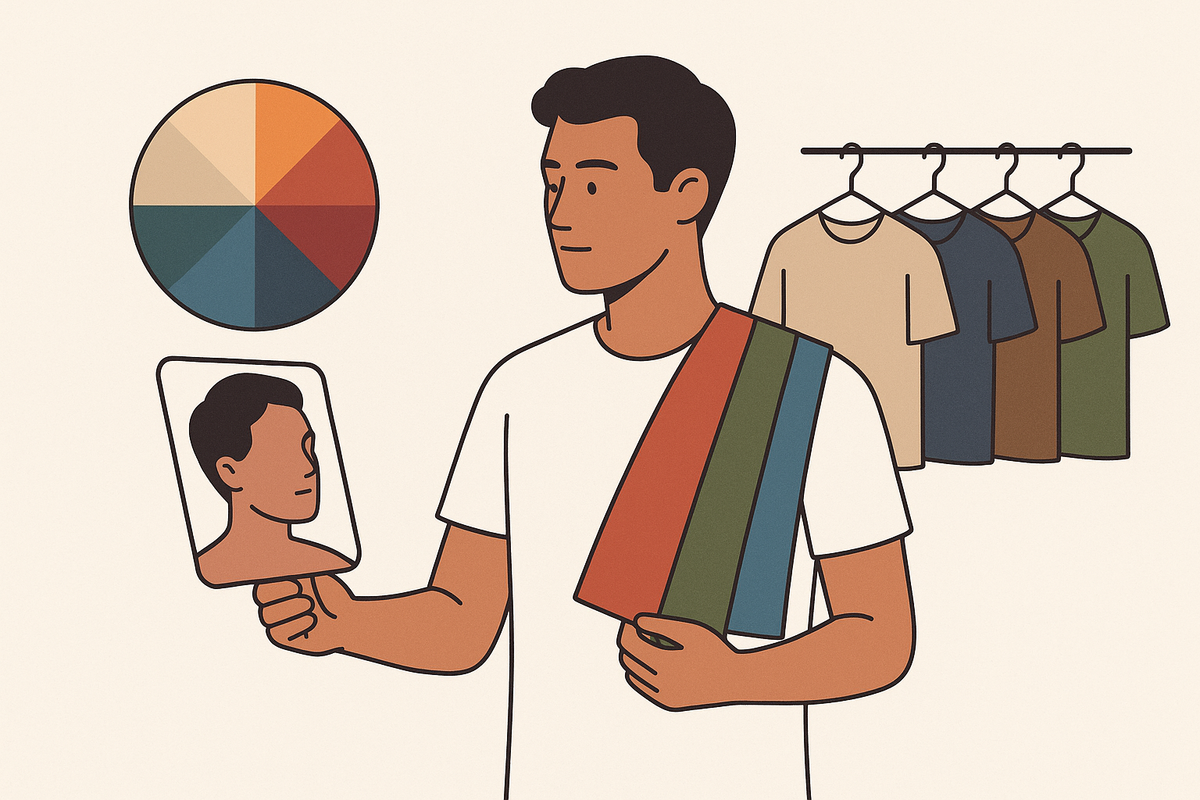
- Drape Test: Drape different colored shirts (blue, green, red, yellow) over your shoulders and see which enhance your complexion.
Why Undertones Are Not Always Obvious
Men of all ethnicities can have any undertone. Your undertone doesn’t change with a tan, but your overall coloring (skin, hair, and eyes) may shift somewhat. For more nuanced color insights, digital tools like those in Maxx Report can analyze facial features and undertones with precision.
Section 3: Best Colors for Each Undertone
Cool Undertones
Cool-toned men look best in colors with blue or purple bases. Think of icy, jewel-toned, or pastel shades. Some of the best colors for men by skin tone (cool) include:
- True blues, navy, and cobalt
- Charcoal gray and cool greys
- Purple, lavender, and burgundy
- Crisp whites
- Emerald and pine green
- Cool pinks (rose, raspberry)
Warm Undertones
Warm undertone men shine in earthy, golden, or autumnal tones. These colors tend to have yellow, orange, or red bases. Try:
- Olive, moss, and forest green
- Mustard, camel, and warm beige
- Terracotta, rust, and burnt orange
- Warm reds (brick, tomato)
- Ivory and cream
- Chocolate brown
Neutral Undertones
If you’re neutral, you have the widest range. Most colors suit you, but mid-tones and softer shades are especially flattering. Good options include:
- Soft white, taupe, and stone
- Sage, dusty blue, and muted teal
- Plum, soft peach, and blush
- Light olive and mid-gray
- Denim blue
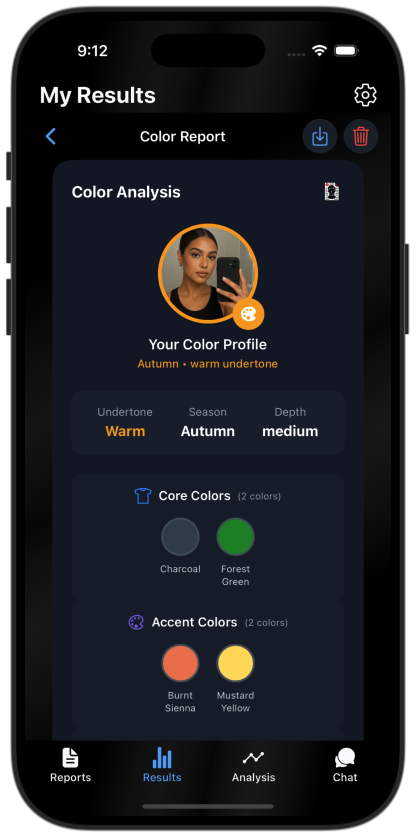
Not sure which you are? AI color analysis, like in Maxx Report, can provide personalized suggestions after scanning your face for undertones and contrast.
Section 4: Building a Wardrobe Color Palette
Start With Neutrals
Every man needs a strong base: versatile neutrals work for most occasions and are the backbone of men’s style basics. The best neutral wardrobe colors for men include:
- Navy and indigo
- Charcoal and heather gray
- White, off-white, and cream
- Beige, khaki, and camel (especially for warm undertones)
- Olive and muted earth tones
- Black (best for high-contrast or cool undertones)
Add Accent Colors
Accent colors personalize your look. They are used for shirts, ties, pocket squares, and even sneakers. Choose accents based on your undertone and personal taste. For example:
- Cool undertone: emerald, cobalt, burgundy
- Warm undertone: mustard, burnt orange, olive
- Neutral undertone: muted teal, blush, taupe
Building a Cohesive Palette
Pick 2-3 neutrals and 2-3 accents that work well together. This makes outfit coordination easy and ensures your wardrobe always looks intentional. For a deeper dive into combining colors and patterns, check out how AI is revolutionizing personal style.
Section 5: The Role of Contrast and Color Intensity
What is Contrast?
Contrast is the difference in value between your skin, hair, and eyes. High-contrast men (think dark hair, light skin) can handle bolder, more saturated colors and high-contrast outfits (black and white, navy and white). Low-contrast men (similar skin and hair color) look better in softer, blended color schemes.
How to Assess Your Contrast
- High contrast: dark brown/black hair with fair skin and light eyes
- Medium contrast: brown hair with olive or medium skin
- Low contrast: blond or light brown hair with fair skin, or all-dark coloring with brown skin and hair
Match your outfit contrast to your personal contrast for the most harmonious look.
Color Intensity and Saturation
Bright, saturated colors suit high-contrast or deep features. Muted, dusty, or pastel shades flatter lower-contrast men. For example, a high-contrast, cool-toned man can rock a true blue suit with a crisp white shirt. A low-contrast, warm-toned man will look better in camel, olive, and soft earth tones.
Integrating Eye and Hair Color
Blue or green eyes? Echo those colors in your wardrobe to make them pop. Dark brown hair? Deep colors (navy, forest green) will highlight your natural coloring.
Section 6: Seasonal Color Analysis for Men
The Four Seasons Method
Seasonal color analysis refines men’s color analysis by grouping people into four types—Winter, Summer, Autumn, and Spring—based on undertone and contrast:
- Winter: Cool undertone, high contrast (dark hair, light skin). Best in cool, bold, and clear colors—navy, crisp white, cool reds.
- Summer: Cool undertone, low contrast (light hair, fair skin). Looks great in soft, muted pastels—dusty blue, lavender, rose.
- Autumn: Warm undertone, medium-to-low contrast. Shines in earthy, deep tones—olive, mustard, rust.
- Spring: Warm undertone, high contrast (lighter hair/skin). Best in warm, clear, and light colors—peach, light blue, mint.
How to Find Your Season
Combine undertone, contrast, and color intensity. For example, a man with fair skin, blue eyes, and dark hair is a Winter. Olive skin, brown eyes, and dark hair? Likely Autumn. Unsure? Apps like Maxx Report offer fast, accurate AI-powered color season analysis tailored for men.
Why Seasonal Analysis Matters
It simplifies shopping: you instantly know which racks to target. And it helps you avoid expensive mistakes—no more buying shirts that never get worn because they make you look tired or sallow.
Section 7: Wearing Unflattering Colors and Style Hacks
Sometimes You Want to Break the Rules
Maybe your favorite team’s color isn’t in your palette, or you’re required to wear a certain uniform. Here’s how to make less-than-ideal colors work for you:
Keep Unflattering Colors Away from Your Face
- Wear your best colors for shirts, jackets, and scarves—items close to your face.
- Reserve less flattering colors for pants, shoes, or accessories far from your face.
Add a Buffer
- Layer a jacket or over-shirt in a flattering neutral over a shirt in a less-than-ideal color.
- Wear a white, navy, or charcoal undershirt to separate an unflattering color from your skin.
Upgrade Grooming and Accessories
Grooming choices—like facial hair or hair color—can influence how colors interact with your skin. For more, see our AI-powered face shape and grooming analysis guide.
Section 8: Next Steps—Tech and Tools for Personal Color Analysis
The Rise of AI in Men's Color Analysis
Technology is changing how men approach style, making personalized advice more accessible. With apps like Maxx Report, you can scan your face and instantly get a data-driven breakdown of your undertone, contrast, and the best colors for your look. These tools consider your jawline, symmetry, skin clarity, and even eye and hair color for a precise recommendation.
Why Use an App Over Guesswork?
- No more trial and error with endless shirt colors
- Objective, unbiased analysis based on your unique features
- Personalized transformation and glow-up plans
Integrating Color Analysis Into Your Style Journey
Whether you want a full digital makeover, better wardrobe coordination, or simply to avoid fashion mistakes, leveraging technology can save time and money. For a glimpse at how AI is transforming men’s style, read our article on AI-powered digital makeovers.
Conclusion
Understanding "what colors should I wear" is a foundational pillar of men’s style basics, from choosing the best colors for men by skin tone to building a versatile wardrobe. By mastering men’s color analysis, you not only look better, but you also gain confidence and simplify every style decision. Whether you go DIY or use powerful tools like Maxx Report for your personalized glow-up plan, investing in color analysis is one of the smartest steps you can take for your self-presentation and personal style.
FAQ
Q: What colors look best on me?
A: The best colors for you depend on your skin undertone (cool, warm, or neutral), eye color, and hair color. Cool undertones suit blues and greys, warm undertones shine in earth tones, and neutral undertones can wear a wide range.
Q: How do I know if I have warm or cool undertones?
A: Use the vein test (blue/purple = cool, green = warm), mirror test with a white shirt, or try silver vs gold jewelry. If both look good, you may be neutral.
Q: What colors should I wear for my skin tone?
A: For cool skin tones, choose blues, greys, and jewel tones. For warm skin tones, opt for earth tones like olive and brown. Neutral tones can wear most mid-range shades.
Q: Can neutral undertones wear any color?
A: Neutral undertones have the most flexibility and can wear both cool and warm shades. However, mid-tones and soft colors are typically the most flattering.
Q: What are the best neutral colors for a wardrobe?
A: Navy, charcoal, white, beige, olive, and black are versatile neutrals that work for most men and create a cohesive wardrobe foundation.
Q: How do I wear colors that do not suit my skin tone?
A: Keep unflattering colors away from your face, add a buffer with a neutral jacket or undershirt, and focus on accessories or pants instead of shirts in those colors.