Can Braces Improve Your Jawline Shape? Guide to True Jawline Enhancement
Can braces improve your jawline shape? Learn how braces affect your jawline, face shape, and real alternatives for a sharper, more defined look.

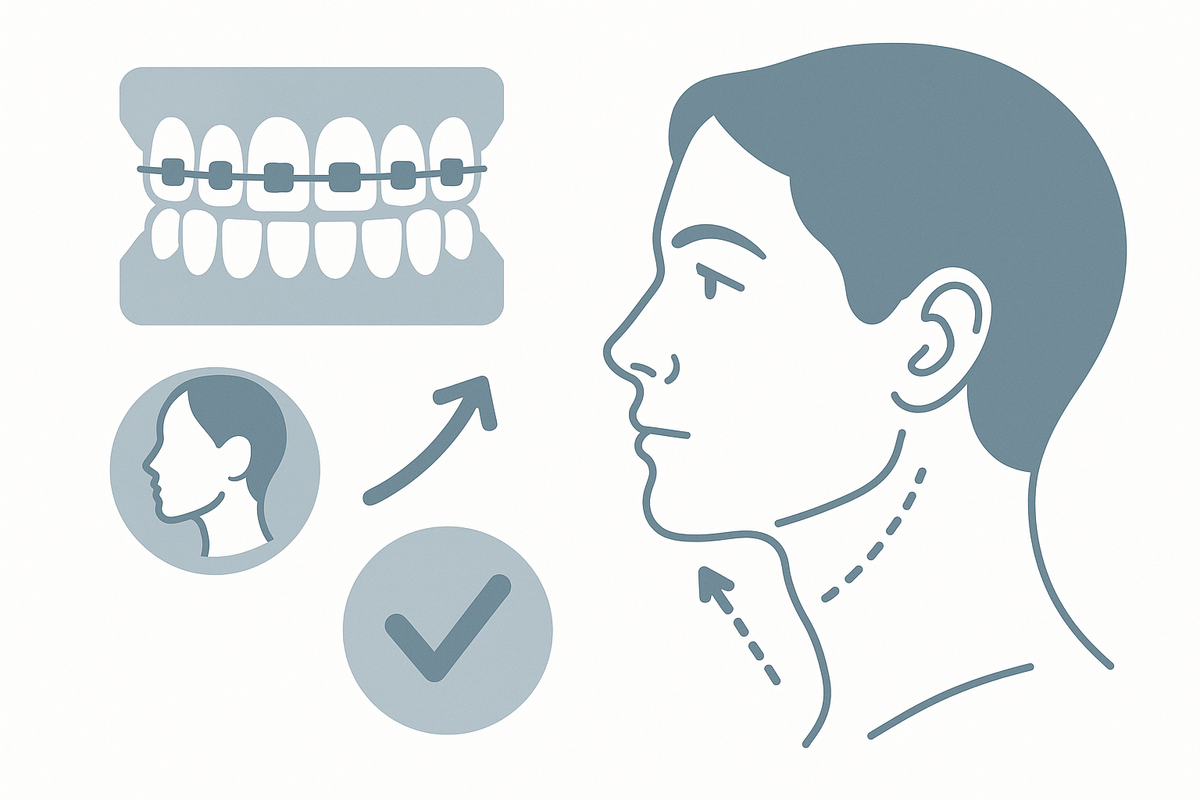
Estimated reading time: 14 min
Key Takeaways
- Braces can improve jawline shape, but their impact depends on age, bite issues, and skeletal structure.
- Most jawline changes from braces are subtle and dental, not dramatic bone reshaping.
- Major jawline improvements may require surgery or growth appliances, especially in adults.
- Alternatives like fat loss, posture correction, and mewing can enhance jawline appearance for many people.
- Gimmicks like jaw exercisers and bone-smashing are ineffective and risky; focus on evidence-based methods.
Table of Contents
- Section 1: Can Braces Improve Your Jawline Shape?
- Section 2: Dental Changes vs. Skeletal Jaw Changes
- Section 3: How Bite Issues Affect Jawline and Face Shape
- Section 4: Braces, Profile Changes, and Age Differences
- Section 5: When Braces Sharpen the Jawline—And When They Don’t
- Section 6: Alternatives and Myths—What Actually Improves Your Jawline?
- Conclusion
- FAQ
Section 1: Can Braces Improve Your Jawline Shape?
Understanding the Hype and Reality
The question "can braces improve your jawline shape" comes up often, especially among teens and adults seeking a sharper, more defined look. Braces are primarily designed to straighten teeth and correct bite issues, but their impact on the jawline is more nuanced. The jawline's definition depends on a mix of dental alignment, skeletal structure, body fat, and even posture.
Social media is rife with before-and-after images that promise a dramatic transformation simply with braces. However, it’s crucial to separate marketing hype from clinical reality. Orthodontists routinely clarify to patients that while dental correction can enhance facial harmony, braces alone are rarely a magic solution for a chiseled jawline—especially in adults whose growth is complete. The structure of the jawline is largely determined by genetics and bone structure, with soft tissue and fat distribution playing supporting roles. Braces can influence these factors indirectly, but not overhaul them.
What Braces Actually Do
- Tooth Alignment: Braces move teeth into better positions, closing gaps and correcting crowding. For example, straightening crooked teeth can remove facial asymmetry and improve the smile’s width, which sometimes subtly enhances the jawline’s definition.
- Bite Correction: They fix overbites, underbites, and crossbites that can distort the lower face. Imagine a severe overbite causing the chin to recede visually—braces correcting this can make the profile look more balanced.
- Facial Symmetry: Improved dental alignment can make the smile and lower face appear more balanced. Teeth that are centered and aligned support the lips evenly, which frames the lower face more attractively.
However, braces do not reshape the jawbone for most patients—especially adults. The most significant jawline changes occur in growing children or teens whose facial bones are still developing. For instance, a 14-year-old with a significant overbite may see a pronounced improvement after orthodontic treatment, as their jaw adapts to the changes in bite alignment. Adults, on the other hand, may notice only moderate profile refinement because their bones have already set.
Who Sees the Biggest Difference?
- Teens and Children: Their jaws can adapt more, especially with added appliances. Orthodontic guidance during the teenage growth spurt can influence both the position of teeth and the trajectory of jaw development. For example, using functional appliances in conjunction with braces can help a growing adolescent avoid the need for future surgery.
- Severe Bite Issues: Correcting a deep overbite or underbite can change the way the jaw sits and looks. Someone with a severe underbite may go from having a protruding lower jaw and chin to a more harmonious, balanced profile.
For adults, changes are usually limited to dental alignment and minor profile improvements. For more drastic changes, other treatments may be required. It’s important to consult with an orthodontist about realistic outcomes, as expectations based on celebrities or exaggerated online results often lead to disappointment if not grounded in clinical evidence.
Section 2: Dental Changes vs. Skeletal Jaw Changes
The Difference Explained
There’s a crucial distinction between dental changes (moving teeth) and skeletal changes (altering the jawbone itself). Braces excel at the former. They move teeth through the bone using light, continuous pressure, gradually shifting them into optimal positions over months or years.
The process involves remodeling the bone around the teeth as they move. Specialized cells, called osteoclasts and osteoblasts, break down and rebuild bone tissue as the tooth migrates, allowing it to settle in a new position. This process can take anywhere from 12 to 36 months depending on the complexity of the case. While the teeth move, the underlying jawbone structure remains mostly unchanged—especially in adults.
Limits of Braces Alone
- Dental: Improved tooth alignment can enhance your smile and sometimes subtly alter the lips’ support, making the lower face appear more harmonious. For instance, closing a front tooth gap may allow the lips to rest more symmetrically, giving the illusion of a slightly more defined jawline.
- Skeletal: True changes to the jaw’s shape (width, projection, angle) require bone remodeling, which is only possible during growth or with surgery. Adults’ bones are set, so braces cannot lengthen a short chin or widen a narrow jawbone.
For adults, the jawbone is set. While braces can move teeth forward or backward and improve bite, they can’t lengthen the jaw or create a dramatically “sharper” angle. Any visible changes are due to adjustments in soft tissue and tooth position, not the underlying bone structure.
When Skeletal Changes Happen
- Growth Modifiers: In children, orthodontists may use expanders, headgear, or functional appliances to guide jaw growth. For example, a palate expander can widen the upper jaw, improving both function and appearance if started before the growth plates fuse (usually before age 15).
- Jaw Surgery: In severe cases, a maxillofacial surgeon can reposition jawbones to correct discrepancies and create a more defined jawline. This is called orthognathic surgery and is reserved for patients whose jaw misalignment cannot be corrected with braces alone.
This distinction is critical for realistic expectations. For a full dive into facial proportion science, see our guide on the golden ratio face.
To illustrate: a child with a narrow upper jaw might benefit greatly from an expander, with visible widening of the midface and improved jawline shape. An adult with a similar issue would need surgery for comparable results, as their bones are no longer malleable.
Section 3: How Bite Issues Affect Jawline and Face Shape
Common Bite Problems
- Overbite: Upper teeth overlap lower teeth too much. Can make the chin look weak or recessed. In severe cases, the lower third of the face appears shorter, and the profile is more convex.
- Underbite: Lower teeth/jaw protrude in front of uppers. Jawline appears more prominent. This can create a concave profile and a strong, sometimes asymmetric, lower jaw.
- Crossbite: Upper and lower teeth don’t line up side-to-side. Can cause facial asymmetry. Crossbites can shift the jaw to one side, making the face look uneven.
- Open bite: Teeth don’t touch when mouth is closed. Jawline may look elongated or slack. This often results in a longer lower face and visible gaps between teeth when smiling.
Impact on Jawline Appearance
Severe bite discrepancies can dramatically affect facial harmony:
- Recessed Jaw: Deep overbites can diminish chin projection, making the jawline look soft. The lips may also appear uneven, and the face can seem less defined overall.
- Protruding Jaw: Underbites create a strong but sometimes imbalanced jawline. This can lead to functional problems (difficulty chewing, speech issues) as well as aesthetic concerns.
Correcting these with braces (and sometimes elastics or other add-ons) can restore balance, improving jawline symmetry and facial profile. For example, using elastics to correct a crossbite can shift the lower jaw back into alignment, making the jawline more symmetrical. Likewise, correcting an open bite can help the lips close properly, shortening the lower face and creating a crisper jawline.
Elastics, Expanders, and Add-Ons
- Elastics: Rubber bands attach to braces to help shift the bite and align jaws. They can be used to move the upper and lower jaws relative to each other, improving both function and appearance. For example, Class II elastics can help pull the lower jaw forward in patients with an overbite.
- Expanders: Used in children to widen the upper jaw, which can influence midface and jaw width. Palatal expanders are typically worn for 6-12 months and can increase the width of the upper jaw by several millimeters, making a noticeable difference in facial proportions for younger patients.
- Functional Appliances: Devices like Herbst or Twin Block can guide jaw growth during adolescence. These are especially useful for correcting underdeveloped lower jaws, gradually encouraging forward growth and a stronger chin profile.
Their effectiveness is greatest before the jawbones finish growing—usually before age 16-18. For adults, these tools have limited impact on jawline shape but still help achieve a functional, attractive bite. In adults, elastics are mainly for fine-tuning tooth position rather than making skeletal changes.
For children and teens, early intervention can prevent the need for more invasive treatments later. For example, a 10-year-old with a crossbite corrected by an expander is less likely to need surgery as an adult.
Section 4: Braces, Profile Changes, and Age Differences
Teens vs. Adults: Growth Potential
Age is the biggest predictor of jawline changes from braces. During adolescence, bones are still pliable and responsive to orthodontic guidance. This means:
- Adolescents: Can experience more dramatic jawline and profile changes, especially with functional appliances. For example, a teen treated with a Herbst appliance may see the lower jaw move forward several millimeters, noticeably improving chin projection.
- Adults: Changes are mostly limited to dental realignment and soft tissue adjustments. Bone shape is fixed. While the teeth can be moved into better positions, the actual size and shape of the jawbone remains unchanged.
Adolescents—especially those undergoing growth spurts—can benefit from timing orthodontic intervention to maximize jaw growth. Orthodontists often recommend starting treatment between ages 10-14 for best results. Adults may still see improvements in dental aesthetics and soft tissue harmony, but the scope is inherently limited by their skeletal maturity.
Facial Profile Improvements
Even in adults, correcting a deep overbite can make the profile look less convex and the chin slightly more prominent. Closing large gaps or moving teeth into better alignment can subtly change the way the lips and jawline appear. However, these changes are typically modest. For example, an adult with a mild overbite may notice that their lips close more comfortably, and their chin appears slightly less recessed—but their actual jawbone isn’t altered.
Orthodontic treatment can also improve lip support and the nasolabial angle (the angle between the nose and upper lip), which can make the lower face look more youthful and balanced even without major skeletal changes. However, those seeking a dramatic, angular jawline typically need to look beyond conventional braces.
When Is Jaw Surgery Needed?
- Major Skeletal Issues: Severe underbites, overbites, or facial asymmetry often require orthognathic (jaw) surgery for true jawline transformation. This procedure involves cutting and repositioning the jawbones, then securing them with plates and screws. Recovery can take months, but the changes are dramatic and permanent.
- Combination Approach: Many patients have braces before and after surgery to fine-tune tooth positions. Pre-surgical orthodontics aligns the teeth so the jaws can fit together properly after surgery, and post-surgical braces ensure the bite is perfect.
Surgery can move the jaw forward, backward, or sideways, dramatically improving the jawline and face shape. It is, however, a major procedure with risks and a long recovery. Complications can include nerve damage, infection, and relapse if post-surgical instructions aren’t followed. Surgery is generally reserved for cases where functional or aesthetic concerns are significant and cannot be resolved with braces alone.
Jaw surgery is a highly specialized process that requires input from both orthodontists and oral surgeons. Patients often undergo extensive imaging (such as 3D CT scans) and digital modeling to plan the procedure and predict final outcomes.
Section 5: When Braces Sharpen the Jawline—And When They Don’t
When to Expect Noticeable Changes
- Correcting Severe Bites: If an overbite or underbite significantly distorts your jawline, braces (with or without appliances) can restore balance and make the jawline sharper. For example, an individual with a 10mm overjet (extreme overbite) may see a visible improvement in chin and jawline projection after correction.
- Growing Patients: Children and teens can see real improvements to the lower face as jaw growth is guided. Early intervention can literally change the direction and extent of jaw growth, leading to a more defined adult jawline.
- Reducing Facial Asymmetry: Crossbites and other misalignments can make the jaw look lopsided; fixing these can enhance symmetry. A jaw that previously deviated to one side can be brought back to the midline, creating a more balanced appearance.
When Changes Are Minimal
- Adults With Mild Issues: If your bite is mostly functional and you’re seeking a chiseled jawline, braces alone won’t create dramatic angles. Adults with teeth that are only slightly misaligned may see their smile improve, but their jawline will remain largely the same.
- Expectations: Dental changes can lead to a more harmonious appearance, but jawbone shape is unchanged. Any improvement in jawline definition comes from better lip support and the elimination of dental asymmetry, not from changes in bone structure.
Before-and-after photos online often exaggerate the changes braces make to the jawline. Subtle improvements are common, but dramatic transformations usually involve surgery or growth appliances in younger patients. It’s also important to consider other variables in these photos—such as weight loss, improved grooming, or even changes in camera angle and lighting—when evaluating jawline changes.
Some patients also report that straightening teeth and correcting bite issues make them feel more confident, which can impact how they carry themselves and how their jawline is perceived by others. Confidence, posture, and facial expression all play roles in jawline aesthetics.
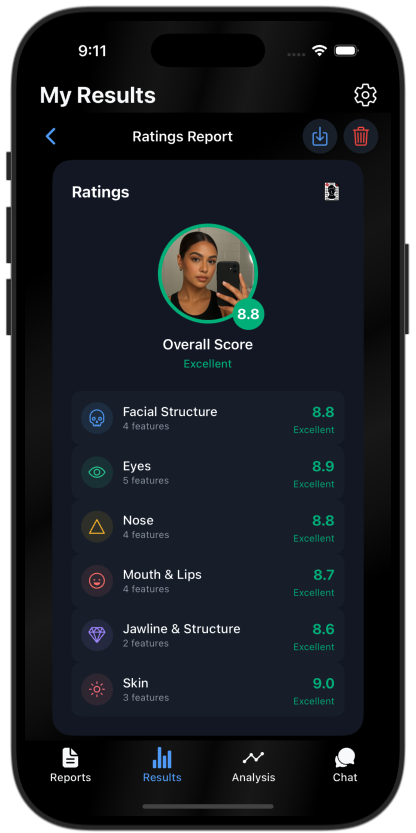
Maxx Report: Track Your Facial Changes
Apps like Maxx Report can objectively rate your jawline, symmetry, and facial features before and after orthodontic treatment. This helps set realistic goals and celebrate genuine progress. By using AI-based facial analysis, you can track subtle improvements over time and get personalized recommendations for further enhancement—whether that means continuing orthodontic treatment, focusing on fitness and nutrition, or exploring other aesthetic procedures.
For example, the app may highlight improvements in chin projection or facial symmetry after braces, even if the changes are too subtle to notice in day-to-day life. This objective feedback is especially valuable for people who struggle to see their own progress or who are comparing themselves to unrealistic online standards.
Section 6: Alternatives and Myths—What Actually Improves Your Jawline?
Evidence-Based Jawline Enhancement
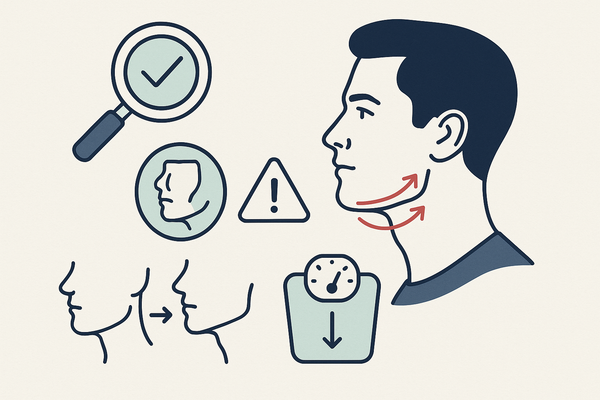
- Lose Face Fat: Lowering overall body fat can make the jawline more defined. See our article on grooming and glow-up tips for more. For example, a 5-10% reduction in body fat can reveal underlying facial structure that was previously obscured by subcutaneous fat.
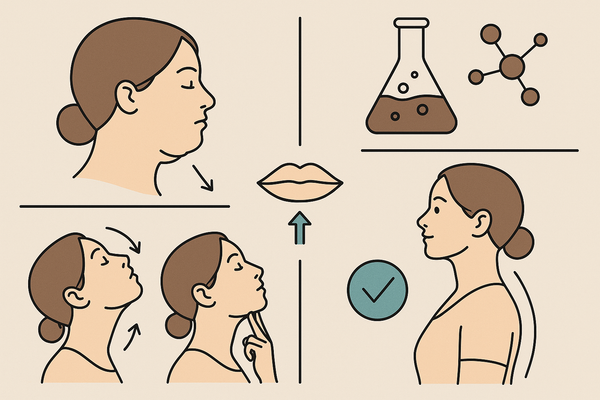
- Improve Posture: Forward head posture and slouching can make the jawline look weaker. Proper alignment instantly improves facial angles. Simple changes, such as keeping the head back and shoulders down, can make the jaw appear more prominent in photos and real life.
- Mewing: This technique involves correct tongue posture against the roof of the mouth. The science is mixed—most evidence suggests it helps maintain, not radically alter, the jawline after growth stops. For those asking "what is mewing" and "does mewing work," it may help with subtle definition when combined with other good habits. Anecdotal reports suggest that mewing may improve facial tone and posture, but significant bone changes are unlikely in adults.
- Reduce Bloat: Limiting salt, alcohol, and carbs can minimize facial puffiness for a crisper jawline. Even a short-term reduction in dietary sodium can lead to visible changes in facial definition within days.
Popular Methods: Do They Work?
- Jawline Exercises: Most "jawline exercises" don’t significantly alter bone shape or fat. They may improve muscle tone but the effect is subtle. Overuse can strain TMJ joints. Performing gentle resistance exercises for the jaw muscles may help some people achieve a slightly firmer look, but claims of "transforming" the jawline are generally overstated.
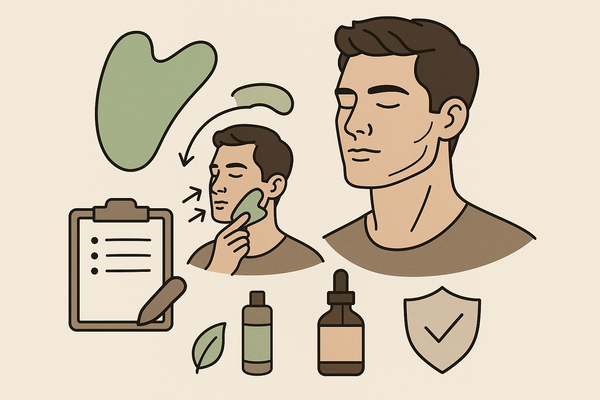
- Gua Sha for Men: Gua sha (stone facial massage) can reduce puffiness and improve circulation, offering a temporary tightening effect. But it won’t change bone or fat structure. For those looking for a quick boost before photos, gua sha can provide a subtle, short-lived improvement in jawline definition.
- How to Reduce a Double Chin: Weight loss, improved posture, and (in some cases) cosmetic procedures are the most reliable solutions. Non-surgical options like Kybella (an injectable that dissolves fat) or CoolSculpting (fat freezing) may provide additional help, but should be discussed with a qualified provider.
What to Avoid
- Jaw Exercisers: Chewing devices and resistance balls rarely provide real jawline improvements and can cause dental problems. Dentists report that excessive use of these products can lead to jaw pain, misaligned teeth, or even damage to dental work.
- Bone-Smashing: This dangerous internet trend is ineffective and can cause permanent damage. Attempting to alter bone structure through repeated trauma can lead to fractures, nerve damage, and long-term health consequences.
For a personalized assessment of your jawline, symmetry, and face shape, try an AI-powered scan with Maxx Report. You’ll receive a detailed analysis and actionable tips to enhance your features naturally. This technology can help you understand your baseline and track changes over time, making it easier to identify what works and what doesn't for your unique facial structure.
If you're curious about your underlying face shape, check out our Face Shape Quiz for a science-backed approach to choosing the best looks for your unique structure. Knowing your face shape can inform everything from hairstyle and beard choices to glasses and even clothing styles, all of which contribute to the perception of a strong jawline.
Conclusion
So, can braces improve your jawline shape? The answer is: it depends. Braces are highly effective at aligning teeth and correcting bite issues, which can subtly enhance the lower face and jawline—especially in growing teens or those with severe malocclusions. However, true jawline “reshaping” is limited in adults or those with normal skeletal structure. Major changes require growth appliances in youth or surgical intervention in adults. For most people, the best results come from a comprehensive approach: dental care, posture, fat loss, and evidence-based habits. Avoid quick-fix gimmicks and focus on what’s proven to work. To see how your jawline stacks up—and get tailored advice—consider an AI analysis with Maxx Report.
In summary, braces are a powerful tool for improving dental health, facial harmony, and self-confidence. For young patients, guided jaw growth can yield impressive improvements in both function and aesthetics. For adults, braces primarily offer subtle refinements and correction of misalignments, which can still make a meaningful difference in appearance and quality of life. Surgical options exist for those with significant skeletal discrepancies, but come with risks and should be approached thoughtfully. Remember, the jawline is just one element of facial attractiveness—overall health, self-care, and confidence play equally important roles. Modern tools like Maxx Report can help you objectively assess your progress and make informed decisions about your aesthetic journey.
FAQ
Q: Can braces improve your jawline shape?
A: Braces can improve jawline shape primarily by correcting bite issues and aligning teeth, which can make the jawline appear more balanced and defined. However, dramatic changes are rare unless you're still growing or have severe malocclusions.
Q: Do braces change your face shape or just your teeth?
A: Braces mainly change tooth position and bite, but these changes can subtly affect face shape, especially around the lower jaw and lips. Significant alterations to the jawbone require growth modification (in children) or surgery.
Q: Can braces make your jawline sharper or more defined?
A: Braces can make the jawline look sharper if they correct a misaligned bite that's making the jaw look weak or recessed. Results vary by age and severity of the initial issue.
Q: Do braces help with a weak chin or recessed jaw?
A: Braces can improve chin projection if a deep overbite is corrected, but they cannot move the chin bone forward in adults. Severe cases may require jaw surgery for a more pronounced improvement.
Q: Can adults get jawline changes from braces?
A: Adults can achieve improved dental alignment and a more harmonious profile with braces, but jawbone shape will not change significantly. Most jawline changes in adults are subtle.
Q: When do you need jaw surgery instead of braces for jawline changes?
A: Jaw surgery is needed when skeletal discrepancies are too severe to correct with braces alone—such as extreme underbites, overbites, or facial asymmetry. It’s often combined with orthodontic treatment for best results.