Espresso Skin Tone: Guide to Deep, Rich Skin Tones Explained
Explore espresso skin tone, mocha skin tone, and deep skin tones. Learn to identify, celebrate, and enhance rich skin tone names with AI-powered tips.

Estimated reading time: 13 min
Key Takeaways
- Espresso skin tone is a unique, deep shade celebrated in beauty and fashion.
- Understanding the nuances between espresso, mocha, and other rich skin tone names helps with self-identification and confidence.
- AI-powered apps like Maxx Report offer personalized, data-driven insights for glow-ups and transformation plans.
- Proper care, color choices, and makeup techniques enhance and celebrate deep skin tones.
- Societal perceptions of deep skin tones are evolving, with increased representation and appreciation in media and beauty industries.
Table of Contents
- Section 1: What Is Espresso Skin Tone?
- Section 2: Espresso vs. Mocha and Other Deep Skin Tones
- Section 3: Identifying Your Skin Tone Accurately
- Section 4: Best Beauty and Skincare Tips for Espresso Skin Tones
- Section 5: Fashion, Color Choices, and Styling for Deep Skin Tones
- Section 6: Embracing and Celebrating Rich Skin Tone Names
- Conclusion
- FAQ
Section 1: What Is Espresso Skin Tone?
Defining Espresso Skin Tone
Espresso skin tone refers to one of the deepest and most vibrant shades in the spectrum of human skin colors. The name comes from the rich, dark hue of espresso coffee and is characterized by a profound depth of color and a velvety finish. This skin tone can be recognized by:
- Deep brown coloration: Often described as nearly black or intense brown, espresso skin is darker than most other brown shades.
- Cool or neutral undertones: The base of the skin is typically neither overtly golden nor reddish, but rather balanced or slightly blue/red.
- Velvety smooth appearance: The depth of the pigment often gives the skin a smooth, even look that reflects light in a unique, subtle way.
- Global diversity: This skin tone is commonly found among individuals with African, South Asian, Afro-Caribbean, and Afro-Latinx heritage, though it can appear in other populations as well.
Using the term "espresso" moves away from generic descriptors like "dark skin," which can lack nuance or positive association. "Espresso" invokes warmth, richness, and luxury, framing deep skin as something to be celebrated.
Why Names Matter
The language used to describe skin tones significantly impacts self-image and inclusion. Descriptors such as "espresso," "mocha," "chestnut," and "mahogany" are part of a movement toward affirming, empowering terminology. Benefits include:
- Affirmation of beauty: Names like "espresso" reinforce the idea that deep skin is beautiful, luxurious, and desirable.
- Specificity: Deep skin exists on a spectrum, with important differences in undertone and shade. Precise names help individuals find products and styles that truly suit them.
- Better guidance: In beauty, skincare, and fashion, nuanced labels make it easier to select colors, products, and techniques that enhance each unique complexion.
For example, using "espresso" instead of just "dark" helps someone find a foundation that won’t appear ashy or mismatched and fosters pride in natural features.
The Role of Undertones
Undertones—the subtle hues beneath the skin surface—are crucial to understanding espresso skin tone. Even within espresso shades, undertones vary and influence which colors and products look best. Undertones include:
- Cool undertones: Blue or red hues beneath the skin, giving espresso skin a slightly bluish cast in certain light.
- Neutral undertones: A balanced mix of cool and warm, resulting in a pure, deep brown without obvious golden or red tones.
- Warm undertones: Subtle hints of gold, olive, or yellow. Less common in the deepest shades but present in some mixed heritage individuals.
Understanding undertones is key for selecting makeup (foundation, blush, lipstick), clothing colors, and hair dye. For example, jewel tones like sapphire or emerald complement cool undertones, while neutral undertones suit a wide range of shades.
Recognizing your undertone can be challenging, especially for deep skin. Factors like lighting, product oxidation, and sun exposure affect perception. AI-powered skin analysis tools can provide precise, personalized advice by eliminating guesswork.
Section 2: Espresso vs. Mocha and Other Deep Skin Tones
Espresso vs. Mocha Skin Tone
"Espresso" and "mocha" are both positive descriptors for deep skin but represent distinct points on the spectrum:
- Espresso skin tone: The deepest brown, often compared to black coffee, with cool or neutral undertones and minimal visible redness or gold. In sunlight, it may have a subtle bluish or purple cast.
- Mocha skin tone: A rich, medium-to-deep brown lighter than espresso, often with warm or golden undertones, resembling coffee with cream. Warmth gives it a radiant, sun-kissed look.
These differences affect how skin interacts with makeup, clothing, and lighting. For instance, a highlighter suitable for mocha skin may appear too stark on espresso skin. Jewelry and hair colors also complement these tones differently.
Other Rich Skin Tone Names
The beauty industry’s inclusivity has expanded vocabulary for deep skin tones, including:
- Cocoa: Dark brown with a lighter, warmer quality than espresso.
- Chestnut: Medium-dark brown with subtle reddish or bronze undertones.
- Ebony: The darkest skin tones, often with cool or blue-black undertones.
- Mahogany: Deep brown with red or burgundy undertones, lending a rich, multidimensional look.
- Chocolate: A broad term for warm and neutral deep brown tones.
These nuanced terms help individuals describe their skin more precisely and find tailored products. For example, identifying as "mahogany" guides one to seek reddish undertones in products.
Why These Differences Matter
Recognizing subtle differences between deep skin tone names offers practical and psychological benefits:
- Self-expression and confidence: Choosing an accurate, affirming name boosts self-esteem and encourages style experimentation.
- Personalized beauty regimens: Skincare and makeup perform best when tailored to your exact shade and undertone. For example, a moisturizer suited for espresso skin may not work well for chestnut skin.
- Industry inclusivity: Brands recognizing a wider range of deep skin tones push the industry toward inclusivity, ensuring better representation and access to suitable products.
AI-powered tools like Maxx Report help users navigate this spectrum, providing data-driven recommendations based on precise color analysis. By comparing your skin to a diverse database, these tools pinpoint your closest match—espresso, mocha, or another—and suggest beauty routines and products tailored to you.
Section 3: Identifying Your Skin Tone Accurately
Why Accurate Identification Matters
Understanding your exact skin tone and undertone is key to effective self-care, style, and self-expression. Using mismatched products—such as foundation that is too light, dark, or the wrong undertone—can leave skin looking ashy, muddy, or unnatural. Inaccurate identification can also lead to skincare products that worsen issues like dryness or hyperpigmentation.
Accurate identification helps:
- Perfectly match foundation and concealer for a seamless makeup look
- Choose clothing colors that complement your natural coloring
- Address specific skincare concerns, like hyperpigmentation
Traditional Methods for Determining Skin Tone
- Vein Test: Look at the veins on your wrist. Blue or purple veins suggest cool undertones; green veins suggest warm undertones; a mix indicates neutral. This test can be difficult for deep skin tones due to vein visibility.
- Jewelry Test: Try silver and gold jewelry. Silver flatters cool undertones; gold suits warm. If both look good, undertones may be neutral. This method is subjective.
- Natural Light Examination: Observe your skin in indirect natural light to detect bluish, reddish, golden, or olive casts.
These methods can help but may be unreliable for deep skin tones where undertones are subtle and lighting affects perception. Hyperpigmentation, scarring, or sun exposure can also mask true undertones.
AI-Powered Skin Tone Analysis
AI technology is revolutionizing skin tone understanding. Tools like Maxx Report analyze your skin’s depth, undertone, and health from a selfie. The process includes:
- Image capture: Upload a well-lit, makeup-free photo in natural light.
- Algorithmic analysis: AI scans pigmentation, undertones, and texture.
- Database comparison: Results are compared to thousands of reference images and shade names—espresso, mocha, cocoa, and more.
- Personalized report: Receive a detailed analysis with your closest shade match, undertone, and recommendations for skincare, makeup, and hair color.
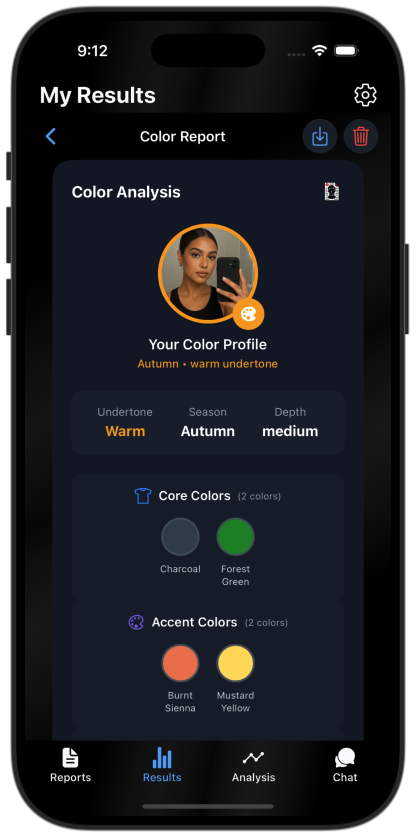
This objective, repeatable approach removes guesswork and bias from self-assessment. For those struggling to find the right foundation or overlooked by mainstream brands, AI analysis offers self-discovery and confidence. For more on automated beauty recommendations, see this in-depth guide.
As more people use these tools, beauty companies expand shade ranges and rethink serving customers with deep skin tones, driving positive industry change.
Section 4: Best Beauty and Skincare Tips for Espresso Skin Tones
Daily Skincare Essentials
For espresso skin tones, maintaining skin health and radiance is essential. Daily skincare should focus on hydration, protection, and addressing specific concerns like hyperpigmentation. Key tips include:
- Gentle cleansing: Use sulfate-free cleansers that don’t strip natural oils.
- Moisturizing: Choose rich moisturizers with ingredients like hyaluronic acid and ceramides to lock in hydration.
- Sun protection: Broad-spectrum SPF 30+ sunscreen is crucial to prevent hyperpigmentation and protect against UV damage.
- Targeted treatments: Products with vitamin C or niacinamide help brighten skin and even tone.
Consistent skincare enhances the natural glow of espresso skin and prevents dullness.
Makeup Tips for Espresso Skin
When choosing makeup for espresso skin tones, selecting the right shades and formulas is key:
- Foundation: Look for deep shades with cool or neutral undertones to avoid ashy or orange hues.
- Blush: Rich berry, plum, or deep rose shades complement the complexion.
- Lip colors: Bold reds, deep berries, and chocolate browns work beautifully.
- Highlighter: Warm gold or bronze tones add subtle luminosity without looking stark.
Using products designed for deep skin tones enhances natural beauty and boosts confidence.
Section 5: Fashion, Color Choices, and Styling for Deep Skin Tones
Choosing colors that complement espresso skin tones can elevate your style. Jewel tones like emerald, sapphire, and amethyst highlight cool undertones, while warm undertones shine in rich golds, coppers, and burnt oranges. Neutrals such as cream, camel, and charcoal also pair well. Avoid colors that may wash out the complexion, like pale pastels.
Incorporate accessories and hairstyles that enhance your skin’s natural richness. Contrast and balance are key to creating striking looks that celebrate your unique tone.
Section 6: Embracing and Celebrating Rich Skin Tone Names
Using empowering names like "espresso" to describe deep skin tones fosters pride and self-love. These terms highlight the beauty and diversity of rich complexions, encouraging individuals to embrace their natural features confidently.
As societal appreciation grows, representation in media and beauty industries improves, helping to normalize and celebrate all skin tones.
Conclusion
Understanding the espresso skin tone and its nuances empowers individuals to make informed beauty and style choices. Precise identification, aided by AI tools like Maxx Report, helps personalize skincare and makeup, enhancing natural beauty. Embracing rich skin tone names promotes confidence, inclusion, and celebration of diversity.
FAQ
What is espresso skin tone?
Espresso skin tone is a deep, rich brown shade with cool or neutral undertones, named after the color of espresso coffee. It is characterized by a velvety, smooth appearance and is common among diverse populations.
How is espresso skin tone different from mocha?
Espresso is darker and often has cool or neutral undertones, while mocha is lighter with warm or golden undertones. These differences affect makeup and color choices.
How can I identify if I have an espresso skin tone?
Look for very deep brown skin with cool or neutral undertones. Traditional methods like vein and jewelry tests can help, but AI-powered tools like Maxx Report offer precise analysis from a selfie.
What makeup colors suit espresso skin tones?
Foundations with cool or neutral undertones, blushes in berry or plum shades, lipsticks in bold reds or chocolate browns, and warm gold or bronze highlighters complement espresso skin beautifully.
How can AI help with understanding my skin tone?
AI tools analyze your skin’s depth, undertone, and texture from photos to provide personalized recommendations for skincare, makeup, and styling, removing guesswork and bias.