
mahogany skin: Meaning, Color & Care Guide
Discover what mahogany skin color is, how to identify this deep skin tone, and get expert tips for care, makeup, and self-confidence.

Estimated reading time: 16 min
Key Takeaways
- Mahogany skin is a deep, reddish-brown hue with rich undertones—one of the most vibrant deep skin tones.
- Understanding your mahogany skin color helps with personalized skincare, makeup, and style choices.
- AI tools like Maxx Report can analyze and rate your mahogany complexion to recommend custom glow-up plans.
- Mahogany skin is beautiful and versatile, with unique care needs and endless inspiration from celebrities and influencers.
Table of Contents
- Section 1: What is Mahogany Skin Color?
- Section 2: Identifying Mahogany Skin Tone Among Deep Skin Tone Names
- Section 3: Genetics and Science of Mahogany Complexion
- Section 4: Skincare Essentials for Mahogany Skin
- Section 5: Makeup and Style Tips for Mahogany Skin Color
- Section 6: Embracing Your Mahogany Complexion with AI Analysis
- Conclusion
- FAQ
Section 1: What is Mahogany Skin Color?
Defining Mahogany Skin Tone
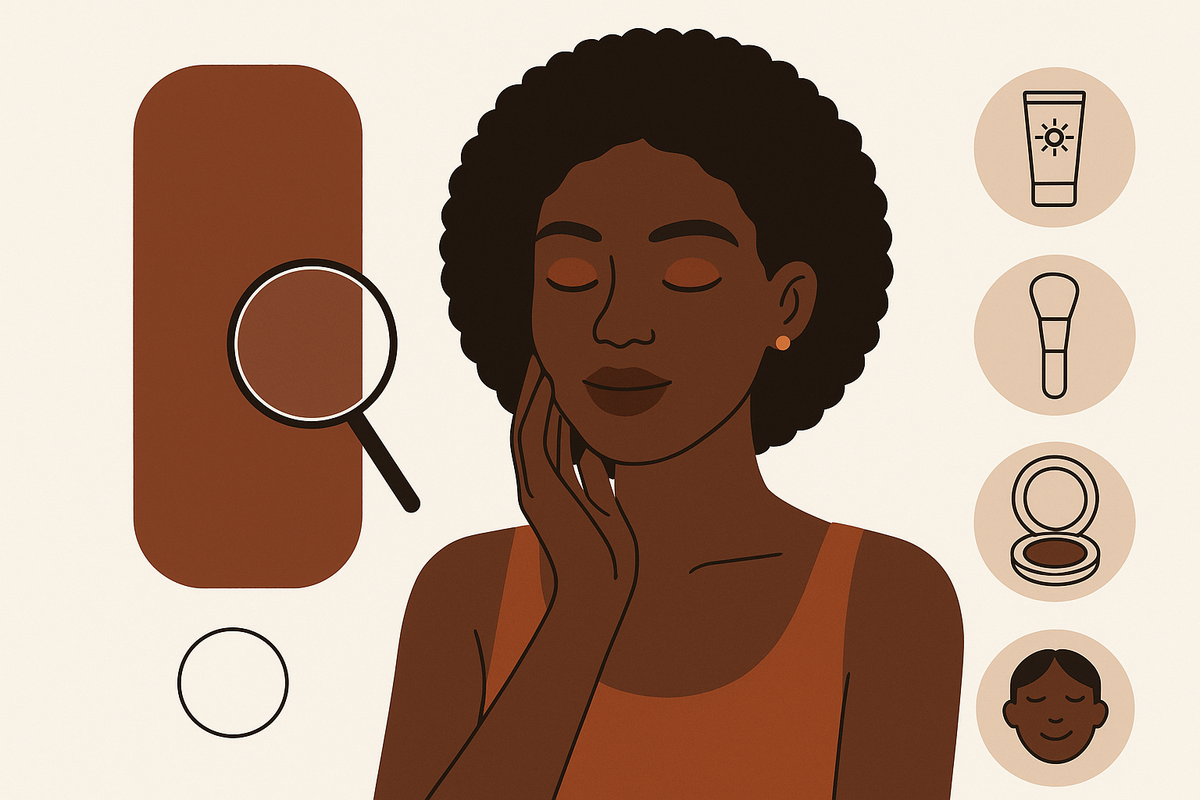
Mahogany skin is a distinctive, rich, and radiant skin color blending deep brown with subtle red and sometimes purple undertones. When people ask, "What is mahogany skin?" or search for the meaning of mahogany skin color, they’re describing a complexion that stands out among deep skin tone names for its multidimensional warmth. The term "mahogany" comes from the luxurious, dark wood, and in skin color, it means a glowing, reddish-brown hue that is neither just brown nor red but a harmonious mix. This unique balance creates a warm, radiant, and striking complexion often celebrated in beauty and art. If you’re searching for the definition of mahogany skin or wondering what makes mahogany skin color unique, it’s this blend of depth and undertone that sets it apart from other deep skin shades.
Mahogany skin is visually captivating due to the interplay between its brown base and reddish, copper, or even plum undertones. In sunlight, these undertones become more pronounced, giving the skin a dynamic, luminous quality. This multidimensionality is why mahogany skin is frequently referenced in beauty and artistic descriptions and why it’s such a sought-after deep skin tone.
Key Characteristics of Mahogany Skin Color
- Depth: Mahogany skin is deep, saturated, and visibly richer than medium brown tones. It’s never pale or ashy.
- Undertone: Warm undertones dominate—think red, copper, or burgundy—sometimes with hints of plum or violet, especially in certain lighting. It’s never overtly cool like ebony.
- Luminosity: Mahogany skin often glows or appears radiant, especially in natural sunlight, as the red and copper undertones catch the light.
- Variation: Mahogany complexions range from medium-deep to the darkest shades, with differences in undertone and intensity. The spectrum can go from a lighter, reddish-brown to a deep, wine-colored brown.
In short, mahogany skin color is celebrated for its depth and vibrancy, making it a favorite reference in beauty, fashion, and art. It’s a color that represents warmth, strength, and individuality.
Mahogany Skin Color in Culture
Mahogany skin is prominent among people of African, Afro-Caribbean, South Asian, and Indigenous descent. This skin tone is celebrated in literature, music, and visual arts as a symbol of beauty, strength, and heritage. Writers like Maya Angelou and Toni Morrison have described mahogany skin as "sun-kissed" and "radiant," while celebrities like Lupita Nyong’o and Duckie Thot exemplify its beauty and versatility, inspiring many to embrace their own mahogany complexions.
Section 2: Identifying Mahogany Skin Tone Among Deep Skin Tone Names
Deep Skin Tone Names: Where Does Mahogany Fit?
Deep skin tones cover a spectrum of beautiful shades, each with unique characteristics. Common deep skin tone names include espresso, ebony, chestnut, sable, and mahogany. Mahogany stands out for its reddish-brown warmth and glowing undertones, making "mahogany skin" one of the most recognized deep skin color names today. If you're searching for deep skin tone names or comparing mahogany skin to other deep tones, understanding these differences helps you find the best skincare and makeup matches.
- Ebony: Cool, almost blue-black, often appearing nearly black in certain lights.
- Sable: Neutral to cool, dark brown with a softer base and both cool and neutral undertones.
- Chestnut: Warm, medium-dark brown with golden tones, lighter than mahogany.
- Mahogany: Deep brown with red or burgundy undertones, balancing depth with visible warmth and radiance.
- Espresso: Very dark, almost black-brown, more neutral, with less visible red or copper undertones.
This diversity highlights the importance of precise language in describing skin color. Mahogany is neither the darkest nor the lightest among deep tones, but it’s one of the most vibrant and multidimensional. In cosmetics and skincare, accurate terminology ensures better product matches and greater inclusivity.
How to Tell If You Have Mahogany Skin
- Look for red or copper undertones: Hold a white sheet of paper to your jawline in natural light; if your skin appears redder or more coppery, you likely have mahogany undertones.
- Observe your skin in sunlight: Mahogany skin reflects warmth and richness, often shimmering on cheekbones and forehead.
- Compare to wood shades: If your skin resembles polished mahogany wood—a reddish-brown—you likely fit this category.
- Jewelry test: Gold jewelry usually pops against mahogany skin, highlighting its warmth.
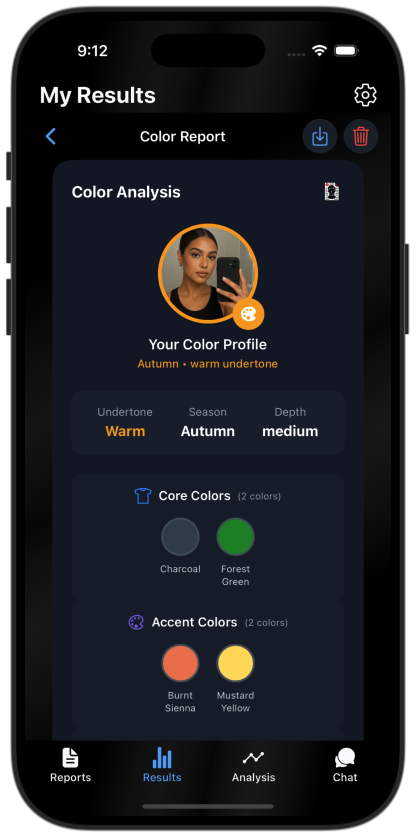
Identifying your mahogany skin tone is the first step toward choosing the right makeup, clothing, and skincare. For a precise match, AI-powered tools like Maxx Report can scan your face, rate your looks, and provide expert color analysis, making it easier to understand your unique mahogany complexion. Maxx Report even quantifies undertone levels and suggests exact shade names from leading makeup brands, supporting a truly personalized approach.
Why Correct Identification Matters
Understanding your true skin tone unlocks better product matches, more flattering makeup, and confidence in your personal style. It helps you avoid mismatched foundation, ashy finishes, or skincare that doesn’t suit your needs. For a comprehensive analysis, explore our Face Shape Quiz with AI Analysis for even more personalized insights.
Accurate identification also supports self-image. Many with mahogany skin have struggled to find representation in mainstream beauty, leading to confusion and frustration when shopping for products. With more inclusive tools and language, those with mahogany skin can confidently select products designed for them, leading to better beauty outcomes and a more empowered sense of self.
Section 3: Genetics and Science of Mahogany Complexion
The Biology Behind Mahogany Skin Color
Skin color is determined by melanin, a pigment produced by melanocytes. The more melanin your skin has, the deeper your skin tone will be. Mahogany skin results from high melanin levels and specific genetic variations that produce unique undertones.
- Melanin Types:
- Eumelanin: Responsible for brown to black shades. High eumelanin gives mahogany skin its deep base and UV protection.
- Pheomelanin: Adds red and yellow hues, creating warmth. Moderate levels of pheomelanin introduce the reddish or copper undertones.
- Genetic Influence: Genes like MC1R, SLC24A5, and TYR influence the amount and type of melanin, affecting the undertone and intensity of mahogany complexions.
For example, certain MC1R gene variants are associated with increased pheomelanin, leading to more noticeable red tones. The SLC24A5 gene, common in populations with darker skin, supports a higher eumelanin-to-pheomelanin ratio, deepening the brown base while allowing undertones to shine through.
Why Mahogany Skin Is Unique
Unlike cooler deep tones, mahogany skin features both high eumelanin (for depth) and moderate pheomelanin (for red warmth). This genetic combination produces a luminous, multidimensional look that stands apart from other deep skin tone names. If you’re comparing mahogany skin vs. ebony or other deep shades, this mix of pigments is what gives mahogany skin its signature glow.
This pigment interplay also affects how mahogany skin responds to light, makeup, and skincare. For example, foundation shades that seem flat on other skin may interact with mahogany's red undertones, requiring customized formulas or application techniques for a seamless match.
Evolution and Adaptation
Mahogany skin tones evolved in regions with high sun exposure, providing natural protection against UV damage. While mahogany skin is resilient, it still requires targeted care to maintain its glow and health.
- High melanin offers some UV protection but does not eliminate the need for sunscreen.
- Mahogany skin may be more prone to hyperpigmentation or dark spots due to its melanin-rich structure.
- Understanding your skin’s biology helps inform better skincare and cosmetic choices, such as selecting gentle exfoliants and brightening agents.
For more on how AI can analyze your unique skin features, check out our guide to digital makeovers with AI. Maxx Report’s algorithms factor in genetic and environmental factors to provide even more accurate recommendations for long-term skin health and beauty.
Section 4: Skincare Essentials for Mahogany Skin
Understanding Mahogany Skin Needs
Mahogany skin is naturally resilient but can face unique challenges such as hyperpigmentation, uneven tone, and sensitivity to certain products. Choosing skincare specifically formulated for deep, warm undertones helps maintain your skin’s natural radiance. Look for gentle cleansers, brightening serums with vitamin C, and always use sunscreen to protect against UV damage, even if your skin rarely burns. Hydration is key, as well-moisturized mahogany skin looks even more luminous. For personalized skincare routines, Maxx Report’s AI can assess your complexion and suggest targeted products that work best for mahogany skin color and undertones. Regular exfoliation with mild acids can also help keep mahogany skin smooth and radiant, but avoid harsh scrubs that may cause irritation or dark spots.
FAQ
What is mahogany skin?
Mahogany skin is a deep, reddish-brown skin color with warm undertones, often described as glowing and multidimensional. It stands out among deep skin tone names for its unique blend of brown and red hues. The term "mahogany skin" is commonly used to describe this rich and radiant color.
How do I know if I have mahogany skin?
If your skin has a rich brown base with visible red or copper undertones—especially in natural light—and gold jewelry complements your complexion, you likely have mahogany skin. You can also use AI-powered tools like Maxx Report for precise skin tone analysis and personalized care recommendations.