
Foods That Help Define Your Jawline: Science-Backed Diet Tips for a Sharper Look
Discover the best foods that help define your jawline, reduce facial bloating, and support a chiseled look. Evidence-based diet, lifestyle, and jawline tips.

Estimated reading time: 13 min
Key Takeaways
- Certain foods can help reduce facial bloating and support a more defined jawline, but diet alone cannot create bone structure.
- Jawline definition is influenced by body fat, hydration, sodium intake, and muscle tone from chewing or specific exercises.
- Protein-rich, anti-inflammatory, and hydrating foods can support a leaner, sharper facial appearance.
- Gimmicks like extreme jaw exercisers or bone-smashing should be avoided in favor of sustainable, evidence-based lifestyle changes.
- Combining smart nutrition with good sleep, posture, and facial exercises (like mewing) offers the best approach.
Table of Contents
- Section 1: How Diet Influences Jawline Definition
- Section 2: Best Foods That Help Define Your Jawline
- Section 3: Foods to Avoid for a Sharper Jawline
- Section 4: Nutrition Tips for Reducing Face Fat and Bloating
- Section 5: Jawline Exercises, Mewing, and Other Lifestyle Factors
- Section 6: Sample Jawline-Friendly Meal Plans and Snacks
- Conclusion
- FAQ
Section 1: How Diet Influences Jawline Definition
The Science Behind Jawline Visibility
When it comes to a sharp jawline, genetics play a big role in your bone structure. However, the foods you eat can significantly influence the appearance of your jawline by affecting body fat, muscle tone, and facial bloating. Lower body fat levels, less facial puffiness, and healthy skin all contribute to a more chiseled look. Even small changes in facial fluid retention can make a visible difference, as the skin and soft tissues around the lower face are relatively thin compared to other areas of the body.
- Body fat and water retention: Excess facial fat and bloating from sodium or dehydration can obscure the underlying jaw structure. For example, increased sodium intake can cause your body to retain water, which often shows up first in your face and around your jawline. Reducing body fat overall through nutrition and exercise will reveal more bone structure and muscle definition, including around the jaw.
- Facial muscle tone: Chewing harder foods may stimulate jaw muscles, supporting a firmer appearance. While the masseter (jaw) muscle can be subtly toned, excessive exercises or gimmicky devices aren't necessary for most people. Instead, a diet with a variety of textures naturally encourages normal muscle use.
What Diet Can—and Can’t—Do for Your Jawline
Diet can help you reduce overall and facial fat, minimize bloating, and support better skin elasticity. However, no food can change your bone structure or instantly "create" a jawline. Diet is most effective when paired with lifestyle changes and good posture. For instance, even with the best diet, poor sleep, high stress, or hormonal imbalances can increase facial puffiness and mask jaw definition. Lifestyle factors like alcohol use, sleep quality, and hydration interact with diet to affect how prominent your jawline appears.
Key Related Factors
- Hormones, hydration, and sleep all influence facial water balance. For example, high cortisol (the stress hormone) can promote water retention and fat storage, especially in the face. Inadequate sleep can also cause transient swelling and dull skin.
- Genetics set your jaw’s basic shape, but diet can help reveal it. Some people naturally store more fat in the lower face, while others have a more defined bone structure regardless of body composition.
- Combining nutrition with techniques like AI face shape analysis can help you set realistic goals. These tools can help you separate what’s achievable through diet and lifestyle from what is determined by genetics.
Ultimately, a holistic approach—addressing diet, hydration, hormonal balance, and sleep—offers the best results for jawline visibility and facial aesthetics.
Section 2: Best Foods That Help Define Your Jawline
Foods That Require More Chewing
Eating hard, crunchy foods may help strengthen jaw muscles through repeated chewing, giving a slightly firmer look over time. While the effect is subtle, it can complement other strategies. Studies suggest that populations with diets rich in unprocessed, fibrous foods tend to have more pronounced jaw muscles and facial bone density due to lifelong chewing demands.
- Apples, carrots, and celery: These raw vegetables and fruits require active chewing, engaging the masseter and temporalis muscles. For example, eating a whole apple or a handful of carrot sticks daily can add several minutes of active chewing to your routine, potentially enhancing jaw muscle endurance.
- Nuts (almonds, walnuts, pistachios): Offer healthy fats and protein while providing a good jaw workout. Chewing whole, unsalted nuts can take 5–10 minutes per serving, compared to the seconds it takes to eat soft snacks like crackers or pastry.
- Other raw vegetables: Bell peppers, broccoli, and snap peas support facial muscle use. Including a variety of these in salads or as snacks increases the mechanical load on your jaw, subtly encouraging muscle tone.
Protein-Rich Foods for Muscle Support
Facial muscles, like all muscles, require protein to maintain tone and support a leaner appearance. Including high-quality protein in your diet can aid in fat loss and muscle definition:
- Lean meats: Chicken breast, turkey, and lean beef are excellent sources of complete protein. For example, a 4-ounce serving of skinless chicken breast provides about 25–30 grams of protein and minimal saturated fat, supporting muscle repair and satiety.
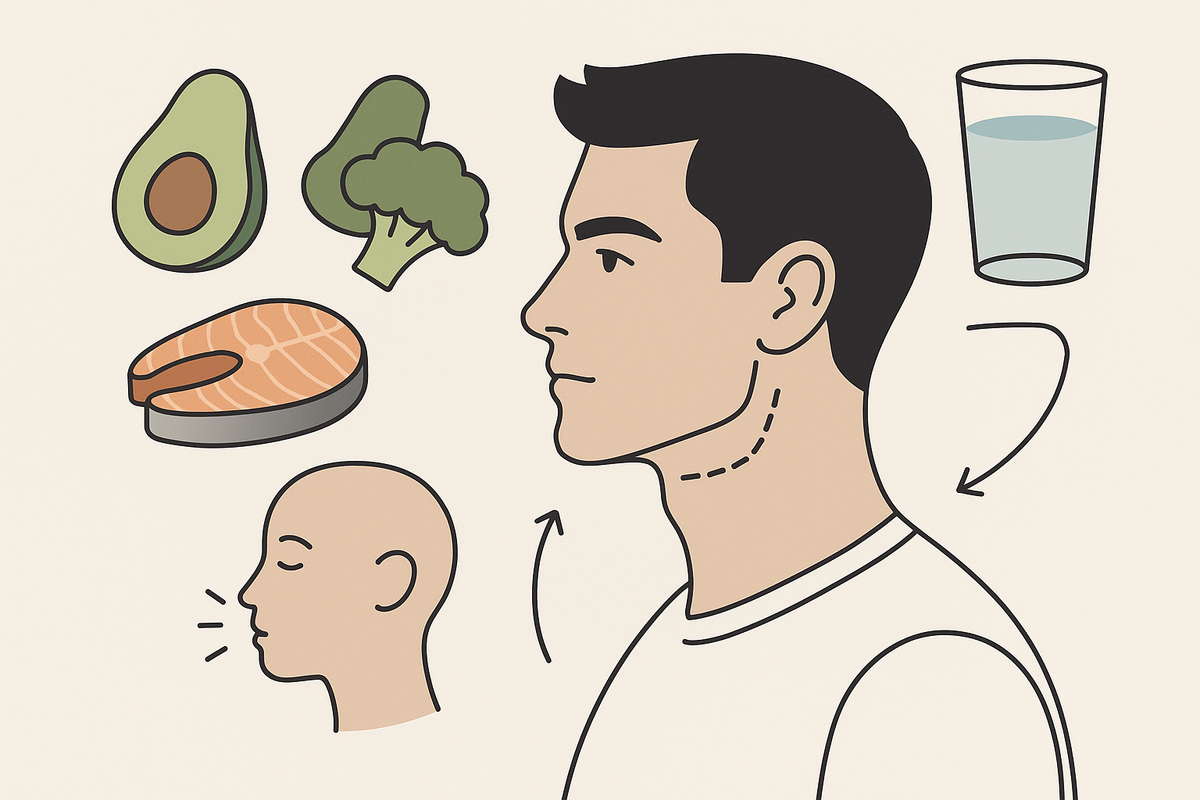
- Fish and seafood: Salmon, tuna, and shrimp promote muscle repair and skin health. Fatty fish like salmon also supply omega-3 fatty acids, which can reduce inflammation that causes facial swelling.
- Greek yogurt and eggs: High in protein, with additional benefits for skin and satiety. Greek yogurt, for example, contains about twice the protein of regular yogurt and is rich in probiotics, which may help reduce inflammation and puffiness.
Consuming 1.2–2.0 grams of protein per kilogram of body weight per day (depending on activity level and goals) is a good target for preserving muscle while losing fat, which further sharpens facial features.
Hydrating and Potassium-Rich Foods
Foods high in water and potassium help flush excess sodium and reduce facial puffiness. Proper fluid balance is key to minimizing water retention that can obscure the jawline. Many people underestimate how quickly the face can become bloated after a salty meal or a night of dehydration.
- Cucumbers, watermelon, and oranges: Hydrate the body and decrease water retention. For example, cucumber is more than 95% water and contains compounds that support kidney function, helping flush out excess fluid.
- Bananas, avocados, and spinach: Potassium-rich, they help balance electrolytes and minimize swelling. A medium banana contains about 400 mg of potassium, which helps counteract the effects of sodium on facial puffiness.
Including at least 5–7 servings of fruits and vegetables daily provides both hydration and electrolyte support for facial definition.

Foods That Support Skin Firmness
- Citrus fruits (oranges, kiwis, strawberries): High in vitamin C, crucial for collagen production and skin elasticity. Collagen helps maintain skin structure, reducing sagging and making the jawline more prominent. For example, one cup of sliced strawberries provides 100% of your daily vitamin C needs.
- Nuts and seeds: Provide vitamin E and healthy fats for skin health. Sunflower seeds, almonds, and hazelnuts are particularly rich in vitamin E, an antioxidant that helps prevent skin breakdown.
- Bone broth and collagen-rich foods: Support connective tissue strength. Bone broth contains amino acids like glycine and proline that are building blocks for collagen, potentially improving skin firmness over time.
Combining these foods supports the skin’s ability to "hug" the jawline and highlight its natural contours.
Section 3: Foods to Avoid for a Sharper Jawline
High-Sodium and Processed Foods
Sodium causes the body to retain water, often leading to facial puffiness that can mask your jawline. Processed foods are the main culprits here, with some containing over 1,000 mg sodium per serving—nearly half the recommended daily intake for adults. Even a single high-sodium meal can lead to noticeable swelling in the face the next day.
- Salty snacks: Chips, pretzels, instant noodles, and processed cheese. For example, a single serving of instant ramen can contain more than 800 mg sodium.
- Ready meals: Frozen dinners, canned soups, and restaurant takeout are often loaded with sodium. Canned soups may have up to 900 mg per cup, while takeout meals can easily exceed 2,000 mg in a single serving.
Limiting processed foods and reading nutrition labels to monitor sodium content is crucial for anyone seeking a more defined jawline.
Sugary and Refined Carbohydrates
Sugar and refined carbs spike insulin, promoting fat storage—including in the face. They can also trigger inflammation, worsening puffiness. Regular consumption of these foods is associated with increased facial and abdominal fat, as well as duller skin tone.
- Soda and sweetened drinks: These beverages can contain upwards of 30–40 grams of sugar per serving, leading to spikes in blood sugar and increased fat deposition.
- Pastries and white bread: White bread has a high glycemic index, causing rapid insulin spikes that promote fat storage. Pastries combine sugar and refined flour for a double impact on facial appearance.
- Candy and desserts: Regular indulgence contributes to chronic inflammation and visible puffiness.
Replacing these with whole grain or naturally sweet foods (like fruit) can help stabilize blood sugar and reduce bloating.
Foods That May Trigger Inflammation
- Fried foods and trans fats: These not only promote inflammation but also disrupt normal fluid balance, leading to both puffiness and longer-term skin aging.
- Excessive alcohol: Dehydrates and causes swelling. Alcohol also dilates blood vessels, leading to a flushed, swollen appearance in the face, especially after a night of heavy drinking.
- Artificial additives: Can provoke water retention in sensitive individuals. Preservatives, colorings, and artificial sweeteners have been linked to increased water retention or inflammatory responses in some people.
Reducing these foods supports not just your jawline but your overall health and skin appearance. Many people notice a more angular facial appearance just days after reducing sodium, sugar, and processed foods.
Section 4: Nutrition Tips for Reducing Face Fat and Bloating
Hydration and Electrolyte Balance
Drinking enough water is one of the easiest ways to reduce facial puffiness. Aim for at least 2 liters per day, more if you’re active or in a hot climate. Combine hydration with potassium-rich foods to flush excess sodium. If you notice your face feels puffy in the morning, drinking a large glass of water and having a banana or orange can quickly help restore balance. Electrolyte-rich drinks (without added sugars) can also help if you’re sweating heavily or recovering from a salty meal.
- Water, herbal teas, and broths: Herbal teas like dandelion or green tea may offer mild diuretic effects, helping reduce water retention further.
- Fruits and vegetables with high water content: Melons, citrus, lettuce, and cucumbers are especially effective.
Regular hydration not only supports facial definition but also enhances skin plumpness and elasticity, further contributing to a sharper jawline.
Overall Body Fat and Calorie Control
The most effective way to reveal your jawline is to lower overall body fat. Spot reduction is a myth, but a calorie-controlled, nutrient-dense diet will slowly slim your face. For sustained results, aim for a moderate calorie deficit of 300–500 calories per day, which generally leads to 0.5–1 pound of fat loss per week. Over several months, this can make a significant difference in facial appearance.
- Prioritize lean proteins, vegetables, and healthy fats: These foods promote satiety and muscle preservation, reducing the likelihood of muscle loss during weight reduction.
- Limit processed foods and empty calories: Focus on whole foods to avoid hidden sugars, sodium, and unhealthy fats.
For a deep dive on slimming your face, see our guide on AI glow up tips that work. Remember, even a 5–10% reduction in total body weight can lead to visible changes in your jawline and cheeks.
Anti-Inflammatory Foods for De-Puffing
- Leafy greens, berries, and fatty fish: Combat inflammation and promote skin health. Spinach, kale, blueberries, and salmon are all rich in antioxidants and omega-3 fatty acids that soothe inflammation and encourage a tighter facial appearance.
- Olive oil and avocados: Healthy fats that support a leaner appearance. Olive oil is high in monounsaturated fats and polyphenols, which have been shown to reduce inflammatory markers and support healthy skin texture.
Consistent intake of these foods can reduce chronic swelling and make the jawline and cheekbones more visible. For example, swapping out butter for olive oil and adding a handful of berries to your breakfast can make a real difference over time.
Section 5: Jawline Exercises, Mewing, and Other Lifestyle Factors
Jawline Exercises: Do They Work?
Jawline exercises—like chewing gum, chin tucks, or "jawline trainers"—are often touted online. While regular chewing may slightly strengthen jaw muscles, claims of dramatic transformation are overblown. Overuse of jaw exercisers can risk TMJ issues. The muscles of the jaw respond to resistance like any other muscle, but they are relatively small and can be easily overworked, leading to pain or headaches. Moderate, daily jaw movement through natural eating is sufficient for most people.
- Chewing gum: Can support subtle muscle tone if done in moderation. Chewing sugar-free gum for 10–15 minutes per day is generally safe and can help you become more aware of jaw movement without overworking the muscles.
- Chin lifts and facial yoga: May help with muscle awareness, but evidence is limited. Simple exercises like looking up and pushing your lower jaw forward can help with posture and reduce the appearance of a double chin if done consistently.
- Avoid extreme devices or bone-smashing—these are unsafe. Some online trends promote dangerous practices that can cause permanent damage or severe pain.
Consistency and moderation are key. If you experience jaw pain or clicking, stop immediately and consult a professional.
Mewing: What Is It, and Does It Work?
Mewing is a technique of proper tongue posture (pressing the tongue to the roof of the mouth) to supposedly improve jawline shape. While mewing can slightly improve facial definition and encourage better posture, its impact on adults is modest. For a detailed look, see our guide on the science of facial proportions. Young individuals whose facial bones are still developing may see more benefit, but for adults, the main advantage is improved posture and subtle muscle engagement rather than significant bone remodeling.
To try mewing, keep your lips gently closed, teeth lightly touching, and the entire tongue pressed to the roof of your mouth (not just the tip). Practice this posture throughout the day for potential improvement in jawline appearance and overall facial harmony.
Reducing a Double Chin and Other Tips
- How to lose face fat: Prioritize overall weight loss and hydration. Reducing body fat through consistent calorie control, regular exercise, and minimizing sodium and sugar intake will gradually slim the lower face and jawline.
- How to reduce a double chin: Combine nutrition, fat loss, and good posture. Exercises like neck stretches, chin lifts, and jaw movements can help prevent sagging, but diet is still the main factor.
- Gua sha for men: This facial massage tool may reduce short-term puffiness, but won’t alter deep fat or bone. Gua sha can increase local blood flow and lymphatic drainage, helping reduce swelling after salty meals or poor sleep, but its effects are temporary and largely cosmetic.
For a personalized assessment of your jawline, symmetry, and skin, consider using Maxx Report to get an AI-powered analysis and glow-up plan. Such technology can help you track changes over time and focus on what works for your specific facial structure.
Section 6: Sample Jawline-Friendly Meal Plans and Snacks
Easy Snacks for Jawline Support
- Apple slices with almond butter (crunchy, hydrating, protein-rich): This snack pairs fiber, water, and healthy fats, making it filling and supportive of muscle tone.
- Baby carrots and celery with hummus: The crunchiness encourages jaw use, while hummus adds plant protein and healthy fats.
- Handful of walnuts or mixed nuts: Walnuts are particularly high in omega-3s, which can help reduce inflammation and support skin health.
- Greek yogurt with berries: Provides protein, probiotics, and antioxidants to support skin and muscle.
Choose snacks that combine texture, hydration, and nutrients for maximum jawline support and overall health.
Example Meal Plan for a Chiseled Look
- Breakfast: Scrambled eggs with spinach and tomatoes. Orange slices on the side. This meal supplies protein, antioxidants, and vitamin C for skin firmness.
- Lunch: Grilled chicken breast, quinoa salad with cucumbers, bell peppers, and olive oil dressing. This combination offers lean protein, complex carbs, and hydrating veggies.
- Snack: Sliced carrots and red peppers, handful of pistachios. Crunchy vegetables stimulate jaw muscles while pistachios add healthy fats and minerals.
- Dinner: Baked salmon, steamed broccoli, and a sweet potato. Salmon provides protein and omega-3s, broccoli is hydrating and fiber-rich, and sweet potato is loaded with potassium.
Each meal is balanced for protein, hydration, and anti-inflammatory nutrients, supporting both muscle tone and skin health.
Tips for Meal Prep and Consistency
- Prep crunchy veggies and protein snacks in advance: Wash and portion carrots, celery, and bell peppers at the start of the week for easy grab-and-go options.
- Stay hydrated with water-rich foods and drinks throughout the day: Carry a water bottle, and include fruits like watermelon or cucumber slices with meals.
- Limit snacks high in salt, sugar, or processed carbs: Replace chips or cookies with nuts, yogurt, or fresh fruit to avoid hidden sodium and sugar.
Pairing these meals with facial exercises, posture checks, and a holistic approach will help you make the most of your jawline genetics. Tracking your intake and progress—using a nutrition app or a service like Maxx Report—can help with consistency and motivation.
Conclusion
While you can’t change your bone structure, the right foods can help define your jawline by reducing puffiness, supporting muscle tone, and promoting healthy skin. Focus on hydrating, potassium-rich, and protein-dense foods, and limit sodium and processed snacks. Combine these dietary changes with smart lifestyle habits—like consistent hydration, good sleep, facial exercises, and posture awareness—for the best impact. For a science-backed, personalized approach, try Maxx Report to get an AI-powered analysis and actionable transformation plan tailored to your features.
FAQ
Q: What foods help define your jawline the most?
A: Crunchy fruits and vegetables (like apples, carrots, celery), lean proteins (chicken, fish, Greek yogurt), hydrating foods (cucumbers, watermelon), and potassium-rich options (bananas, avocados) are best for reducing puffiness and supporting jaw muscle tone.
Q: Does chewing gum actually make your jawline sharper?
A: Chewing gum can help strengthen jaw muscles slightly, but dramatic changes are unlikely. It may make your jawline a bit firmer when combined with overall fat loss and a healthy diet.
Q: What foods should I avoid if I want a more defined jawline?
A: Avoid high-sodium foods (chips, processed snacks), refined carbs (white bread, pastries), excess sugar, and alcohol. These can cause facial bloating and mask jaw definition.
Q: Can diet reduce facial bloating and make my jawline look better?
A: Yes, a diet rich in water, potassium, and anti-inflammatory foods can reduce facial bloating and reveal a sharper jawline. Limiting salt and processed foods is key.
Q: Do protein and collagen foods help with jawline definition?
A: They support muscle tone and skin firmness, which can enhance jawline appearance. Include lean meats, eggs, Greek yogurt, and collagen-rich foods for best results.
Q: How long does it take for food changes to show in your jawline?
A: Visible changes can occur within a few weeks if you're reducing bloating. Significant fat loss or muscle changes may take several months, depending on consistency and overall health.