Jawline Exercises Do They Work? Guide to Sharper Definition, Fat Loss, and Real Results
Jawline exercises do they work? Uncover the evidence, realistic results, risks, and best tips for a sharper jawline. Learn about mewing, fat loss, and more.
Estimated reading time: 13 min
Key Takeaways
- Jawline exercises can enhance muscle tone and posture but cannot change bone structure or remove fat.
- Mewing and facial posture may offer subtle definition for some, but scientific evidence is limited.
- Reducing facial fat through overall weight loss is the most effective way to achieve a sharper jawline.
- Gua sha, jaw exercisers, and other trending methods have limited or unproven effectiveness, and some carry risks.
- Personalized analysis tools like Maxx Report can help track progress and identify individual glow-up strategies.
Table of Contents
- Section 1: Jawline Exercises – Do They Work?
- Section 2: What Jawline Exercises Can and Cannot Do
- Section 3: Common Jawline Exercises Explained
- Section 4: The Science Behind Jawline Exercises
- Section 5: Risks, Downsides, and Who May Benefit
- Section 6: Best Alternatives for a Sharper Jawline
- Conclusion
- FAQ
Section 1: Jawline Exercises – Do They Work?
Understanding the Hype
The question "jawline exercises do they work" is everywhere online, sparking viral trends and a cottage industry of jaw trainers, mewing tutorials, and facial yoga guides. People crave a sharp, defined jawline for its association with youth, health, and attractiveness. But does working out your jaw really deliver the results influencers promise?
What Are Jawline Exercises?
Jawline exercises target the muscles of the lower face and neck, focusing on the masseter, platysma, and surrounding tissues. Common movements include neck curl-ups, chin lifts, and exaggerated vowel sounds. Some regimens incorporate resistance tools like jaw exercisers or chewing devices, claiming to "sculpt" the jaw.
Buyer Intent and Evidence
- Research is limited: Most studies on facial exercise are small, short-term, or focus on rehabilitation rather than aesthetics.
- Muscle tone improves, but bone shape does not: You can strengthen muscles, but you cannot change your jawbone or genetics.
- Subtle definition possible: Some people may see mild improvements in muscle tone and skin firmness over months of consistent effort.
Ultimately, jawline exercises can make minor differences for certain individuals but should not be expected to "chisel" the jaw dramatically. For a full breakdown of facial proportions and attractiveness, check out our in-depth analysis on the Golden Ratio Face.
Section 2: What Jawline Exercises Can and Cannot Do
What Jawline Exercises Can Realistically Improve
- Muscle Tone: Like any muscle group, the masseter and platysma can be trained for modest firmness.
- Posture: Improving head and neck posture can enhance the overall appearance of the jawline.
- Skin Tightness: Some exercises may boost blood flow and skin tone, offering a subtle glow-up effect.
People with already low facial fat and good bone structure may notice the most visible improvement from jawline exercises, as their underlying features become more pronounced with increased muscle tone.
What Jawline Exercises Cannot Do
- Change Bone Structure: No exercise, device, or trick can alter the shape or size of your jawbone. Only surgery (orthognathic or cosmetic) can do that.
- Remove Subcutaneous Fat: Spot reduction is a myth; you cannot "burn" fat off the face through targeted movement.
- Replace Medical Treatments: Jawline exercises cannot substitute for orthodontics, injectable treatments, or fat-reduction procedures.
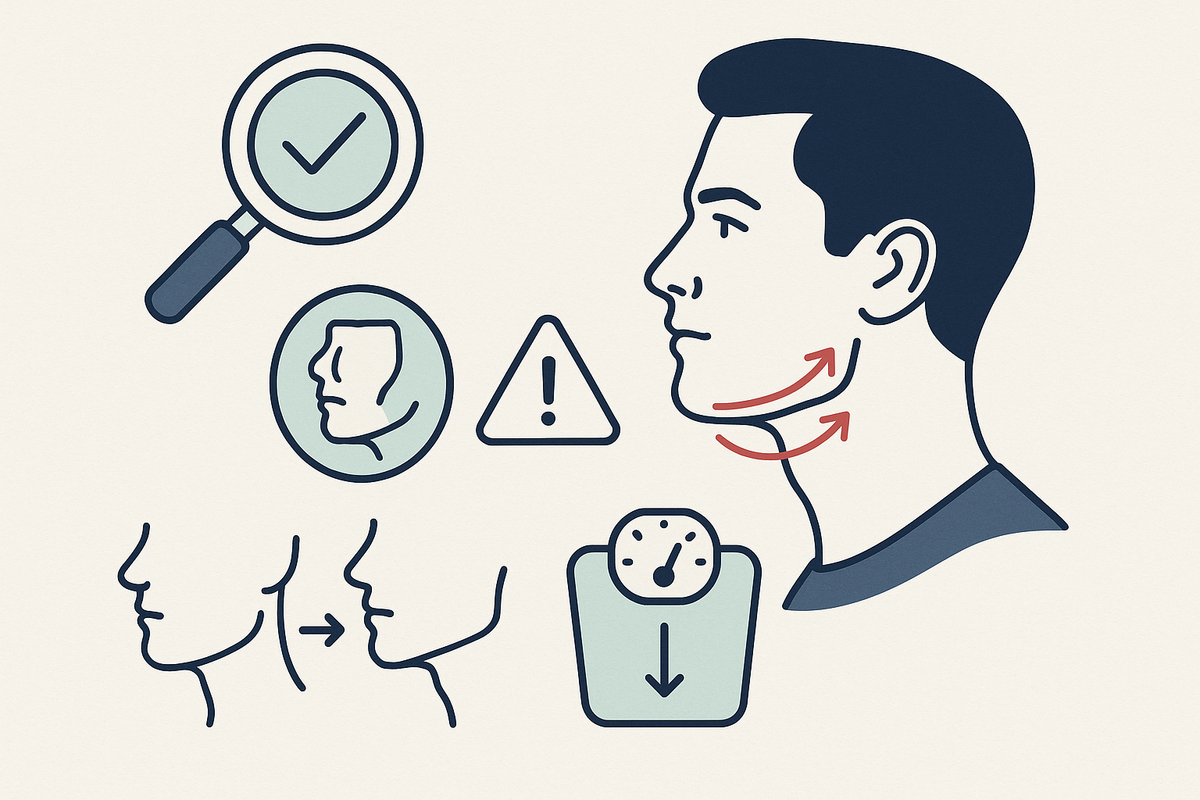
For those wondering how to lose face fat or how to reduce a double chin, the key is overall body fat loss, hydration, and lifestyle changes—not just facial movements.
Why Expectations Matter
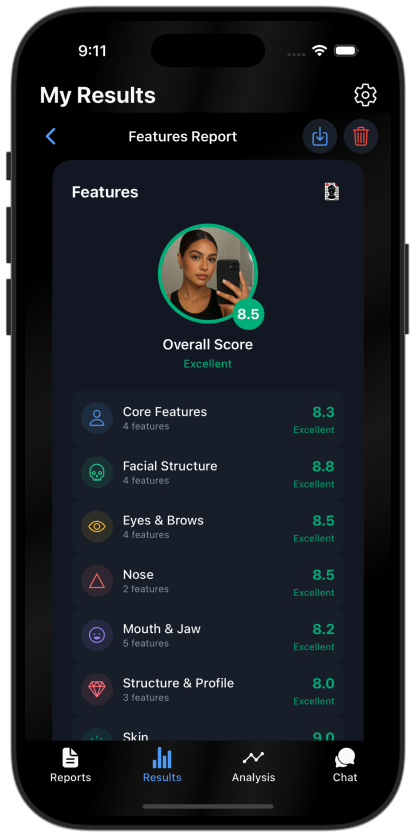
Setting realistic goals is crucial. A few millimeters of muscle hypertrophy can add some angularity, but dramatic before-and-after transformations from exercises alone are exceedingly rare without accompanying fat loss or cosmetic intervention. For a data-driven, personalized assessment of your jawline and facial features, trying the Maxx Report app can help guide your efforts and set honest expectations.
Section 3: Common Jawline Exercises Explained
1. Neck Curl-Ups
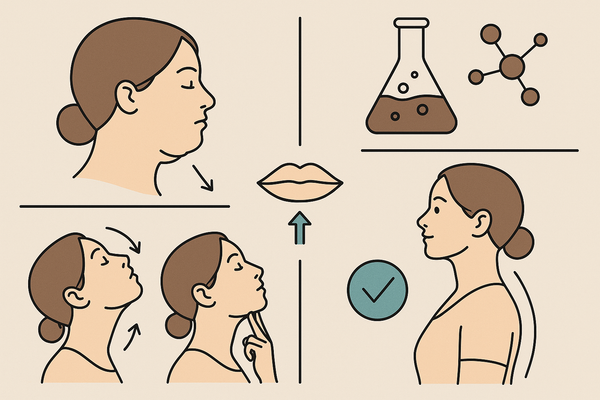
This exercise involves lying on your back and slowly curling your chin toward your chest, engaging the platysma and neck flexors. Start with 2-3 sets of 10-15 reps, focusing on controlled movement without straining.
- Targets: Platysma, sternocleidomastoid, deep neck flexors
- Tip: Keep your tongue pressed to the roof of your mouth for added engagement.
2. Chin Lifts and Jaw Jut
Seated or standing, tilt your head back and push your lower jaw forward, holding for a few seconds. This move aims to activate the muscles along your jawline and under your chin.
- Targets: Suprahyoid, digastric, masseter muscles
- Variation: Try "vowel drills"—say "O", "E", "A" with exaggerated mouth movements to work these muscles further.
3. Mewing Basics – What Is Mewing?
Mewing is a posture technique, not a classic exercise. It involves keeping your tongue pressed firmly against the roof of your mouth, lips sealed, and teeth lightly together. Proponents claim it can subtly alter facial structure and jawline definition.
- Does mewing work? Evidence is mostly anecdotal; some orthodontists believe it can help children and teens, but adults are unlikely to see major bone changes.
- Best used as a posture habit rather than a miracle fix.
4. Chewing-Style Routines and Jawline Devices
Some routines involve chewing gum or using silicone devices to "resist" jaw movements. While this can strengthen the masseter, overuse may lead to TMJ pain or bite issues (more on this in Section 5).
5. Gua Sha for Men
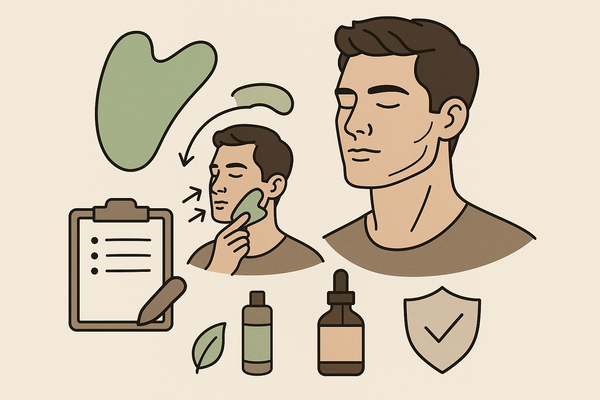
Gua sha is a traditional scraping tool, recently popularized for facial massage. For men, it’s marketed as a way to reduce puffiness and enhance jawline visibility—though evidence for structural change is limited. It may improve lymphatic drainage and give a temporary, subtle contouring effect, especially when paired with skincare routines. Learn more about grooming routines in our Glow Up for Men guide.
Section 4: The Science Behind Jawline Exercises
Reviewing the Evidence
There are surprisingly few rigorous scientific studies on jawline exercises for aesthetics. Most research focuses on facial rehabilitation after injury, aging, or neurological conditions. The available studies on facial muscle training in healthy adults are small and often lack objective measurement.
- A 2018 study found that 20 weeks of daily facial exercises led to modest improvements in cheek fullness and upper face appearance in middle-aged women—but jawline changes were not specifically measured.
- Most "before and after" results online are anecdotal and may be influenced by lighting, posture, fat loss, and even facial hair.
Limitations of the Studies
- Sample sizes are small (often fewer than 20 participants).
- Few studies target the lower face or jaw specifically.
- Long-term effects and safety are not well documented.
- Outcomes are often subjective—measured by self-report or photographs, not objective 3D scans.
What About Mewing?
The "does mewing work" debate is ongoing. Orthodontists agree that tongue posture can influence palate and jaw development in children and adolescents. In adults, bones are much less malleable, so significant skeletal changes are unlikely. However, adopting better posture may subtly improve the look of your jawline and reduce mouth-breathing-related puffiness.
The Verdict
Jawline exercises and mewing may offer minor improvements in muscle tone and facial posture. They are not a substitute for proven interventions like overall weight loss or medical treatments. For a deep dive into how technology analyzes facial structure, explore our Face Shape Quiz with AI analysis.
Section 5: Risks, Downsides, and Who May Benefit
Potential Risks and Downsides
- TMJ Pain: Overuse of jaw exercises or resistance devices can irritate the temporomandibular joint (TMJ), causing pain, clicking, or jaw locking.
- Bite or Speech Changes: Excessive or improper jaw training can affect dental alignment or speech patterns.
- Overuse Injuries: The jaw is not meant to handle heavy resistance like other muscle groups; too much stress can lead to headaches or facial tension.
Who May See the Most Benefit?
- People with low facial fat and good bone structure may notice the most improvement from increased muscle tone and better posture.
- Those who have poor facial posture (mouth breathing, forward head) may benefit from adopting mewing or neck exercises for subtle changes.
- Individuals seeking dramatic changes due to excess fat, loose skin, or bone structure differences will likely need to pursue other interventions.
Jawline Exercise Devices – Worth the Hype?
Many products claim to "sculpt" the jawline through resistance, but most have no scientific backing and may increase the risk of TMJ issues. If you choose to try a device, start with low resistance and monitor for pain or discomfort. Consult a professional if you experience symptoms.
Bone Smashing: Dangerous and Ineffective
A recent online trend encourages repeatedly hitting the jaw to stimulate bone growth. This is dangerous, can cause fractures, and has zero medical evidence. Avoid any "bone smashing" or similar injury-based techniques.
Section 6: Best Alternatives for a Sharper Jawline
1. Lowering Body Fat – How to Lose Face Fat
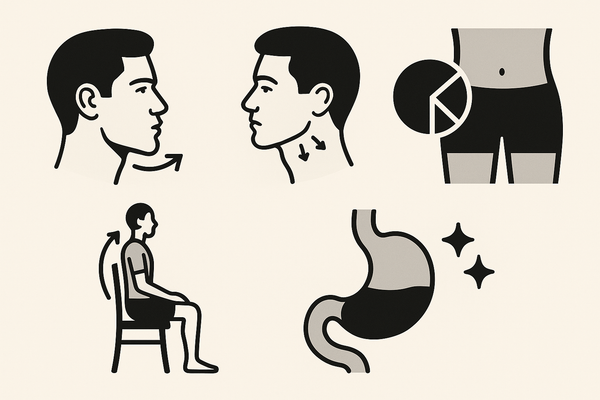
Overall fat loss is the most reliable way to reveal a sharper jawline. Genetics determine where you lose fat first, but consistent calorie deficit, strength training, and cardiovascular exercise can reduce facial fullness over time. There is no way to "spot reduce" fat on the face—changes come with full-body progress.
- Hydrate well to reduce water retention and facial bloating.
- Limit excess sodium and processed foods, which can cause puffiness.
2. Improving Posture
- Practice good neck and head alignment, especially if you spend hours at a desk or on your phone.
- Mewing (tongue posture) can support jawline definition by encouraging correct facial muscle engagement.
3. Skincare and Facial Massage
While tools like gua sha for men won’t change bone or fat, they can reduce temporary puffiness and improve skin texture. Pair with moisturizing and sun protection for optimal results.
4. Cosmetic and Medical Interventions
- Dermal fillers can enhance jawline sharpness for those looking for non-surgical options.
- Chin liposuction or Kybella can address double chin and redefine the jaw area.
- Surgical options exist for profound structural changes but come with risks and costs.
5. Grooming and Style
Beard shaping, strategic hairstyles, and facial hair can visually enhance the jawline. Use AI-powered tools like Maxx Report to receive personalized tips for optimizing your look. For more ideas, see our article on AI Glow Up Tips That Work.
Quick Sharp Jawline Tips
- Stay lean and hydrated
- Practice good posture and mewing
- Use skincare and facial massage for temporary contouring
- Groom facial hair to accentuate lines
- Consider professional treatments for lasting, dramatic change
Conclusion
So, jawline exercises—do they work? The answer is nuanced. If you’re seeking subtle muscle tone and better posture, regular jawline exercises and mewing can offer minor improvements. However, they cannot fundamentally reshape your jawbone or eliminate facial fat. For most people, the biggest changes come from overall weight loss, improved posture, skincare, and—if desired—professional cosmetic interventions. Avoid risky fads like bone smashing or excessive jaw devices, and set realistic expectations for your transformation.
If you want to see how your jawline stacks up and receive a customized glow-up plan for your face, try Maxx Report for an AI-powered, evidence-based analysis tailored to your unique features.
FAQ
Q: Do jawline exercises actually work?
A: Jawline exercises can improve muscle tone and posture, which may offer subtle definition. However, they cannot change bone structure or significantly reduce facial fat. Results are usually minor and depend on your starting features and overall body composition.
Q: How long does it take for jawline exercises to show results?
A: If you do jawline exercises consistently, you may notice subtle improvements in muscle tone within 6-12 weeks. However, changes are usually minor and most noticeable in people with low facial fat.
Q: Can jawline exercises reduce a double chin?
A: Jawline exercises alone cannot remove a double chin, as spot reduction is not possible. Reducing a double chin requires overall fat loss through diet and exercise, possibly combined with medical treatments for more dramatic results.
Q: Does mewing work to define the jawline?
A: Mewing (proper tongue posture) can help support good jawline posture and may make subtle improvements, especially in younger individuals. However, significant bone changes in adults are unlikely.
Q: Are jawline exercise devices safe, or can they cause TMJ problems?
A: Overuse of jawline exercise devices can cause TMJ pain, bite changes, or muscle strain. Use caution and stop if you experience discomfort. Consult a dentist or medical professional if symptoms persist.
Q: What is the best exercise for a sharper jawline?
A: The most effective exercises target posture and muscle tone, such as neck curl-ups, chin lifts, and maintaining proper tongue position (mewing). Combine these with overall fitness, hydration, and a healthy diet for the best results.