Men's Glow Up: The Complete Guide to Transforming Your Look
Unlock your best self with this comprehensive men's glow up guide. Learn proven grooming, skincare, style, and fitness tips for a real transformation.
Estimated reading time: 18 min
Key Takeaways
- A realistic men's glow up starts with a simple skincare routine tailored for your skin type, addressing specific concerns such as acne, dryness, or sensitivity.
- Choosing hairstyles and beard styles that complement your face shape can enhance overall attractiveness and boost self-confidence.
- Consistent grooming and hygiene habits—including oral care, nail maintenance, and body cleanliness—can improve your look and confidence.
- Body composition, posture, and jawline presentation may contribute to your glow up by enhancing your natural features and overall presence.
- Tracking progress with tools like Maxx Report can help personalize and optimize your transformation plan by providing data-driven insights and actionable recommendations.
Table of Contents
- Section 1: Building a Men's Skincare Routine That Works
- Section 2: Haircuts and Hairstyle for Your Face Shape Men
- Section 3: Grooming Tips for Men: Beard Styles and Facial Hair
- Section 4: Body Composition, Posture, and Jawline Presentation
- Section 5: Hygiene and Daily Grooming Essentials
- Section 6: Style, Fit, and Wardrobe Upgrades
- Section 7: Teeth, Breath, and Smile Improvements
- Section 8: Tracking Your Glow Up Progress With AI Tools
- Conclusion
- FAQ
Section 1: Building a Men's Skincare Routine That Works
Understanding Your Skin Type
One of the highest-impact steps in any men's glow up is establishing a skincare routine tailored for your unique skin type—whether oily, dry, combination, or sensitive. Accurately identifying your skin type can be done by observing your skin's behavior throughout the day. For example, if your face appears shiny by midday, especially on the forehead and nose, you likely have oily skin. Conversely, if your skin feels tight or flaky, it may be dry. Combination skin shows characteristics of both, with oiliness in the T-zone and dryness elsewhere. Sensitive skin often reacts to new products with redness or irritation.
Understanding these nuances helps prevent over-drying or clogging pores and sets the foundation for healthier, clearer skin. For instance, oily skin may benefit from non-comedogenic, oil-free products, while dry skin often needs richer, hydrating formulations. Sensitive skin typically requires fragrance-free and hypoallergenic products to avoid irritation.
Essential Skincare Steps
- Cleansing: Use a gentle cleanser twice daily to remove dirt, sweat, and excess oils without stripping natural moisture. For oily skin, gel-based or foaming cleansers with salicylic acid can help control sebum. Dry skin types should opt for cream-based or hydrating cleansers that maintain barrier integrity. Avoid harsh soaps that disrupt pH balance.
- Exfoliation: Incorporate exfoliation 1-2 times a week to remove dead skin cells and promote cell turnover, revealing a brighter complexion. Chemical exfoliants containing AHAs (like glycolic acid) or BHAs (like salicylic acid) are generally preferred over physical scrubs to minimize microtears. For sensitive skin, milder exfoliants or enzymatic exfoliants can be beneficial.
- Moisturizing: Hydrate skin daily with a moisturizer suited to your skin type to maintain barrier health and prevent dryness. Lightweight, oil-free moisturizers work well for oily or acne-prone skin, while thicker creams with ceramides are often excellent for dry skin. Ingredients like hyaluronic acid provide hydration without heaviness.
- Sun Protection: Apply broad-spectrum SPF 30+ sunscreen every morning to protect against premature aging and skin damage. Physical blockers like zinc oxide are often better tolerated for sensitive skin, whereas chemical sunscreens can be more cosmetically elegant. Reapply every two hours when outdoors.
Additional Skincare Tips
Consider adding targeted treatments like serums containing antioxidants (vitamin C) to brighten skin and protect against environmental damage, or retinoids to improve texture and reduce fine lines. For men dealing with acne, products with benzoyl peroxide or niacinamide may help reduce inflammation and prevent breakouts. Patch testing new products before full application is advised to avoid adverse reactions. For men with sensitive skin, opt for fragrance-free, hypoallergenic products.
Learn more about creating a sustainable routine in our detailed Men's Skincare Routine guide, which includes step-by-step product recommendations and tips for seasonal adjustments.
Section 2: Haircuts and Hairstyle for Your Face Shape Men
Identifying Your Face Shape
Choosing the right hairstyle starts with identifying your face shape—oval, square, round, heart, or diamond. To determine your face shape, measure the width of your forehead, cheekbones, and jawline, and observe the length of your face. Oval faces are longer than wide with balanced proportions; square faces have a strong jawline and broad forehead; round faces have equal width and length with soft edges; heart faces feature a wider forehead and narrower chin; diamond faces are widest at the cheekbones with narrow forehead and jawline.
Each shape may benefit from specific haircuts that balance proportions and highlight your best features. The goal is to create symmetry and draw attention to your strongest facial points.
Hairstyle Recommendations by Face Shape
- Oval: Versatile shapes work here; try textured crops, layered cuts, or slicked-back styles. For example, a messy quiff or side part can add dimension without overwhelming balanced features.
- Square: Soften strong jawlines with layered cuts or side parts. Styles like the classic taper fade or textured fringe may reduce angularity and add softness.
- Round: Add height and angles with pompadours or faux hawks. These styles can elongate the face and create visual angles, avoiding rounded edges.
- Heart: Balance a wider forehead with fringe or medium-length styles that add volume around the jaw. Side-swept bangs or tousled layers often work well.
- Diamond: Highlight cheekbones with side parts or tapered sides. Longer top lengths with volume contrast the narrow forehead and jawline.
Styling and Maintenance
Regular trims every 4 to 6 weeks help keep your hairstyle sharp and prevent split ends, promoting healthy hair growth. Use suitable grooming products like pomades for shine and hold, waxes for texture and matte finishes, or creams for light control and conditioning. Avoid heavy products that weigh hair down or cause buildup.
Consider your hair texture and density when selecting styles and products; thick hair can handle more product, while fine hair benefits from lighter formulations. Heat tools should be used sparingly with protective sprays to prevent damage.
For personalized recommendations, try the AI-powered Face Shape Test to find the best styles that complement your unique features, lifestyle, and hair type.

Section 3: Grooming Tips for Men: Beard Styles and Facial Hair
Choosing the Right Beard Style by Face Shape
Beard styles can enhance masculinity and define your face shape. For example, a square face may benefit from rounded beard styles to soften angles, while a round face can gain definition with sharp, angular beards that lengthen the appearance of the face. Similarly, an oval face can support a variety of beard styles, from a full beard to stubble, while heart-shaped faces may look best with beards that add volume around the chin.
Common beard styles include the short boxed beard, which adds neat definition; the Van Dyke, which emphasizes the chin; and the Balbo, which can contour the jawline. Selecting a style that suits your natural growth pattern and maintenance commitment is important.
Managing Patchy or Thin Facial Hair
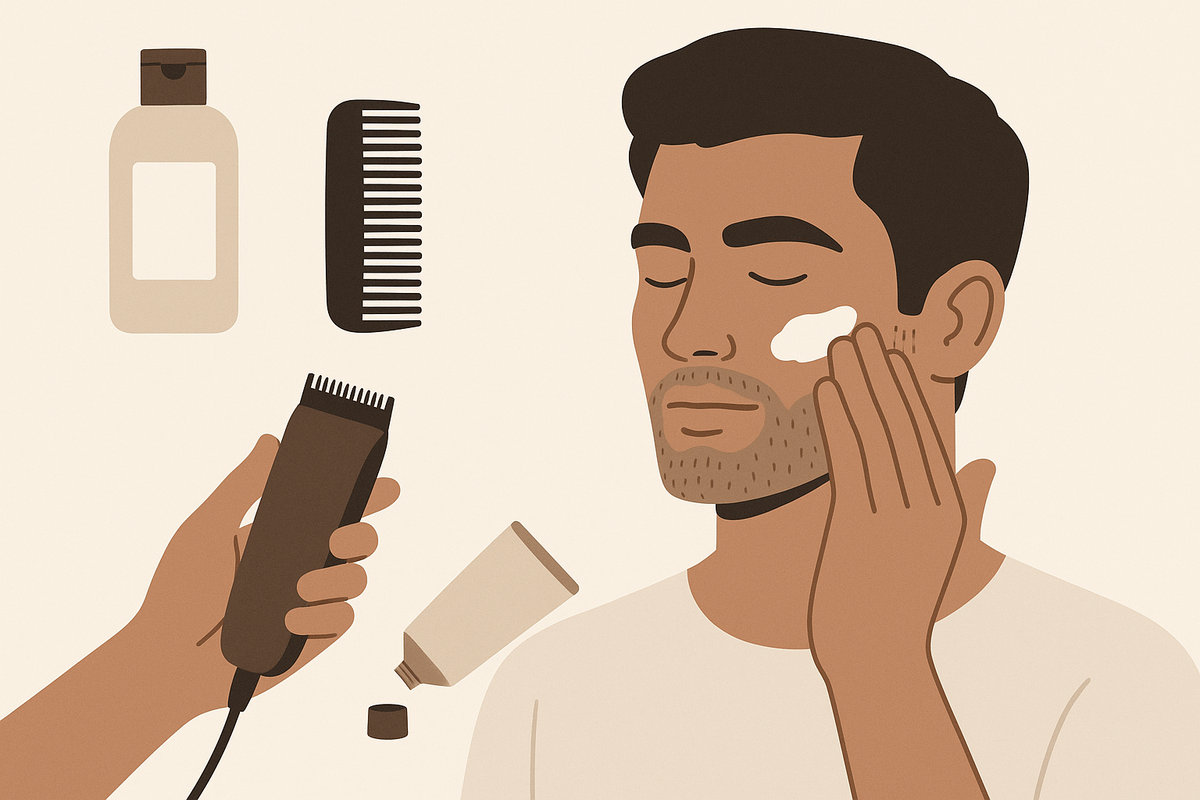
Not everyone’s beard grows evenly. Embrace grooming techniques like trimming to maintain a clean outline or opting for stubble styles that suit patchy growth. For instance, a 5 o’clock shadow look or light stubble can mask patchiness while appearing intentional. Alternatively, growing a goatee or soul patch may be a good option if sideburns or cheeks are sparse.
Proper skin care underneath also promotes healthier beard growth. Regular cleansing and exfoliating remove dead skin cells and prevent follicle blockage. Beard oils containing jojoba or argan oil hydrate skin and hair, reducing itchiness and flakiness.
Beard Maintenance Essentials
- Regular washing and conditioning to keep hair soft and skin healthy. Use beard shampoos that are gentle and formulated to maintain natural oils.
- Use beard oils and balms to hydrate and style, which also helps manage flyaways and adds subtle shine.
- Trim edges precisely to maintain shape, using quality trimmers or visiting a barber for professional shaping every few weeks.
- Comb or brush your beard daily to train hair direction and stimulate circulation.
Discover comprehensive grooming advice in our Grooming Tips for Men and Patchy Beard Guide, which include product recommendations and step-by-step tutorials.
Section 4: Body Composition, Posture, and Jawline Presentation
Reducing Face Fat to Enhance Jawline
Body fat distribution affects facial definition. Reducing overall body fat through balanced nutrition and exercise can slim the face, making your jawline more prominent. For example, a calorie deficit combined with regular cardiovascular exercise (like running, cycling, or swimming for 150 minutes per week) promotes fat loss. Strength training 2-3 times per week builds muscle, which raises metabolism and improves body composition.
Targeted facial fat reduction is not feasible, but as you lose overall body fat, the face slims proportionally. Monitoring changes with photographs every 2-4 weeks helps track progress.
Posture’s Impact on Appearance
Good posture opens the chest and lifts the chin, improving jawline visibility and projecting confidence. Practice mindful standing and sitting to avoid slouching and forward head posture, which can obscure jawline sharpness and create a tired appearance. Simple posture exercises include:
- Wall angels: Standing with back against the wall, raise and lower arms to improve scapular mobility.
- Chin tucks: Gently retracting the chin to align the head over the spine.
- Chest stretches: Opening tight pectoral muscles to prevent rounded shoulders.
Incorporate these exercises daily to retrain posture muscles. Even smartphone use can be optimized by holding devices at eye level.
Exercises to Strengthen Jaw and Neck
- Jawline exercises like chin lifts (tilting head back and holding) and neck stretches can tone muscles, potentially enhancing facial contours.
- Isometric exercises, such as pressing the tongue to the roof of the mouth while clenching the jaw, may engage facial muscles.
- Incorporate regular cardiovascular and strength training workouts to improve overall physique, which indirectly benefits facial appearance.
These holistic habits complement your grooming and style upgrades for a complete men's glow up. Consistency over weeks to months is essential for noticeable results.
Section 5: Hygiene and Daily Grooming Essentials
Oral Care and Breath Freshness
A bright smile and fresh breath are key to attractiveness. Brush twice daily using fluoride toothpaste to remove plaque and help prevent cavities. Floss at least once daily to clean between teeth and reduce gum inflammation. Use mouthwash with antibacterial ingredients to freshen breath and reduce oral bacteria.
If discoloration or staining is a concern, professional dental cleanings every 6 months help maintain brightness. At-home whitening products, such as whitening strips with hydrogen peroxide, can be used cautiously. Avoid excessive consumption of staining foods and drinks like coffee, tea, and red wine.
Body Hygiene and Skin Health
Daily showers with mild soap cleanse sweat and bacteria, helping prevent body odor and skin infections. Focus on underarms, feet, groin, and scalp, where bacterial or fungal growth is common.
Use deodorants or antiperspirants suited to your skin sensitivity. For example, aluminum-based antiperspirants reduce sweating but may irritate sensitive skin; in such cases, natural deodorants with baking soda or charcoal may be preferable.
Wear clean clothes daily, especially undershirts and socks, to prevent odors and infections.
Nail Care and Small Details
Well-trimmed nails and clean hands reflect attention to grooming. Keep nails short and clean to reduce the risk of dirt accumulation and infections. File rough edges to prevent snagging.
Moisturize hands regularly, especially in dry or cold climates, to avoid dryness or cracking. Cuticle care through gentle pushing back or moisturizing prevents hangnails.
These small details contribute to a polished appearance and signal good self-care habits.

Section 6: Style, Fit, and Wardrobe Upgrades
Investing in Well-Fitting Clothes
Clothing that fits your body shape flatters your silhouette and boosts confidence. Avoid overly baggy garments that hide your frame or overly tight clothes that restrict movement. Key areas to focus on include shoulder seams aligning with your shoulders, sleeves ending just at the wrist bone, and pants breaking slightly over shoes.
If off-the-rack clothing doesn’t fit perfectly, consider tailoring. Simple adjustments like hemming pants or taking in shirt sides can dramatically improve appearance. Tailoring is often affordable and worth the investment.
Color Coordination and Personal Style
Choose colors that complement your skin tone—warm skin tones suit earthy colors like olive, brown, and mustard, while cool tones look great in jewel tones like navy, burgundy, and emerald. Start with neutral basics such as white, black, gray, and navy, which pair easily with statement pieces.
Develop a personal style that matches your lifestyle and personality, whether classic, casual, or modern. Incorporate textures and patterns sparingly to add interest without overwhelming your look.
Footwear and Accessories
Polished shoes complete your outfit and signal attention to detail. Invest in versatile pairs like brown or black leather dress shoes and clean sneakers. Maintain footwear by regular cleaning and conditioning.
Minimal accessories such as watches, belts, and subtle jewelry enhance style without distraction. Prioritize quality over quantity to ensure longevity and style impact.
For detailed wardrobe advice, explore the How to Look More Attractive Man guide, which provides capsule wardrobe ideas and shopping tips.
Section 7: Teeth, Breath, and Smile Improvements
Dental Care Basics
Regular dental checkups and cleanings, ideally every 6 months, help prevent cavities, gum disease, and tooth decay. Early detection of issues like plaque or tartar buildup allows timely treatment, preserving oral health and appearance. Using an electric toothbrush can improve plaque removal and gum stimulation.
Teeth Whitening Options
Professional whitening performed by dentists uses stronger agents and can produce more noticeable results in a single session. At-home kits, like custom trays or whitening strips, offer gradual improvements and can be cost-effective.
Maintain whiteness by avoiding staining foods and smoking. If sensitivity arises during whitening, reduce frequency or consult your dentist.
Confidence in Your Smile
Practice smiling naturally in front of a mirror to find your best expression. Relax your face, avoid forced smiles, and try slight head tilts to discover flattering angles. A genuine smile enhances approachability and attractiveness.
Remember that oral health is foundational to smiling confidently—fresh breath and clean teeth are essential.
Section 8: Tracking Your Glow Up Progress With AI Tools
Benefits of AI-Powered Look Analysis
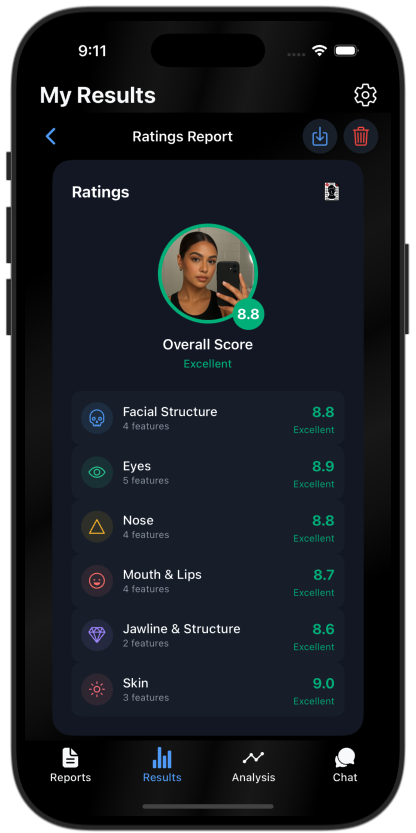
Tracking your transformation objectively can help identify strengths and areas to improve. AI tools analyze facial symmetry, skin quality, jawline definition, and more for personalized advice. Such analysis may reduce bias and provide measurable metrics, allowing targeted interventions.
For example, AI may highlight asymmetries in your jawline or skin tone irregularities, suggesting specific grooming or skincare adjustments. It can also recommend hairstyle or beard styles based on facial structure.
Using Maxx Report for Personalized Plans
Maxx Report offers AI-driven reports rating your looks and delivering tailored glow-up and grooming plans. By uploading photos, you receive scores on various aesthetic metrics and actionable tips prioritized by impact. This data-driven approach can maximize your efforts and track progress effectively through side-by-side comparisons and visual progress charts.
Maxx Report also integrates style advice, grooming routines, and workout recommendations, creating a comprehensive roadmap. Personalized notifications and reminders help maintain consistency.
Consistency and Patience
Remember, glow ups take consistent effort over weeks and months. Use tools like Maxx Report to stay motivated and make informed adjustments. Set realistic goals, track improvements, and celebrate milestones to sustain momentum. Combining subjective feelings of confidence with objective data creates a balanced growth experience.
Conclusion
A successful men's glow up combines simple skincare, tailored hair and beard grooming, fitness habits, hygiene, and style upgrades. Prioritize foundational habits first—like skincare and posture—to see early wins that boost confidence. Then layer on personalized haircut and beard styles to complement your face shape, while maintaining grooming essentials daily.
Remember that consistency is key, and leveraging innovation like AI-powered tools from Maxx Report can provide personalized insights and help keep your transformation on track. Start your glow up journey today with realistic, actionable steps for lasting impact. Document your progress, stay patient, and embrace the process—not just the results.
FAQ
Q: What is the fastest glow-up for men?
A: The fastest glow-up focuses on improving skin health with a simple routine, getting a flattering haircut, grooming facial hair appropriately, and maintaining good hygiene. These changes can quickly elevate your appearance and confidence. For example, adopting a twice-daily cleansing routine, scheduling a professional haircut, and using deodorant daily may yield noticeable improvements within days.
Q: What are the most important things to improve first in a men’s glow up?
A: Start with skincare to clear and hydrate your skin, then fix your hairstyle and grooming to suit your face shape. Following that, improve posture and fitness to enhance facial definition and overall presence. Addressing these pillars creates a strong foundation before focusing on style or accessories.
Q: How can a man glow up naturally?
A: Natural glow ups rely on consistent habits like cleansing and moisturizing skin, eating balanced diets rich in vitamins and minerals (such as vitamin C and zinc), exercising regularly to improve body composition, grooming facial hair neatly, and wearing well-fitted clothes. Avoiding smoking, excessive alcohol, and managing stress also contribute to natural radiance.
Q: What haircut should I get for my face shape?
A: Haircuts should complement your face shape — for instance, add height for round faces or soften angles for square faces. Use tools like the AI Face Shape Test from Maxx Report for personalized hairstyle recommendations. Consulting a skilled barber who understands face shapes can also guide you to styles that fit your lifestyle and maintenance preferences.
Q: How do I glow up if I have facial hair or a beard?
A: Choose beard styles that balance your face shape, maintain regular trimming, keep your beard clean and moisturized, and incorporate skincare to promote healthy hair growth and skin beneath. Use beard oils or balms to reduce dryness and improve texture. If growth is patchy, consider styles like stubble or goatees that suit your pattern.
Q: How do I glow up if I’m bald or losing hair?
A: Emphasize grooming with clean-shaven or well-maintained stubble looks, focus on skincare to keep scalp healthy, and upgrade style and posture to project confidence. Accessories like hats or glasses can also enhance your style. Regular scalp massages and moisturizing the scalp can improve skin health, while embracing your hair status with confidence is important.