
Find Your Undertone: The Complete Guide to Skin Undertone Tests
Learn how to find your undertone with easy at-home tests. Discover the difference between warm, cool, neutral, and olive undertones for perfect color matches.

Estimated reading time: 14 min
Key Takeaways
- Understanding how to find your undertone is essential for choosing flattering makeup, clothes, and hair colors.
- Skin undertones include warm, cool, neutral, and olive—each with distinct characteristics.
- Simple at-home undertone tests like the vein, jewelry, and white T-shirt test can reveal your undertone.
- Matching foundation and clothing colors to your undertone enhances your natural glow.
- Apps like Maxx Report can help analyze your undertone and recommend personalized style upgrades.
Table of Contents
- Section 1: What Is a Skin Undertone?
- Section 2: The Four Types of Skin Undertones Explained
- Section 3: At-Home Tests to Find Your Undertone
- Section 4: Olive Undertone – The Unique Fourth Category
- Section 5: Matching Foundation and Makeup to Your Undertone
- Section 6: Best Clothing Colors for Each Undertone
- Conclusion
- FAQ
Section 1: What Is a Skin Undertone?
Defining Undertone vs. Skin Tone
Before you can find your undertone, it’s crucial to distinguish between skin tone and skin undertone. Your skin tone is the surface color of your complexion—light, medium, tan, or deep. This can change with sun exposure, skincare routines, or even illness. For example, a person may have fair skin tone in winter and become medium or tan in summer due to increased sun exposure, yet their undertone remains the same. In contrast, your undertone is the subtle hue beneath the surface that remains constant over time. This underlying shade is what influences how colors look against your skin, regardless of how light or dark your skin becomes.
Why Undertone Matters
Knowing your undertone unlocks a world of beauty and style advantages. It helps you:
- Pick foundation that disappears seamlessly into your skin—no more lines or mismatched makeup.
- Choose makeup shades (blush, lipstick, eyeshadow) that make you look vibrant, not washed out or overly dramatic.
- Select clothing colors that enhance your natural glow, making you appear healthier and more energetic.
- Find complementary hair color and accessories that harmonize with your complexion—making features pop subtly or boldly as you prefer.
Understanding how to find skin undertone is the foundation of any successful personal style or beauty routine. For example, someone with a cool undertone can instantly look fresher in a blue-toned red lipstick, while a warm undertone will shine with coral shades. When you know your undertone, you shop smarter and waste less money on products that don’t suit you.
The Science Behind Undertones
Undertones are determined by genetics and the mix of melanin, carotene, and hemoglobin in your skin. These three pigments create unique undertone shades:
- Melanin gives brown and black hues and is responsible for how deeply pigmented your skin is, but doesn’t dictate undertone.
- Carotene imparts yellow and orange hues, subtly affecting people with warmer undertones.
- Hemoglobin brings pink and red tones, more visible in cool undertones.
Everyone, regardless of ethnicity or skin color, has an undertone—it just takes a bit of detective work to discover whether yours is warm, cool, neutral, or olive. Undertones can even be present in the deepest or fairest skin, making them a universal aspect of beauty analysis. Dermatologists and professional makeup artists rely on undertones to recommend treatments, products, and even cosmetic procedures tailored for individual harmony.
Section 2: The Four Types of Skin Undertones Explained
Warm Undertone
People with warm undertones have a golden, yellow, or peachy hue beneath their skin. If you tan easily, look radiant in earthy shades, or gold jewelry flatters you, you likely fall into this category. Warm undertones can be found across all ethnicities, but are especially common among those with Asian, Mediterranean, and Latin backgrounds. Additional signs include looking healthier in off-white or cream compared to pure white, and having eyes with flecks of gold or hazel. Makeup with yellow or peach bases will enhance your glow, while blue-based shades may appear stark or ashy. When shopping for foundation, look for shade names like "golden," "honey," or "warm beige."
Cool Undertone
Cool undertones mean your skin has hints of blue, pink, or red beneath the surface. Fair skin that burns quickly, or looks best in jewel tones and silver jewelry, often signals a cool undertone. People with cool undertones may also notice that pure white clothing brightens their appearance, whereas ivory or cream can make them look dull. Eyes are often blue, gray, or deep brown with cool flecks. Foundations labeled "porcelain," "rose," or "cool beige" are typically a strong match. Blush in soft pinks and lipsticks with blue undertones will complement cool skin beautifully.
Neutral Undertone
Neutral undertones sit between warm and cool, blending both golden and pink hues. If both gold and silver jewelry look equally good on you, and many colors are flattering, you’re likely neutral. Neutral skin may appear olive, beige, or a soft brown, without a clear dominance of yellow or pink. People with neutral undertones can wear a wide palette of colors, from warm earth tones to cool jewel shades, and often have more flexibility with makeup and clothing. Neutral undertones often find that foundation shades labeled "neutral," "beige," or "buff" match best, and both peachy and pink blushes can look natural.
Olive Undertone
Olive undertones are unique—a mix of neutral or warm with a subtle greenish tint. Olive skin can look sallow with the wrong makeup or clothes, so identifying this undertone is key for people of Mediterranean, Middle Eastern, or South Asian descent. Olive undertones are sometimes described as having an "ashy" or "gray" hue in certain lighting. If you struggle to find a foundation that doesn't make you look orange, pink, or yellow, you might be olive. Olive undertone can make certain colors pop, like burgundy, teal, and muted greens, while pastels and neon shades may wash you out. More on olive undertones in Section 4.
For a deeper understanding of how your undertone shapes your overall look, check out our post on the Face Shape Quiz with AI Analysis.
Section 3: At-Home Tests to Find Your Undertone
The Vein Test
One of the simplest undertone tests is the vein test. Find a spot on your inner wrist with natural light and look at your veins:
- Blue or purple veins: Usually indicate a cool undertone.
- Green veins: Suggest a warm undertone (the yellow in your skin makes blue veins look green).
- Both blue and green veins or hard to decide: Neutral undertone.
Remember, this isn’t a perfect science—darker skin tones may find veins harder to see. Try checking at your temples or neck if your wrist veins aren’t visible. For accuracy, always use sunlight or daylight bulbs, as artificial yellow lighting can distort colors.
The Jewelry Test
This classic technique uses accessories to discover what is my undertone:
- Gold jewelry: Looks best on warm undertones, making skin look luminous and healthy.
- Silver jewelry: Pops on cool undertones, bringing out clarity and brightness in the skin.
- Both look equally flattering: Likely a neutral undertone; neither metal clashes with your skin, and you can mix and match.
Try holding both metals to your face in daylight and notice which one adds vibrancy. Pay attention to which metal makes your skin look more radiant and your eyes brighter. If you own rose gold jewelry, this shade often flatters neutral and olive undertones.
The White T-Shirt or Paper Test
Stand in natural light with a plain white T-shirt or sheet of paper held up to your face. Observe your reflection:
- Yellow, golden, or peachy reflection: Warm undertone. Your skin appears glowing and healthy.
- Pink, rosy, or bluish reflection: Cool undertone. Your complexion looks fresh and bright.
- No obvious cast or a mix: Neutral undertone. Your skin looks balanced, with no yellow or pink dominance.
This undertone test can be especially revealing for those who struggle with the jewelry or vein method. If you find pure white makes you look washed out, but ivory is flattering, you’re likely warm. If white brightens you but ivory dulls you, you’re likely cool.
Nail Bed Tone Analysis
Look at the natural color of your nail beds (without polish):
- Peachy, yellowish, or golden nail beds: Warm undertone.
- Pink or bluish nail beds: Cool undertone.
- Neither stands out: Neutral undertone. The color is more beige or unremarkable.
This subtle test can confirm your results from other methods, especially if your skin tone is difficult to read due to tanning or redness.
Foundation Swatch Test
This is the gold standard if you wear makeup. Apply a stripe of warm, cool, and neutral foundation shades along your jawline. The shade that disappears without blending is your match—and hints at your undertone. Many brands label shades with a W (warm), C (cool), or N (neutral) for easier selection. Some newer brands, especially those focused on inclusivity, offer olive-specific shades (often marked with O or Ol). In-store, always step outside or near a window to check the match in daylight. If you find yourself mixing two shades to get a perfect match, you may be neutral or olive.
Sun Reaction Test
How does your skin react to sun exposure?
- Burns easily, rarely tans: Cool undertone. Skin may turn red before returning to its natural color.
- Tans quickly, rarely burns: Warm undertone. Skin deepens in color smoothly.
- Burns then tans or both: Neutral or olive undertone. Olive skin, in particular, often tans easily but may look ashen during illness or fatigue.
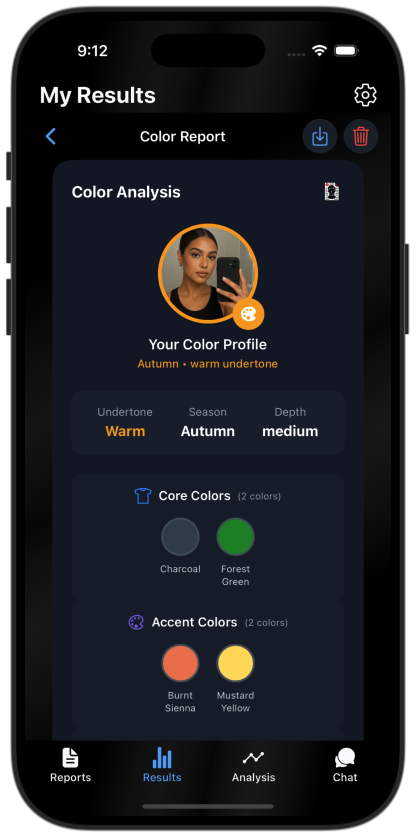
Keep in mind, sunscreen use and genetics also affect how your skin reacts to sunlight. If you’re still unsure, advanced tools like Maxx Report use AI-powered color analysis to help find your undertone with precision, combining multiple tests for the most accurate result. The app can analyze your selfie, compare it to hundreds of skin tone examples, and recommend products and clothing colors tailored to your unique undertone.
Section 4: Olive Undertone – The Unique Fourth Category
What Is Olive Undertone?
Olive undertones are less common and often misunderstood. Unlike warm or cool, olive undertones have a greenish or grayish cast beneath the skin, sometimes with both warm and muted qualities. People with olive skin may struggle to find foundation that doesn’t look too orange or pink. The unique mix of yellow and green pigments in the skin gives olive undertones their signature muted appearance.
Olive skin is sometimes referred to as "Mediterranean skin," but it’s found in people from all over the world. A key challenge for those with olive undertones is that standard warm or cool makeup shades can make skin look dull, muddy, or off-balance. High concentrations of melanin, combined with a greenish hue, can also make certain colors (like pastel pinks or yellows) clash or appear "off" on the face.
How to Know If You Have an Olive Undertone
- Your skin sometimes looks slightly green or sallow in certain lighting, especially under fluorescent bulbs.
- Most foundations appear too pink, yellow, or orange on your face. Even those labeled "neutral" may not blend perfectly.
- Both gold and silver jewelry work, but neither feels perfect. Rose gold or muted metallics might be more flattering.
- You tan easily but may look ashen if sick or tired, and your skin can appear gray or muddy when wearing the wrong colors.
Olive undertone is most common in people of Mediterranean, Middle Eastern, and South Asian descent, but it can appear in any ethnic background. Celebrities with olive undertones include Zendaya, Salma Hayek, and Dev Patel. Their makeup artists often choose olive-based foundations and earthy makeup to enhance their natural beauty.
Foundation Matching for Olive Skin
Choosing foundation for olive undertone can be a challenge. Look for formulas labeled specifically for olive or neutral-olive skin. Shades with a subtle green or muted base usually blend best. Some brands now offer "olive" labeled shades, while others recommend mixing neutral and yellow-based colors. When testing, always swatch on your jaw and check in natural light. Consider these tips:
- Test foundation on your jaw and check in natural light. Avoid relying on store lighting, as it often adds a yellow or pink cast.
- If a shade looks too yellow or pink, try a more muted or olive-based color. Many people with olive undertones find the perfect match by blending two shades from the same brand.
- Powder bronzers with a greenish-gray base can help adjust undertone if needed. Avoid orange-toned bronzers or blushes, as they can clash with olive skin.
- When in doubt, bring a friend or use a digital tool like Maxx Report for a second opinion.
For more on how facial features and symmetry impact your look, see our guide on the Golden Ratio Face.
Section 5: Matching Foundation and Makeup to Your Undertone
Foundation for Warm, Cool, Neutral, and Olive Undertones
- Warm: Choose foundations labeled W, warm, golden, or yellow. Peachy or honey shades work well. Brands like MAC (NC series), Fenty Beauty, and Maybelline Fit Me offer a variety of warm options.
- Cool: Look for C, cool, pink, or rosy-toned formulas. Avoid yellow-based shades. Try brands like MAC (NW series), NARS, and L'Oréal True Match.
- Neutral: Opt for N, beige, or balanced tones. These blend pink and yellow for a natural finish. Many brands now offer "neutral" labeled shades for flexibility.
- Olive: Seek olive-specific shades or mix neutral and yellow. Muted greens or gray-based options work best. Check out brands like Estée Lauder Double Wear (with olive options), or specialized lines like Kosas and Makeup Forever.
Always let foundation dry for several minutes before assessing the match, as formulas can oxidize and shift color on your skin. If you’re between shades, consider adjusting with color-correcting drops or blending two foundations.
Makeup Shades for Each Undertone
- Warm: Coral, peach, orange-red lipsticks; bronze and gold eyeshadows; warm brown blush. For highlighters, opt for champagne or gold tones.
- Cool: Berry, rose, blue-red lipsticks; cool taupe or plum eyeshadows; pink blush. Cool-toned highlighters like icy silver or pearl will add radiance.
- Neutral: Mauve, soft pink, caramel, or beige makeup shades flatter. You can experiment with both warm and cool tones in makeup.
- Olive: Terracotta, muted berry, olive green, and brick reds; avoid overly yellow or pink hues. Earthy tones, mauves, and deep plums can look especially striking. Green or bronze eyeliner can make olive undertones pop.
For eyeshadow, consider your eye color and undertone together: olive undertones with brown or hazel eyes stand out in mossy green or bronze, while cool undertones with blue eyes shine in silver and gray.
How to Test Foundation on Jawline
Always test foundation along your jaw—not your wrist or hand, as these areas can be a different color due to sun exposure or dryness. Blend three stripes (warm, cool, neutral) and check in daylight. The right shade will disappear into your skin with no visible line. Don’t forget to check the foundation’s appearance after 15-30 minutes, as some formulas oxidize and may get darker or warmer after exposure to air.
For a digital approach to color matching and beauty optimization, explore the Digital Makeover with AI for step-by-step guidance. Apps like Maxx Report can virtually swatch foundation, blush, and lipstick to show how they harmonize with your undertone before you buy.
Section 6: Best Clothing Colors for Each Undertone
Warm Undertone Clothing Colors
- Earthy shades: camel, olive, orange, brown, mustard
- Warm reds, corals, peach, and gold
- Ivory and cream instead of stark white
These colors bring out the golden glow in your skin. Warm undertones should avoid cool blues and icy shades, which may overpower your natural warmth. If you’re unsure, drape a scarf or shirt in these colors near your face and see which makes your eyes and complexion look brighter. Accessories in gold, bronze, or copper also enhance your look.
Cool Undertone Clothing Colors
- Jewel tones: sapphire, emerald, amethyst
- Blue, pink, lavender, icy gray, and pure white
- Silver accessories and accents
These hues enhance pink and blue undertones. Cool undertone individuals should be cautious with orange, yellow, or warm brown shades, which can make skin look sallow. Try pairing cool colors with clear, bright whites and silvers for a crisp, fresh appearance. Pastel blues, mint, and lilac also work beautifully for cool skin.
Neutral Undertone Clothing Colors
- Versatile: jade green, blush pink, teal, taupe, and soft rose
- Both gold and silver jewelry
- Medium shades—not too bright or muted
Most colors suit you, so experiment with a variety. Neutrals can wear both warm and cool tones, so try combining them for sophisticated color-blocking. Avoid extreme neons or overly muted shades, which can wash you out. Neutral undertones shine in balanced tones like dusty mauve, olive green, and powder blue.
Olive Undertone Clothing Colors
- Muted earth tones: moss, forest, burgundy, terracotta
- Teal, warm gray, soft yellow, and burnt orange
- Steer clear of neon and pastel shades
These colors complement olive skin’s subtle greenish undertone. For olive undertones, stick to rich, muted shades—think autumn colors and jewel tones with a dusty or smoky finish. Avoid icy pastels, which can clash with your greenish hue, and be wary of pure yellow or pink. Metallics like antique gold or oxidized silver are more flattering than stark, shiny metals.
If you’re building a wardrobe that highlights your undertone, consider reading how AI can help with personal style in AI Fashion Consultant.
Conclusion
Learning how to find your undertone is the first step to a more confident, polished, and harmonious personal style. Whether you have a warm, cool, neutral, or olive undertone, understanding your unique skin signature empowers you to make smarter choices in makeup, fashion, and hair color. Try the vein, jewelry, and foundation tests at home, and experiment with recommended shades—soon, you’ll notice how the right colors make you look brighter and more refreshed. For next-level analysis and glow-up plans tailored to your undertone and features, check out Maxx Report and experience AI-powered beauty transformation first-hand. Remember: your undertone doesn’t limit your style, but knowing it gives you a powerful tool to highlight your natural beauty every day.
FAQ
Q: How do I find my skin undertone at home?
A: Use the vein test (check wrist veins in daylight), jewelry test (compare gold vs. silver against your skin), white T-shirt or paper test, nail bed analysis, and foundation swatch method on your jawline. Doing several tests gives the most reliable answer.
Q: What are the 4 types of skin undertones?
A: The four types are warm (golden/yellow), cool (pink/blue), neutral (balanced mix), and olive (greenish/grayish). Each has unique color matches for makeup and clothes.
Q: Is my undertone warm or cool if my veins look green?
A: Green-looking veins typically indicate a warm undertone, since yellow skin undertone mixes with blue veins to appear green. If you see both green and blue, you may be neutral.
Q: Which jewelry color matches my undertone?
A: Gold jewelry flatters warm undertones, while silver suits cool undertones. If both look great, you likely have a neutral undertone.
Q: How do I know if I have an olive undertone?
A: Olive undertones show a subtle green or gray tint in the skin, often look sallow in the wrong foundation, and may tan easily. Foundations for olive or muted neutrals generally work best.
Q: What foundation shade is best for my undertone?
A: Warm undertones need golden or yellow-based shades, cool undertones look best in pink/rosy shades, neutral undertones use balanced beige, and olive undertones require muted or olive-specific options. Always test on your jawline in natural light.