Hairstyle for My Face Shape: The Ultimate Guide to Your Perfect Cut
Discover the best hairstyle for your face shape with expert tips, AI tools, and a complete guide for every face type—oval, round, square, heart, and more.
Estimated reading time: 13 min
Key Takeaways
- Finding the right hairstyle for your face shape is key to enhancing your best features.
- Face shapes include oval, round, square, heart, diamond, oblong, triangle, and pear.
- Different haircuts, lengths, and bang styles work best for each face type.
- AI-powered tools like Maxx Report offer personalized hairstyle and beauty recommendations.
- Professional tips can help soften, elongate, or balance your face proportions for any gender.
Table of Contents
- Section 1: How to Determine Your Face Shape
- Section 2: The Four Primary Face Shapes and Their Best Cuts
- Section 3: Extended Face Shape Categories and Nuanced Guidance
- Section 4: Hairstyles, Lengths, and Bangs for Every Face Shape
- Section 5: Hairstyles and Cuts to Avoid by Face Shape
- Section 6: Texture, Styling, and Professional Tips for Face Balancing
- Conclusion
- FAQ
Section 1: How to Determine Your Face Shape
Using the Mirror Tracing Method
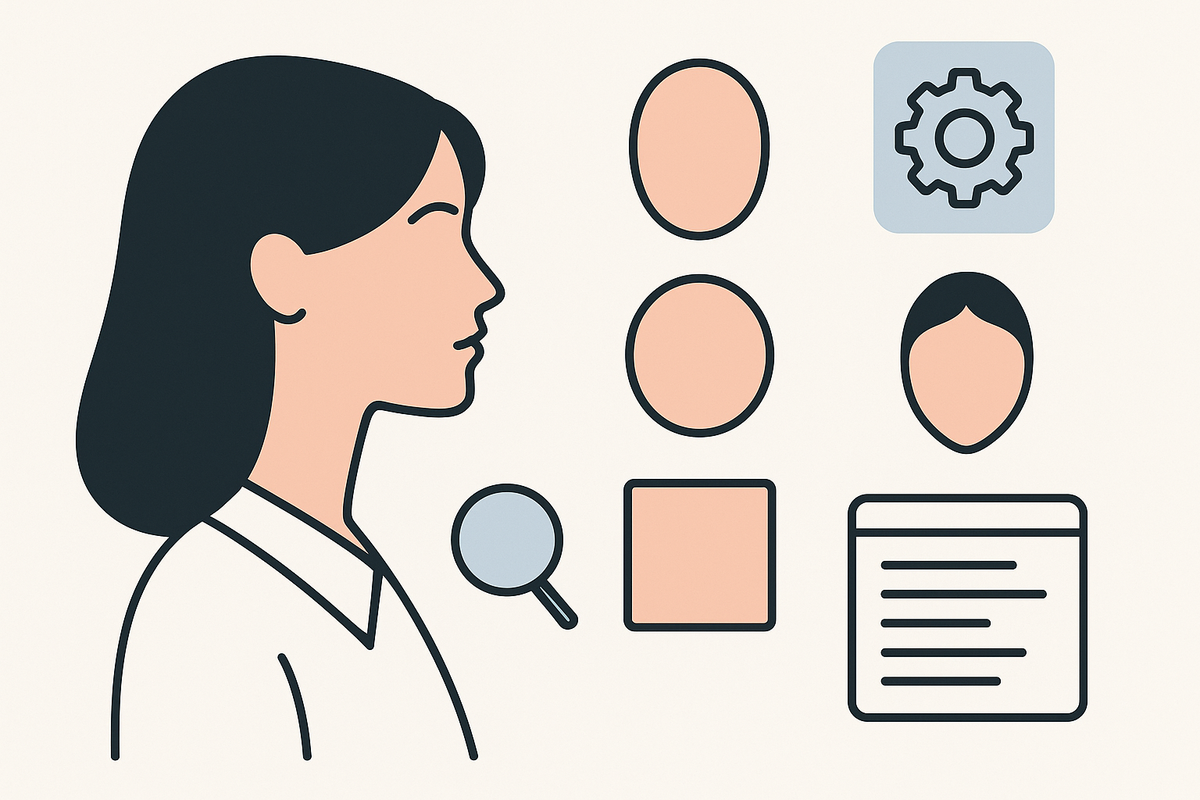
One of the simplest ways to find the best hairstyle for your face shape is to determine your actual shape first. The classic method is to stand in front of a well-lit mirror, pull your hair back, and trace the outline of your face with a washable marker or lipstick. Focus on the widest points (cheekbones, jawline, forehead) and your chin shape. Step back and examine the outline: Is it rounded, squared, longer, or pointed?
- Round: Width and length are similar, with soft curves.
- Oval: Slightly longer than wide, gently rounded.
- Square: Jaw and forehead roughly equal width, strong angles.
- Heart: Wide forehead, narrow jaw/chin, sometimes a widow’s peak.
For best results, make sure to stand directly in front of the mirror with your chin parallel to the ground. If you have trouble seeing your natural hairline, use a headband to pull back any stray hairs. After tracing, you can compare your outline to face shape charts online or in beauty magazines for a quick reference. Many professional stylists use this method as a first step during client consultations, often supplementing with precise facial measurements for accuracy.
Selfie Outlining and AI Detectors
If you prefer tech, take a straight-on selfie with your hair pulled back. Use photo editing apps to outline your face or upload it to an AI-powered analyzer. Tools like Maxx Report use advanced facial recognition to assess jawline, facial proportions, and symmetry, then suggest your most likely face shape based on data.
- AI tools offer greater accuracy for subtle shapes (diamond, oblong, triangle).
- Combining manual and AI results gives the most reliable answer.
Maxx Report’s AI, for example, analyzes the width of the forehead, cheekbones, and jawline, as well as the length of your face, using machine learning models trained on thousands of real-world examples. This makes it easier to differentiate between similar shapes such as oval and oblong, or heart and diamond. AI-based analysis can also suggest potential face shape combinations or secondary influences (like a heart-oval hybrid) that manual tracing may not catch. If you’re unsure after manual tracing, uploading your image to an AI tool can offer a quick second opinion—particularly useful if your features are not a textbook match for any single category.
Key Facial Measurements
Measure these with a ruler or soft tape:
- Forehead width (hairline to hairline)
- Cheekbone width (widest point)
- Jawline width (corner to corner)
- Face length (hairline to chin)
Compare ratios to online charts or run them through a face shape quiz—try the Face Shape Quiz for a data-driven approach.
For example, if your face length is roughly equal to your cheekbone width and your jawline is soft and rounded, you likely have a round face. If your face length is significantly greater than your width and your features are softly curved, you might have an oval shape. A square face will have equal width at the forehead, cheekbones, and jaw, with a strong, angular jawline. These measurements help you get objective data, which is especially helpful if you feel your features are a mix between two categories. Some face shape quizzes use these ratios and even factor in your unique features, like a widow’s peak or pointed chin, for greater accuracy.
Section 2: The Four Primary Face Shapes and Their Best Cuts
Oval Face Shape: The Versatile Canvas
The oval face shape is considered the most adaptable for hairstyles. With balanced proportions and gently rounded features, most cuts and lengths work well. The best haircut for face shape oval can range from sleek bobs, long layers, to pixie cuts. The key is to avoid heavy bangs or styles that cover the face, as these can hide your natural symmetry.
- Best: Lobs, waves, blunt bobs, curtain bangs, classic pixie
- Avoid: Heavy, straight-across bangs, styles that elongate face further
For example, a blunt bob at chin length can highlight your facial symmetry, while a long, layered cut adds movement and frames the face without overwhelming it. Curtain bangs—a softly parted fringe—work especially well, as they accentuate cheekbones without hiding the forehead. If you prefer short hair, a classic pixie or a textured crop will flatter your features and add a modern edge. Avoid super-long, poker-straight hair with a center part, as this can elongate your face unnecessarily, and avoid thick, heavy bangs that cover your eyebrows or eyes, as they break up your natural symmetry.
Round Face Shape: Adding Angles and Length
A round face benefits from styles that create the illusion of length and structure. The best haircut for round face typically involves long layers, side parts, and volume at the crown. Asymmetrical bobs or angular lobs can help sharpen soft features.
- Best: Long waves, layered cuts, side-swept bangs, angled bobs
- Avoid: Chin-length bobs, blunt cuts, full round bangs
For instance, a side part can visually elongate your face, while long, face-framing layers slim the sides and add vertical lines. Asymmetrical bobs—where one side is longer than the other—create angles and break up roundness. Side-swept bangs also work well, drawing the eye diagonally and balancing width. Avoid chin-length bobs, as they cut across the widest part of your face, and avoid thick, full bangs that shorten your facial appearance. If you want to keep your hair short, opt for a textured pixie with volume on top to add height.
Square Face Shape: Softening Strong Angles
Square faces feature a broad jawline and equally wide forehead. The goal is to add softness—think textured layers, soft waves, and side-swept styles. Wispy or curtain bangs can complement the face by drawing attention to the eyes and cheekbones.
- Best: Long, layered waves; deep side parts; textured lobs
- Avoid: Blunt jaw-length bobs, straight-across heavy bangs
Try long, tousled waves that create movement and soften your jawline. A deep side part shifts focus away from the squareness, and curtain bangs that hit slightly below the eyebrows add a gentle, face-framing effect. Layered lobs ending just above or below the jaw help break up angular lines. Avoid thick, blunt bobs that end at the jaw, as these can make your features appear boxier. Steer clear of thick, straight-across bangs, which draw attention to the width of your forehead.
Heart Face Shape: Balancing a Wider Forehead
Heart-shaped faces have a prominent forehead and narrow chin. The best styles create width at the jaw and soften the upper face. Side-swept bangs, long bobs, and chin-length cuts work especially well. Avoid styles that add volume at the top.
- Best: Side-parted waves, soft layers, curtain or side bangs
- Avoid: Short, blunt bangs, high top knots
For example, a long bob ending at the chin adds fullness at the jaw, balancing your narrower chin. Soft, side-swept bangs break up the width of your forehead, while gentle layers add movement and soften your overall silhouette. Try avoiding styles that create height at the crown, like top knots or high ponytails, as these exaggerate the upper part of your face. For those with a pronounced widow's peak, curtain bangs or a soft fringe can work wonders.
Section 3: Extended Face Shape Categories and Nuanced Guidance
Diamond Face Shape
Diamond faces are widest at the cheekbones with a narrow forehead and jawline. The goal is to soften the cheekbones and add width at the forehead or chin. Styles like chin-length bobs, textured pixies, and side-swept fringes are ideal.
- Try: Messy bobs, layered shags, deep side parts
- Avoid: Styles that tuck hair behind ears, exposing cheekbones
For diamond shapes, a textured bob with soft waves can add volume around the chin and forehead, balancing your strong cheekbones. Deep side parts draw attention to your eyes and break up symmetry, while layered shags offer a relaxed, effortless look. Avoid slicked-back or tightly pulled-back styles that expose your cheekbones, as these can make your face look even more angular. If you prefer shorter hair, a tousled pixie with a side fringe works well to create softness at the temples.
Oblong/Rectangular Face Shape
Oblong faces are long and narrow. Shorter cuts, bobs, and styles with volume at the sides help create balance. Avoid long, straight hair that elongates the face further.
- Try: Shoulder-length cuts, curtain bangs, layered waves
- Avoid: Ultra-long, straight hair, high-volume crowns
Shoulder-length styles with plenty of movement are best, as they break up length and add width. Curtain bangs or a soft, full fringe help visually shorten the face. Layered waves at cheekbone level create horizontal lines, making your face appear less elongated. Avoid poker-straight, waist-length hair or top-heavy volume, as these styles can emphasize face length. Shorter, choppy bobs also work well, especially when paired with side-swept bangs.
Triangle & Pear Face Shapes
These shapes have a narrow forehead and wider jaw. The best haircut for this face shape focuses on balancing the jaw with volume at the temples or crown. Wispy bangs, layers, and short-to-medium styles are most flattering.
- Try: Textured pixies, side bangs, shoulder-length waves
- Avoid: Blunt chin-length cuts, heavy jaw-focused styles
For triangle or pear shapes, opt for styles that add volume above the ears and at the temples. A layered bob or lob that ends just above the jaw helps to balance width. Side-swept bangs pull attention upward and away from the lower face. Avoid styles that accentuate the jaw, such as blunt chin-length bobs or heavy, one-length cuts. For extra lift, try tousling the roots with a volumizing spray.
How AI Analysis Refines Face Shape Categories
AI-powered tools like Maxx Report can pinpoint subtle distinctions between similar shapes, recommending not only the best hairstyle by face shape but also personalized tweaks based on your proportions, symmetry, and even skin tone. For more on the science behind this, see Golden Ratio Face: The Science of Perfect Facial Proportions.
Unlike manual charts, AI analysis takes into account subtle curves, asymmetries, and even how your features interact with specific hair textures. For example, if you have a diamond face with slightly rounded jaw corners, the AI may recommend a broader range of styles than a strict chart. The Maxx Report platform goes further by factoring in your eye spacing, nose width, and even your head’s profile in 3D, offering recommendations for both everyday and special-occasion looks. This level of detail helps you avoid the "one size fits all" trap and maximizes your natural beauty.
Section 4: Hairstyles, Lengths, and Bangs for Every Face Shape
Best Hair Lengths for Each Face Shape
- Oval: Any length works—experiment with lobs, long hair, or pixies.
- Round: Longer lengths elongate the face; avoid chin-length cuts.
- Square: Medium to long layers soften angles; avoid boxy bobs.
- Heart: Chin- to shoulder-length is ideal; avoid short, blunt cuts.
- Oblong: Short to medium with volume at sides; avoid extra long.
- Diamond: Chin-length or shoulder-length, with layering.
For oval faces, you might try a shoulder-length lob for a polished look or a textured pixie for something bold. Round faces look best with hair extending below the chin—think long, face-framing layers. Square faces look great with medium-length cuts that sit just below the jaw, with gentle layers to soften the angles. Heart shapes shine with chin-length bobs and soft, layered waves. Oblong faces should keep hair above the shoulders or add width with waves. Diamond faces suit chin-length bobs, layered shags, or shoulder-length cuts with movement.
Bangs by Face Shape
- Oval: Try curtain or side-swept bangs for versatility.
- Round: Wispy, side bangs, or curtain bangs to create angles.
- Square: Wispy, feathered, or curtain bangs to soften jaw.
- Heart: Side-swept or curtain bangs to balance forehead.
- Oblong: Full, blunt, or curtain bangs to shorten face.
- Diamond: Side-swept or curtain bangs to widen forehead.
Bangs can make a dramatic difference in face shape perception. For round faces, side-swept or curtain bangs break up width and create the illusion of length. Square faces benefit from wispy, textured bangs that soften strong lines at the forehead and jaw. Heart-shaped faces often look best with curtain bangs or long, side-swept fringes, both of which balance a broader forehead. Blunt bangs work well for oblong faces, as they visually "shorten" the face, while diamond faces look great with side-swept or curtain bangs to add width at the temples.
Specific Hairstyles for Each Shape
Some popular, universally flattering options:
- Bobs and Lobs: Perfect for oval, square, and diamond faces.
- Long Layers: Work on round, heart, and square faces to add movement.
- Textured Pixies: Great for square, triangle, and diamond shapes.
- Waves: Add softness for most face shapes.
Certain hairstyles transcend individual face shapes. For example, a classic bob suits both oval and square faces, provided the ends are softened with texture. Long, face-framing layers work for round, square, and heart faces by adding verticality and movement. Textured pixie cuts offer bold style for square, diamond, and triangle faces, especially when styled with volume at the crown or tousled for softness. Loose waves are universally flattering—they add width to long faces, soften angles in square shapes, and provide texture for heart or diamond shapes. When in doubt, these versatile styles are a safe starting point for most people seeking a flattering cut.

For even more tailored suggestions, get an instant AI hairstyle analysis with Maxx Report—it assesses your features and recommends styles that maximize your unique beauty.
Section 5: Hairstyles and Cuts to Avoid by Face Shape
Common Mistakes for Each Face Shape
Knowing what to avoid is just as important as knowing what works. The wrong haircut for face shape can exaggerate less-desired features or throw your proportions off-balance.
- Round: Avoid one-length bobs, straight-across heavy bangs, and center parts that emphasize roundness.
- Oval: Avoid styles that hide symmetry—heavy, straight bangs or overwhelming volume.
- Square: Avoid boxy, blunt bobs at jaw length and thick, heavy bangs.
- Heart: Avoid super-short cuts at the crown and very short, blunt bangs.
- Oblong: Avoid long, straight hair without layers or volume.
- Diamond: Avoid slicked-back styles that expose cheekbones.
- Triangle/Pear: Avoid jaw-heavy styles, straight bobs, or anything that narrows the upper face.
Why These Cuts Don’t Work
- They can highlight width or length in the wrong places.
- Boxy or blunt styles exaggerate angles or roundness.
- Improper bang choices can shorten or widen the face unintentionally.
For example, a chin-length bob on a round face draws the eye horizontally, making the face appear wider. Straight-across bangs on a square face emphasize the width of the forehead and jaw, adding to the boxy effect. For heart-shaped faces, short, blunt bangs focus attention on the forehead, instead of balancing the narrowness of the chin. On oblong faces, long, straight hair without layers only increases the sense of length, while slicked-back styles on diamond faces highlight strong cheekbones without balancing the rest of the face. For triangle and pear shapes, jaw-heavy or blunt cuts further widen the lower face, while straight bobs or styles lacking volume at the crown can make the upper face appear even narrower.
When to Break the Rules
If you love a style that "shouldn't work," talk to your stylist about subtle changes (layers, parting, texture) that can help adapt the cut to your shape. For more guidance, check out AI Glow Up Tips That Work: Transform Your Look with Data-Driven Insights.
Personal style always trumps any guideline. For example, if you love blunt bangs but have a round face, your stylist can keep the fringe wispy or slightly longer at the sides to avoid emphasizing width. Likewise, a jaw-length bob on a square face can be softened with layers or waves, making it more flattering. Experiment with parting your hair differently—sometimes a deep side part is all it takes to adapt a favorite look for your face shape. Communicate what you like to your stylist and let them use their experience (and tools like Maxx Report) to customize the cut for you.
Section 6: Texture, Styling, and Professional Tips for Face Balancing
Texture and Layers: Movement Matters
Texture (waves, curls, layers) is a powerful tool for balancing proportions. For example, adding waves to a long face can create width, while sleek, straight hair can elongate round shapes. Layers around the face help soften strong jawlines or add fullness where needed.
- Round faces: Use long layers and volume at the crown.
- Square faces: Opt for soft, feathered layers.
- Heart faces: Add waves and avoid flat roots.
For round faces, face-framing layers that start below the chin create a vertical line, slimming the cheeks. Square faces benefit from feathered layers that begin at the jaw and continue downward, breaking up strong lines. Heart-shaped faces look best with volume and texture at the bottom third of the hair, adding fullness near the chin. On oblong faces, waves and curls at cheekbone level add width and dimension, while diamond faces look great with tousled, choppy layers that soften angles. If you have fine hair, using a texturizing spray or mousse can add volume without weighing your hair down. Those with thick hair should ask for internal layers to remove bulk and create movement.
Professional Tips: Softening or Elongating Features
- To soften strong jawlines (square, triangle): Use textured ends and wispy bangs.
- To elongate a round face: Vertical lines, height at crown, and long, face-framing layers.
- To shorten a long face: Bangs (curtain, blunt) and volume at temples.
Stylists often use blow-drying techniques and specialized shears to achieve the right texture for your face shape. For example, to soften a square jaw, they may use point-cutting or razor-cutting to create feathered ends, while for elongating a round face, they may focus on creating lift at the roots using a round brush. When aiming to shorten a long face, stylists may recommend full or curtain bangs and use a diffuser when drying waves to add width at the sides. If you’re styling at home, consider using velcro rollers to create crown volume or a straightening iron to add sleekness where needed.
Men’s Hair and Facial Hair by Face Shape
Men also benefit from matching hair and beard styles to face shape:
- Oval: Almost any style; experiment with fades, pompadours, or textured quiffs.
- Round: Short sides, volume on top, angular beard lines.
- Square: Side parts, longer top, rounded beard edges.
- Heart: Textured tops, stubble or short beards to fill out jaw.
For oval-faced men, classic fades and pompadours work well, as do modern quiffs and tousled crops—nearly any cut is flattering. Round faces benefit from hairstyles with short, tapered sides and volume on top, such as a high fade or a faux hawk; an angular, well-defined beard can add structure. Square faces look best with side-parted styles and longer tops, while a beard with rounded edges helps soften strong jawlines. For heart-shaped faces, textured crew cuts or messy tops balance a wider forehead, and a bit of stubble or a short beard fills out a narrow chin. Oblong and diamond-faced men can use bangs or a fringe to shorten the face and opt for fuller sides to widen the profile.
Styling Tools and AI Recommendations
For a data-backed, personalized approach, AI tools can analyze your hair texture, face symmetry, and make real-time suggestions. Read Digital Makeover: How AI Transforms Your Look Instantly to explore how tech is changing beauty. Or get started with Maxx Report’s instant analysis and see your best look in minutes.
Maxx Report’s AI provides not only hairstyle recommendations but also product suggestions tailored to your hair type and face shape. For example, if you have fine, straight hair and a round face, it may recommend volumizing mousse and a root-lifting spray, while those with thick, wavy hair and a square face might receive tips for anti-frizz serums and texturizing creams. The AI can even simulate new hairstyles on your uploaded photo, so you can preview your transformation before stepping into the salon. This technology empowers you to make confident, data-driven beauty choices and ensures your cut and style truly enhance your features.
Conclusion
Choosing the right hairstyle for your face shape is about celebrating your unique features and working with your natural proportions. Whether you have an oval, round, square, heart, or more nuanced face shape, the right cut, length, and style can transform your look and boost your confidence. Use the mirror, a selfie, or let AI like Maxx Report do the analysis. The best haircut for face shape is the one that brings out your best self—don’t be afraid to experiment or consult a pro for personalized advice.
FAQ
Q: What is the easiest way to find my face shape at home?
A: The simplest method is to pull your hair back, stand in front of a mirror, and trace your face outline with a washable marker. Alternatively, take a straight-on selfie and outline your face in a photo app or use an AI tool like Maxx Report for instant analysis.
Q: Which face shape can wear almost any hairstyle?
A: Oval face shapes are the most versatile and can wear nearly any haircut, length, or bang style. Their balanced proportions make most styles flattering.
Q: What haircut should I avoid if I have a round face?
A: Avoid chin-length bobs, blunt cuts, and straight-across bangs, as these can emphasize roundness. Instead, opt for long layers, side-swept bangs, and volume at the crown to elongate your face.
Q: Do bangs work for square or heart-shaped faces?
A: Yes! Wispy, curtain, or side-swept bangs work well for both square and heart faces. They soften strong jawlines and balance wider foreheads, respectively.
Q: What is the best hair length for an oval face?
A: Oval faces can pull off almost any length, from short pixies to long waves. Lobs and shoulder-length cuts are especially flattering for showing off symmetry.
Q: How can I make my face look longer or shorter with hair?
A: To elongate a round face, add height at the crown and opt for longer styles. To make a long face appear shorter, choose bangs and volume at the sides to break up length.