jawline maxxing: Proven Tips and AI Insights for a Sharper Jawline
Master jawline maxxing with science-backed tips: mewing, jawline exercises, body fat reduction, grooming, and more for a chiseled look.
Estimated reading time: 16 min
Key Takeaways
- Jawline maxxing is the process of enhancing jaw definition through body fat reduction, exercises, posture, and grooming.
- Body fat reduction is the most effective way to reveal a sharp jawline.
- Mewing and jawline exercises can help develop facial structure, but results vary.
- Good posture, neck training, and chewing hard gum support jawline maxxing.
- Grooming, hydration, and skin care instantly enhance jaw definition.
- Structural interventions like fillers or surgery are options for dramatic changes.
Table of Contents
- Section 1: Understanding Jawline Maxxing
- Section 2: Body Fat Reduction for Jaw Definition
- Section 3: Mewing and Proper Tongue Posture
- Section 4: Jawline Exercises, Neck Training & Chewing
- Section 5: Posture Correction and Ergonomics
- Section 6: Grooming, Skincare & Instant Jawline Hacks
- Section 7: Orthodontics, Fillers & Surgical Options
- Section 8: Lighting, Photography & Visual Enhancements
- Conclusion
- FAQ
Section 1: Understanding Jawline Maxxing
What is Jawline Maxxing?
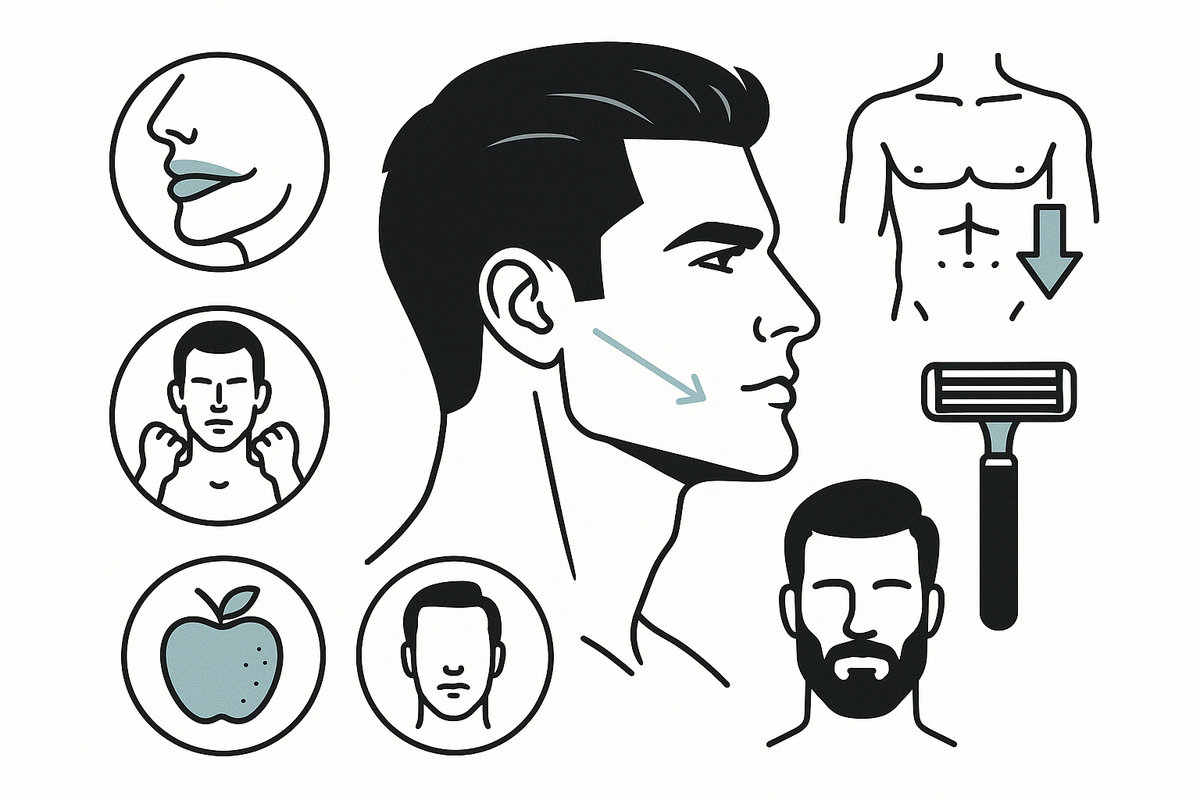
Jawline maxxing is the practice of using a combination of natural, behavioral, and sometimes clinical methods to enhance your jawline’s appearance. If you're searching for jawline maxxing tips or want to start jawline maxxing for a sharper jawline, you’re not alone—more people are looking for ways to get a defined jawline using proven strategies and the latest technology. The goal is to achieve a sharper, more defined jawline—a feature often associated with facial symmetry and attractiveness. Jawline maxxing strategies include fitness and fat loss, facial exercises, mewing, grooming, and even clinical interventions. The term "maxxing" comes from online communities focused on optimizing appearance, where users share the most effective ways to enhance specific features like the jawline. Jawline maxxing isn’t just about vanity; it can be a confidence-boosting journey that encourages self-care and healthy habits. Whether you’re new to jawline maxxing or looking to refine your approach, understanding the basics is the first step toward significant improvement.
Why Do People Want a Sharper Jawline?
Facial attractiveness is closely linked to jaw definition. Research shows that a well-defined jawline is associated with youthfulness, confidence, and even better perceived health. In evolutionary psychology, a prominent jawline is considered a marker of genetic fitness. Culturally, celebrities and models with chiseled jawlines often set beauty standards, further influencing societal preferences.
- Symmetry: A strong jaw enhances facial harmony. A symmetrical jawline balances facial features and can make both masculine and feminine faces appear more aesthetically pleasing.
- Masculinity/Femininity: Men often desire a chiseled, squared jawline for a rugged, mature look. Women may seek a defined but softer jaw for a youthful, elegant appearance. In both cases, jaw definition is linked to perceived attractiveness.
- Self-esteem: A prominent jawline can boost confidence and perceived social value. Many users report feeling more photogenic and assertive after enhancing their jawline, whether through natural means or cosmetic procedures.
How Maxx Report Uses AI to Analyze Jawlines
Apps like Maxx Report use advanced AI algorithms to scan your face and rate your jawline, symmetry, and other key features. By analyzing facial landmarks such as the gonial angle, chin projection, and mandibular width, the app assesses the harmony and definition of your jawline within your overall facial proportions. These AI-driven reports offer personalized jawline maxxing recommendations, from mewing to grooming strategies, and rate users compared to population averages. For example, Maxx Report might suggest fat loss if your facial fat index is high, or recommend grooming tweaks if your jawline is good but obscured by hair. For a comprehensive look at how AI analyzes facial structure, check out this screenshot from the app. These insights can help you track progress and tailor your jawline maxxing plan for optimal results. Jawline maxxing with AI analysis gives you actionable feedback and a clear starting point for your transformation.
Section 2: Body Fat Reduction for Jaw Definition
The Science Behind Body Fat and Jawlines
The single most powerful lever for jawline maxxing is reducing body fat. Subcutaneous fat around the lower face and neck obscures bone structure. As you lower your body fat percentage, your jawline and cheekbones become more prominent. Even individuals with robust jawbones can appear to have a soft or rounded jawline when facial fat is high. Body fat acts like a cushion, masking the sharp angles of your mandible and chin. Jawline maxxing starts with understanding your current body composition and making targeted changes to reveal your natural facial structure.
- Ideal Range: 12-15% body fat for men, 18-22% for women is typically where jawlines look defined. This isn’t absolute; some may need to go slightly lower or can maintain definition at higher percentages depending on genetics and bone structure.
- Genetics: Some people have more facial fat genetically, but everyone can improve visibility with fat loss. For example, two men at 15% body fat may have different jawline visibility due to bone shape and genetic fat distribution, but both will see improvement by reducing overall body fat.
How to Safely Lose Facial Fat
Spot reduction isn’t possible, but overall fat loss will eventually reduce facial puffiness. Sustainable fat loss methods include:
- Maintaining a calorie deficit: Use a TDEE (Total Daily Energy Expenditure) calculator to estimate daily caloric needs, then reduce intake by 300-500 calories per day for gradual, sustainable fat loss (roughly 0.25-0.5kg per week).
- High-protein, low-sodium meals: High-protein diets (at least 1.6g per kg of body weight) help preserve muscle mass during weight loss. Reducing sodium to below 2,300mg per day can minimize water retention, making facial features appear more defined.
- Cardio and resistance training: Aim for at least 150 minutes of moderate intensity cardio weekly, plus 2-3 full-body resistance sessions. Muscle supports facial definition by improving overall body composition and hormonal health.
- Consistent sleep: Poor sleep increases cortisol, which can promote facial water retention and hinder fat loss. Aim for 7-9 hours per night.
- Tracking progress: Take regular progress photos and body measurements, as the face is one of the first places where fat loss becomes noticeable.
Hydration, Alcohol, and Sodium: The Puffiness Factor
Dehydration and excess sodium cause water retention, making the jawline less defined. Limit alcohol intake—a single night of drinking can lead to significant facial puffiness the next morning due to dehydration and inflammation. Avoid processed foods like chips, deli meats, and canned soups, which are often high in sodium. Prioritize water (at least 2-3 liters daily for most adults) to flush out excess sodium and keep skin elastic. Some people also benefit from potassium-rich foods (bananas, sweet potatoes) to balance sodium and further reduce bloating.
For more on how AI-powered apps can support your transformation, see our guide on best glow up app Guide: AI Trackers That Actually Work. If you're specifically interested in reducing facial puffiness and achieving a slimmer look, our evidence-based jawline and slimming tips for losing face fat offer actionable strategies.
Section 3: Mewing and Proper Tongue Posture
What is Mewing?
Mewing is the technique of maintaining correct tongue posture by pressing the tongue flat against the roof of the mouth. This method, popularized by Dr. John Mew, is believed to help shape the jawline and facial structure, especially in younger individuals. The tongue should make contact with the hard palate from just behind the teeth to the soft palate, exerting gentle upward pressure.
- How to Mew: Rest your entire tongue (not just the tip) on the palate, close your lips, and breathe through your nose. Practice this posture throughout the day—when sitting, standing, or even exercising.
- Consistency: Consistent practice is key, but results are subtle and gradual. It can take several months of correct tongue posture to notice any difference, and changes are generally more visible in those under 25, whose facial bones are still developing.
Does Mewing Actually Work?
There’s debate in the scientific community. Anecdotal evidence suggests it can improve facial muscle tone and potentially influence jaw prominence in growing individuals. Documented cases exist of orthodontic changes in children and teens, but dramatic bone remodeling in adults is unlikely. Mewing may still provide benefits by reinforcing good oral posture, which can prevent mouth breathing and associated facial elongation. In adults, mewing may help with posture and muscle engagement, but dramatic bone remodeling is unlikely. However, some users report reduced double chin appearance and improved neck and jaw muscle tone after 6-12 months of consistent mewing. For those focused on jawline maxxing, mewing can be a low-risk addition to your daily routine.
Tongue Posture for Jawline Maxxing
Correct tongue posture supports facial symmetry and may reduce double chin appearance. It also trains the muscles under the jaw, supporting definition over time. For best results, combine mewing with nose breathing and proper swallowing techniques (swallowing with the tongue against the palate, not pushing forward against the teeth). These habits contribute to a tighter, more sculpted lower face and may improve sleep quality by reducing airway obstruction.
Want to see how your face scores on symmetry and proportions? Try the Face Shape Quiz for an AI-driven analysis. For a deeper understanding of how facial symmetry and proportions contribute to attractiveness, explore our complete guide to facial harmony, proportion, and symmetry.
Section 4: Jawline Exercises, Neck Training & Chewing
Best Jawline Exercises
Targeted jawline exercises aim to strengthen the masseter muscle, which can give the jaw a more sculpted look. Well-developed jaw muscles can create a visual straightening and thickening of the jaw, especially noticeable when smiling or clenching. Popular jawline exercises include:
- Chin tucks: Retract your chin toward your neck while keeping the head level, holding for 5-10 seconds. This strengthens the deep neck flexors and supports better head posture.
- Neck curls: Lie on your back with feet flat and knees bent. Gently tuck your chin and lift your head off the ground, holding for a few seconds before lowering. Start with 2 sets of 10 reps and increase gradually.
- Jaw clenching: Clench your teeth for 5-10 seconds, then relax. Repeat 10 times. This builds masseter muscle strength.
- Chewing gum: Chewing hard gum regularly can engage jaw muscles and improve tone. Opt for sugar-free gum to protect dental health.
Consistency is crucial for noticeable results. While exercises can enhance muscle tone and jawline appearance, they work best when combined with fat loss and proper posture.
Section 5: Posture Correction and Ergonomics
Good posture supports jawline maxxing by aligning your head and neck properly, preventing a double chin and slack jaw appearance. Forward head posture can weaken jawline definition by stretching the skin and muscles around the neck and chin. Simple posture improvements include:
- Keeping your head aligned over your shoulders while sitting and standing.
- Using ergonomic chairs and desk setups to avoid slouching.
- Practicing neck stretches and strengthening exercises to support proper alignment.
Improved posture not only enhances jawline appearance but also benefits overall health and confidence.
Section 6: Grooming, Skincare & Instant Jawline Hacks
Grooming and skincare can instantly enhance jawline definition. Techniques include:
- Facial hair styling: A well-groomed beard or stubble can create shadows that visually sharpen the jawline.
- Hydration and skin care: Moisturized, healthy skin appears firmer and more elastic, supporting jawline visibility.
- Contouring makeup: Using subtle shading techniques can create the illusion of a sharper jawline for special occasions.
- Cold water or ice massage: Applying cold to the jaw area can reduce puffiness and tighten skin temporarily.
Section 7: Orthodontics, Fillers & Surgical Options
For those seeking dramatic or permanent jawline enhancement, clinical options include:
- Orthodontics: Braces or aligners can improve jaw alignment and facial profile.
- Dermal fillers: Injectable fillers can add volume and definition to the jawline and chin.
- Surgery: Procedures like jaw implants, genioplasty, or liposuction under the chin can significantly alter jawline shape.
These options should be considered carefully with consultation from qualified professionals.
Section 8: Lighting, Photography & Visual Enhancements
Good lighting and angles can emphasize your jawline in photos and videos. Tips include:
- Using side or top-down lighting to create shadows along the jaw.
- Tilting your head slightly to highlight jaw angles.
- Using photo editing apps or filters to subtly enhance jawline sharpness.
Conclusion
Jawline maxxing involves a mix of fat loss, exercises, posture, grooming, and sometimes clinical procedures to achieve a sharper, more defined jawline. Leveraging AI tools like Maxx Report can provide personalized insights and track your progress effectively. Whether you prefer natural methods or medical enhancements, consistent effort and informed choices are key to transforming your jawline and boosting confidence.
FAQ
What is jawline maxxing?
Jawline maxxing is the process of enhancing the jawline’s appearance through fat reduction, exercises, posture correction, grooming, and sometimes clinical interventions.
Does jawline maxxing really work?
Yes, especially with fat loss and improved muscle tone. Results vary by genetics and method, but consistent efforts like diet, exercise, and posture can improve jaw definition.
How does AI help with jawline maxxing?
AI analyzes your facial structure and proportions to rate your jawline and recommend personalized maxxing strategies based on your unique features.
Can mewing improve my jawline?
Mewing may help improve muscle tone and posture, especially in younger individuals, but dramatic bone changes in adults are unlikely. It’s a low-risk practice to support jawline maxxing.
What is the most effective way for jawline maxxing?
Reducing overall body fat is the most effective way to reveal a sharper jawline, combined with exercises, posture, and grooming for best results.