
How to Get a Better Jawline: Evidence-Based Tips & Myths Debunked
Discover how to get a better jawline with proven methods. Learn about face fat loss, mewing, jawline exercises, styling tricks, and real results.

Estimated reading time: 18 min
Key Takeaways
- Lowering body fat and reducing facial bloat can help enhance jawline definition.
- Jawline exercises may support muscle tone but do not drastically reshape bone structure.
- Mewing’s benefits are limited and require long-term commitment to potentially impact jaw appearance.
- Improving posture and neck alignment can enhance jawline visibility and facial aesthetics.
- Grooming, hairstyle, and facial hair styling can visually sharpen the jawline instantly.
Table of Contents
- Section 1: How Body Fat and Facial Fat Affect Jawline Definition
- Section 2: Jawline Exercises — Do They Work and Which Ones Help?
- Section 3: What is Mewing and Does Mewing Work?
- Section 4: Posture and Neck Alignment for a Better Jawline
- Section 5: Reducing Facial Puffiness and Double Chin Solutions
- Section 6: Grooming, Styling, and Non-Surgical Enhancements
Conclusion
FAQ
Section 1: How Body Fat and Facial Fat Affect Jawline Definition
Understanding the Role of Body Fat
The most critical factor in achieving a better jawline is generally lowering overall body fat. Excess fat tends to accumulate under the chin, around the neck, and on the cheeks, which can blur the natural contours of your jaw. Reducing your body fat percentage to the lower end of a healthy range (typically around 10-15% for men and 18-22% for women) may enhance facial definition for many individuals.
For instance, men with a body fat percentage above 20% often have a softer, less defined jawline due to fat deposits in the submental area (the region under the chin). In contrast, those who maintain a body fat closer to 10-12% often show a more chiseled jawline, with clearer separation between the jaw and neck. Women tend to carry slightly higher essential fat levels, but reducing excess fat within a healthy range may similarly improve jawline sharpness.
Targeting Face Fat Specifically
While spot reduction isn’t possible—meaning you cannot choose to lose fat only in your face—overall weight loss through consistent diet and exercise reduces fat in all areas, including the face. Facial fat reduction can lead to a more prominent jawline and cheekbones as the underlying bone structure becomes more visible.
It’s important to avoid crash diets or extreme caloric deficits, which can cause rapid fat loss but often lead to muscle loss and skin laxity. This can result in sagging skin around the jaw and neck, which may make the jawline appear less defined. Instead, aim for gradual fat loss of about 0.5 to 1 pound per week, which helps preserve muscle mass and promotes better skin elasticity.
Evidence-Based Face Slimming Tips
- Maintain a calorie deficit with balanced nutrition emphasizing lean proteins and healthy fats. Proteins support muscle preservation during weight loss, while healthy fats (like omega-3s) support skin health.
- Stay hydrated to help prevent water retention that causes facial puffiness. Drinking at least 2 to 3 liters of water daily can help flush excess sodium and reduce swelling.
- Limit high-sodium foods and alcohol, both of which can contribute to bloating. Sodium causes the body to retain water, especially in the face, while alcohol dehydrates and inflames tissues.
- Incorporate regular cardiovascular exercise and strength training to optimize fat loss. Cardio burns calories and reduces fat, while strength training maintains muscle tone, including neck and facial muscles.
An example of an effective weekly routine might include 3-5 sessions of moderate-intensity cardio (such as brisk walking, jogging, or cycling) combined with 2-3 strength training sessions targeting major muscle groups. This approach supports sustainable fat loss and muscle preservation, which together may enhance jawline definition.
For a deeper dive into effective strategies, see our How to Lose Face Fat guide.
Section 2: Jawline Exercises — Do They Work and Which Ones Help?
Do Jawline Exercises Actually Work?
Jawline exercises primarily target the muscles of the jaw, neck, and face. While they can improve muscle tone and firmness, they do not alter bone structure or dramatically reduce fat. The muscles involved include the masseter, platysma, and digastric muscles, which contribute to the contour and tension in the jaw and neck area.
Improved muscle tone can help support the skin and reduce sagging, making the jawline appear more defined, especially when combined with fat loss. For example, regular activation of the platysma muscle (a broad neck muscle) may reduce the appearance of jowls and tighten the skin under the jaw.
Effective Jawline Exercises
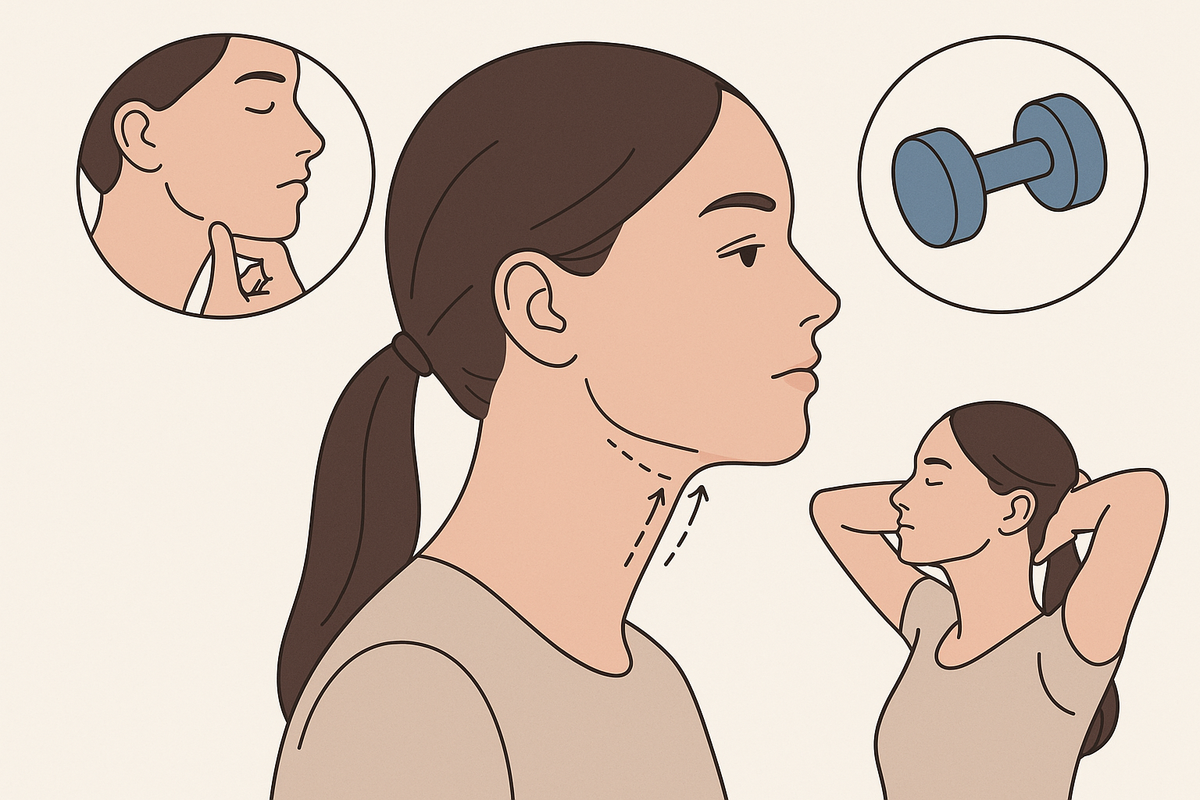
- Chin Tucks: Strengthen the deep neck flexors and improve posture by gently retracting the chin toward the neck without tilting the head. Perform 10-15 reps, holding each for 5 seconds.
- Neck Curl-Ups: Lie on your back with knees bent and lift the head slightly off the ground to engage the muscles under the chin. Begin with 10 reps, gradually increasing over time.
- Chin Lifts: Tilt your head back and pucker your lips as if kissing the ceiling, stretching and toning the muscles around the jawline. Hold for 5 seconds and repeat 10-15 times.
- Resistance Movements: Using your hand or a soft resistance band, push gently against your chin while resisting the movement with your jaw muscles. Perform 10-12 reps to enhance muscle engagement.
Consistency is key; performing these exercises daily over several weeks or months may yield the best results. Combining these with a well-rounded fitness and diet plan enhances their effectiveness.
Limitations and Expectations
Jawline exercises do not melt fat or reshape bone. They should be combined with fat loss and posture improvement for visible changes. Beware of gimmicky products promising dramatic bone reshaping or “masseter muscle training” with devices, as these lack scientific support and may cause jaw pain or temporomandibular joint (TMJ) issues.
For example, overuse of jaw training devices can lead to muscle hypertrophy that actually broadens the lower face rather than sharpening it, which may be undesirable depending on one’s aesthetic goals.
Learn more about jawline exercises and their real impact in our detailed Jawline Exercises Do They Work? post.
Section 3: What is Mewing and Does Mewing Work?
Basics of Mewing
Mewing is a technique promoted for jawline improvement that involves consciously resting the entire tongue against the roof of the mouth, maintaining correct swallowing patterns, and improving oral posture. It is named after Dr. John Mew, an orthodontist who theorized that correct tongue posture can influence facial bone structure over time.
The practice involves flattening the tongue against the palate with light pressure, closing the lips, and breathing through the nose. Advocates suggest that proper tongue posture can encourage forward and upward growth of the maxilla (upper jawbone), leading to better facial symmetry and a more pronounced jawline.
Scientific Evidence and Limitations
Currently, there is limited scientific evidence supporting the claim that mewing can significantly change adult bone structure or jawline shape. Most craniofacial bones fuse after adolescence, limiting the potential for remodeling in adults. However, mewing may help improve oral posture, reduce mouth breathing, and subtly enhance neck alignment, which can contribute to a better facial profile.
Some orthodontists note potential benefits of mewing during developmental years (children and teens) when bones are more malleable. In adults, benefits are more likely related to improved muscle tone, reduced forward head posture, and better breathing patterns rather than skeletal changes.
Practical Application and Results
- Mewing requires persistent practice and proper technique — the tongue should be flat against the palate, not just the tip. Incorrect placement reduces effectiveness.
- It is more effective during growth phases (children and teens) than in fully matured adults.
- Combining mewing with posture correction and fat loss may enhance overall facial aesthetics.
- Consistency over years, not weeks, is necessary to notice subtle changes.
While mewing is generally safe, it should not replace professional orthodontic or medical advice for jaw or bite issues.
For a comprehensive review, including myths and real results, visit our Does Mewing Work? analysis.
Section 4: Posture and Neck Alignment for a Better Jawline
The Impact of Forward Head Posture
Forward head posture is a common problem where the head protrudes forward relative to the spine, compressing the neck and jaw area. This posture can dull the jawline by shortening the apparent length of the neck and creating a double chin appearance. It also contributes to muscle imbalances and tension in the neck and jaw muscles.
Studies show that poor postural alignment can reduce the natural definition of facial contours by changing the angle at which the jaw sits relative to the rest of the face. This misalignment can also exacerbate jaw discomfort and tension headaches.
Correcting Neck Alignment
- Chin Tucks: Retract the chin gently while keeping shoulders back to strengthen deep neck flexors. Perform 3 sets of 10-15 reps daily.
- Neck Stretches: Stretch the muscles at the front and back of the neck to improve range of motion and reduce tension. For example, slowly tilt your head side to side and hold each stretch for 20-30 seconds.
- Ergonomic Adjustments: Maintain screen height at eye level and avoid slouching by using ergonomic chairs and reminders to check posture. Setting computer monitors slightly below eye level and keeping shoulders relaxed helps prevent forward head position.
- Postural Awareness: Regularly checking posture during daily activities—such as sitting, walking, and driving—can retrain muscle memory over time.
Improving posture not only refines your jawline but also benefits overall spinal health, reduces neck and upper back pain, and enhances confidence and appearance.
Supporting Neck Muscle Strength
Strong neck muscles help maintain jaw definition and prevent sagging skin. Exercises like neck curls, isometric holds, and resistance training targeting the neck can support this. For example, isometric neck exercises involve pressing the head against the palm in different directions (forward, backward, sideways) without actual movement, holding for 5-10 seconds per direction.
Incorporate these exercises 3-4 times per week to build endurance and muscular support that may contribute to a more defined jawline.
Section 5: Reducing Facial Puffiness and Double Chin Solutions
Causes of Facial Puffiness
Facial puffiness results from fluid retention, inflammation, or fat accumulation. Common causes include poor sleep, dehydration, excessive sodium or alcohol intake, allergies, and hormonal fluctuations. For example, high cortisol levels caused by stress can increase water retention and inflammation in the facial tissues.
Additionally, certain medical conditions like hypothyroidism or kidney issues can contribute to persistent facial swelling and should be evaluated by a healthcare professional if puffiness is chronic.
Evidence-Based Ways to Reduce Puffiness
- Improve Sleep Quality: Aim for 7-8 hours to support lymphatic drainage and reduce inflammation. Sleeping on your back with the head slightly elevated may help prevent fluid pooling in the face.
- Hydrate Adequately: Drinking enough water flushes excess sodium and reduces swelling. Aim for at least 2 liters daily, adjusting for activity and climate.
- Control Sodium and Alcohol: Limit intake to prevent water retention. Reducing processed foods and alcohol consumption can decrease facial bloating within days.
- Cryotherapy and Cold Compresses: Applying cold packs or chilled spoons to the face for 5-10 minutes can temporarily reduce inflammation and tighten skin, offering immediate though short-term improvement.
- Lymphatic Drainage Massage: Gentle facial massage using upward strokes can encourage fluid movement and reduce puffiness. Techniques can be done daily using clean hands or tools like jade rollers.
Double Chin Reduction Techniques
Double chin reduction involves a combination of fat loss, posture correction, and targeted exercises. Exercises such as the chin lifts and neck curls described earlier help tone the muscles under the chin, improving firmness.
When lifestyle changes are insufficient, non-invasive treatments like fat-dissolving injections (e.g., deoxycholic acid) or skin tightening procedures using radiofrequency or ultrasound can be considered. These treatments selectively target submental fat and stimulate collagen production to tighten sagging skin. Consultation with a dermatologist or cosmetic surgeon is necessary to evaluate candidacy and expected outcomes.
Explore our full guide on how to reduce a double chin at How to Reduce a Double Chin.
Section 6: Grooming, Styling, and Non-Surgical Enhancements
Styling Tips to Emphasize the Jawline
- Beard Shaping: Strategic stubble or a well-groomed beard can create the illusion of a sharper jawline by adding shadows and contrast. For example, keeping the cheek area trimmed while defining the jawline with darker growth draws attention to the bone structure.
- Hairstyles: Haircuts that add volume on top and taper around the sides frame the face for better jawline definition. Styles such as the classic undercut, pompadour, or textured crop can elongate the face and enhance angularity.
- Skin Care: Reducing facial puffiness and improving skin texture enhances jawline visibility. Regular cleansing, exfoliation, and moisturizing with products containing ingredients like hyaluronic acid and retinol promote healthy, firm skin.
Gua Sha for Men
Gua sha, a traditional scraping technique, is increasingly used for facial sculpting. This method involves using a smooth-edged tool to gently scrape the skin in upward and outward strokes, stimulating circulation, lymphatic drainage, and muscle relaxation. Benefits may include reduced puffiness, improved skin tone, and subtle enhancement of jaw contour.
Consistency is important; daily or several times weekly sessions of 5-10 minutes may yield visible improvements over several weeks. It is recommended to use facial oils or serums to prevent skin irritation during gua sha.
For detailed techniques and results, check out our Gua Sha for Men guide.
Non-Surgical Cosmetic Options
When natural methods reach their limits, cosmetic treatments can provide more dramatic jawline enhancement:
- Fillers: Hyaluronic acid or calcium hydroxylapatite fillers can add volume and definition to the jawline and chin. Treatments typically last 12-18 months and require skilled application to avoid unnatural results.
- Fat-Dissolving Injections: Deoxycholic acid injections target stubborn double chin fat by breaking down fat cells, leading to gradual reduction over multiple sessions.
- Implants: Surgically placed silicone or other materials provide permanent jawline reshaping. This option involves longer recovery and surgical risks but offers significant contour changes.
- Neck Lift Procedures: Surgical removal of excess skin and tightening of underlying tissues can dramatically improve jawline and neck definition, especially in cases of aging or significant weight loss.
These options require consultation with a qualified specialist to assess risks and benefits, considering factors such as age, skin quality, and individual aesthetic goals.
Conclusion
How to get a better jawline is a multi-faceted question requiring a combination of fat loss, posture correction, muscle toning, and strategic grooming. While jawline exercises and mewing may help support this goal, their effects are subtle and best combined with foundational lifestyle habits such as lowering body fat and reducing facial puffiness.
Non-surgical cosmetic procedures are effective for those seeking more immediate or pronounced results but come with considerations regarding cost, maintenance, and potential complications.
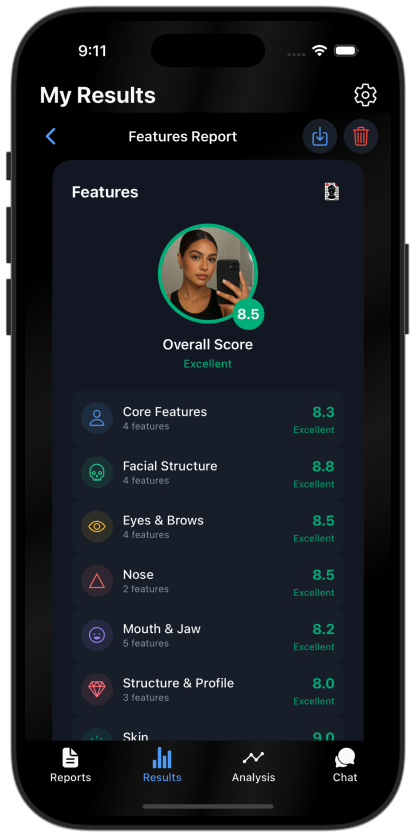
For a personalized assessment of your facial features and targeted recommendations, try Maxx Report, an AI-powered looksmaxxing app that scans your face and delivers a custom plan to help you glow up and enhance your jawline and overall appearance.
FAQ
Q: Do jawline exercises actually work?
A: Jawline exercises can improve muscle tone and firmness around the jaw and neck but do not change bone structure or significantly reduce fat. They are most effective when combined with fat loss and posture improvement.
Q: How can I get a sharper jawline fast?
A: The fastest natural way to sharpen your jawline is reducing facial puffiness through hydration, proper sleep, and lowering sodium and alcohol intake. Grooming and hairstyles can also create immediate visual improvements.
Q: Does mewing improve your jawline?
A: Mewing may improve oral posture and neck alignment, which can subtly enhance jawline appearance over time. However, scientific evidence is limited, especially for adults, and results require persistent practice.
Q: How much body fat do you need for a visible jawline?
A: Visible jawline definition typically appears when body fat percentage is lowered to around 10-15% for men and 18-22% for women, though individual variation exists.
Q: Can chewing gum make your jawline more defined?
A: Chewing gum exercises the masseter muscle, which may improve muscle tone but is unlikely to produce significant changes in jawline shape or definition.
Q: What is the best way to reduce facial bloating or puffiness for a better jawline?
A: The best approach includes improving sleep quality, staying well hydrated, controlling sodium and alcohol intake, and using cold compresses to reduce inflammation and fluid retention.