
Color Analysis for Men: The Ultimate Guide to Your Best Colors
Discover color analysis for men: How to find your best colors, determine your undertone, and build a wardrobe that enhances your style and confidence.

Estimated reading time: 12 min
Key Takeaways
- Men's color analysis helps identify colors that may complement your skin tone, undertone, and contrast.
- Understanding warm vs cool undertone men can assist in selecting flattering clothing and accessories.
- Seasonal color systems (Spring, Summer, Autumn, Winter) offer guidance for choosing harmonious palettes.
- Choosing suitable neutrals, metals, and colors for suits, shirts, and casual wear can enhance your style.
- Testing colors at home with natural light and wardrobe basics can help refine your personal color palette.
Table of Contents
- Section 1: Understanding Men's Color Analysis and Its Importance
- Section 2: Identifying Your Undertone: Warm vs Cool Undertone Men
- Section 3: Assessing Contrast and Seasonal Color Systems for Men
- Section 4: Best Colors for Men by Skin Tone and Wardrobe Categories
- Section 5: Choosing Neutrals, Metals, and Accessories That Suit You
- Section 6: How to Test Your Colors at Home for Accurate Color Analysis
- Section 7: Building a Capsule Wardrobe Based on Your Color Palette
- Conclusion
- FAQ
Section 1: Understanding Men's Color Analysis and Its Importance
What Is Men's Color Analysis?
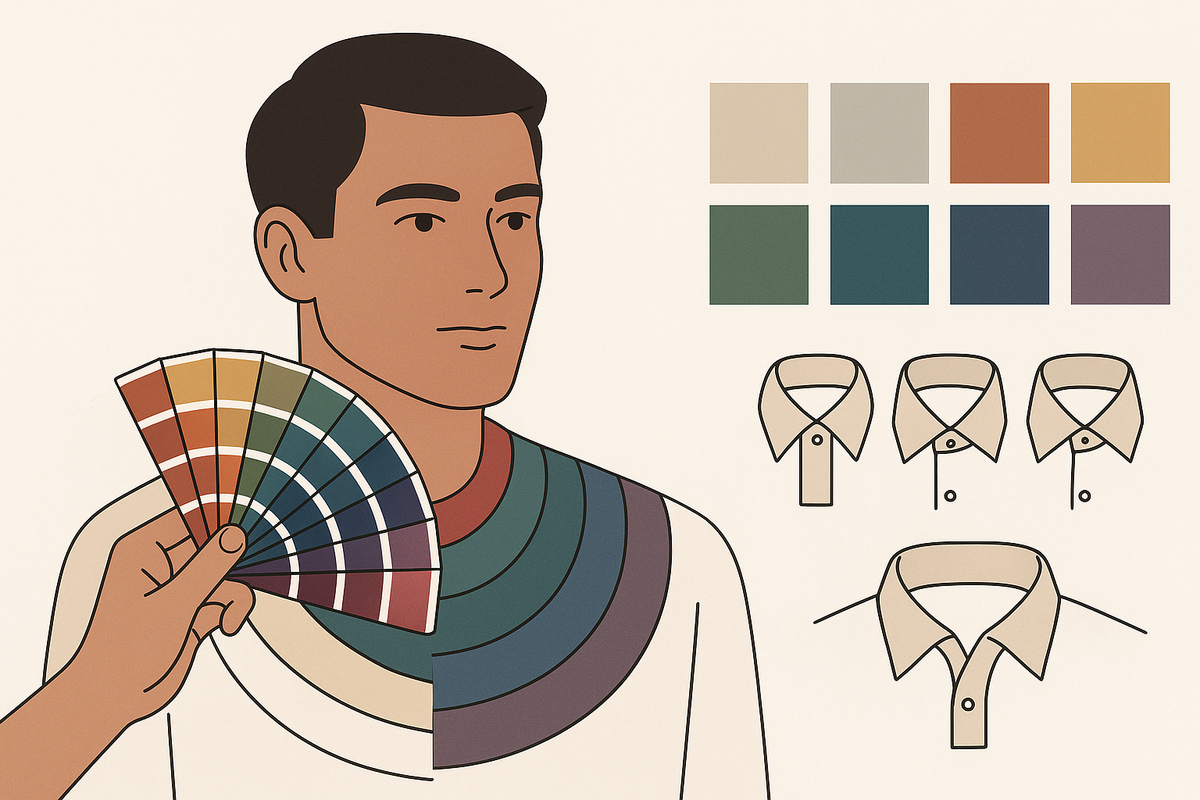
Men's color analysis is a personalized approach that aims to identify colors that may complement a man's natural skin tone, hair color, and eye color. This method uses principles of color theory and aesthetics to suggest shades that could enhance your appearance, potentially making your skin look healthier and boosting overall confidence.
This approach focuses on your natural coloring to help create a cohesive and flattering wardrobe. It can help avoid wearing colors that might wash you out, clash with your complexion, or fail to highlight your best features.
Why Color Analysis Matters for Men's Style Basics
Many men find it challenging to choose the right colors in suits, shirts, ties, and casual wear because they rely on guesswork or trends rather than understanding their individual coloring. Men's color analysis can provide clarity and direction, helping your style choices to:
- Enhance your natural features
- Create harmony with your skin tone and undertones
- Make you look healthier and more vibrant
- Streamline wardrobe decisions and shopping
Incorporating color analysis into your men's style basics can be a useful foundation for building a wardrobe that fits your unique look and lifestyle.
How Men's Color Analysis Differs from General Style Advice
Generic style advice often centers on body shape or fashion trends alone, sometimes overlooking the factor of color harmony. Men's color analysis integrates:
- Skin undertone identification
- Contrast level between hair, eyes, and skin
- Seasonal color theory tailored for men
- Personalized palette recommendations
This approach aims to help you dress in colors that complement your natural coloring, not just fit your body type or current trends.
Section 2: Identifying Your Undertone: Warm vs Cool Undertone Men
What Are Undertones and Why They Matter
Undertones are the subtle hues beneath your skin's surface that affect how colors appear on you. The two primary undertones are warm and cool, each influencing the colors that may harmonize best with your complexion.
Knowing your undertone can guide the selection of shirts, ties, jackets, and accessories that may make you look vibrant instead of washed out.
How to Identify Warm vs Cool Undertone Men
- Vein Test: Look at the veins on your wrist under natural light. Blue or purple veins often suggest cool undertones; greenish veins may indicate warm undertones.
- Jewelry Test: Silver jewelry tends to flatter cool undertones, while gold jewelry may enhance warm undertones.
- Skin Reaction: Consider whether your skin tans easily (warm) or burns and reddens (cool), though this can vary.
- Eye and Hair Color: Cool undertones are often associated with ash blonde, black, or cool brown hair and blue, gray, or green eyes. Warm undertones may align with golden blondes, redheads, and warm brown hair with hazel or warm brown eyes.
Common Confusions and Tips
Some men have neutral undertones, a balance between warm and cool, which allows flexibility in color choices. Dyed hair or facial hair can complicate undertone identification, so it is helpful to rely on natural skin cues and eye color where possible.
For a detailed guide on determining your undertone, consider reading our in-depth resource How to Tell If I Have Warm or Cool Undertones Male.
Section 3: Assessing Contrast and Seasonal Color Systems for Men
Understanding Contrast in Men’s Palettes
Contrast refers to the difference between your skin tone, hair color, and eye color. Men with high contrast, such as dark hair with light skin, often suit bold and vibrant colors. Those with low contrast, like light hair and light skin, may look better in softer, muted tones.
Assessing contrast can help tailor your color palette to your unique features, aiming to ensure your clothing enhances your natural coloring.
Seasonal Color Systems Explained
The seasonal color system categorizes individuals into Spring, Summer, Autumn, or Winter based on undertone and contrast. Each season corresponds to a specific range of colors:
- Spring: Warm undertones with light to medium contrast. Often best in bright, warm pastels and clear colors.
- Summer: Cool undertones with low contrast. Often best in soft, muted, and cool shades.
- Autumn: Warm undertones with medium to high contrast. Often best in rich, earthy, and warm colors.
- Winter: Cool undertones with high contrast. Often best in bold, cool, and vibrant hues.
Why Seasonal Systems Work for Men
The seasonal system can simplify color choices and help men avoid colors that clash with their natural tones. It provides a framework to select:
- Suits and formal wear colors
- Casual and sportswear hues
- Accessory shades that complement your look
For more on seasonal color theory tailored to men, explore our comprehensive post Men's Color Analysis: The Pillar Guide.
Section 4: Best Colors for Men by Skin Tone and Wardrobe Categories
Colors That Flatter Different Skin Tones
Men’s best colors can vary by skin tone — fair, medium, olive, dark — and undertone. Here's a general breakdown of flattering colors by skin tone:
- Fair Skin: Cooler blues, soft grays, navy, and jewel tones like emerald or sapphire often work well.
- Medium Skin: Warm earth tones, olive greens, deep blues, and rich burgundy may complement this tone.
- Olive Skin: Mustard yellows, rust, warm reds, and teal can bring out the skin's warmth.
- Dark Skin: Bold, saturated colors like royal blue, white, charcoal, and bright pastels can create striking contrast.
Best Colors for Men’s Wardrobe Categories
Once you know your palette, you can apply it to key wardrobe pieces:
- Suits: Navy and charcoal are versatile neutrals, but adding seasonal hues like deep greens or burgundy can provide variety.
- Shirts: Light blue, crisp white, and soft pinks suit many men; warmer tones like peach or cream may suit warm undertones.
- Ties: Choose ties that either contrast or complement your shirt and suit colors, with patterns in your palette.
- Casual Wear: Incorporate your best colors in polos, tees, and sweaters for effortless style.
- Accessories: Hats, scarves, and watches in your color range can elevate your ensemble.
Explore More Specific Color Guides
For tailored advice on your skin tone, check out the detailed post Best Colors for Men by Skin Tone.
Section 5: Choosing Neutrals, Metals, and Accessories That Suit You
Flattering Neutrals for Men
Neutrals form the backbone of a men’s wardrobe. Choosing the right neutrals can influence your overall look. Key neutrals include:
- Navy: Often flattering, especially for cool undertones.
- Charcoal: A sophisticated alternative to black, suitable for many undertones.
- Black: Can be harsh on some warm undertones; navy or dark brown may be preferable.
- Gray: Light gray often suits cool undertones; warmer grays may suit warm skin tones.
- White and Cream: White complements cool undertones; cream may suit warm undertones better.
Warm vs Cool Metals in Accessories
Metal choices in watches, cufflinks, and jewelry can align with your undertone:
- Warm Undertones: Gold, bronze, and copper metals often enhance natural coloring.
- Cool Undertones: Silver, platinum, and white gold tend to create a harmonious look.
Accessory Tips to Complete Your Look
When selecting belts, shoes, and hats, consider both color and metal accents to maintain palette consistency. For example, a brown leather belt with gold hardware may suit warm undertones, while black leather with silver hardware may suit cool undertones.
Section 6: How to Test Your Colors at Home for Accurate Color Analysis
Using Natural Daylight and Neutral Backgrounds
Color testing is best done in natural daylight, ideally near a window. Avoid artificial lighting, which can distort perception of colors.
Use a white or cream paper as a backdrop to neutralize surrounding colors that may influence your perception.
Shirt and Fabric Comparisons
Gather shirts or fabric swatches in various shades from your color palette. Hold each up to your face and observe:
- Does your skin look vibrant or washed out?
- Are shadows or redness exaggerated?
- Do your eyes brighten or dull?
Taking photos in natural light can help you compare and objectively assess which colors work best.
Common Mistakes to Avoid
Dyed hair or facial hair can alter your color perception during testing. Also, ensure your face is clean and makeup-free if applicable. Retesting at different times of day can help confirm consistency.
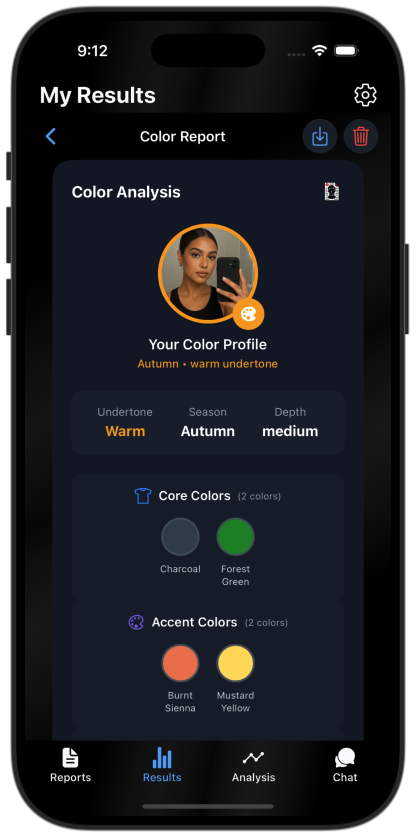
If you want a personalized color analysis, apps like Maxx Report offer AI-powered tools that scan your face and provide tailored color recommendations.
Section 7: Building a Capsule Wardrobe Based on Your Color Palette
Why Build a Capsule Wardrobe?
A capsule wardrobe consists of versatile, quality pieces in your best colors that can mix and match effortlessly. This approach can save time, reduce decision fatigue, and help ensure you look coordinated.
Steps to Create Your Color-Based Capsule Wardrobe
- Step 1: Identify your seasonal color palette and undertone.
- Step 2: Choose 3-4 base neutrals (e.g., navy, charcoal, cream).
- Step 3: Add 3-5 accent colors from your palette for shirts, ties, and casual wear.
- Step 4: Invest in quality essentials — suits, dress shirts, chinos, sweaters — in these colors.
- Step 5: Select accessories and metals that complement your palette.
- Step 6: Regularly review and refine your wardrobe, replacing items outside your palette.
Maximize Your Style with Personalization
Incorporate personal style preferences within your palette to express individuality while maintaining harmony. For detailed insights, see our guide on What Colors Should I Wear? Men's Color Analysis & Wardrobe Guide.
Conclusion
Men’s color analysis can be a helpful tool to elevate your style by identifying colors that may suit your skin tone, undertone, and contrast level. Understanding warm vs cool undertones, seasonal palettes, and how to test colors at home can empower you to build a coordinated, flattering wardrobe. By choosing appropriate neutrals, metals, and accessories, you can dress confidently for your unique coloring and body type.
For a personalized and AI-powered approach to your color analysis and overall style, consider trying Maxx Report, which provides detailed face and color reports to support your style journey.
FAQ
Q: How do I find my color season as a man?
A: To find your color season, first determine your skin undertone (warm or cool) and assess your contrast level between hair, eyes, and skin. Use the seasonal system—Spring, Summer, Autumn, or Winter—that matches your undertone and contrast to identify a color palette that may suit you.
Q: What colors look best on men with warm undertones?
A: Men with warm undertones often look good in earthy and rich hues such as mustard yellow, warm reds, olive green, rust, and cream neutrals. Gold metals and warm accessories can complement these tones.
Q: Is black flattering on most men, or should I wear navy instead?
A: While black is a classic neutral, it can sometimes appear harsh on men with warm undertones or lighter skin. Navy is often a more universally flattering alternative, offering depth without overwhelming the complexion.
Q: How can I tell if I’m a Spring, Summer, Autumn, or Winter?
A: Evaluate your undertone (warm or cool) and contrast level. Springs are warm with light to medium contrast, Summers are cool with low contrast, Autumns are warm with medium to high contrast, and Winters are cool with high contrast. Matching these traits to seasonal palettes can help identify your category.
Q: What shirt colors make a man look healthier and less washed out?
A: Shirt colors that align with your undertone and season, such as soft blues, warm creams, or rich jewel tones, can enhance skin vibrancy and make you look healthier. Avoid colors that clash or wash you out.
Q: Does beard or hair color change my color analysis?
A: Dyed hair or beards can affect your perceived contrast and undertone, potentially complicating analysis. For accurate results, focus on your natural skin tone, eye color, and natural hair color where possible.