Men's Style Basics: Color Analysis, Best Colors & Dressing by Skin Tone
Discover men's style basics with expert color analysis. Learn the best colors for men by skin tone, how to dress for your body type, and build a versatile wardrobe.
Estimated reading time: 16 min
Key Takeaways
- Mastering men's style basics starts with understanding fit, color analysis, and wardrobe essentials.
- Knowing your skin tone and undertone unlocks the best colors for men and elevates every outfit.
- Building a versatile wardrobe means investing in classics and learning what works for your body type.
- Smart color choices and tailored fits make casual and business wear effortless and stylish.
- Accessories and the right shoes put the finishing touch on your personal style.
Table of Contents
- Section 1: The Foundations of Men's Style Basics
- Section 2: The Power of Fit and Tailoring
- Section 3: Color Analysis – Finding Your Best Colors by Skin Tone
- Section 4: Building a Versatile Capsule Wardrobe
- Section 5: Essential Outfit Formulas for Everyday and Smart Casual
- Section 6: Shoes, Accessories, and the Finishing Touches
- Conclusion
- FAQ
Section 1: The Foundations of Men's Style Basics
Why Men's Style Basics Matter
Men’s style basics are the building blocks of a confident, put-together appearance. Every sharp look—whether casual, business, or formal—starts with mastering the essentials: fit, color, and key wardrobe pieces. Understanding these fundamentals lets you create versatile outfits that work for any occasion, helping you avoid common style pitfalls and wasted purchases. By focusing on the basics, you set yourself up for a style journey that feels effortless rather than overwhelming. Mastering fundamentals leads to a wardrobe that serves you for years, not just a season.
For example, consider the difference between a man who shops impulsively for trendy items and one who invests in foundational garments. The first may end up with a closet full of mismatched pieces that quickly go out of style or don’t suit his body shape, while the second enjoys a streamlined experience, always having something appropriate and flattering to wear. This strategic approach saves both time and money, reducing clutter and indecision.
Wardrobe Essentials Every Man Should Own
- White & navy crewneck t-shirts: The ultimate layering pieces. Look for mid-weight cotton with a trim, athletic fit that sits neatly at the shoulders and falls just below the beltline. These can be worn solo, under shirts, or beneath knitwear.
- Oxford button-down shirt: Dress up or down, looks crisp in any setting. A light blue oxford is a perennial favorite, suitable for business meetings or casual dinners alike. Seek a shirt with a collar that can be worn open or with a tie for versatility.
- Dark jeans or chinos: Go-anywhere pants that pair with almost anything. Choose slim or straight-leg fits in indigo or charcoal for maximum flexibility. Chinos in beige, navy, or olive work year-round and can be dressed up or down.
- Tailored blazer: Instantly elevates a casual look to smart casual. Navy or charcoal blazers are the most versatile. Look for a single-breasted style with minimal shoulder padding for a modern silhouette.
- Neutral sweaters: Crewneck or v-neck in navy, gray, or beige. Merino wool or cotton blends offer comfort and easy layering. These can be worn alone, over shirts, or under jackets.
- White sneakers and brown/black dress shoes: Covers both casual and formal needs. Minimalist leather sneakers pair with jeans, chinos, and even suits in modern workplaces. Dress shoes—such as derbies or oxfords—are essential for formal occasions.
- Lightweight jacket: Think bomber, denim, or Harrington for transitional weather. A neutral color ensures it works with all outfits. These jackets are practical for spring and fall, and a well-fitted one can double as a statement piece.
Don’t overlook the importance of maintaining these basics. Regularly check for wear and replace items as needed to keep your wardrobe looking sharp. For instance, a faded or pilled sweater can undermine an otherwise polished outfit.
Key Style Principles
- Keep it simple: Neutral colors and classic silhouettes are always in style. Simplicity ensures your wardrobe remains timeless and versatile.
- Invest in quality: Fewer, better items outlast trends and look sharper. High-quality fabrics drape better, feel more comfortable, and tend to last longer even with frequent wear.
- Prioritize fit: Ill-fitting clothes undermine even the best pieces. Proper fit accentuates your strengths and creates a clean, confident impression.
Want to know what style upgrades would make the biggest difference for your look? AI-powered tools like Maxx Report can analyze your features and recommend targeted improvements—whether it's grooming, color, or wardrobe tweaks. These technologies eliminate much of the guesswork, offering actionable suggestions based on your unique characteristics.
Section 2: The Power of Fit and Tailoring
Why Fit Is the Foundation of Style
No matter what you wear, fit is king. Even expensive clothes look sloppy if they sag or bunch in the wrong places. The best-dressed men focus first on how clothes sit on their bodies. A $40 blazer that fits perfectly outshines a $400 blazer that's too tight or too loose. Good fit enhances your physique, boosts confidence, and makes even basics look intentional.
Studies and style surveys consistently show that when asked what makes someone "well-dressed," most people rate fit above brand, color, or trendiness. A tailored garment brings structure to your look, accentuating shoulders, slimming the waist, and creating balance. For instance, a well-fitted shirt will tidy up your appearance, while baggy or tight shirts can add visual weight or look uncomfortable.
How to Assess Fit for Key Garments
- Shirts: Seams should sit at the edges of your shoulders. Avoid billowing fabric at the waist. Sleeves end where your wrist meets your hand. When buttoned, there should be no strain at the chest or pulling at the buttons. If you can fit two fingers comfortably between your neck and collar, the fit is just right.
- Pants: Waist should fit without a belt. Trousers should break slightly at the shoes, not pool at the ankles. The seat should contour without sagging or pulling. For jeans, a slight taper from knee to ankle flatters most builds.
- Jackets/Blazers: Should hug your shoulders, with sleeves ending at the wrist bones. Body should taper gently without pulling. Lapels should lay flat, and when buttoned, the jacket should create a gentle "V" shape down the torso. The jacket length should cover your seat, and the sleeve should show about a quarter inch of shirt cuff for a polished look.
Try the "pinch test": when you stand relaxed, you should be able to pinch 1-2 inches of fabric at the sides of your shirt or jacket—no more, no less. For pants, sit down to ensure comfort at the thighs and knees, and check that pockets don’t flare out.
Options for Tailoring and Alterations
- Start with off-the-rack basics, then invest in minor tailoring (hemming jeans, tapering sleeves, adjusting waist). These small changes can make budget-friendly clothing look custom-made.
- Find a trusted local tailor—small alterations are affordable and instantly upgrade your look. For example, hemming pants usually costs $10-20, while shortening sleeves or taking in a shirt can run $15-30.
- For formal wear, always get trousers and jackets adjusted for your build. Even premium suits need alterations for a bespoke fit, especially at the waist, seat, and sleeves.
Some common tailoring requests include narrowing shirt sleeves, taking in side seams, shortening jacket sleeves, and tapering pant legs. If you’re unsure whether a garment can be altered, ask your tailor—most garments allow for moderate adjustments. Over time, you’ll learn which brands and fits require the least tailoring for your body shape.
Want a high-tech edge? Tools like the Face Shape Quiz or the fit check feature in Maxx Report help you learn how to dress for your body type, ensuring every purchase flatters your frame. Upload a photo, and these tools can suggest the best collar shapes, jacket lengths, and even recommend brands that suit your proportions.
Section 3: Color Analysis – Finding Your Best Colors by Skin Tone
Why Color Matters in Men's Style Basics
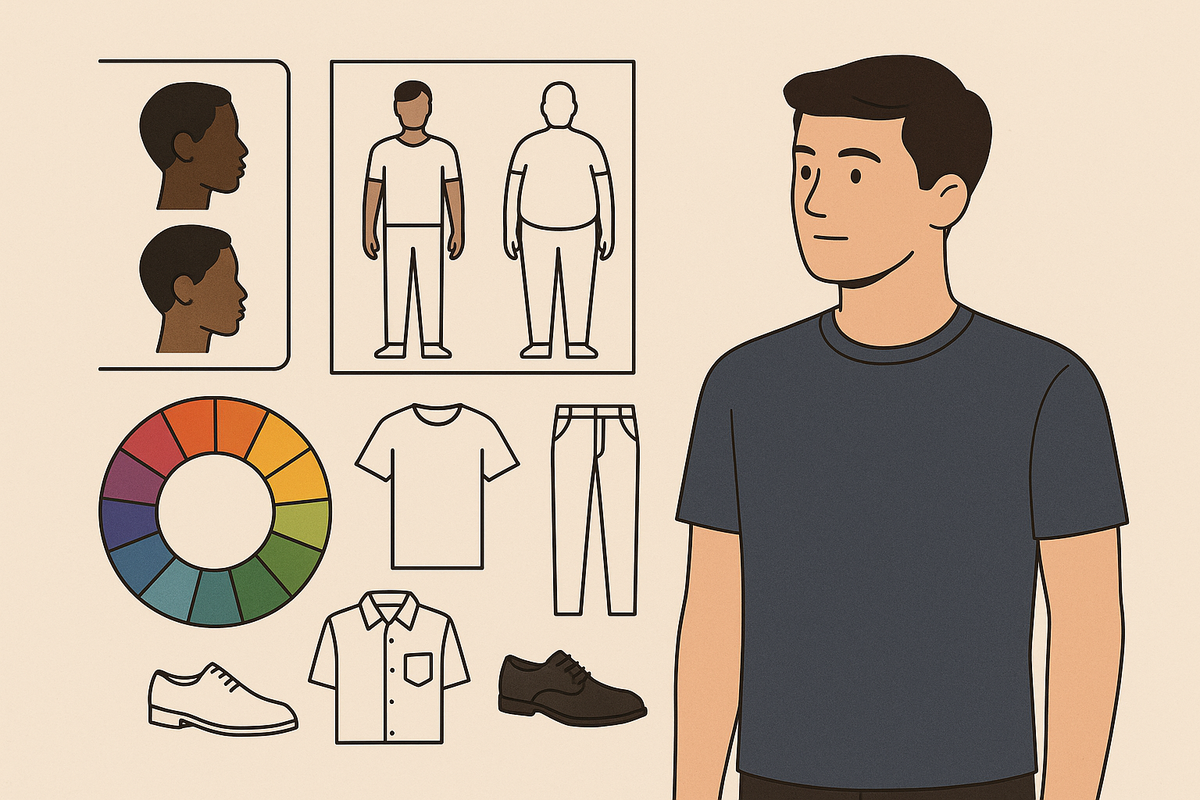
Wearing the right colors instantly makes you look healthier, sharper, and more attractive. Color analysis isn’t just for women—it’s a core part of men’s style basics. The "best colors for men by skin tone" depend on individual coloring, including undertone (warm vs cool) and depth (light vs dark skin). Wearing colors that clash with your undertone can make you look washed out, tired, or even highlight skin imperfections, while the right shades brighten your face and bring out your eyes.
Consider the difference between a cool-toned man wearing a washed-out yellow (which can accentuate redness) versus a deep navy (which complements and balances his complexion). The result is a more vibrant, confident look that draws positive attention without effort.
Understanding Skin Undertones: Warm vs Cool
- Cool undertones: Skin has pink, red, or blue hints. Veins look blue. Silver jewelry flatters more. In natural light, you may notice your skin has a rosy or bluish hue. People with cool undertones often burn before tanning and look best in crisp, icy shades.
- Warm undertones: Skin has yellow, olive, or golden tones. Veins look greenish. Gold jewelry looks best. Your skin may appear golden or peachy in sunlight. Warm undertones tend to tan easily and suit earthy, rich colors.
- Neutral undertones: A mix of both; both silver and gold look good, and most colors suit you. Neutral undertones are the most versatile, allowing you to experiment with a wider range of shades without clashing.
To check your undertone, look at the veins on your wrist in daylight or hold different colored shirts near your face and see which brightens your complexion. Another method is the white vs off-white test: if pure white looks better, you may be cool-toned; if off-white or cream flatters you more, you’re likely warm-toned.
Best Colors for Men by Skin Tone and Undertone
- Light/Cool: Opt for soft blues, lavender, gray, navy, and icy pastels. Avoid harsh oranges and yellows, which can make your complexion look sallow. Powder blue or light teal are safe bets for shirts and accessories.
- Light/Warm: Try camel, olive, peach, light yellow, and warm beige. Avoid stark black and icy shades, which can overwhelm your lighter features. A camel sweater paired with olive chinos creates a harmonious, understated look.
- Medium/Cool: Charcoal, burgundy, forest green, and teal work well. These shades deepen the contrast and bring out cool tones in your skin and hair. Try a charcoal blazer with a burgundy shirt for evening events.
- Medium/Warm: Earth tones like rust, olive, mustard; try coral and warm greens. These colors add vibrancy without overpowering your features. An olive field jacket layered over a rust t-shirt is both trendy and flattering.
- Dark/Cool: Jewel tones—emerald, royal blue, rich purples—pop beautifully. These saturated shades highlight your skin’s undertones and add a sophisticated edge to your wardrobe.
- Dark/Warm: Burnt orange, gold, olive, deep reds, and chocolate brown look striking. Warm, deep colors enhance your natural glow and provide a bold contrast to your skin tone.
Still wondering, "What colors should I wear?" Try AI-driven tools like Maxx Report’s color analysis (see below) to get a personalized color palette based on a facial scan. These tools assess subtle undertone differences and may even suggest unconventional colors that work for you, such as sage green or slate blue. For a comprehensive breakdown, see the Best Colors for Men by Skin Tone: The Essential Guide to Men’s Color Analysis.
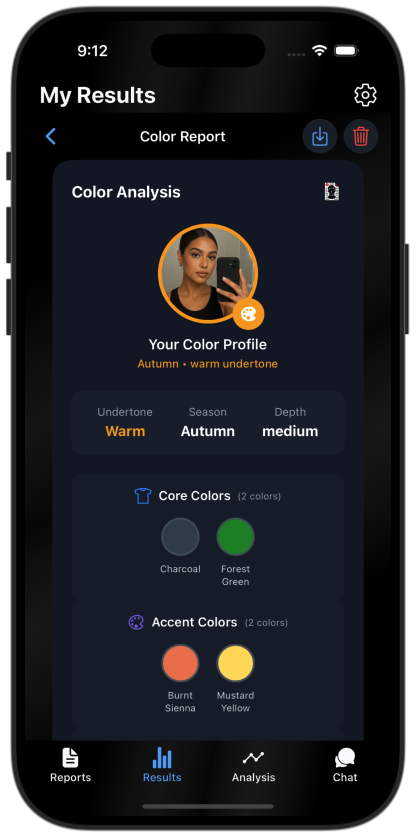
If you're ready for advanced tips, check out the AI Fashion Consultant guide to see how AI can revolutionize your wardrobe planning. Machine learning can recommend color pairings, shopping lists, and help you visualize outfits before you shop, saving you time and costly mistakes.
For a deep dive into how color analysis can transform your look, see Color Analysis for Men: The Ultimate Guide to Your Best Colors for expert tips and actionable advice.
Section 4: Building a Versatile Capsule Wardrobe
What Is a Capsule Wardrobe?
A capsule wardrobe is a compact collection of essential, interchangeable pieces that fit your style, coloring, and life. For men, it’s the secret to dressing well with less stress and fewer items. You don’t need a huge closet—just the right basics in the right colors and fits. The goal is to maximize outfit options with minimal pieces, so you always have something appropriate to wear—whether for work, travel, or social events.
The capsule wardrobe concept first gained traction in the 1970s but remains relevant today thanks to its simplicity and sustainability. With a thoughtfully curated capsule, you reduce decision fatigue, eliminate clutter, and ensure that every item serves a purpose.
How to Build Your Capsule Wardrobe
- Start with 10-15 core pieces: 2-3 shirts, 2-3 t-shirts, 2-3 trousers/jeans, 1-2 sweaters, 1-2 jackets, 2 pairs of shoes. For example: a white oxford, a navy crew neck tee, olive chinos, dark jeans, a gray merino sweater, a navy blazer, a denim jacket, white sneakers, and brown loafers.
- Stick to a neutral color palette: Navy, gray, white, black, beige, and olive are easy to mix and match. These colors suit most skin tones and provide a base that works year-round.
- Add accent colors: Once you know your best colors by skin tone, add 2-3 accent items. For example, a burgundy sweater for cool undertones or a mustard tee for warm undertones. Accent pieces can be shirts, accessories, or even socks.
- Prioritize quality over quantity: Invest in fabrics that hold up and look better over time. A single high-quality wool coat will serve you better than three mediocre ones. Look for sturdy stitching, natural fabrics, and reputable brands.
When selecting pieces, favor versatility. For example, a navy blazer can be worn with jeans for casual looks or dress pants for business settings. Dark jeans transition easily from day to night simply by swapping sneakers for loafers and adding a blazer.
Mixing and Matching with Color Analysis
When your clothing colors flatter your undertone, every combination looks intentional. For example, a warm-toned man might choose olive chinos, a camel sweater, and a white tee—each piece works with the others and with the wearer’s coloring. Likewise, a cool-toned man might layer a gray crewneck over a light blue shirt with navy chinos, creating a harmonious palette. For more on how to coordinate your wardrobe with your complexion, see Men's Color Analysis: The Pillar Guide to Dressing for Your Skin Tone.
To maximize outfit combinations, follow the "rule of three": pick three core colors and ensure all your pieces fit within this palette. Add interest with subtle patterns (like stripes or checks) in your best accent shades. This approach dramatically increases the number of possible outfits without crowding your closet.
Need a step-by-step guide? The Maxx Report app can analyze your face and suggest a capsule wardrobe tailored to your palette and features. You’ll receive recommendations not just for color, but also for styles and fits that flatter your unique proportions, making shopping more efficient and less stressful.
Section 5: Essential Outfit Formulas for Everyday and Smart Casual
Casual Outfit Formulas Using Men's Style Basics
- T-shirt + jeans + sneakers: Go for high-quality basics in your best colors—navy, white, or olive work for most men. A fitted tee and slim jeans create a balanced, modern silhouette. For added polish, tuck the tee and add a belt that matches your shoes.
- Button-down + chinos + loafers: Swap in a knit sweater or lightweight jacket for cooler days. Roll up the sleeves for a relaxed look or add a blazer for business casual settings. Chinos in a neutral color keep the look grounded, while loafers add sophistication.
- Henley + joggers + leather sneakers: Modern, comfortable, and easy to personalize with color. Choose a henley in a flattering shade (e.g., charcoal for cool tones, olive for warm), and opt for joggers that taper at the ankle for a streamlined effect.
Mix and match pieces based on the color analysis from Section 3. If you're warm-toned, pick earthier shades like camel, olive, or rust. If cool-toned, lean into blues, grays, and crisp whites. For example, pair a slate blue tee (cool) with gray jeans, or a rust henley (warm) with beige joggers.
Smart Casual and Business Casual
- Blazer + oxford shirt + dark jeans: A smart-casual staple. Add a pocket square for flair or swap jeans for tailored chinos for a more professional look. Choose a blazer in navy or charcoal for maximum versatility.
- Light sweater + dress pants + brogues: Ideal for business casual days. Layer a shirt under your sweater for added depth. Brogues or derbies in brown or black leather complete the look, depending on your color palette.
- Polo shirt + chinos + loafers: A summer-ready, polished look. Stick to polos in your best shades and chinos in neutral hues. Loafers are comfortable yet refined, making this outfit perfect for casual Fridays or weekend outings.
Remember, fit and color coordination elevate these basics to something special. Use the "two neutrals, one accent" rule when combining items: two pieces in neutral shades (e.g., navy pants and a white shirt) plus one accent (like a burgundy sweater or teal tie) keeps your outfit visually interesting but cohesive.
Outfit Planning Tips
- Lay out outfits in advance to avoid rushed choices. This reduces stress and helps you spot gaps in your wardrobe.
- Photograph combinations you like for quick references. Create a digital album on your phone or use a wardrobe app to organize your favorite looks.
- Use apps like Maxx Report to digitally experiment with color and style combos before you buy. Many apps allow you to upload your clothing and virtually mix and match, ensuring you maximize your existing wardrobe before making new purchases.
Section 6: Shoes, Accessories, and the Finishing Touches
Essential Shoes Every Man Should Own
- White sneakers: Versatile and modern, dress up or down. Choose minimalist designs in leather or canvas for easy cleaning and long-term wear.
- Black or brown leather dress shoes: For formal events, interviews, or smart casual outfits. Oxford, derby, or brogue styles work well. Select brown for a warmer, relaxed feel and black for more formal occasions.
- Loafers or Chelsea boots: A step up from sneakers, works with jeans or trousers. Loafers are ideal for spring and summer, while Chelsea boots excel during fall and winter.
- Casual boots (e.g., desert or chukka): Great for fall and winter. These boots offer a rugged edge while remaining refined enough for city wear. Opt for suede in tan or brown for a versatile touch.
Choose shoes in shades that coordinate with your wardrobe’s primary colors. For example, brown shoes pair well with earth tones; black shoes with navy, gray, or monochrome outfits. Consider your lifestyle when investing—city dwellers may need waterproof options, while those in warmer climates can prioritize breathability and lightness.
Don’t forget about shoe care: Regular cleaning and conditioning extend the life of your footwear, and switching out laces or insoles can refresh older shoes.
Accessories That Elevate Without Overdoing
- Watch: A classic timepiece adds polish to every outfit. Leather straps offer versatility, while metal bands lean more formal. Select a dial size that fits your wrist—typically 38-42mm for most men.
- Belt: Match to your shoes for a cohesive look. For casual outfits, canvas or woven belts provide texture, while dress belts should be leather in black or brown.
- Sunglasses: Choose a shape that flatters your face—see the Face Shape Quiz for guidance. Classic styles like aviators or wayfarers suit most, but consider proportions for a tailored fit.
- Minimal jewelry: A silver or gold chain, or a simple bracelet, works if it suits your undertone (see Section 3). Less is more; avoid over-accessorizing. If you have warm undertones, gold complements your skin, while silver is best for cool undertones.
- Bags: A leather or canvas tote, messenger, or backpack rounds out your essentials. Choose a style that fits your daily needs—sleek leather for business, canvas for casual weekends. Neutral colors ensure maximum versatility.
Accessories should complement, not compete with, the rest of your outfit. Use them to add personality—a patterned pocket square, a colorful bracelet, or statement socks—but keep the overall look balanced and intentional.
Small Details, Big Impact
- Grooming: Fresh haircuts, tidy facial hair, and healthy skin complete the look. For beard grooming, explore the tips in Glow Up for Men with Patchy Beards. Don’t underestimate the power of regular trims, moisturizer, and sunscreen for polished skin and hair.
- Fit check: Do a final mirror check for creases, stains, or ill-fitting areas before you step out. Lint rollers, shoe polish, and a handheld steamer are inexpensive tools that keep your look crisp. Pay attention to details like tucked collars, matched socks, and smoothed-out shirt hems.
The finishing touches are what set apart good style from great style. Whether it’s a subtle cologne, a perfectly tied shoelace, or a confident smile, these small details add up to a lasting impression.
Conclusion
Mastering men's style basics is about more than buying trendy pieces—it's understanding fit, color, and versatile wardrobe essentials. By learning your best colors through color analysis and dressing for your body type, you create a foundation that makes looking sharp easy every day. Thoughtful details, from shoes to accessories, put the finishing touch on your personal brand. For a truly tailored approach, consider an AI-powered style report from Maxx Report to unlock personalized recommendations that work for your unique features and coloring.
For a comprehensive approach to self-improvement and style, explore the Men's Glow Up: The Complete Guide to Transforming Your Look for actionable steps beyond clothing, including grooming, fitness, and confidence-building tips.
Remember, consistency is key. Build habits around choosing quality, maintaining fit, and updating your wardrobe seasonally. With the right foundation, you’ll find that expressing your personal style becomes second nature—saving you time, money, and stress. As fashion continues to evolve, these style basics remain your guide to confident, timeless dressing.
FAQ
Q: What are the basic clothes every man should own?
A: Every man should have a few quality t-shirts, an oxford shirt, dark jeans or chinos, a tailored blazer, a neutral sweater, versatile shoes (white sneakers and dress shoes), and a lightweight jacket. These cover casual, smart casual, and business needs.
Q: How should men dress better with a small wardrobe?
A: Build a capsule wardrobe of versatile, neutral basics that mix and match easily. Focus on fit and your best colors based on skin tone and undertone. Invest in quality over quantity and use accessories to add variety.
Q: What is the most important rule in men's style?
A: Fit is the most important rule—clothes should flatter your body without being too tight or baggy. Good fit makes any outfit look intentional and sharp.
Q: How do you build a capsule wardrobe for men?
A: Start with 10-15 essential pieces in neutral colors, add a few accent items in your best shades, and ensure every piece fits well and works with others. Invest in quality fabrics and classic silhouettes.
Q: What shoes should every man have?
A: At minimum, own white sneakers, brown or black leather dress shoes, loafers or Chelsea boots, and a pair of versatile casual boots. Choose colors that match your wardrobe.
Q: What are the easiest ways to improve men's style?
A: Prioritize fit, learn your best colors, invest in wardrobe essentials, keep things simple, and pay attention to grooming. Use tools like Maxx Report for personalized recommendations.